
REVIEW · NAIROBI BIRDWATCHING TOURS
6hrs of Birdwatching in Nairobi National park
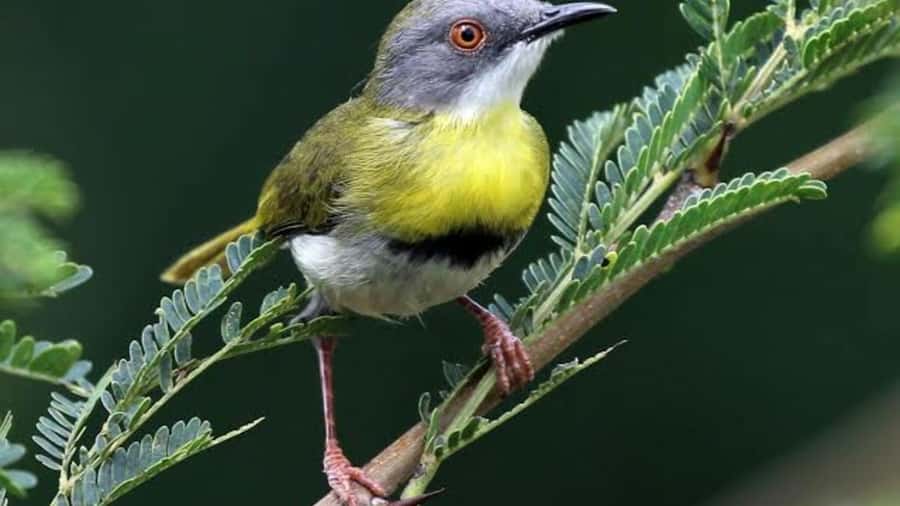
Birds make Nairobi National Park feel fresh. This private six-hour outing takes you from dry forest to wetlands and open grassland, with a guide focused on finding and identifying birds rather than simply ticking off big mammals. I especially like the private group format and the promise of a bird list after the outing. The main consideration is cost: $450 per group, plus park entry fees, makes best sense when shared by several people.
I also like the access to several habitats in one morning and the chance to leave the vehicle at approved picnic points for short walks and toilet breaks. Guides such as Diana, Saidi, and Benson have shown strong spotting and identification skills, but bird numbers will always depend on weather, timing, and luck.
Key points for your Nairobi birding day
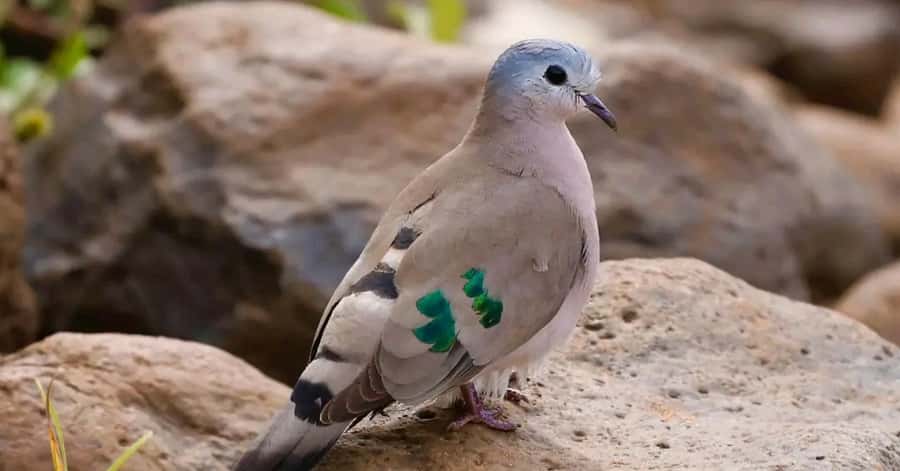
- More than 520 bird species are recorded in Nairobi National Park, giving you a strong setting for a focused birding trip.
- Three major habitats are included: dry forest, dams and wetlands, and open grassland.
- The guide creates a species list for you and sends it after the session.
- The private van suits groups of up to seven, with hotel or residence pickup and drop-off included.
- Birding guides are the main strength, with reports of excellent hearing, sharp spotting, bird calls, and field references.
- The $450 price excludes park entry, food, and snacks, so work out the full cost before booking.
Why Nairobi National Park works for birdwatching
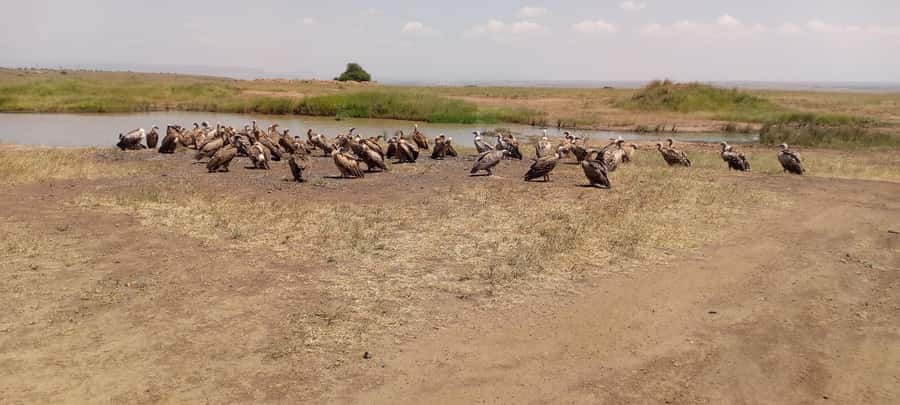
Nairobi National Park is unusually convenient for a serious birding outing. You start in Nairobi and reach a protected area without giving up a full day to long road transfers. The planned park time is six hours, which gives you enough time to search different habitats instead of spending the whole outing in one section.
The park is home to more than 520 bird species. That number does not mean you will see anything close to all of them in one visit, but it explains why the habitat changes matter. Forest birds, waders, waterfowl, raptors, grassland species, and birds of open country all require different search methods.
I like this approach because it treats birdwatching as more than a quick stop between sightings of lions and rhinos. You still have a chance to see larger animals, but the main purpose is to listen, scan, compare markings, and learn where different bird families prefer to feed or rest.
Your guide will use the scientific bird families as part of the search. That includes Pycnonotidae and Turdidae in the dry forest, Scolopacidae and Anatidae around water, and families such as Otididae, Struthionidae, Ardeidae, Motacillidae, Laniidae, and Fringillidae in the grassland.
More National Park Trips in the world:
- Lisbon: Tagus Estuary Nature Reserve Birdwatching Boat Tour
★ 4.9 · 117 reviews - King Penguin Nature Reserve – Tierra del Fuego Island
★ 4.0 · 73 reviews - Private Birding Hike in Rocky Mountain National Park
★ 5.0 · 58 reviews
Starting early from your Nairobi accommodation
The day begins with pickup from your residence or hotel in Nairobi. The stated transfer time is about one hour by van, although the exact length will depend on your pickup point and city traffic.
An early start matters for two reasons. First, you reach the park with more of the six-hour session ahead of you. Second, morning is a sensible time for birdwatching, since you are more likely to catch activity before the day becomes hot and quiet. The exact starting time is subject to availability, so confirm it before you book.
Transport is in a private safari van with an open roof. That setup is useful for scanning treetops and open ground, and it gives you a better viewing angle than an ordinary enclosed vehicle. If you prefer a safari Landcruiser, you can request one for an additional $80.
The van is practical for a private group of up to seven, but a full group will feel less spacious than a small party. If everyone brings binoculars, cameras, water, and bags, seating and elbow room become worth considering. For two or three people, the private format should feel much more relaxed.
Searching the dry forest for smaller birds
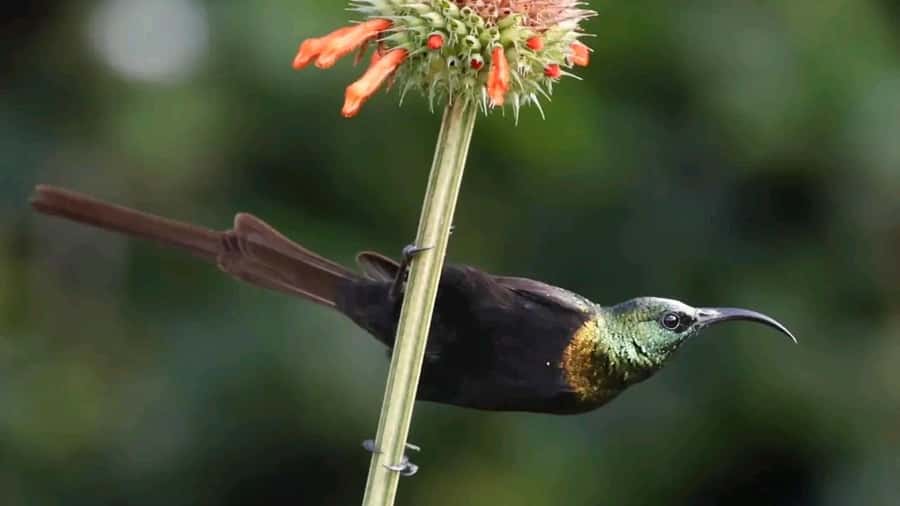
The first habitat is the park’s dry forest area. This is where your guide will listen for calls, check branches and foliage, and look for birds from families including Pycnonotidae, Turdidae, and Columbidae.
Forest birding often rewards patience more than speed. A bird may be close but hidden, or visible for only a few seconds. This is where guide skill matters most. Benson was praised for spotting birds and identifying everything seen, while Diana was noted for hearing faint calls and finding tiny birds at a distance from the moving vehicle.
Saidi also uses helpful teaching tools. He can show a reference sheet for a bird, play or identify its call, and explain the features that separate one species from another. That makes the outing useful for someone still learning, not just for an expert trying to add rare species to a list.
A turaco was found during one outing, which gives you an idea of the kind of memorable sighting that can lift the day. It would be wrong to promise a turaco or any particular species, but an experienced guide improves your chances of noticing birds you might otherwise pass by.
Wetlands, dams, and the best place to pause
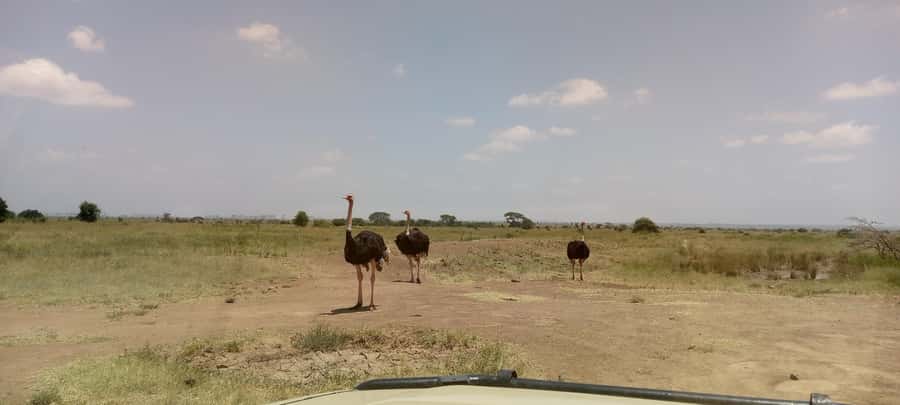
The tour then includes dams and wetland areas. These habitats bring a different set of possibilities, including birds from Scolopacidae, Anatidae, and Ciconiidae.
Near water, your guide may scan shorelines, mud, reeds, and the water itself. Waders and other wetland species can be easier to see in open areas than forest birds, though distance can still be a problem. Bring binoculars if you have them, since the supplied information does not state that optics are provided.
The wetland stop also changes the pace of the day. After concentrating on birds in trees and scrub, you can take in a wider view and watch several parts of the area at once. It is a good point to ask your guide how feeding behavior, leg shape, bills, or flight patterns help identify different birds.
The park has designated picnic points where you can get out of the van. These stops are intended for stretching your legs and taking toilet breaks while continuing to look for birds on foot. That is a practical feature during a six-hour outing, since remaining seated in a vehicle the entire time can become tiring.
Do not treat the picnic points as a guaranteed meal stop. Lunch and snacks are not included, so you need to arrange your own food. Drinking water is included.
A few more birding trips around the world worth a look
- Penguin Parade, & Wildlife Encounters Eco Tour from Melbourne
★ 5.0 · 3,774 reviews - Cape Town: Cape of Good Hope & Penguins Day Tour with Pickup
★ 4.7 · 3,362 reviews - Cape Point and Boulder’s Penguins Full Day Tour
★ 5.0 · 3,118 reviews - Cape of Good Hope & Boulder Penguins Full-Day Tour from Cape Town
★ 5.0 · 2,347 reviews
Open grassland and the chance for larger wildlife
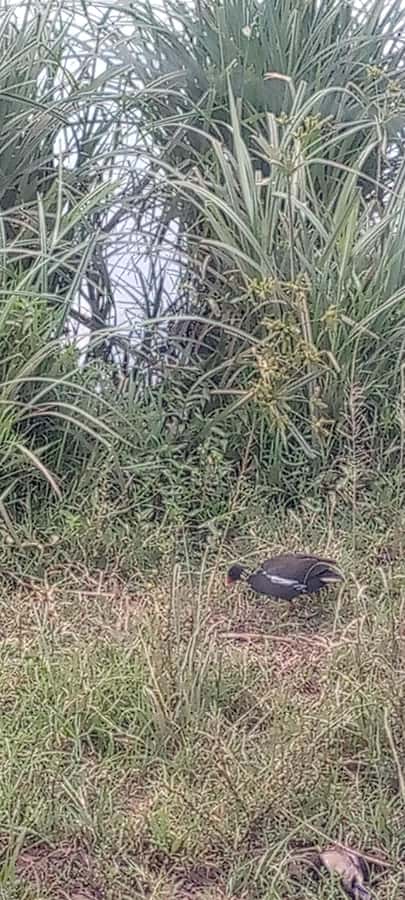
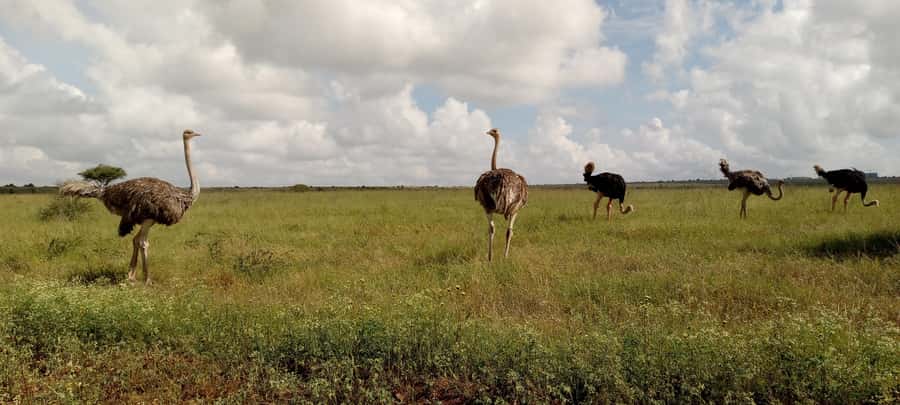
The grassland section brings a third type of bird habitat. Here, the focus includes families such as Otididae, Struthionidae, Ardeidae, Motacillidae, Laniidae, and Fringillidae.
Open country changes the way you search. Instead of peering into dense branches, you scan the ground, fence lines, low plants, and distant trees. Birds can be easier to spot in the open, but they may also sit far away, so your guide’s ability to notice movement is important.
This is also the part of the outing most likely to please people who want birds but do not want to ignore mammals. The session remains bird-focused, yet one outing produced sightings of lions, rhinos, giraffes, zebras, antelopes, buffalo, and even a cheetah. Another group saw both white and black rhinoceros.
These animals are an added benefit, not a promise. The experience is best chosen for its birding plan. If your main goal is the Big Five, a standard wildlife outing may suit you better. If you enjoy both birds and mammals, the grassland portion gives the day welcome variety.
What the guides add to the experience
The guide is the key reason to book this outing rather than simply entering the park in your own vehicle. Birding depends on quick recognition, good hearing, and local knowledge of where to search. A driver who only looks for large mammals may miss much of what is happening above the road.
Diana received especially strong praise for her enthusiasm, ability to hear quiet calls, and skill at spotting very small birds while driving. Saidi was described as well equipped, able to explain sightings clearly, and willing to use bird sheets and calls to support identification. Benson was praised as an excellent spotter who could identify the birds found.
Those details matter to you because a guide should do more than point at a bird. You want help finding it, time to see it, and an explanation of why it is that species. The best guides also keep the day moving when one bird refuses to show itself.
The results can vary. One outing produced 67 species, including 31 first-time species for the participants. Another reached 108 total species, although that session lasted more than seven hours. A separate six-hour outing found about 50 species, along with several notable mammals.
Use those figures as examples, not guarantees. The number you see will depend on season, weather, habitat conditions, your own experience, and how long you spend on each sighting.
The bird list is a useful extra
At the end of the session, the bird list is sent to you by email. I consider this one of the most useful features, especially if you are still building your birding skills.
A written list helps you remember what you saw and check names later. It also gives you a starting point for comparing future outings in Kenya. Ask your guide questions during the day and make your own notes too, since a list alone may not remind you where or how you saw each species.
The list is also valuable if you are photographing birds. You can match names to images once you return to your accommodation instead of trying to identify everything on a small camera screen in the vehicle.
Is the $450 price fair?
The price is $450 for a private group of up to seven people. Pickup and drop-off, a private guide and driver, the safari van, and drinking water are included.
For seven people, the transport and guiding cost works out to about $64 per person before park entry. For four people, it is about $113 each, and for two people, $225 each. That makes this a much better value for a full group or a small party that places a high value on private guiding.
Non-resident park entry is extra, listed as $48 in low season and $60 in high season. The supplied information does not state the resident rate, so confirm the applicable fee if you live in Kenya. Lunch and snacks are also extra.
You should compare the full cost, not just the advertised price. A private six-hour birding session with a dedicated guide can be worthwhile if you want instruction and a species list. It is less attractive if you mainly want a general park drive and do not care about bird identification.
The optional Landcruiser adds $80. The open-roof van is the standard vehicle, so the upgrade is a comfort or preference choice rather than a required part of the experience.
Who should book this birding outing?
I would recommend it to birders who want focused time in Nairobi National Park without arranging transport, park entry, and guiding separately. It also suits beginners, since the guide can help with calls, field marks, and family groups.
It is a good choice for photographers, small private groups, couples, and families with a real interest in birds. The private format gives you more freedom to stop and ask questions than a large shared vehicle normally allows.
You should think twice if you dislike early starts, sitting in a vehicle for long periods, or paying extra for park entry and food. The outing includes some time on foot at designated points, but it is not a walking safari.
English is the stated guiding language. The vehicle is listed as wheelchair accessible, though you should confirm your specific needs before arrival. Bring your passport or ID card, comfortable clothing, binoculars if you own them, and any snacks you want during the day.
Cancellation is free up to 24 hours before the activity, and you can reserve now and pay later. Those terms make planning easier, but they do not change the need to check availability and the final park fee.
My verdict on the six-hour Nairobi birding tour
Book this outing if you want Nairobi National Park seen through birds first and mammals second. The strongest reasons are the habitat variety, private transport, skilled guides, and the emailed species list.
The biggest caution is price. You need to add park entry, lunch, and snacks, and the cost is much easier to justify when shared among several people. If you do book, ask for a bird-focused guide such as Diana, Saidi, or Benson if available, and bring binoculars.
For a beginner, the guide’s explanations can turn a pleasant game drive into a useful lesson. For an experienced birder, the chance to cover dry forest, wetlands, and grassland in one private morning makes this a smart Nairobi add-on.
FAQ
How long does the birdwatching experience last?
The planned birdwatching session lasts six hours, followed by drop-off in Nairobi. One outing lasted more than seven hours, but you should treat six hours as the scheduled duration.
What is included in the price?
Pickup and drop-off, a private guide and driver, private safari van transport, and drinking water are included.
Are Nairobi National Park entry fees included?
No. For non-residents, the stated entry fee is $48 in low season and $60 in high season. Confirm the current rate and the fee that applies to you before booking.
How many people can join the private group?
The price covers a private group of up to seven people.
What vehicle is used?
The standard vehicle is a safari van with an open roof. A safari Landcruiser is available for an additional $80.
What should I bring?
Bring your passport or ID card. Binoculars and personal snacks are also sensible additions, since lunch and snacks are not included and the supplied information does not state that binoculars are provided.
Just added around the world
- Walvis Bay Shore Excursion: Flamingos, Dune 7, Swakopmund★ 5.0 · 3 reviews
- York: Entry to York bird of prey centre★ 5.0 · 7 reviews
- Visit to Madeira Bird Island★ 4.6 · 22 reviews
- Vestmannaeyjar: Puffin, Island, and Volcano Boat Tour★ 4.4 · 7 reviews
- Vila Franca do Campo: Marine Life & Bird Watching & Islet Tour★ 4.4 · 9 reviews
- VIP falconry taster session★ 5.0 · 2 reviews
- Ushuaia: Gable Island and Penguin Colony with Lunch★ 4.8 · 2 reviews
- Ushuaia: Sailing Beagle Channel to the Penguin Colony★ 4.6 · 14 reviews
National Parks, compared.
Tagus Estuary Nature Reserve Birdwatching Boat Tour
Read our review →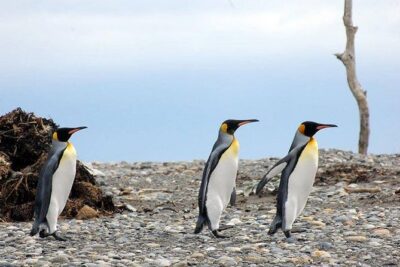
King Penguin Nature Reserve – Tierra del Fuego Island
Read our review →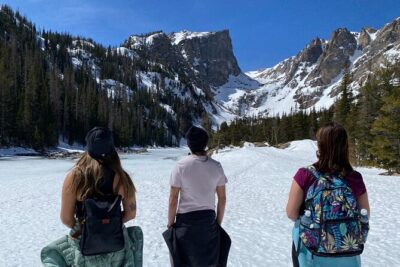
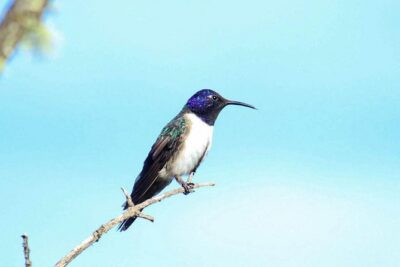
Birdwatching Tour in Cajas National Park from Cuenca
Read our review →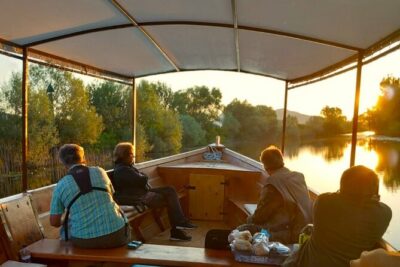
Skadar Lake National Park: Birdwatching & Photography Tour
Read our review →
Boat Tour – Bird Observation in the Tejo Nature Reserve
Read our review →
Bundala National Park Birds Watching Safari Tour
Read our review →
Everglades National Park: 2 hour Dolphin & Birding Boat Tour
Read our review →Browse the lists this tour appears in