
REVIEW · LAGOS BIRDWATCHING TOURS
Birdwatching day around Sagres
Migration meets the Atlantic here. This full-day birdwatching outing takes you across the Sagres peninsula, where Cape Saint Vincent, Cabranosa, Vale Santo, and Ponta da Atalaia create a fine setting for watching birds in motion. I like the small group limit of eight and the private transport, which make it easier to stop, listen, and follow a bird without rushing.
I also like that the guide can shape the day around your interests. Gui is praised for his skill with birds, plants, and local history, while Marcial and Paula provide a warm welcome. The main consideration is seasonal: autumn can bring migration in excellent numbers, but at other times you may see fewer species, as one solo visitor found.
Key points before you book
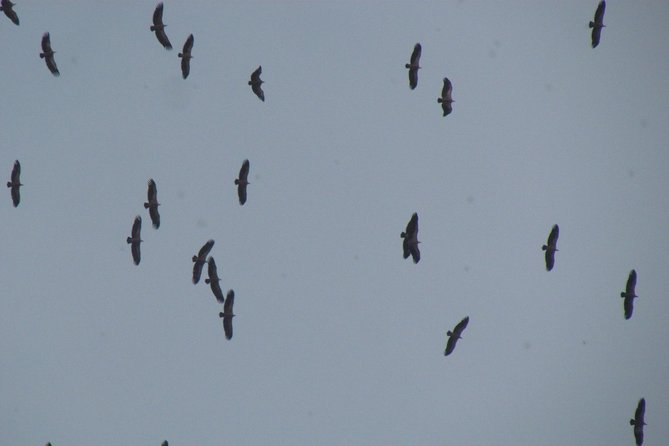
- Autumn migration: Sagres is especially rewarding for birds of prey and small migrating birds in autumn.
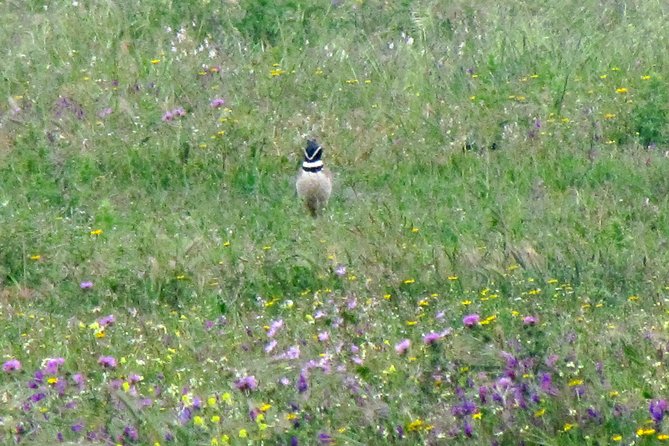
- Spring specialties: Warblers breed in the area, and you may see Little Bustards displaying.
- Four birding areas: The route includes Ponta da Atalaia, Cabranosa, Cape Saint Vincent, and Vale Santo.
- Telescope included: Private transport and use of a telescope are part of the price.
- Personal guiding: Gui can tailor the day to your interests, whether you are a keen birder or simply curious.
- Early start: The day begins at 7:00 a.m. and lasts about seven to nine hours.
Why Sagres makes a strong birdwatching base
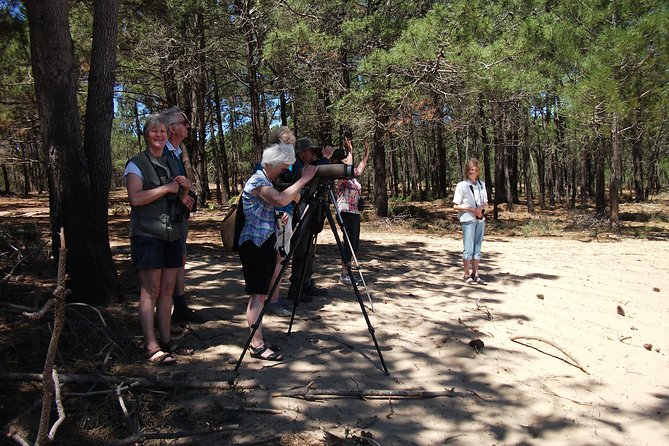
The Sagres peninsula is a good place for a day devoted to birds because the route brings together several kinds of open ground and coastal habitat. Instead of sitting at one hide for hours, you move through Ponta da Atalaia, Cabranosa, Cape Saint Vincent, and Vale Santo.
That matters because bird activity changes with habitat. A bird of prey moving over open country needs a different search area from a small warbler in breeding territory. The guide’s job is not simply to point a telescope at a bird, but to read the area, adjust the stops, and give you time to watch.
The timing also shapes the experience. In autumn, migrating birds of prey and smaller birds are the main draw. Spring offers a different reward, with several warbler species breeding in the area and the chance of seeing Little Bustards displaying.
You should not book this expecting a fixed list of birds. Nature does not work that way, and one outing included fewer species because of the time of year. The strength of this trip is the setting, the guide, and the chance to visit several good habitats in one day.
A few more birding trips around Portugal worth a look
- Faro: Eco-Friendly Ria Formosa Bird Watching in Solar Boat
★ 4.7 · 359 reviews - Dolphin – Whale – Turtle – Bird Watching
★ 5.0 · 350 reviews - Faro: Ria Formosa Natural Park Segway Tour & Birdwatching
★ 4.9 · 180 reviews
A 7:00 a.m. start at A Rocha Life
The meeting point is A ROCHA LifeCruzinha, Apartado 41, 8500-132, Portugal. The start time is 7:00 a.m., so plan for an early morning and arrive ready to leave on schedule.
An early start makes practical sense for birdwatching. Birds are often easier to locate when the day is fresh, and a full schedule gives you time to cover the peninsula without turning every stop into a hurried photo break. The tour lasts roughly seven to nine hours, with the day ending back at the meeting point.
Private transport is included. That is useful here because you are moving between several sites, and you do not have to work out the driving or parking for each one. It also gives the guide more control over the pace of the day.
The group is limited to eight people. That is small enough for questions and shared telescope views, though the exact feel will depend on how many places are booked. A solo participant can join without needing to organize a private group.
Ponta da Atalaia and Cabranosa: starting with open country
Ponta da Atalaia and Cabranosa are part of the birdwatching circuit around the Sagres peninsula. These stops help set the pattern for the day: scan the open ground, check the sky, listen for smaller birds, and move on when another habitat calls.
The open setting is particularly useful during autumn migration. Birds of prey can be difficult to follow once they pass overhead, so a guide with a telescope and a trained eye adds real value. Small migrating birds can also be easy to miss if you do not know where to look.
I would come prepared to spend time waiting. Birdwatching is not a parade of constant sightings. You may have a quiet stretch, then suddenly get a better view of a bird that would have been missed from a car window or from a busy sightseeing stop.
These areas also give the guide room to respond to the day. If bird numbers are thin in one place, the route includes other habitats rather than leaving you tied to a single viewpoint.
Cape Saint Vincent: the day’s headline stop
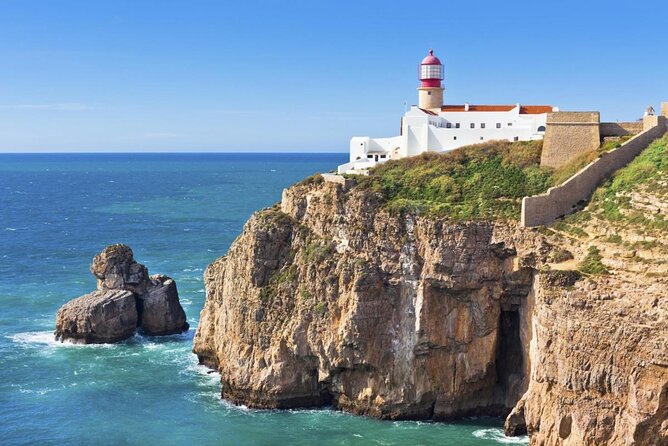
Cape Saint Vincent is the named stop on the itinerary and the best-known point on the route. It is also where the Atlantic setting becomes part of the experience, with broad coastal views and a strong sense of being at the edge of the peninsula.
For birdwatching, the cape is valuable as part of the wider migration area. In autumn, the peninsula can offer chances to watch birds of prey and smaller birds moving through. The telescope lets you examine distant birds more closely, which is far more useful than trying to rely on the naked eye.
There is no admission ticket included because there is no admission charge listed for the birdwatching stop. That keeps the day focused on the outdoors rather than on paid attractions.
Cape Saint Vincent is not a guaranteed wildlife show. Wind, weather, and season affect what appears. Still, the combination of coastal scenery and the possibility of migration makes this a worthwhile part of the day even during a quieter spell.
Same place, a different set of birds:
- Ria Formosa Natural Park Birdwatching Segway Tour from Faro
★ 5.0 · 164 reviews - Lisbon: Tagus Estuary Nature Reserve Birdwatching Boat Tour
★ 4.9 · 117 reviews - 2-hour Bird Watching Guided Boat Trip in Ria Formosa from Faro Algarve
★ 4.5 · 75 reviews - Faro: Ria Formosa Eco Birdwatching Boat Tour
★ 4.6 · 73 reviews
Vale Santo and the search for seasonal specialties
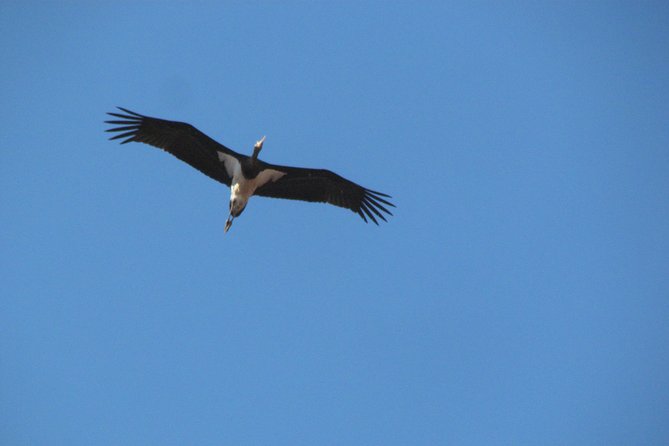
Vale Santo completes the main set of birding areas. As with the other stops, its value comes from adding another setting to the day and giving the guide more chances to locate birds.
Spring is the key season for several special possibilities. Warblers breed in the area, and Little Bustards may display. The wording matters: these are opportunities, not promises. A display depends on season, conditions, and luck.
If you visit in spring, ask the guide to explain what to listen for and where to look. If you visit in autumn, focus more on movement through the peninsula and on scanning the sky for birds of prey. The same route can feel quite different depending on the month.
One useful feature is the amount of time available. The outing is planned for about eight hours, within a seven to nine-hour range, so you are not being pushed through the sites in a short morning. That gives you room for observation and photography, which was especially appreciated by a solo participant.
Gui’s guiding style and what it adds
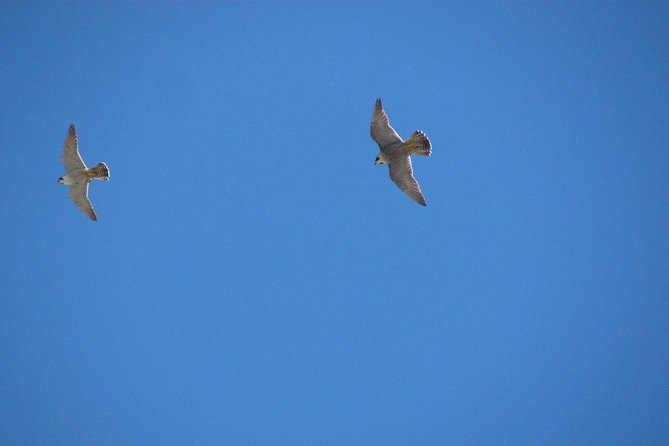
The guide is central to the value of this outing. Gui is described as able to tailor the day to personal interests and as having strong knowledge of the birds, vegetation, and history of the area.
That combination matters. A birding guide who only identifies species can leave you with a list and little context. A guide who also explains the plants and local setting helps you understand why certain birds are here and why the route changes from one stop to another.
Gui also appears comfortable working with different levels of interest. One account recommends the day for bird lovers at every level, which fits the format. You do not need to arrive as an expert. You can be a serious birder, a photographer, or someone who simply wants to learn what is flying over the coast.
Marcial and Paula are also mentioned for their warm welcome. The day seems to combine a friendly beginning with detailed field guiding once you are out on the route.
One small caution: the supplied information uses both Gui and Gia for the guide’s name in different places. Gui is the name used in the more detailed accounts, but you may want to confirm the guide’s name when booking.
Telescope included, binoculars available to rent
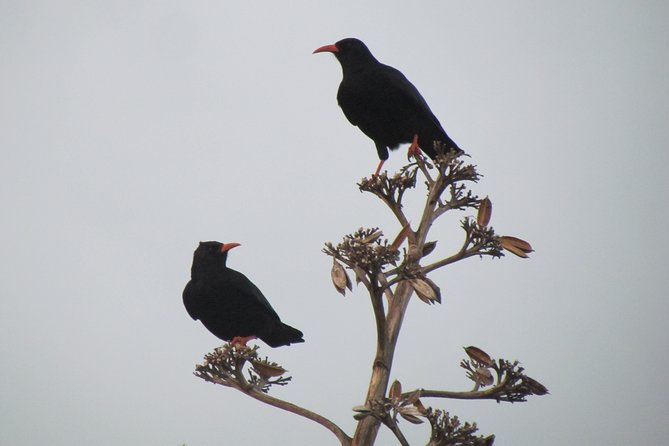
The tour includes private transportation and use of a telescope. That is an important inclusion for birdwatching, particularly in open coastal areas where birds may be distant.
Binocular rental is possible, but binoculars are not included in the stated price. If you own a pair, bring them. If not, ask about rental arrangements before the morning begins.
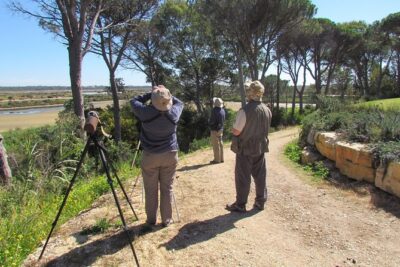
The telescope is useful for group viewing. Several people can take turns looking at the same bird while the guide explains what to notice. Binoculars remain better for quickly locating a moving bird, so having both would give you the most flexibility.
Photography is also possible, at least in the practical sense that there is time for observation and taking photographs. The tour is not presented as a dedicated photography workshop, so expect the guide to balance camera time with birdwatching and movement between sites.
What $100.71 buys you
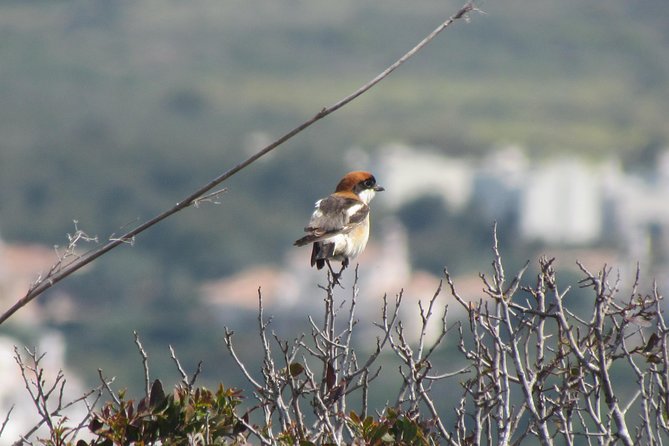
At $100.71 per person, this is not the cheapest way to see the Sagres coast. You are paying for a long day, private transport, a small group, and a guide who can interpret the birds and the area.
The value is strongest if you would otherwise need to hire a car, plan several stops, and identify suitable places on your own. You also avoid spending your day guessing whether a distant speck is a bird of prey or a piece of windblown rubbish.
For a casual visitor who only wants a quick look at the coast, the price may feel high. For someone who cares about birds, wants a full day outdoors, or prefers expert help, the package makes more sense.
The group limit of eight helps protect the value. A crowded minibus would make telescope viewing and questions harder. Here, the smaller format should give you more time to observe, though the final quality still depends on weather and seasonal bird activity.
Best seasons and realistic expectations
Autumn is the strongest choice if your main goal is migration. The Sagres peninsula offers a chance to see birds of prey and smaller birds passing through, and the guide can help you watch the sky and open ground with purpose.
Spring is better for breeding activity. Warblers may be present in the area, and Little Bustards may display. If either group is a priority, ask for seasonal advice before confirming your date.
Other times can still be pleasant, but you should accept that the bird list may be shorter. A quiet day is not necessarily a poor day. You still have the coast, the habitats, the telescope, and the chance to learn how bird numbers change through the year.
Good weather is required for the activity. If poor weather forces a cancellation, you can choose another date or receive a full refund. This policy is useful, since wind and rain can affect both bird activity and comfort.
Who will enjoy this day most?
I would recommend it first to birdwatchers who want help finding species around Sagres without managing the driving themselves. It also suits solo visitors, couples, and small groups who prefer a personal outing over a large coach trip.
Beginners should feel comfortable joining. The guide’s role includes explanation, not only identification, and the telescope gives you a chance to see birds you might miss alone.
Photographers may also like the format because there is time to observe and take pictures. Still, you should not expect a fixed photography itinerary or guaranteed close views. The day follows the birds and the conditions.
Families and mixed-interest groups may find the seven to nine-hour length demanding. Most people can participate, and service animals are allowed, but the supplied information does not describe special child-focused activities or a shorter option.
Practical details worth knowing
The activity begins at 7:00 a.m. and returns to the same meeting point. Allow the whole day for it, since the stated length is about seven to nine hours rather than a short excursion.
Alcoholic drinks are not included. The information also does not state that meals or refreshments are provided, so you should confirm arrangements before setting out.
Free cancellation is available if you cancel at least 24 hours before the start time. Changes or cancellations inside that window are not accepted for a refund, and the cut-off uses local time. Confirmation arrives within 48 hours of booking, subject to availability.
Should you book the Sagres birdwatching day?
Book it if you want a serious but friendly day in the field, with private transport, a telescope, and a guide who can adjust the outing to your interests. Autumn migration and spring breeding activity offer the clearest reasons to choose a date carefully.
Think twice if you need guaranteed sightings, dislike early starts, or only want a quick coastal tour. Bird numbers can be modest outside the best season, and even a well-run outing cannot control weather or wildlife.
For the right person, the $100.71 price is fair. You get a full day across several Sagres sites, personal guiding, and a better chance of understanding what you see rather than simply collecting a few distant bird shapes.
FAQ
Where does the birdwatching day start?
It starts at A ROCHA LifeCruzinha, Apartado 41, 8500-132, Portugal.
What time does the tour begin?
The scheduled start time is 7:00 a.m.
How long does the experience last?
The activity lasts approximately seven to nine hours, with the main itinerary described as about eight hours.
Which places are included in the birdwatching route?
The route includes Ponta da Atalaia, Cabranosa, Cape Saint Vincent, and Vale Santo on the Sagres peninsula.
Is equipment included?
Private transportation and use of a telescope are included. Binoculars are not included, but rental is possible.
How many people can join?
The maximum group size is eight people.
What happens if bad weather cancels the outing?
You can choose another date or receive a full refund if the activity is canceled because of poor weather.
Just added around Portugal
- Bird Watching in Albufeira Lagoon★ 5.0 · 2 reviews
- Half-day birdwatching around Faro★ 5.0 · 2 reviews
- Half-day birdwatching around Tavira★ 5.0 · 2 reviews
- Birdwatching at Ria de Alvor★ 5.0 · 2 reviews
- Birdwatching day in the Monchique hills★ 5.0 · 2 reviews
- Birdwatching at Abicada and Alvor dunes★ 5.0 · 2 reviews
- Half-day birdwatching at Alvor dunes★ 5.0 · 2 reviews
- Óbidos: Lagoon Birdwatching Tour with Local Biologist★ 5.0 · 2 reviews
Lagos Birdwatching Tours, compared.
Birdwatching day in the Ria Formosa Natural Park
Read our review →
Browse the lists this tour appears in