
REVIEW · INDIA BIRDWATCHING TOURS
Munsiari Birding tour
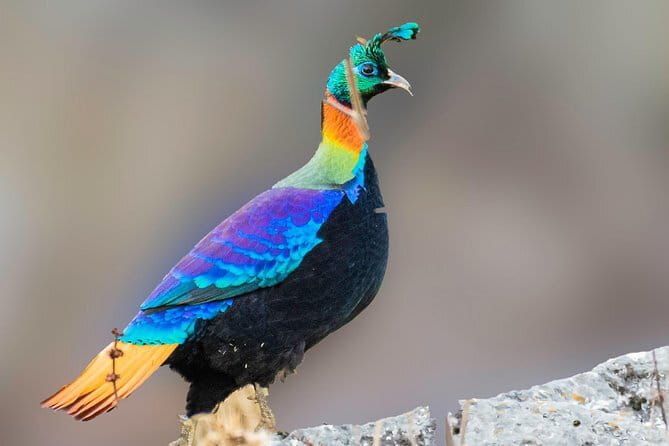
The best birds demand an early start. Travelderness’s six-day Munsiyari tour takes you deep into Kumaon for Himalayan species such as Satyr Tragopan, Himalayan Monal, Cheer Pheasant, Koklass Pheasant, finches, accentors, and laughing thrushes. I like the careful choice of birding sites, from Betuli Dhar and Sarmoli to Khaliya Top, and I like that the trip is private, so your group can set the pace. The main drawback is the long road journey from Kathgodam, followed by several mornings that begin around 5 a.m.
This is not a quick birding weekend near Nainital. Munsiyari sits much farther into Uttarakhand, close to the higher Himalayas, and the road trip is part of the experience. You should come for specialist Himalayan birds, mountain scenery, and patient fieldwork rather than a relaxed sightseeing holiday.
What makes this Munsiyari birding tour worth considering
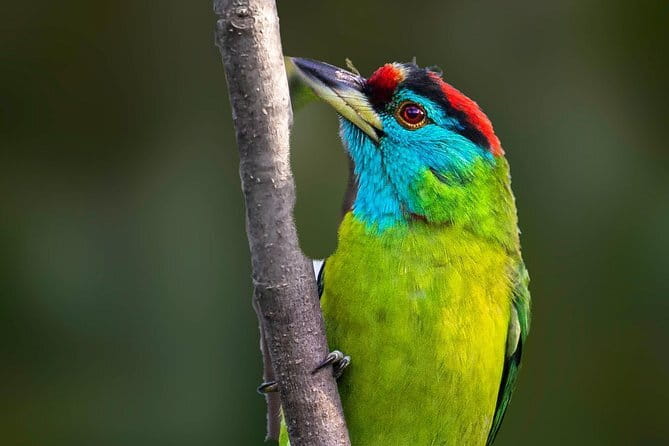
- The target list is unusually strong: Satyr Tragopan, Himalayan Monal, Cheer Pheasant, Koklass Pheasant, Golden Bush Robin, Fire-fronted Serin, rosefinches, and more.
- Birding takes place at several elevations: Betuli Dhar is aimed at high-altitude pheasants and finches, while Madkote can produce lower-altitude and water-associated species.
- The tour begins and ends at Kathgodam: Pickup is early on Day 1, with the return journey reaching the station area on Day 6.
- A one-hour trek reaches Khaliya Top: This is the key outing for Satyr Tragopan and requires a reasonable level of fitness.
- The private format gives your group more control: You are not placed with a large mixed party, and group discounts are available.
- The trip has a practical birding focus: Stops include forest edges, village areas, temple grounds, bends in the road, and other places where different bird species gather.
Why Munsiyari is a serious birding destination
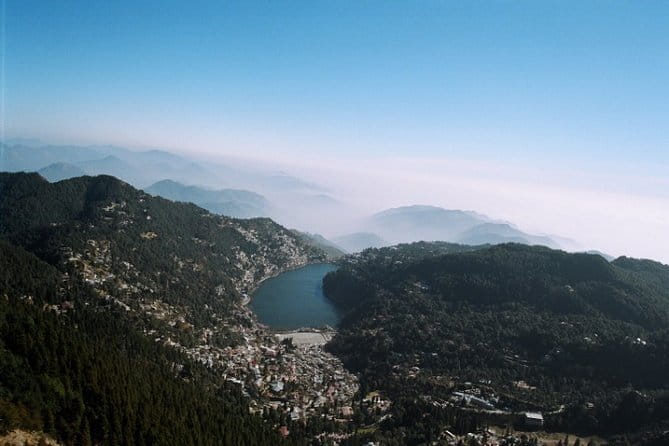
Munsiyari is in the Kumaon division of Uttarakhand, in the middle Himalayas and close to the Greater Himalayas. BirdLife International recognizes the wider area as bird-rich, with more than 300 species recorded. That number does not mean you will see every famous bird in six days, but it explains why the region attracts people who already know their warblers from their yuhinas.
The real appeal is variety across altitude. Higher forest areas may produce pheasants, woodpeckers, tits, finches, and accentors. Lower routes and wetter spots can bring tesias, thrushes, orioles, and other birds that you may not find around the town itself.
I also like the way the tour uses familiar local birding routes instead of spending every hour in one forest. The plan moves between Betuli Dhar, Nanda Devi Temple, Sarmoli, Betuli Bend, Khaliya Top, Madkote, and College Road. That broad approach gives you more chances to find birds with different habitat preferences.
Still, you need realistic expectations. Wild birds do not follow a schedule, and the named pheasants are targets, not guarantees. Weather, visibility, noise, and bird activity can all change the result of a morning.
A few more birding trips around India worth a look
- Village Bike Tour & Birdwatching
★ 5.0 · 18 reviews - Bharatpur Bird watching & Wildlife from Delhi
★ 5.0 · 18 reviews - Chennai, Guided Birding And Birding Photo Trip With Spot Scope, 2 to 3 Hours
★ 5.0 · 16 reviews
Day 1: The long road from Kathgodam to Munsiyari
Your trip begins with an early pickup at Kathgodam station in Haldwani. The drive to Munsiyari covers roughly 250 kilometers, so this is a full travel day rather than a gentle introduction.
The route includes breakfast at Almora and lunch at Chaukori. Birding stops are planned along the way, giving you a chance to stretch your legs and begin looking before reaching Munsiyari. Near Kainchi Dham, possible sightings include Brown Dipper and Crested Kingfisher. Around Chaukori, the focus shifts toward thrushes.
Birthi Falls provides a scenic break later in the journey. The waterfall is a useful pause after many hours in the vehicle, and it adds a strong natural landmark to an otherwise demanding transfer. You arrive in Munsiyari in the late evening, check into the hotel, eat dinner, and rest.
My practical advice is to treat this first day as both transport and introductory birding. Do not expect a long forest walk after the drive. The reward is reaching the base for the next four mornings, when the schedule becomes much more bird-focused.
Day 2: Betuli Dhar pheasants and Nanda Devi Temple
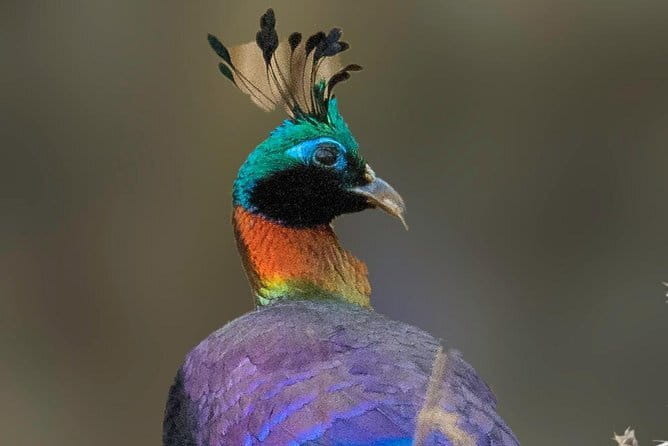
The first serious birding morning starts at 5 a.m. You travel to Betuli Dhar Forest, at roughly 2,600 meters, to search for Himalayan Monal, Cheer Pheasant, Koklass Pheasant, and finches.
The forest along the road also offers chances for woodpeckers, tits, warblers, laughing thrushes, and wood pigeons. The planned search lasts until about 10 a.m., after which you return to Munsiyari for breakfast.
This structure makes sense for high-altitude birding. Early hours are often the best time to search for pheasants and small forest birds, while the morning light can also help with photography. The catch is obvious: a 5 a.m. start comes after a long arrival day. You should be comfortable with short nights and cold early hours.
After breakfast, you have about two hours to rest before lunch. The afternoon session moves to Nanda Devi Temple, where the target list includes finches, accentors, Fire-fronted Serin, Eastern Goldfinch, and Golden Bush Robin.
A temple area may seem less dramatic than a remote forest, but open ground, shrubs, and nearby trees can produce species that stay hidden in denser cover. This second session also gives you a less strenuous way to keep birding after the early forest outing.
Day 3: Sarmoli village and the Betuli Bend
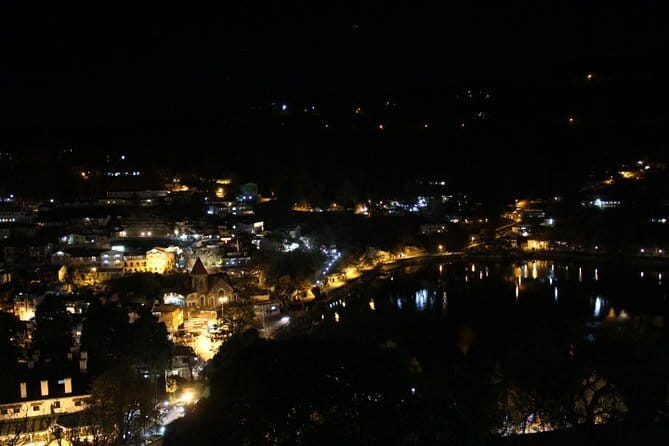
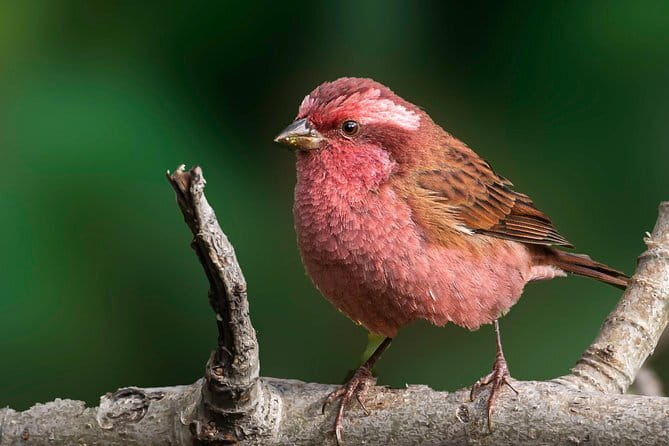
Day 3 begins with a trip to Sarmoli village. The morning targets include finches, Scimitar Babblers, Wren Babblers, Bar-throated Siva, yuhinas, and thrushes.
Sarmoli adds a village setting to the program. That matters because Himalayan birds do not stay inside formal forest areas. Orchards, paths, scrub, and village edges can offer different feeding grounds and better views of smaller birds.
You return to Munsiyari for breakfast and lunch, then head out again in the afternoon toward Betuli Bend. This session is aimed at Grossbeaks, Steppe Eagle, and Bearded Vulture.
The afternoon targets are quite different from the morning list. Instead of concentrating only on small woodland birds, you may spend time scanning open slopes and the sky. Bring patience for distant sightings. Large raptors can appear impressive even when they remain far from the road, while a Grossbeak may require careful searching among vegetation.
Same place, a different set of birds:
- From Delhi: 5 Day Golden Triangle, Safari, & Bird Sanctuary
★ 4.4 · 15 reviews - Sultanpur The wonder of Birding from Delhi
★ 5.0 · 13 reviews - Kalapathar Sunrise, Birdwatching and Village Tour
★ 5.0 · 9 reviews - Birding & Bird Photography tour in Bangalore
★ 5.0 · 8 reviews
Day 4: Khaliya Top and the Satyr Tragopan search
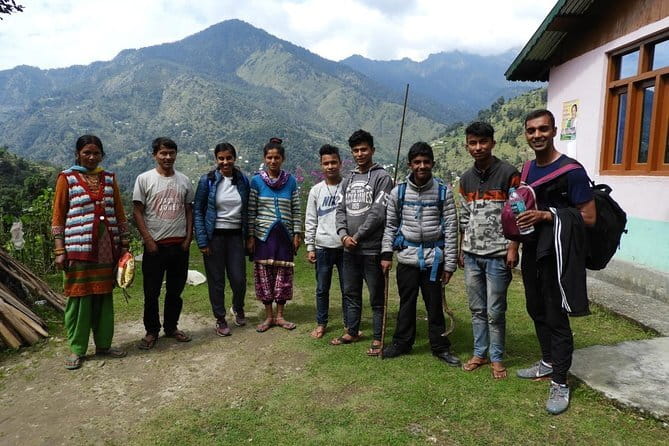
Day 4 is the trip’s most demanding birding outing. You leave early with a packed breakfast and walk uphill for about an hour toward Khaliya Top, mainly to search for Satyr Tragopan.
The trek is not described as a major expedition, but it is still an uphill walk at altitude. You should be ready for uneven ground, changing weather, and a slow pace with frequent stops. The goal is to reach habitat favored by the tragopan, not simply to reach a viewpoint as quickly as possible.
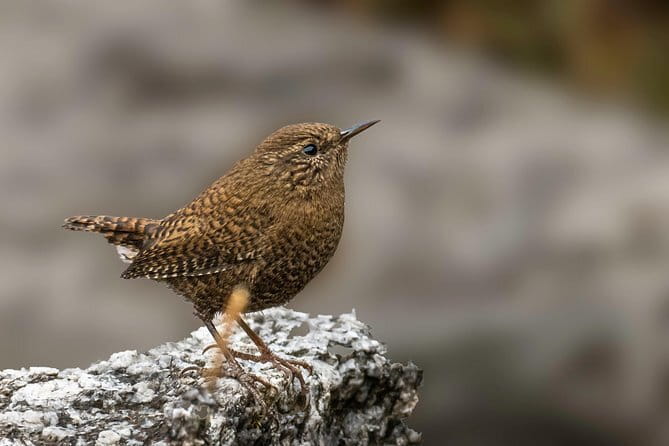
Khaliya Top also offers chances for Winter Wren, woodpeckers, babblers, Wren Babblers, and Spotted Laughing Thrush. This wider list is important. If the tragopan stays hidden, the walk can still produce worthwhile birds.
You return to Munsiyari for lunch, then head back toward Betuli Dhar for another high-altitude birding session. That second outing makes Day 4 a long one, so you should not plan a late-night activity afterward.
Satyr Tragopan is one of the tour’s headline species, but you should think of it as a carefully planned possibility rather than a promise. The habitat choice is sensible, yet the bird may remain concealed. Good birding often means being in the right place and accepting that the forest makes the final decision.
Day 5: Lower elevations around Madkote
Day 5 changes the pattern with early morning birding at Madkote until about 11 a.m. The aim is to find birds associated with water or lower elevations during winter.
Possible species include Chestnut-headed Tesia, laughing thrushes, warblers, and Maroon Oriole. This is a useful contrast with the pheasant searches around Betuli Dhar and Khaliya Top. By moving lower, the tour gives you another chance at species that may not appear in the colder high forest.
You return to the resort for breakfast, then lunch, followed by another session along College Road. This final local outing is intended to pick up species missed earlier.
The day is less focused on one famous target, which may make it feel calmer. It also gives you a chance to concentrate on photographs and identification instead of rushing from one major site to the next.
Day 6: Final photos, then the return to Kathgodam
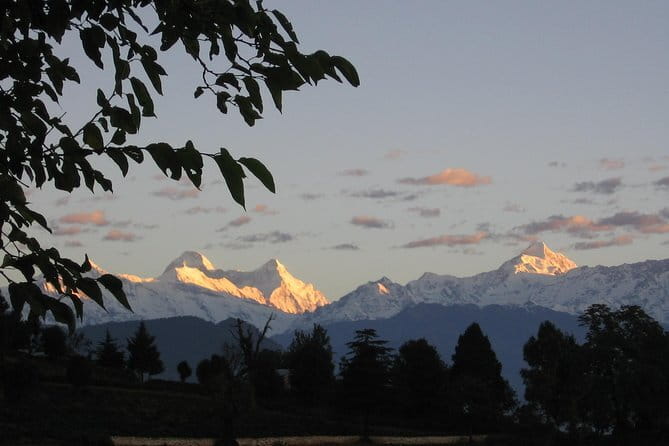
The final morning takes you back to Nanda Devi Temple. The focus is on getting better photographs of rosefinches, accentors, Fire-fronted Serin, and goldfinches.
This is a smart closing session because familiar ground can be valuable. After several days of learning where birds feed and perch, you may notice more than you did on the first visit. It also offers a final chance for a species you only glimpsed earlier.
After breakfast, you begin the return drive to Kathgodam. The journey is listed at about 12 hours and is timed for an overnight train to Delhi. You should plan your onward rail connection carefully and allow for road delays, since mountain travel can take longer than the timetable suggests.
The guiding and personal attention
The strongest practical feature is the private format. Only your group participates, which matters when you are photographing birds or waiting quietly for a pheasant. You can also avoid the frustrations of a large group moving on before everyone has finished with a sighting.
Sachin Pushkarna is associated with the arrangements and has been praised for detailed planning, reliable vehicles, pickup and drop-off coordination, and personal attention. He has also led birding trips in Uttarakhand and has been described as someone who makes the travel process feel manageable when you are far from home.
That does not remove the need to ask questions before booking. Confirm who will guide your particular departure, what equipment is supplied, what meals and accommodation are included, and how the private group schedule works. The available details give a clear birding plan, but they do not spell out every inclusion.
Is $1,800.32 a fair price?
At $1,800.32 per person, this is an expensive specialist trip. The price can make sense if it covers the long private transfer from Kathgodam, six days of local transport, accommodation, meals, and expert birding support. Those details are not fully itemized, so you should request a clear breakdown before paying.
The value comes from access and planning rather than luxury sightseeing. You are reaching a remote Himalayan birding area, visiting several carefully selected sites, and avoiding the hassle of arranging vehicles and daily routes yourself. A private tour can also be good value for a small group that would otherwise need to organize transport, lodging, and local guidance separately.
Group discounts may improve the price for several people booking together. The mobile ticket is convenient, but it does not tell you what is included. Ask about hotel category, meal coverage, transport type, guide fees, and any extra charges for permits or activities.
Who should book this trip?
I would recommend it most strongly to birders who already enjoy long days in the field and who have a particular interest in Himalayan species. It suits photographers, serious birdwatchers, and small private groups that want personal attention.
It can also suit a committed beginner, provided you accept the early starts and the possibility of missed targets. The range of commoner birds, forest species, and mountain scenery gives you plenty to watch while you learn.
I would not choose it for a casual holiday in Uttarakhand. The first and last road journeys are long, several mornings begin before sunrise, and the Khaliya Top outing requires an uphill walk. If you want slow sightseeing, shopping, or a flexible sleep-in schedule, this program will feel demanding.
Weather is another practical factor. The tour requires suitable conditions, and poor weather can lead to a changed date or a full refund. If you cancel, a full refund is available when you cancel at least six full days before the start time. Cancellations two to six days ahead receive 50 percent, while cancellations less than two days before departure are not refunded.
Should you book the Munsiyari birding tour?
Book it if Satyr Tragopan, Monal, Cheer Pheasant, Koklass Pheasant, rosefinches, and other Himalayan birds matter more to you than comfort and free time. The route covers several habitats, the private format is useful for photography, and the planning appears suited to people who want to spend most of the day looking for birds.
Before booking, get the inclusions in writing and confirm the guide, vehicle, accommodation, meals, and group size. If those details match your needs, this is a serious birding journey with a strong target list and a genuine sense of place. If you are unsure about long mountain drives or pre-dawn starts, choose a shorter Uttarakhand birding trip instead.
FAQ
Where does the Munsiyari birding tour start?
The tour starts at Kathgodam station in Haldwani, Uttarakhand. Pickup is scheduled for early morning on Day 1.
Where does the tour finish?
The activity ends back at the Kathgodam meeting point. On Day 6, the return drive is planned for an overnight train to Delhi.
How long is the tour?
The tour lasts approximately six days and five nights. The final return drive to Kathgodam is listed at about 12 hours.
What birds might I see?
Target species include Satyr Tragopan, Himalayan Monal, Cheer Pheasant, Koklass Pheasant, Speckled Wood Pigeon, Golden Bush Robin, Fire-fronted Serin, rosefinches, accentors, laughing thrushes, finches, and several other Himalayan birds.
Is there any trekking?
Yes. The Khaliya Top outing requires an uphill trek of about one hour. The area is used to search for Satyr Tragopan and other forest birds.
Is this a private tour?
Yes. Only your group participates in the activity. Group discounts are also available.
What happens if bad weather cancels the tour?
If poor weather causes the tour to be canceled, you are offered a different date or a full refund. The tour also requires a minimum number of participants, and a similar choice is offered if that minimum is not reached.
Just added around India
- Sultanpur Birding Escapade★ 5.0 · 2 reviews
- Sultanpur Bird Sanctuary Tour Near Delhi★ 5.0 · 3 reviews
- Bird Sanctuary, Bharatpur & Taj Mahal, Agra Day Tour from Delhi★ 4.5 · 4 reviews
- Bharatpur Birding adventure from Delhi★ 5.0 · 2 reviews
- 2 Days Agra Tour From Delhi with Fatehpur Sikri & bird Sanctuary★ 5.0 · 2 reviews
- Bird Watching at Nandur Madhyameshwar Wildlife Sanctuary Nashik★ 5.0 · 2 reviews
- Thattekad Guided Bird Walk.★ 5.0 · 5 reviews
- Village Walking Tour and Bird Watching★ 5.0 · 5 reviews
India Birdwatching Tours, compared.
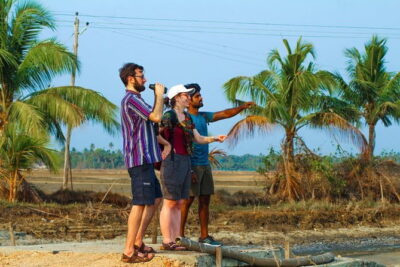
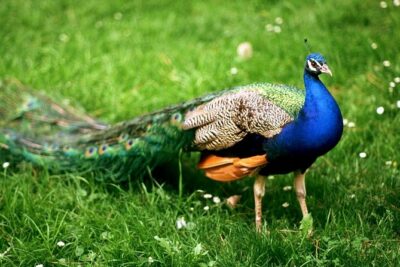
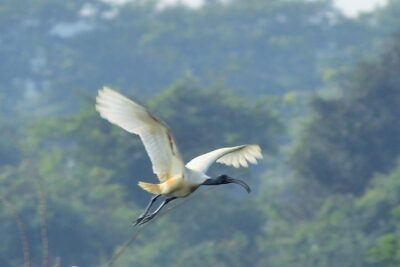
Chennai, Guided Birding And Birding Photo Trip With Spot Scope, 2 to 3 Hours
Read our review →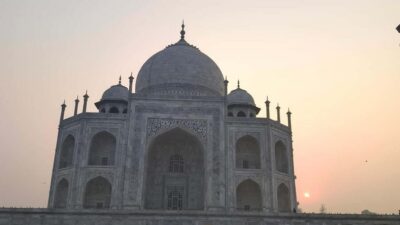
From Delhi: 5 Day Golden Triangle, Safari, & Bird Sanctuary
Read our review →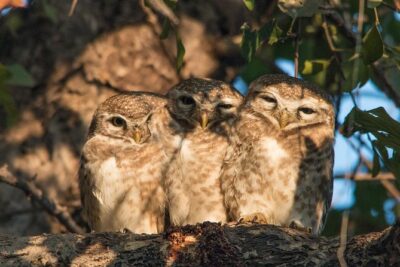
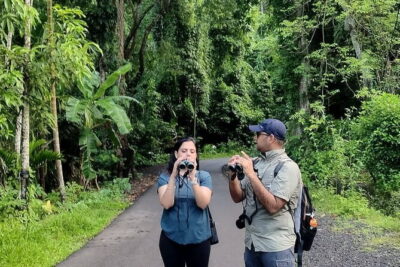
Kalapathar Sunrise, Birdwatching and Village Tour
Read our review →
7 Day Golden Triangle Tour with Wildlife-Taj Mahal Tigers & Birds
Read our review →Browse the lists this tour appears in