
REVIEW · HISTORICAL TOURS
15-Day Bird Watching and Cultural Tour in Bhutan
Rare birds come with remarkable scenery. This 15-day Bhutan tour links Paro, Punakha, Trongsa, Royal Manas National Park, Bumthang, and eastern Bhutan, giving you a serious birding trip with Buddhist culture, mountain roads, monasteries, and village life along the way. I especially like the chance to search for Blood Pheasant and Himalayan Monal at high elevations, then look for hornbills, trogons, and herons in warmer forests below. The included Bumthang to Paro flight also saves you a long return journey by road.
I also like the tour’s variety. You are not parked in one valley waiting for a single famous species. You move through rivers, alpine scrub, rhododendron forest, bamboo, broad-leafed woodland, and subtropical forest. The main drawback is the pace: long drives, early starts, steep roads, and repeated high passes demand a moderate level of fitness and a good tolerance for winding mountain travel.
Key points to know before booking
- A full east-west Bhutan crossing: The route reaches Paro, Thimphu, Punakha, Phobjikha, Trongsa, Royal Manas, Bumthang, Yongkola, and other remote areas.
- High-altitude birding at 3,780 metres: Chele La and Thrimshingla Pass offer chances for Blood Pheasant, Himalayan Monal, rosefinches, and other mountain species.
- Rare lowland wildlife: Royal Manas and the Tingtibi region bring different possibilities, including Great Hornbill, Golden Langur, and the critically endangered White-bellied Heron.
- Culture is built into the route: Punakha Dzong, Gangtey Goenba, Tharpaling Monastery, Paro Dzong, Chendebji Chorten, and prayer-flagged bridges are part of the journey.
- Good inclusions for the price: Bhutan visa fees, park and museum entry, 14 breakfasts, 14 lunches, 14 dinners, and the domestic flight are included.
- This is a private tour: Your own group takes part, with pickup offered and group discounts available.
Why this Bhutan route works for birders
The clever part of this trip is the change in altitude and habitat. Bhutan’s mountain roads may be slow, but they let you move from glacial riverbeds to alpine meadows, then down into warm forests where entirely different birds appear.
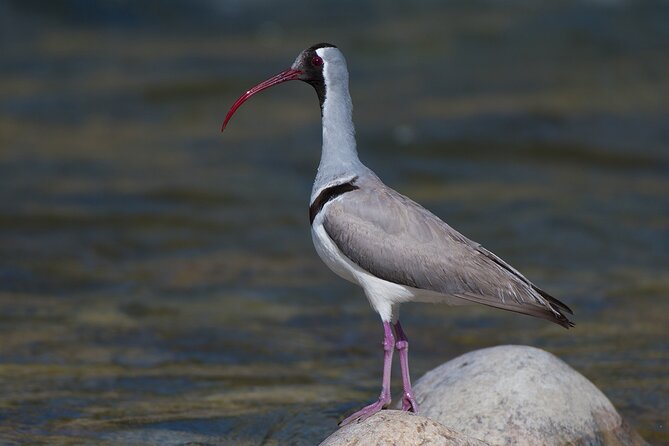
You might spend a morning looking over the Pa Chhu River for Ibisbill, Brown Dipper, and water redstarts. Days later, you could be scanning bamboo forest for a Great Hornbill or listening for a trogon in the trees around Tingtibi. The stated goal is more than 350 native bird species, but sightings are never guaranteed. Birds move, weather changes, and some target species are rare for good reason.
The tour is especially appealing if you enjoy birding by habitat rather than simply collecting famous names. The route includes quiet roads, roadside stops, forest walks, river edges, mountain passes, and night wildlife searches. Guides such as Chubzang, Sonam, Namgay, and Pema have been praised for careful organization, bird identification, and support on difficult roads. Your exact guiding team should be confirmed before booking.
More History Tours in the world:
- Day Trip From Addis Ababa See Historical Monastery,Stunning Nature,Animals,Birds
★ 5.0 · 303 reviews - Historic Arles & the beaches and Pink Flamingoes of the Camargue
★ 5.0 · 5 reviews - Bird watching tours , cultural and historical tours of Ghana.
★ 4.0 · 4 reviews
Days 1 and 2: Paro River and Chele La
Your first morning begins at Paro, where you meet the local guide and driver. The opening birding session follows the Pa Chhu River. This is a sensible introduction because the river stones can hide Ibisbill, one of Bhutan’s signature birds, while the surrounding area may produce Brown Dipper, sandpipers, wagtails, Wallcreeper in winter, and Himalayan Buzzard.
The four-hour river session also lets you adjust to Bhutan’s altitude before the tour reaches higher ground. Migration can add an element of surprise, with birds passing through valleys that act as routes between regions. You may even find a species not previously recorded in Bhutan, though that possibility should be treated as a bonus rather than a promise.
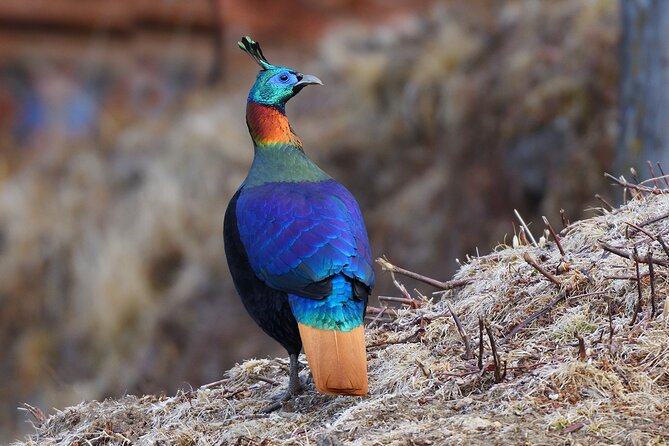
Day two heads to Chele La at 3,780 metres, the highest point on the trip. The road passes through old high forests before reaching alpine meadows and low rhododendron scrub. Here you may look for Himalayan Monal, Blood Pheasant, Snow Pigeon, rosefinches, tits, warblers, and Black-throated Thrush.
This is a long day, with about six hours at Chele La followed by travel toward Thimphu. Take warm layers even if Paro feels mild. At this altitude, wind and cloud can change the feel of the day quickly. The road journey is part of the experience, but it can be tiring if you prefer relaxed sightseeing.
Days 3 and 4: Dochu La, Punakha, and Phobjikha
Dochu La is one of the tour’s best combinations of scenery and birding. An early arrival gives you a chance to see Himalayan peaks at dawn, with prayer flags and 108 white chortens adding a strong cultural setting. The mixed forest here may hold Fire-tailed Myzornis, Darjeeling Woodpecker, laughingthrushes, sunbirds, and Olive-backed Pipit.
At the Royal Botanical Park in Lampelri, the bird list changes again. Hill Partridge, Rufous-bellied Woodpecker, Verditer Flycatcher, Scarlet Finch, and Blue-fronted Robin are among the possibilities. The shy Blue-fronted Robin is a good example of the tour’s style: careful searching matters, and not every target will appear on cue.
Punakha Dzong provides a cultural pause after the forest work. Built in 1637, it is one of Bhutan’s most impressive fortresses, set where rivers meet. The following morning, birding near the Punakha Suspension Bridge and Puna Tshang Chhu may produce Pallas’s Fish Eagle, Bar-headed Goose, Ruddy Shelduck, river birds, and Red-wattled Lapwing.
The road then climbs through rhododendron forest toward Lawa La before descending into Phobjikha Valley. Gangtey Goenba, Bhutan’s largest Nyingmapa monastery, gives you a major cultural visit with broad valley views. From November through March, Phobjikha is also the winter home of Black-necked Cranes. If cranes are high on your list, timing matters greatly.
Days 5 and 6: Pele La, Trongsa, and Tingtibi
Pele La brings another high forest session at about 3,350 metres. Himalayan Vultures may circle overhead, while roadside marshes can hold Solitary Snipe. Other targets include laughingthrushes, bush warblers, finches, Red Crossbill, and Brown Bullfinch.
Chendebji Chorten, built in a Nepalese style beside the river, is a brief but worthwhile stop. The route then continues to Trongsa, with a chance to search for Black-tailed Crake near a stream.
Day six follows a quieter forest road toward Tingtibi. This is one of the better days for seeing how Bhutan’s bird habitats change with altitude, dropping from around 2,200 metres toward 700 metres. Mossy waterfalls may hold Spotted Forktail, while mixed forest can produce Blue Whistling Thrush, Green-billed Malkoha, Red-headed Trogon, kingfishers, flycatchers, laughingthrushes, and Emerald Dove.
The Tingtibi area also offers a chance to see Golden Langurs along roadside forest. That adds welcome variety for anyone who enjoys mammals as well as birds. Expect about seven hours of focused activity, with plenty of roadside scanning rather than formal walking trails.
A few more birding trips around the world worth a look
- Penguin Parade, & Wildlife Encounters Eco Tour from Melbourne
★ 5.0 · 3,774 reviews - Cape Town: Cape of Good Hope & Penguins Day Tour with Pickup
★ 4.7 · 3,362 reviews - Cape Point and Boulder’s Penguins Full Day Tour
★ 5.0 · 3,118 reviews - Cape of Good Hope & Boulder Penguins Full-Day Tour from Cape Town
★ 5.0 · 2,347 reviews
Days 7 and 8: Royal Manas and Zhemgang
Royal Manas National Park is one of the tour’s major wildlife sections. The drive passes through bamboo forest and follows the Mangde Chhu River, where the rare White-bellied Heron is a key target. It is critically endangered, so seeing one is far from certain, but the search gives the day a clear purpose.
Other possibilities include Tawny Fish Owl, Red Junglefowl, White-browed Piculet, Blue-bearded Bee-eater, Blyth’s Paradise Flycatcher, and Great Hornbill. Great Hornbills can sometimes gather in large groups, while the White-hooded Babbler is associated with this area as the only known site in Bhutan mentioned for the species.
The next day targets Beautiful Nuthatch around Zhemgang. This globally vulnerable bird is one of the tour’s headline species. You may also look for Common Green Magpie, Blue-winged Laughingthrush, Small Niltava, barbet species, and sunbirds.
A stop near Bubja, close to cliff faces, offers a chance to search for Yellow-rumped Honeyguide before the route returns toward Trongsa. These are long road days, and you should expect the schedule to feel more like an expedition than a standard sightseeing holiday.
Days 9 and 10: Bumthang, Yotong La, and Thrimshingla
Yotong La rises to about 3,450 metres through forests of rhododendron and magnolia. The bird list includes Steppe Eagle, White-capped Water Redstart, Ultramarine Flycatcher, Fire-breasted Flowerpecker, Brown Parrotbill, and several rosefinches.
Bumthang is an important cultural area, and the trip includes a late visit to Tharpaling Monastery. Himalayan Monals have become accustomed to feeding near the monastery, giving you another opportunity for this brilliantly colored pheasant. That unusual relationship between people and birds is one of the tour’s memorable details, though wild sightings elsewhere remain more rewarding.
From Bumthang, the route climbs to Thrimshingla Pass at 3,780 metres. Forests of larch, fir, spruce, and hemlock create excellent habitat for Blood Pheasant, Satyr Tragopan, Bearded Vulture, and Great Parrotbill.
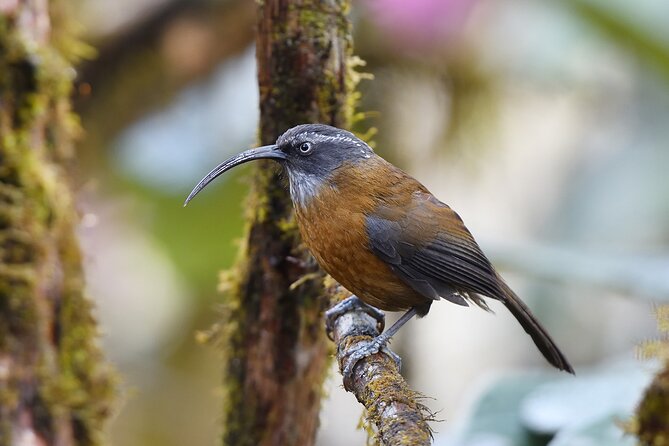
The descent to Sengor brings more specialized species, including Alpine Thrush, Hoary-throated Barwing, Slender-billed Scimitar Babbler, and Bar-winged Wren Babbler. Three nights at Yongkola help reduce the need to pack and move every morning, a welcome change after several demanding road sections.
Days 11 to 13: Yongkola and eastern forest
Yongkola is the longest and most intense birding section, with days of roughly eight hours. The paved road through Thrumshingla National Park sees little traffic, so you can pause for forest sounds and roadside movement without the feel of a busy tourist route.
Possible targets include Chestnut-breasted Partridge, Rufous-necked Hornbill, Gould’s Shortwing, Himalayan Cutia, Sikkim Wedge-billed Babbler, wren babblers, fulvettas, and Coral-billed Scimitar Babbler. This is a good place to trust the guide’s ear. Many forest birds appear first as a call, then vanish before you find them.
Lingmethang drops into warmer broad-leafed forest with old trees and orchids. The bird list changes again, bringing Asian Emerald Cuckoo, Grey-headed Woodpecker, Maroon Oriole, drongos, parrotbills, bulbuls, and Rufous-bellied Niltava.
One evening includes a short night drive for Bhutan Giant Flying Squirrel, a near-threatened mammal. It is a small addition, but it breaks up the birding routine and gives you a reason to stay alert after dark.
Day 13 returns through Ura Valley and Namling. Roadside waterfalls may produce Little Forktail, while higher forest can hold Fire-tailed Myzornis, Gould’s Shortwing, Tickell’s Thrush, Fire-tailed Sunbird, and Black-throated Parrotbill.
Days 14 and 15: Flying back to Paro
The short domestic flight from Bumthang to Paro takes about 25 minutes and is included in the price. It replaces a long road journey and may provide excellent Himalayan views, although flights can be affected by operating conditions.
Back in Paro, you visit Rinpung Dzong, also called Paro Dzong, a five-storey fortress built in 1644. Its painted wooden details and white walls make it one of the trip’s strongest cultural stops. The walk down to the Paro Chhu and across the Nyamai Zam bridge, covered with prayer flags, is an easy way to finish the cultural side of the tour.
A final forest session along the Chele La road may produce Kalij Pheasant, Long-tailed Shrike, Ashy Drongo, warblers, laughingthrushes, and Maroon Accentor. The last evening includes a farewell dinner, and day 15 brings the tour to an end in Paro.
What the $5,370.38 price really covers
At $5,370.38 per person, this is not a cheap birding holiday. The value comes from the sheer amount of ground covered and the number of services bundled into one price. Bhutan’s visa fee, park and museum entry, the domestic flight, and 14 breakfasts, lunches, and dinners are included.
International flights, travel insurance, personal spending, and costs caused by events outside the operator’s control are not included. Insurance is especially important because the route reaches high elevations and remote areas.
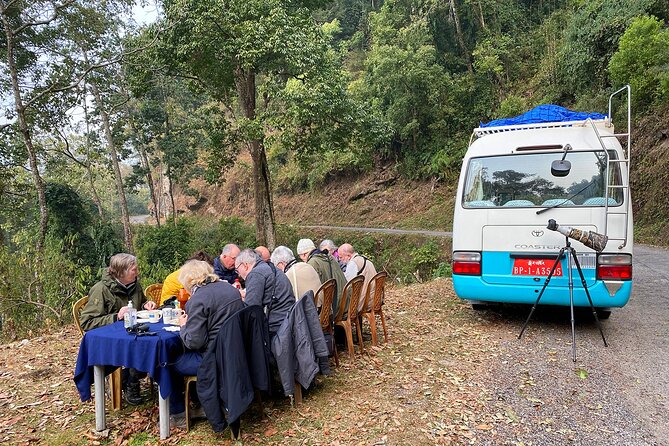
The tour suits a private group that wants one long, carefully organized Bhutan journey. Group discounts may improve the value, but ask how the price changes with group size and what vehicle will be used. A past group of nine used a comfortable Toyota bus, while another comment raised a practical concern about larger groups missing fast-moving birds. For serious birding, a smaller group can make it easier for everyone to hear calls, share scopes, and react quickly.
Who should book this Bhutan tour?
You should consider it if you want rare Himalayan birds, cultural sites, remote roads, and a broad view of Bhutan in one trip. It is also a strong choice for bird photographers, provided you accept that roadside opportunities and quick sightings will sometimes replace long, controlled photo sessions.
You should think twice if you dislike early starts, long drives, steep roads, or changing altitude. The tour is not recommended for anyone with serious high-altitude sickness, and a moderate fitness level is required.
The operator has a perfect recommendation record from the supplied material, with 29 ratings and a five-star overall score. Praise centers on organization, communication, careful drivers, friendly service, and guides who can identify birds by sight and sound. That combination matters here because the roads are demanding and many birds will be heard before they are seen.
FAQ
Is the tour private?
Yes. This is a private tour or activity, and only your group participates.
What is included in the tour price?
The price includes the Bhutan visa fee, the domestic flight from Bumthang to Paro, entrance fees for museums and parks, and 14 breakfasts, 14 lunches, and 14 dinners.
Are international flights included?
No. Flights to and from Bhutan are not included.
What is the highest point reached?
Chele La and Thrimshingla Pass both reach about 3,780 metres.
Is the tour suitable for people with altitude problems?
The tour requires moderate physical fitness and is not recommended for people with serious high-altitude sickness.
Can I cancel for a full refund?
Yes, if you cancel at least 24 hours before the experience start time. Cancellations or changes made less than 24 hours in advance are not accepted for a refund.
Should you book it?
Book this tour if Bhutan’s birds are the main reason you are going, but you also want monasteries, dzongs, mountain passes, rivers, and village scenery. The strongest reason to choose it is the habitat range, from Ibisbill country near Paro to hornbill forest in the east.
Skip it if you want a slow cultural holiday with little time in the vehicle. For the right person, though, the long roads are the price of reaching Bhutan’s best bird country, and the combination of rare species, local guides, and serious cultural stops makes this a substantial trip rather than a quick birding add-on.
Just added around the world
- Full Tour to Brazilian Falls + Bird Park !★ 4.5 · 38 reviews
- 1000 Little Penguins Cruise★ 5.0 · 3 reviews
- Birdwatching Private Tour at Fascinating Salgados Lagoon★ 5.0 · 6 reviews
- SIerra Madre Highland bird and Tuito★ 5.0 · 26 reviews
- Private Birdwatching from Porto★ 5.0 · 33 reviews
- Port Elizabeth Adventure: Tuk-Tuk, Penguins, & Cape Recife★ 4.5 · 9 reviews
- Skadar Lake National Park: Birdwatching & Photography Tour★ 4.5 · 6 reviews
- Pittsburgh Penguins Ice Hockey Game Ticket at PPG Paints Arena★ 4.0 · 3 reviews
Historical Tours, compared.
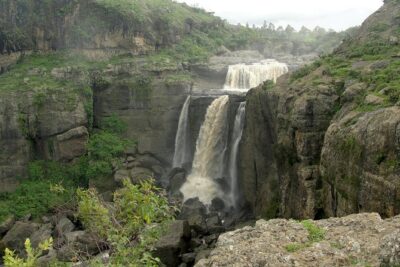
Day Trip From Addis Ababa See Historical Monastery,Stunning Nature,Animals,Birds
Read our review →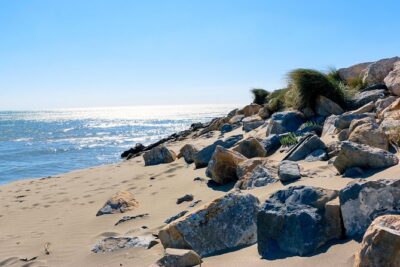
Historic Arles & the beaches and Pink Flamingoes of the Camargue
Read our review →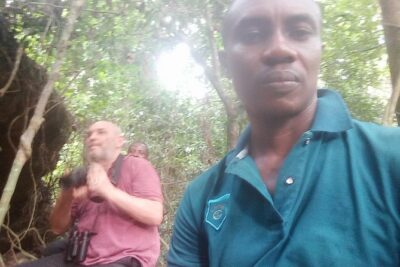
Bird watching tours , cultural and historical tours of Ghana.
Read our review →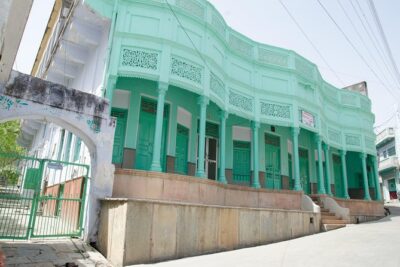
Sambhar Tour – temples, salt lake, bird watching, heritage walk
Read our review →Browse the lists this tour appears in