
REVIEW · WETLAND & LAGOON BIRDING
Spanish Lagoon Mangrove Trail & Bird Watching
Aruba has a quieter side. This morning hike follows the Spanish Lagoon through mangroves, old bridges, aloe farms, archaeological sites, and the Balashi gold mill ruins. I like the mix of nature and local history, especially the chance to spot the burrowing owl known as the Shoco. I also like the small-group format, with no more than 10 people and a guide who can adjust the pace.
The main drawback is that this is a real hike, not a gentle stroll. One child needed occasional piggyback rides, and another review stresses comfortable clothing, bug spray, and binoculars. At $90 per person, the value depends on how much you want a guide, transportation, and the historical storytelling. If you only want a quick photo stop, it is probably too much. If you want a close look at an overlooked part of Aruba, it makes good sense.
Key points at a glance
- Start early at 7:30 a.m. in Pos Chiquito: The early hour gives you cooler conditions and a better chance of hearing and seeing birds.
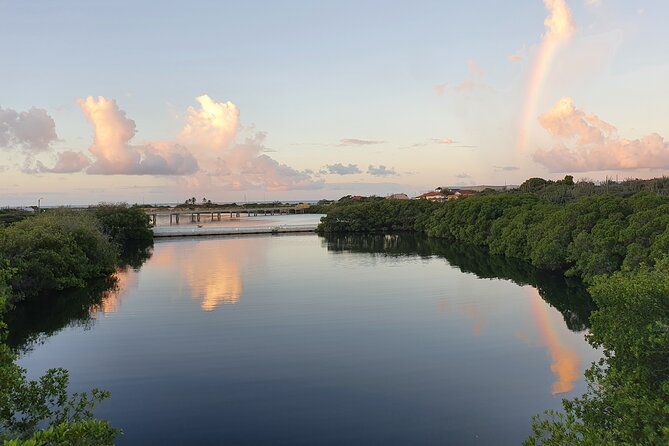
- Follow the Spanish Lagoon mangrove trail: The hike includes the old bridge, the new bridge, mangrove paths, and views toward the lagoon’s beginning.
- Look for shell middens from 1465 BC: These archaeological remains add an unusual human story to the walk.
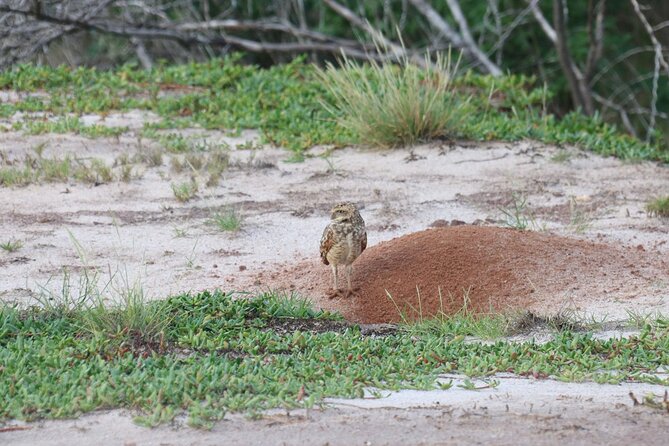
- Keep an eye out for the Shoco: Aruba’s burrowing owl is associated with local nests, and early morning is a sensible time for bird watching.
- Visit Balashi’s gold smelter ruins: The old industrial site comes with stories about the nearby Frenchman’s Pass.
- Consider the lunch upgrade: Ricardo’s Restaurant & Bar offers an optional meal with views over Eagle Beach.
Why this short morning tour is different
Aruba is often sold through beaches, water sports, and desert scenery. The Spanish Lagoon offers another view of the island. Here, the pace is slower and the setting is quieter. You walk beside mangroves, pause for birds, and listen to stories about people who used the area long before modern Aruba took shape.
The combination is what gives this tour its value. You are not simply walking through trees. You are moving through several layers of the island’s past: archaeological remains, an old aloe-growing area, a gold-processing site, and local legends tied to Frenchman’s Pass.
The experience lasts about two to three hours, so it fits neatly into a morning. That also means you are not giving up a full day at the beach. The early start is practical in Aruba’s heat, though you will need to be ready to get moving rather than ease into the day.
The tour is described as private, and the maximum group size is 10. That is a useful middle ground. You get more personal attention than on a large bus excursion, but the experience may still include other people unless your booking confirms a fully private departure.
More Wetland and Lagoon Birding in the world:
- Faro: Eco-Friendly Ria Formosa Bird Watching in Solar Boat
★ 4.7 · 359 reviews - Faro: Ria Formosa Natural Park Segway Tour & Birdwatching
★ 4.9 · 180 reviews - Ria Formosa Natural Park Birdwatching Segway Tour from Faro
★ 5.0 · 164 reviews
Starting at TeleAruba in Pos Chiquito
The meeting point is by TeleAruba, the local television sender, in Pos Chiquito. The stated start time is 7:30 a.m., and pickup is offered, so check the pickup details when you book. If you meet at TeleAruba, arrive ready for the trail rather than expecting a long orientation at the roadside.
The first section lasts about 30 minutes. From Pos Chiquito, you begin walking along the Spanish Lagoon and go up to the old bridge. From there, you get a view toward the beginning of the lagoon. This opening section helps you understand the shape of the area before the route turns more fully into the mangroves.
I like this start because it gives the guide room to explain the setting before the trail becomes more enclosed. You are not rushed straight into a thicket. You first see how the lagoon, bridge, and nearby paths fit together.
Bring water, even though water and fruit are included. A small amount of food is useful, but it does not replace breakfast if you need a substantial meal before hiking. Since the tour begins early, eating beforehand may be wise.
Walking the Spanish Lagoon mangrove trail
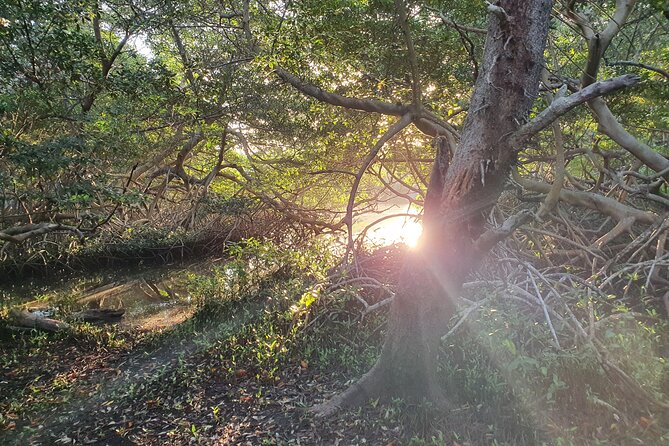
The main portion takes about an hour and a half. After passing under the new bridge, you continue along the Spanish Lagoon mangrove trail. This is the heart of the experience and the part most likely to appeal to anyone who prefers a quiet walk over a standard sightseeing loop.
Mangroves make good bird habitat, and the tour is built around watching and listening. You may see or hear several early morning birds, with the Shoco, Aruba’s burrowing owl, as the prize sighting. The tour specifically includes a chance to look for the owl at its nesting areas, but no wildlife sighting can be promised. That uncertainty is part of bird watching, so bring patience rather than expecting a guaranteed photograph.
A pair of binoculars can help. One review specifically recommends bringing them if you have them. The route is also better with a hat, comfortable clothing, closed shoes, sunscreen, and bug spray. The advice about bug spray matters: mangrove areas can be more irritating than an open beach, especially when you stop and stand still for birds.
The guide’s role is important here. A good guide can point out sounds, explain what you are seeing, and keep the walk from becoming a silent march along a muddy path. Jorge received especially strong praise for making the morning enjoyable, and Rambo was noted for helping with the physical demands of the hike and sharing local information.
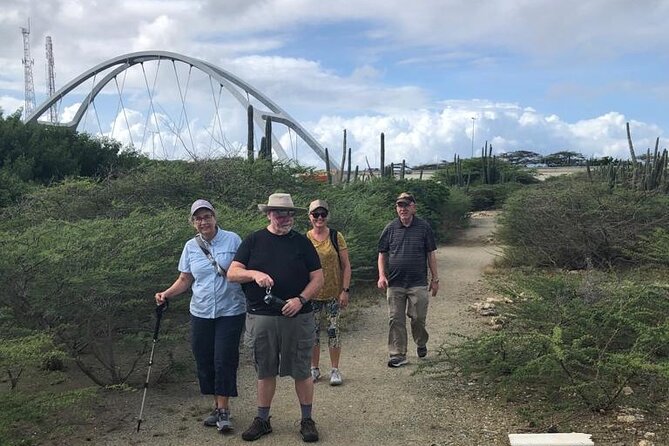
The path should not be treated as a flat boardwalk stroll. One family managed it with children aged six and eight, but the younger child became tired and needed occasional help. That gives you a useful measure of the difficulty. Most people can participate, but young children may need breaks, and adults should be comfortable walking for a sustained period.
Shell middens and Aruba before modern tourism
One of the most unusual details on the route is the presence of shell middens dating to about 1465 BC. A shell midden is a deposit of discarded shells and other food remains. It may sound modest beside a famous monument, but these sites offer a direct clue about how earlier people used the coast and lagoon.
This is where a guide adds real value. Without explanation, shells on the ground can look like ordinary beach debris. With context, they become evidence of people gathering food and living in the area thousands of years ago.
The date also changes your sense of Aruba. The island is not only a resort destination built around recent tourism. The Spanish Lagoon connects you with human activity reaching far back into the past. I would pay close attention during this part of the walk, because the archaeological details may be easy to miss if you are focused only on birds and photographs.
The route also passes one of the oldest aloe farms near the top of the trail. Aloe is strongly linked with Aruba, and this stop adds an agricultural note to the walk. It shows another way people used the island’s dry conditions and native plants.
A few more birding trips around the world worth a look
- Penguin Parade, & Wildlife Encounters Eco Tour from Melbourne
★ 5.0 · 3,774 reviews - Cape Town: Cape of Good Hope & Penguins Day Tour with Pickup
★ 4.7 · 3,362 reviews - Cape Point and Boulder’s Penguins Full Day Tour
★ 5.0 · 3,118 reviews - Cape of Good Hope & Boulder Penguins Full-Day Tour from Cape Town
★ 5.0 · 2,347 reviews
Looking for the Shoco at the nesting areas
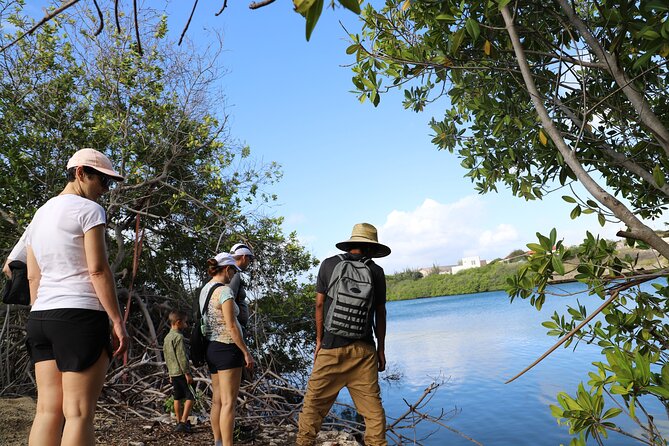
The burrowing owl is one of the signature reasons to choose this tour. In Aruba, the bird is known as the Shoco, and the route includes a chance to look for it at the Shoco nests.
You should set your expectations properly. The tour offers an opportunity, not a wildlife guarantee. Birds may be hidden, quiet, or away from the nesting area. Still, the early start works in your favor, and the calm setting gives you a better shot than a rushed afternoon visit.
This is also where binoculars become useful. A small bird at a distance may be hard to see with the naked eye, and you do not want to leave the trail trying to get closer. Listen to the guide and keep a respectful distance from nesting areas.
The bird watching is not a separate, polished wildlife show. It is folded into the walk. That makes it more natural, but it also means you need to enjoy the process even if the Shoco stays out of sight. If your main goal is guaranteed owl photography, this may not satisfy you. If you enjoy the search, it is a strong feature.
Balashi Gold Mill Ruins and the Frenchman’s Pass story
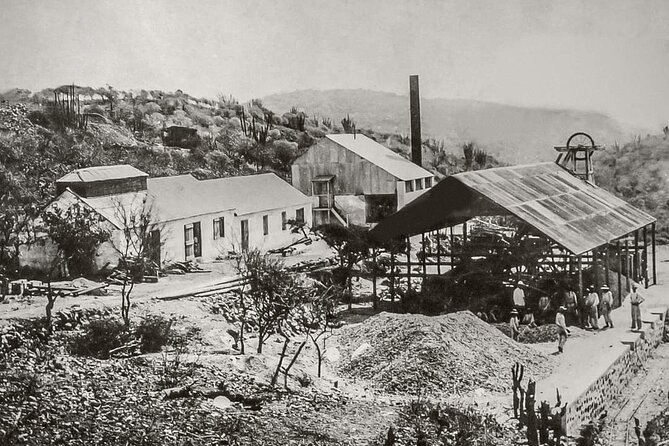
The final listed stop is the Old Balashi Gold Smelter Ruins, reached after the mangrove portion. You spend about 30 minutes here, near the old Frenchman’s Pass.
The ruins give the tour a change of mood. After the quiet trail and bird watching, you move into an old industrial site. The remains point to Aruba’s gold-processing period and show how the island’s natural resources shaped local work and settlement.
The guide also tells the story of the haunted Frenchman’s Pass. The pass is next to the headwaters, and the tale is part of the stop’s appeal. I would not book this tour solely for a ghost story, but it adds character and helps the ruins feel like more than a few old walls.
This section is likely to interest you if you enjoy places where natural scenery and working history meet. It is less attractive if you want a polished museum or a fully restored monument. The appeal comes from the setting, the remains, and the explanation, not from a large collection of exhibits.
Optional lunch at Ricardo’s overlooking Eagle Beach
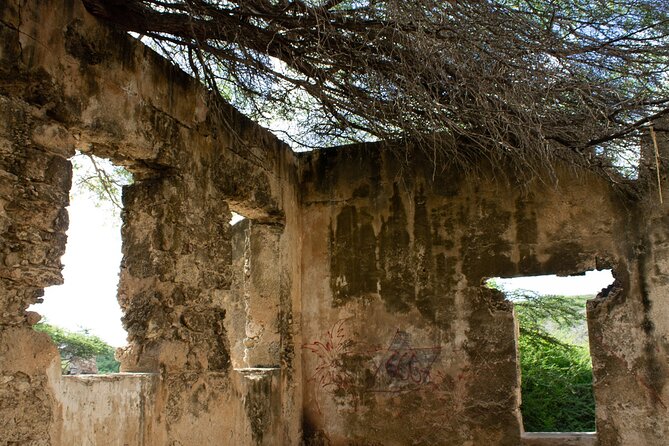
An optional lunch is available at Ricardo’s Restaurant & Bar, with views over Eagle Beach. This is not included in the base price, so you should treat it as an add-on rather than part of the standard two to three hour outing.
The lunch option makes practical sense if you want to continue your day without finding another restaurant. It also gives the morning a pleasant finish, shifting from a trail and ruins to an ocean view. If you already have beach plans or a favorite restaurant, you may prefer to skip it.
The key question is how much time you want the tour to occupy. The hike itself is fairly compact. Adding lunch makes it a fuller half-day plan and may be convenient after an early start. Ask for the exact added cost and timing before booking, since those details are not provided here.
Is $90 a fair price?
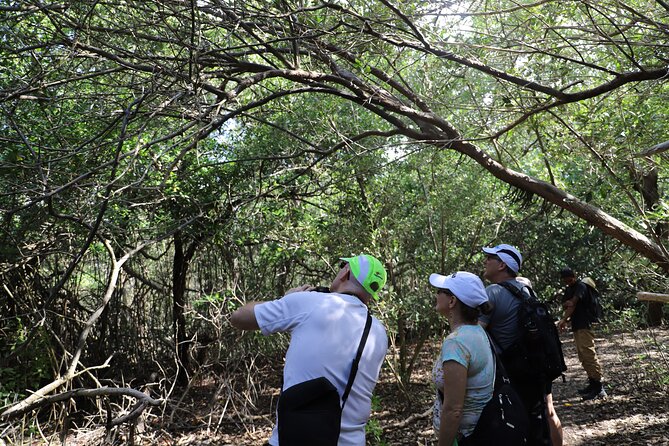
The listed cost is $90 per person. That is not a bargain for a short walk, but the price covers more than access to a public trail. You are paying for a guide, water and fruit, a small group capped at 10 people, and pickup availability. The guide’s interpretation is especially important because the archaeological sites, owl nests, aloe farm, and gold ruins are easy to pass without context.
The value is strongest for you if you would otherwise need to arrange transportation and research the route yourself. It is also stronger if you care about the stories and want help spotting birds. A self-guided walk could cost less, but it would not necessarily give you the same understanding of the shell middens or Frenchman’s Pass.
The value is weaker if you dislike guided walking, have limited stamina, or mainly want a guaranteed owl sighting. The price also does not include lunch or gratuity. Tips are not included, so plan for that separately if the guide gives you good service.
The tour is often reserved well ahead of time, with an average booking lead time of 44 days. That suggests you should not leave it until the last morning of a busy Aruba trip, especially if your dates are fixed.
Who should book this Aruba hike?
I would recommend it to:
- Bird watchers who enjoy searching rather than expecting guaranteed sightings
- Families with older children who can manage a sustained walk, with the understanding that younger children may tire
- History-minded visitors who want archaeology and old industrial sites, not only beaches
- Nature lovers who prefer mangroves and quiet paths to busy attractions
- Cruise or resort visitors looking for a compact morning activity
- People who value a guide to connect small details into a larger story
I would be cautious if you want a very easy walk. Comfortable clothes and bug spray are important, and one family needed to carry a tired six-year-old at times. I would also reconsider if your priority is a long beach day, since the early start and optional lunch can stretch the morning.
The tour is listed as suitable for most people, and service animals are allowed. Still, the physical side should guide your decision more than the general participation note. A two to three hour trail walk is manageable for many people, but it is not the same as a paved sightseeing stop.
What to bring for a better morning
Pack lightly, but do not arrive unprepared. I would bring:
- Comfortable walking clothes
- Sturdy, comfortable footwear
- Bug spray
- Sunscreen and a hat
- Binoculars, if you own them
- Extra water, even though water is supplied
- A small camera or phone for birds, bridges, and ruins
The early start helps with the heat, but Aruba remains sunny. Water and fruit are included, yet you may want a proper breakfast before meeting the guide. Keep your hands free for walking and bird watching rather than carrying a large beach bag.
Should you book Spanish Lagoon Mangrove Trail and Bird Watching?
Book it if you want a personal, active morning that shows you a less obvious side of Aruba. The strongest reasons are the quiet mangrove walk, the chance to see the Shoco, the shell middens dating to 1465 BC, and the Balashi gold ruins. Guides such as Jorge and Rambo appear to add much of the tour’s value through help, humor, and local stories.
Skip it if you want a guaranteed wildlife encounter, a very easy walk, or the cheapest possible way to see Aruba. At $90, the tour earns its price through interpretation and convenience rather than through a major attraction with an entrance gate. For the right visitor, that is a fair trade. For me, the mix of birds, archaeology, aloe, gold ruins, and a small group makes this one of the more distinctive short outings near Oranjestad.
FAQ
Where does the tour start?
The walk starts at the Local TV sender, TeleAruba, in Pos Chiquito. Pickup is offered, so confirm the pickup arrangement when booking.
What time does the tour begin?
The stated start time is 7:30 a.m.
How long does the experience last?
The tour lasts approximately two to three hours. The route includes about 30 minutes in Pos Chiquito, about one hour and 30 minutes on the Spanish Lagoon trail, and about 30 minutes at the Balashi Gold Mill Ruins.
Is lunch included?
No. Water and fruit are included, while lunch at Ricardo’s Restaurant & Bar is an optional upgrade. The restaurant overlooks Eagle Beach.
How large is the group?
The activity has a maximum of 10 people. It is described as a private tour with a personalized experience.
Can I cancel for a full refund?
Yes. You can cancel at least 24 hours before the experience start time for a full refund. Cancellations or changes made less than 24 hours before the start time are not refunded.
Just added around the world
- Puffin Tour★ 5.0 · 4 reviews
- Private Birding Tour in Albania★ 5.0 · 7 reviews
- Vendicari – Sicily’s best coast nature reserve ( Birdwatching & Archeology )★ 5.0 · 8 reviews
- St.Martin – St.Maarten: Small Group, Birding Tour / Bird Watching Tour★ 5.0 · 37 reviews
- Sunset among flamingos in the Ebro Delta★ 5.0 · 4 reviews
- Half-Day Private Bird Tour of Fort De Soto Park in St. Petersburg – 2 person max★ 5.0 · 2 reviews
- Puffin and Wildlife Boat Tour★ 5.0 · 4 reviews
- Jurong Bird Park Bird Photography★ 3.0 · 2 reviews
Wetland & Lagoon Birding, compared.
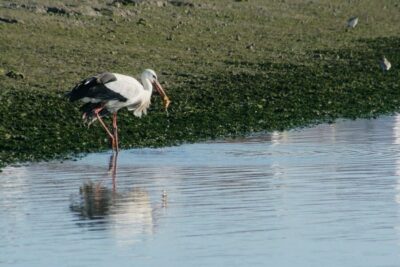
Eco-Friendly Ria Formosa Bird Watching in Solar Boat
Read our review →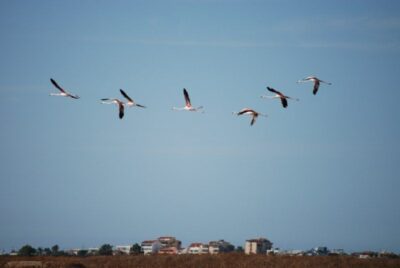
Ria Formosa Natural Park Segway Tour & Birdwatching
Read our review →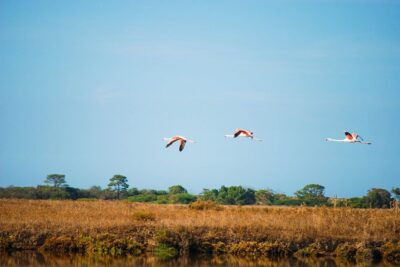
Ria Formosa Natural Park Birdwatching Segway Tour from Faro
Read our review →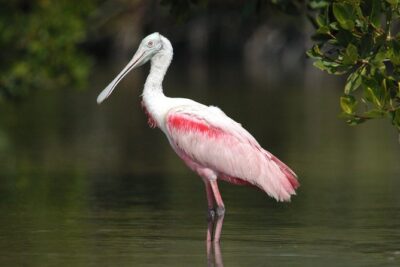
Two-Hour Everglades Dolphin, Manatee and Birding Boat Tour
Read our review →
Tagus Estuary Nature Reserve Birdwatching Boat Tour
Read our review →
Wetlands Safari Eco-Cruise in Cape May (Osprey Birding By Boat)
Read our review →
Everglades Birding, Dolphin and Wildlife Boat Tour (2 hours)
Read our review →
Desembocada and Ameca River Bird Paradise (Wetland and Tropical birds in PV)
Read our review →Browse the lists this tour appears in