
REVIEW · USA BIRDWATCHING TOURS
Great Salt Lake Birding and Nature Adventure
The lake is the star of this half-day outing. Pitta Nature Tours pairs the Great Salt Lake with Antelope Island, where birds share the view with bison and pronghorn, and Farmington Bay, a productive stop for waterfowl and shorebirds. I like the private transportation and the supplied spotting scope, which brings distant wildlife much closer. I also like the flexible seasonal focus, from winter Bald Eagles to summer grebes and rails.
The main drawback is simple: you must bring your own binoculars, camera, and snacks. The water level has been unusually low in recent years, so the causeway may not offer the same watery scene pictured in your imagination. Still, for $179 per person, this is a strong choice if you want expert help finding birds without arranging a rental car or building your own route.
Key points at a glance
- The Great Salt Lake is the main event: Learn about Utah’s enormous inland lake and its place as the largest United States lake outside the Great Lakes.
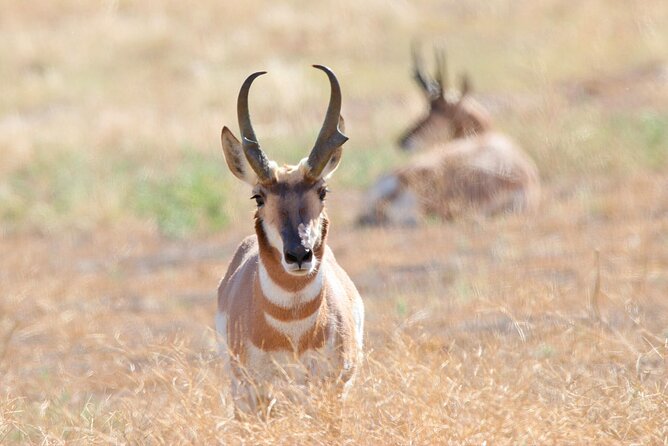
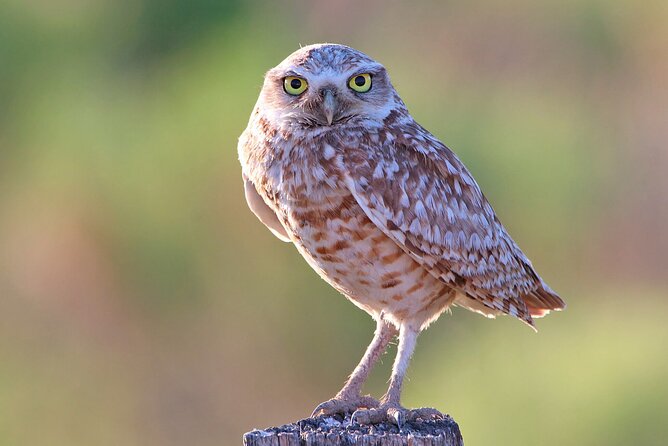
- Antelope Island adds mammals: Look for American Bison, Pronghorn, Coyote, Burrowing Owl, and Great Horned Owl after crossing the causeway.
- Farmington Bay changes the bird list: Its mix of fresh and salt water can produce large numbers of waterfowl, shorebirds, waders, and divers.
- The tour is private: Only your group participates, so the pace and attention are more personal than on a large coach excursion.
- A spotting scope is included: You can view birds and animals 30 to 60 times closer, but binoculars are not provided.
- Season matters: Winter brings Bald Eagles, migration can bring 50 to 60 species in a short period, and summer offers breeding birds such as Western Grebe and Sandhill Crane.
Why this Great Salt Lake outing works
I see this experience as an introduction to the Great Salt Lake rather than a hard-core birding expedition built around a single rare species. That is a good thing for many people. You get a broad look at the lake, its nearby wetlands, and the open country of Antelope Island in about four to six hours.
The private format matters. You are not being moved through a fixed group schedule with dozens of people. Your party has its own vehicle and guide, and the guide can help you spend more time on a promising bird or move on when a viewing spot has gone quiet. That makes the trip useful for both serious birders and first-timers.
The experience is offered in English, and hotel pickup is available. If you do not have a car, that can make the $179 price easier to justify. You are paying not only for transport, but also for local route planning, admission fees, field knowledge, and the chance to spot animals you might otherwise pass by.
The tour has earned strong praise for its guides. Quinn, in particular, has led outings that included both experienced birders and first-timers, and one two-day program with him produced 131 species. Another six-hour outing in March added 22 new species for one participant. Those results will vary with season and conditions, but they show the value of having someone who knows where to look and how to use the time.
A few more birding trips around the USA worth a look
- Birding By Boat on the Osprey
★ 5.0 · 787 reviews - Marco Island 2 hour Dolphin, Birding and Shelling tour
★ 5.0 · 503 reviews - Colorado Springs Hands-On Falconry Class and Demonstration
★ 5.0 · 293 reviews
Crossing the Great Salt Lake causeway
The outing begins with the lake itself, reached by way of the Antelope Island Causeway. This crossing gives you an immediate sense of the size and character of the Great Salt Lake. The lake is the largest remaining part of prehistoric Lake Bonneville, which once covered much of western Utah. It is also the largest lake in the United States that is not one of the Great Lakes.
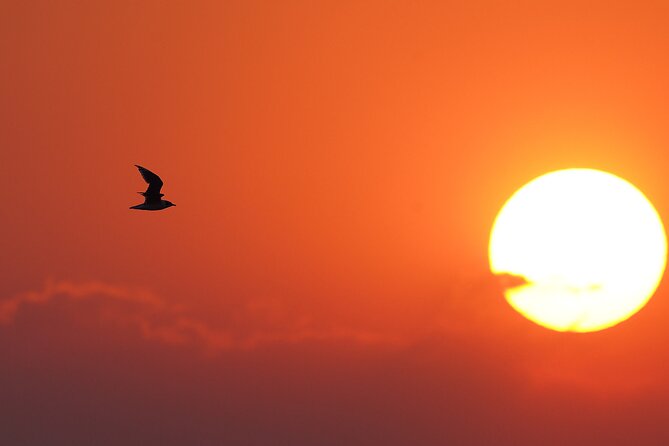
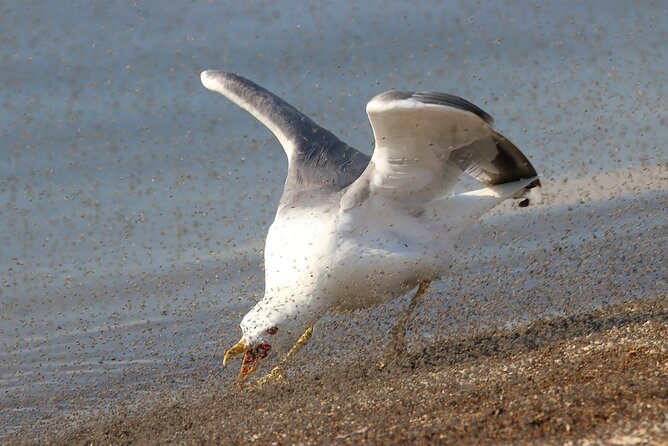
For a birder, the causeway is more than a scenic road. It provides an early chance to scan open water and shoreline habitat before you reach the island. The California Gull is present year-round and is Utah’s state bird. Your guide can explain the unusual story behind that designation, which gives a small birding detail a useful connection to local identity.
Expect roughly three hours devoted to the Great Salt Lake portion of the outing. That does not mean three hours of nonstop bird sightings. You may spend some time driving, stopping, scanning, and adjusting the scope. Birding is patient work, and the lake rewards careful looking more than hurried sightseeing.
One practical point deserves attention: water levels have been record-low in recent years. The causeway remains a worthwhile introduction, but the view may be less watery than you expect. Exposed shoreline can change where birds gather, and conditions can affect the species you find. This is one reason a guide is valuable. You are not simply looking at a broad expanse and guessing where the birds are.
The spotting scope is a real benefit here. Distant gulls, waterfowl, and shorebirds can be hard to study with the naked eye. The provided scope offers views 30 to 60 times closer, though you will need to bring binoculars if you want your own quick scans while the scope is being used.
Antelope Island brings bison into the picture
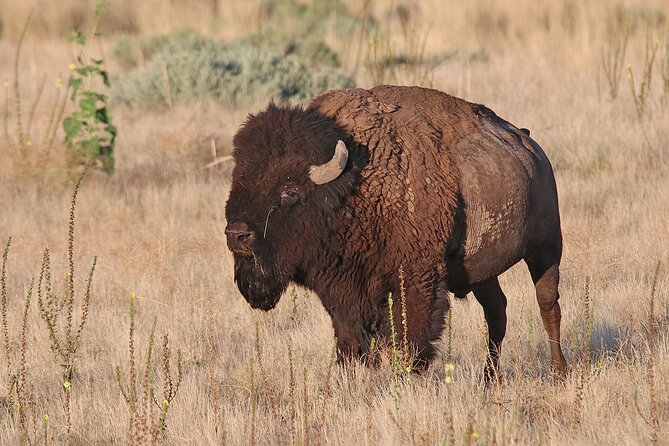
After the causeway, the route continues onto Antelope Island State Park. The island gives the outing a welcome change of pace. Instead of focusing only on water and distant birds, you have a chance to look for large mammals and land birds in the same general area.
American Bison are among the most notable possibilities. Pronghorn and Coyote may also appear, along with Burrowing Owl and Great Horned Owl. Nothing in wildlife viewing is guaranteed, but this mix is what makes the island useful for a group with different interests. One person can scan for an owl while another watches for bison.
The planned time here is about two hours. That is enough to explore at a relaxed pace, but not enough to search every corner of a large park. Your guide will help focus the outing on likely sightings and current conditions. The private setting also helps if your group has mixed energy levels. A first-time bird watcher may want help identifying common species, while an experienced birder may prefer more time with the scope.
I like this part because it prevents the excursion from becoming a single-purpose waterbird outing. You can learn about the lake and still have a reasonable chance of seeing Utah wildlife that does not spend its life on the water.
Do not treat Antelope Island as a guaranteed bison encounter or an owl show. The tour description lists these animals as possibilities, not promises. That distinction matters. The reward comes from searching with a guide who can explain what you are seeing, not from expecting a staged wildlife performance.
Farmington Bay and the fresh-salt water mix
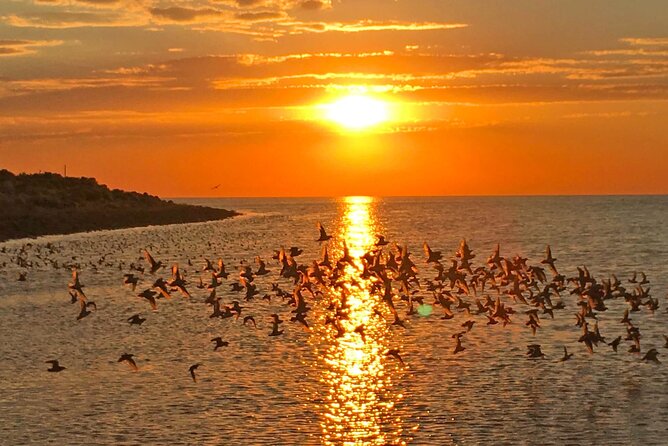
Farmington Bay Waterfowl Management Area is the shortest scheduled stop, at about one hour, but it may produce some of the busiest bird activity. This is where freshwater meets salt, creating brackish habitat with plenty of food.
That food supports many kinds of birds. During migration, you might see 50 to 60 species in a relatively short time. The list can include waterbirds, shorebirds, waterfowl, waders, and divers. The exact mix depends on the season, but the habitat gives your guide a productive place to look when you have only a few hours.
Winter brings the possibility of Bald Eagles, gulls, and many waterfowl. Summer shifts the focus toward breeding birds such as Clark’s Grebe, Western Grebe, Sandhill Crane, Common Yellowthroat, and Virginia Rail. This seasonal variety is one of the strongest reasons to consider the tour more than once if you return to Salt Lake City at another time of year.
Farmington Bay also helps explain why the Great Salt Lake region matters to birds. You are not seeing a single uniform body of water. You are moving among saltwater, freshwater, wetlands, shoreline, and island habitat. Each setting supports a different set of species.
Because this stop lasts only an hour, do not expect a long walk or an exhaustive survey. Think of it as a concentrated final look at the lake’s birdlife. If you are short on time and want a sample of what the region offers, that compact stop makes sense.
Same place, a different set of birds:
- 2 Hour Dolphin, Birding and Shelling Tour
★ 5.0 · 247 reviews - Skip the Line: Flamingo Gardens Admission Ticket in Fort Lauderdale
★ 4.5 · 223 reviews - Marco Island: 2-Hour Dolphin, Birding, and Shelling Tour
★ 4.8 · 212 reviews - Two-Hour Everglades Dolphin, Manatee and Birding Boat Tour
★ 4.5 · 151 reviews
The guide can make or break the morning
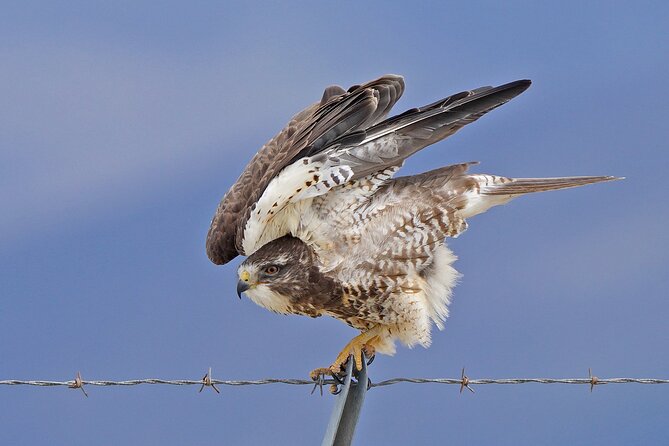
Birding is not simply a matter of arriving at a wetland and hoping. A good guide helps you notice movement, understand habitat, and identify a distant shape before it disappears. The praise for Quinn points to the human side of this experience. He has been described as professional, friendly, and enjoyable company, qualities that matter during several hours in a vehicle and at exposed viewing areas.
Pitta Nature Tours also has guides named Tim and Quinn. The company’s outings have worked for groups that included two experienced birders and two people trying birding for the first time. That is useful information if your own group has mixed interests.
The trip is not only about listing species. You can ask about the California Gull, the history of the lake, the role of the wetlands, or the animals on Antelope Island. A guide who can explain the setting adds value even on a slower birding day.
Still, birding results are never fixed. One March outing produced 22 new species for a participant, while a two-day program recorded 131 species. Those numbers are encouraging, but they should not become your personal quota. Weather, migration timing, water levels, and animal behavior all matter.
What the $179 price includes
At $179 per person, this is not the cheapest way to spend a morning around Salt Lake City. The value improves if you would otherwise need to rent a car, pay park fees, plan the route, and learn several birding areas on your own.
The price includes private transportation, bottled water, all fees and taxes, and use of a spotting scope. Admission is included for the Great Salt Lake and Antelope Island portions, while Farmington Bay has no admission charge.
You do not receive binoculars, cameras, snacks, soft drinks, alcoholic drinks, or meals. Bring your own water beyond the supplied bottle if you tend to drink often, and pack food if you need something during the four to six hours. Since the tour moves through open outdoor areas, your own camera and binoculars are especially useful.
Group discounts are available, which can improve the cost for a larger party. Since the experience is private, the price may make the most sense for two or more people who want a dedicated vehicle and guide rather than a general sightseeing trip.
Who should book this experience
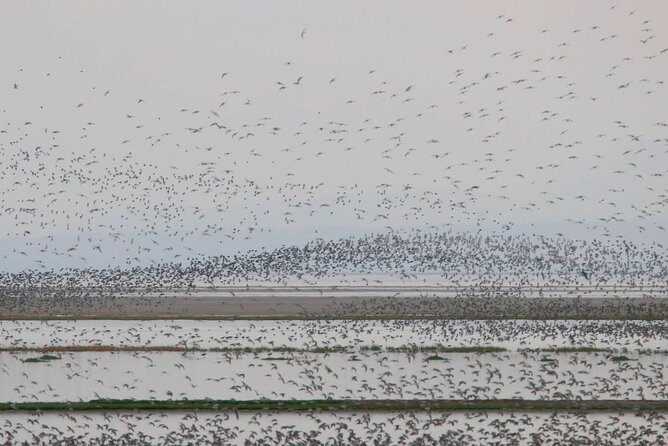
I would choose this outing if you have limited time in Salt Lake City and want to see the Great Salt Lake without handling the driving. It is also a good fit if you are new to birding and want someone to explain what you are seeing without making you feel behind.
Experienced birders may like the chance to add new species and explore several habitats in one morning. The outing is especially attractive during migration, when Farmington Bay may produce a large and varied list. Winter birders have the added possibility of Bald Eagles, while summer visitors can look for breeding species such as grebes, cranes, rails, and yellowthroats.
You may want a different plan if your main goal is a slow, all-day search for one particular bird. This is a short regional overview, not an extended expedition. You should also reconsider if you expect a meal, loaner binoculars, or guaranteed close views of wildlife.
The tour is suitable for most people, and it is near public transportation. Pickup is offered, which is helpful if you are staying in Salt Lake City without a vehicle. Confirmation arrives within 48 hours of booking, subject to availability.
When to go and what to bring
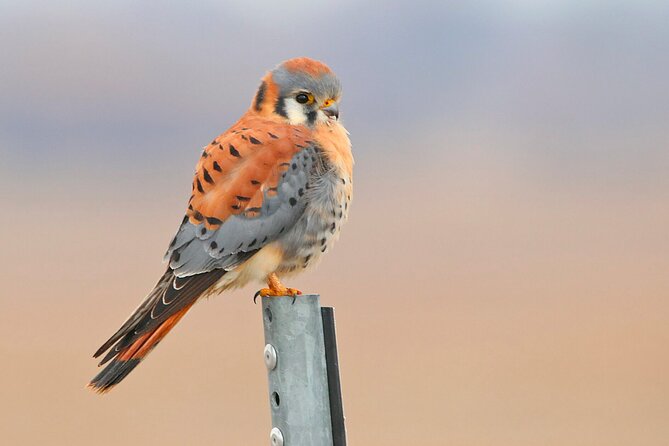
Season is the biggest factor in what you might see. Winter favors Bald Eagles and waterfowl. Migration can bring a fast-changing mix of 50 to 60 species through Farmington Bay. Summer offers possible breeding birds, including Clark’s Grebe, Western Grebe, Sandhill Crane, Common Yellowthroat, and Virginia Rail.
I would bring binoculars, a camera if you want your own photographs, snacks, and any drinks you need beyond the included bottled water. The company supplies the spotting scope, so you do not need to carry one.
Keep your expectations flexible. Low water levels may alter the appearance of the lake and the location of birds. That is not a reason to skip the outing, but it is a reason to value the guide’s current knowledge over a fixed checklist.
Free cancellation is available if you cancel at least 24 hours before the local start time. Changes or cancellations made within 24 hours are not accepted for a refund.
Should you book the Great Salt Lake Birding and Nature Adventure?
I would book it if you want a convenient, private introduction to the Great Salt Lake, especially without your own car. The combination of lake, island, wetlands, bison, and a supplied spotting scope gives you a lot of variety in four to six hours.
The strongest reasons to go are the private format, the included transportation and fees, and the quality of guide support associated with Quinn and the Pitta team. Bring binoculars and snacks, accept that wildlife sightings vary, and the $179 price becomes easier to defend.
Skip it only if you want a guaranteed species list, a full-day field trip, or a fully equipped outing with meals and loaner gear. For a focused first look at Utah’s famous inland lake, this is a practical and rewarding choice.
FAQ
How long does the Great Salt Lake Birding and Nature Adventure last?
The experience lasts approximately four to six hours. The planned stops allow about three hours at the Great Salt Lake, two hours at Antelope Island State Park, and one hour at Farmington Bay Waterfowl Management Area.
Is transportation provided?
Yes. Private transportation is included, and pickup is offered. Only your group participates in the private tour.
Are park admission fees included?
Yes. Admission is included for the Great Salt Lake and Antelope Island portions. Farmington Bay Waterfowl Management Area has no admission fee.
Are binoculars included?
No. The tour provides a spotting scope, but you must bring your own binoculars and camera if you want to use them.
What birds might I see?
Possible sightings vary by season. Winter may bring Bald Eagles, gulls, and waterfowl. During migration, you might see waterbirds, shorebirds, waders, divers, and as many as 50 to 60 species in a short period. Summer possibilities include Clark’s Grebe, Western Grebe, Sandhill Crane, Common Yellowthroat, and Virginia Rail.
Can I cancel for a full refund?
Yes, if you cancel at least 24 hours before the experience start time. Cancellations or changes made less than 24 hours before the start time are not eligible for a refund.
Just added around the USA
- Half-Day Private Bird Tour of Fort De Soto Park in St. Petersburg – 2 person max★ 5.0 · 2 reviews
- Kayak/SUP Tour: Birds, Beavers, Turtles, maybe even Cliff Jumping★ 5.0 · 26 reviews
- Skagit Valley Birding + Deception Pass Day Tour From Seattle★ 5.0 · 3 reviews
- Sunset, Dolphin/Birding On A Private Guided Savannah Cruise★ 5.0 · 3 reviews
- Pittsburgh Penguins Ice Hockey Game Ticket at PPG Paints Arena★ 4.0 · 3 reviews
- Central Florida Half-Day Private Birding Activity – 2 person max★ 5.0 · 30 reviews
- NYC Beginner Private Birdwatching Tour★ 5.0 · 10 reviews
- Charleston Bird Watching Tour★ 5.0 · 6 reviews
USA Birdwatching Tours, compared.
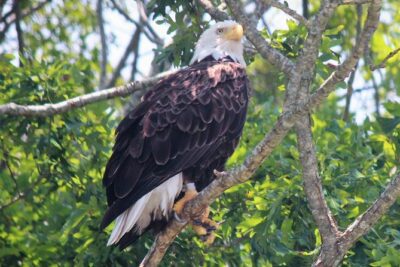
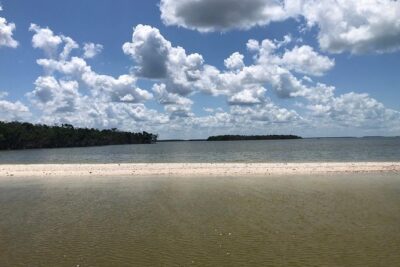
Marco Island 2 hour Dolphin, Birding and Shelling tour
Read our review →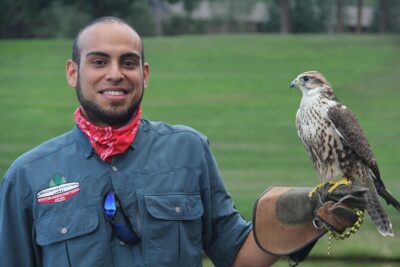
Colorado Springs Hands-On Falconry Class and Demonstration
Read our review →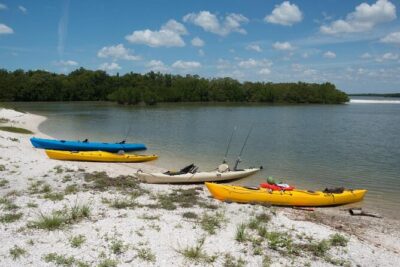
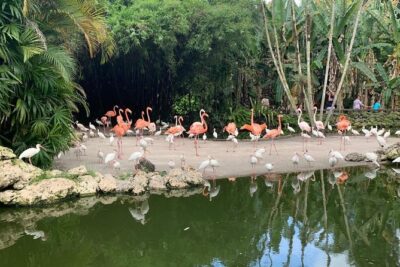
Skip the Line: Flamingo Gardens Admission Ticket in Fort Lauderdale
Read our review →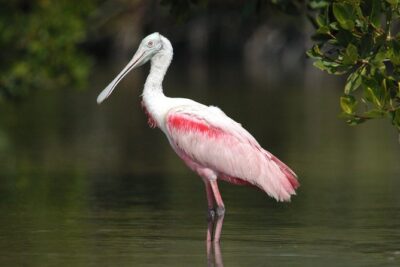
Two-Hour Everglades Dolphin, Manatee and Birding Boat Tour
Read our review →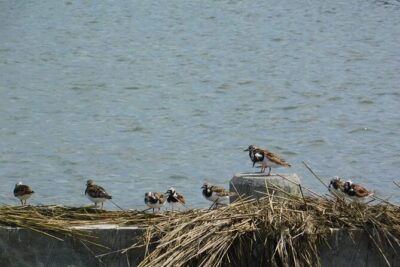
Wetlands Safari Eco-Cruise in Cape May (Osprey Birding By Boat)
Read our review →Browse the lists this tour appears in