
REVIEW · TULUM BIRDWATCHING TOURS
Birdwatching in Coba from Tulum – Shared Group Tour
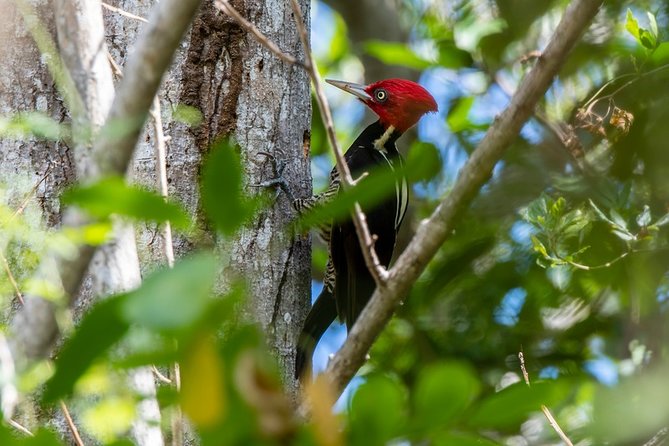
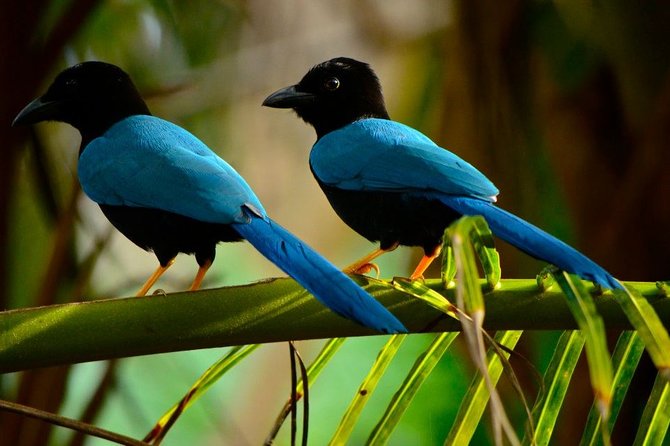
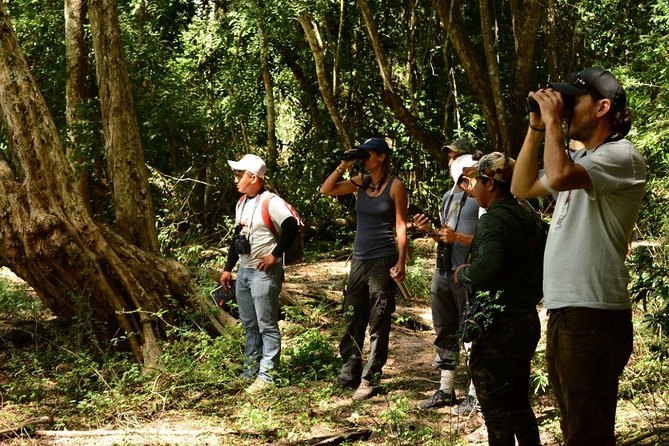
Birds wake early. This seven-hour outing pairs quiet morning birdwatching around Coba with the famous archaeological site, a local Mayan meal, and guides who know the area well. I especially like the small groups of no more than 10 and the chance to see Yucatan specialties such as toucans, motmots, trogons, woodpeckers, and Yucatan jays.
I also like that the day is more than a checklist of birds. Guides such as Miguel and Claudio explain bird behavior, Mayan culture, local ecology, and the history of Coba as you go. The main drawback is the early 6:00 a.m. start, plus the possible $55 per-person hotel pickup fee from Tulum, which can change the total cost considerably.
This is a strong choice for serious birders, but it also works for a curious beginner joining a more experienced friend. Bring binoculars if you have them, wear practical walking shoes, and expect the best bird activity before the day gets hot.
Key points to know before you book
- Small groups capped at 10: You get more personal attention than on a large coach excursion, especially when locating birds.
- Birdwatching in three distinct settings: The route includes Coba village and lagoon surroundings, then the archaeological site itself.
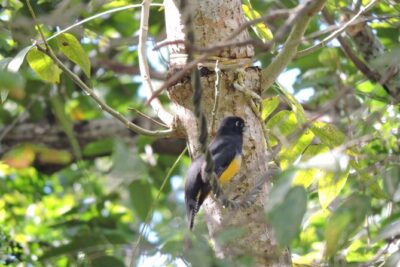
- Possible sightings are excellent: Past outings have produced around 40 to 50 species, including keel-billed toucans, ocellated turkeys, motmots, trogons, jacanas, and pygmy owls.
- Local food is part of the day: A light breakfast starts the morning, followed by a Mexican brunch in a local Mayan family’s home.
- The guide matters here: Miguel, Claudio, and Luciano have received especially strong praise for patient instruction and sharp bird-finding skills.
- Plan for transport carefully: Meet at the Mexico Kan Tours shop in central Tulum, or arrange the extra hotel pickup in advance.
Why Coba works so well for birdwatching
Coba is not only an archaeological stop. Its surrounding village, lagoon, wooded paths, and old stone structures create several kinds of habitat in a compact area. That variety gives you a better chance of seeing different birds during one morning.
The outing begins around Coba village and the lagoon, where birds may be active in open areas and near water. It then continues into the archaeological site, where shade, trees, and old masonry offer a different setting. The change of scenery keeps the morning interesting, even during a slower birding day.
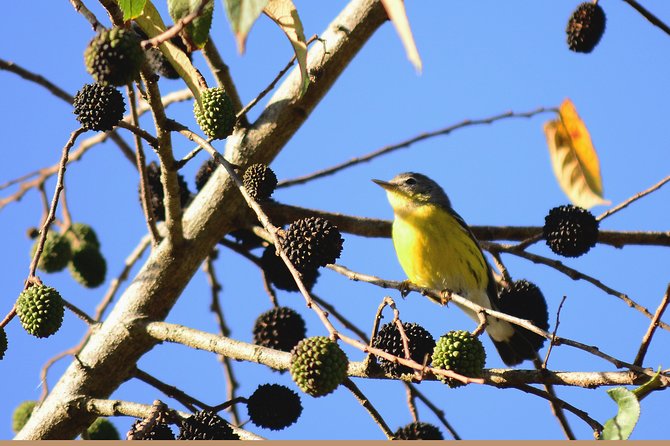
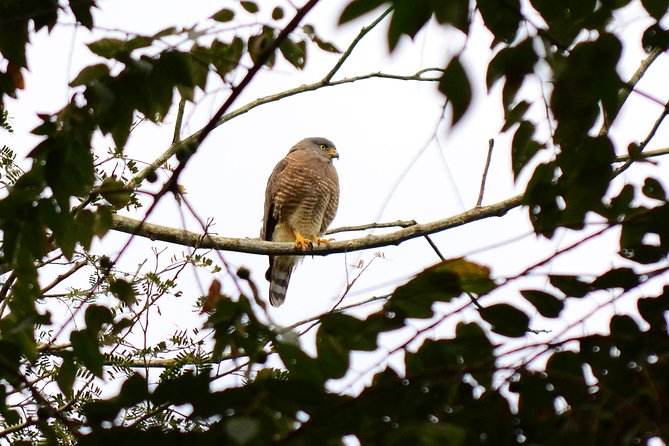
You should keep your expectations sensible. Birdwatching is not a stage show, and no guide can promise every species. Still, the reported lists are impressive. Sightings have included keel-billed toucans, collared aracaris, black-headed trogons, olive-throated parakeets, Yucatan woodpeckers, lineated woodpeckers, roadside hawks, northern jacanas, purple gallinules, ruddy crakes, ocellated turkeys, and Yucatan jays.
Some outings have produced roughly 50 species, while another slower morning still reached 41. Those numbers depend on weather, season, bird activity, and luck. The practical advantage is that you are not confined to one small patch of forest.
A few more birding trips around Mexico worth a look
- Sian Ka’an & Birdwatching Tours By Eddy
★ 5.0 · 120 reviews - Birdwatching in Sian Ka´an Muyil from Tulum – Shared Group Tour
★ 5.0 · 117 reviews - Rio Lagartos and Las Coloradas: Safari Flamingo Luxury
★ 4.9 · 90 reviews
Starting before breakfast in central Tulum
The meeting point is Tulum Tours, Mexico Kan Tours, on Avenida Tulum between Orion and Calle Centauro Sur. The scheduled start is 6:00 a.m., so you need to be ready early and confirm the meeting instructions before the morning of the tour.
That early hour is useful rather than decorative. Birds tend to be more active in the cooler part of the day, and the first light gives you a better chance of hearing and locating species before heat and human activity build. You also get a head start at Coba.
Hotel transfers in an air-conditioned vehicle can be arranged, but the listed pickup supplement from Tulum hotels is $55 per person. Pickup north of Tulum requires a separate quote. This is an important cost detail: at $149 per person, the base price is reasonable for a small-group specialist outing, but adding transport can make the day much more expensive.
You may instead meet at the central Tulum shop. If you drive yourself, the guide joins you in your vehicle for the journey to Coba, so you need to allow one seat. That arrangement can work well if you already have a rental car, but it is worth planning around the guide’s space and confirming the details ahead of time.
Coffee, fruit, and a gentle introduction
The first stop at Coba begins with a short briefing, coffee or tea, fruit, and an energy bar. This is a simple touch, but it matters when you have been awake since before sunrise.
The briefing gives you a chance to learn how the morning will work and what to watch for. Beginners should not feel out of place. Claudio, Miguel, and Luciano have been praised for helping people at different levels, including people who were new to birdwatching.
You will get more from the outing if you ask questions. A good guide can point out field marks, explain calls, and tell you why a bird is using a particular tree or patch of water. You do not need to arrive knowing a long species list.
Binoculars are not included as a standard feature, so bring your own. If you do not have a pair, contact the operator in advance to ask about borrowing some. That small step can make the difference between hearing about a distant bird and actually seeing it.
Coba village and lagoon: the first birding hour
The first dedicated birdwatching period lasts about an hour around Coba village and the lagoon. This part gives you a chance to settle into the pace before entering the archaeological zone.
Do not expect a fast march from one sighting to the next. Birdwatching requires pauses, quiet listening, and time for the guide to locate movement in the trees. That slower rhythm is one reason a small group helps. Ten people can still spread out, but the guide has a better chance of keeping everyone involved than on a large bus tour.
Water is supplied, and the company asks you to bring a refillable bottle if you have one. If you do not, a bottle is provided. Tea or coffee and the light breakfast are included, while gratuities are not.
The lagoon setting may offer water-associated species. One outing produced northern jacanas, purple gallinules, and ruddy crakes, along with land birds in the nearby vegetation. The unusual toes of a jacana and the bright shape of a gallinule can be especially rewarding for a first-time birder because they are distinctive once the guide shows you where to look.
You might also see mammals and reptiles. Sightings have included coatis, agoutis, and iguanas. These are welcome extras, though the main purpose of the trip remains birdwatching.
Same place, a different set of birds:
- Private Ría Lagartos Boat Tour: Flamingos & Crocodiles
★ 4.9 · 84 reviews - Desembocada and Ameca River Bird Paradise (Wetland and Tropical birds in PV)
★ 5.0 · 83 reviews - Birdwatching Cancun
★ 5.0 · 80 reviews - Mahahual and Costa Maya Birdwatching
★ 5.0 · 76 reviews
Two hours among the Coba ruins
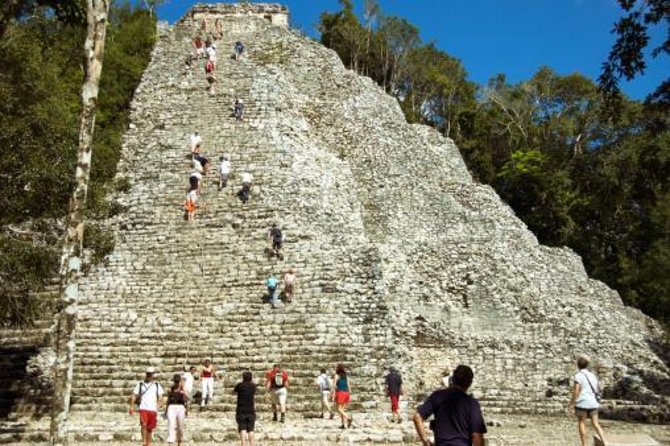
The archaeological site receives about two hours of birdwatching. Your admission is included, so you do not need to handle a separate entrance payment during the day.
This is where the tour gains its cultural side. The old stone structures and forest create a setting that is more memorable than a birding walk with no sense of place. Guides connect the birds and habitat with the story of Coba and the wider Mayan region.
The ruins also add physical variety. You should expect walking and time on your feet, though the supplied information does not give a precise distance or terrain description. Comfortable shoes are the sensible choice, and an early start helps before the strongest heat.
The guide’s scope can be a major advantage when a bird is stationary but far away. Miguel has been praised for locating birds, explaining their behavior and identifying field marks, then setting up close views through a scope. That kind of help is valuable for both beginners and experienced birders. A new birder may need help seeing the bird at all, while an experienced birder may want a clear look at a difficult species.
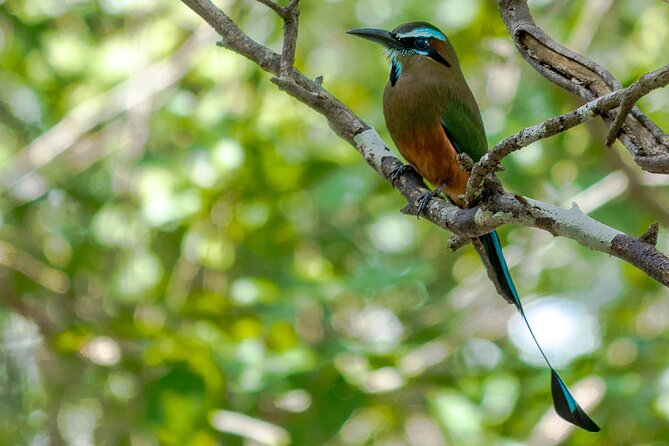
Potential highlights include toucans, motmots, trogons, jays, bentbills, woodpeckers, and hawks. A keel-billed toucan has been a favorite sighting, along with Yucatan and lineated woodpeckers. Pygmy owls, kingfishers, collared aracaris, and ocellated turkeys are also possible highlights based on previous outings.
The word possible matters. You should book this for skilled guiding and a strong chance of good habitat, not for a guaranteed species list. That said, the combination of Coba’s setting and expert local guides gives the morning real substance even if one hoped-for bird stays hidden.
The guide can make or break the morning
Birdwatching tours rely heavily on the person holding the binoculars, scope, and species knowledge. This outing has earned its best praise for its guides.
Miguel is described as especially good at finding birds, explaining behavior, and adjusting to different levels of experience. He also brings in geology, habitat, ecology, and the cultural importance of Coba. That wider context prevents the morning from becoming a race to count species.
Claudio has been praised for answering questions and adjusting the outing to specific birding interests. If you have target species, tell the operator or guide early. Nothing guarantees a sighting, but clear priorities help the guide understand what you hope to see.
Luciano has also guided outings with Miguel, and both have been praised for their knowledge of local birds and their friendly approach. The tone appears to be warm and social, with room for conversation and humor rather than a stiff lecture.
This is particularly useful if you are traveling with someone who is not a birder. A companion can learn to identify a toucan, woodpecker, or chachalaca without needing to understand technical birding language from the start. One first-time participant even highlighted the plain chachalaca, a turkey-like bird with a hen-like call, as a memorable discovery.
A local Mayan brunch after the ruins
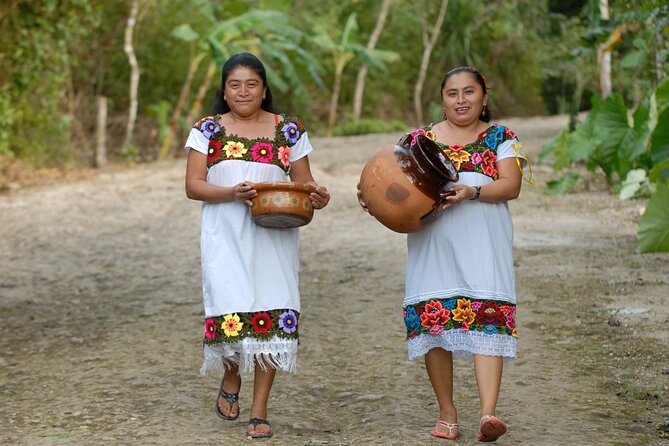
The day ends with a Mexican brunch lasting about 45 minutes. Food is served in the home of a local Mayan family, which gives the meal a more personal setting than a standard restaurant stop.
The food adds value in two ways. First, you have been up early and walking for hours, so a proper meal is welcome. Second, it connects the Coba visit with present-day local life instead of treating the ruins as an isolated attraction.
Specific dishes are not provided, so you should not book this expecting a particular menu. The supplied details describe it as a local Mexican brunch, with a light breakfast earlier in the morning. Tea or coffee and bottled water are included, while gratuity is separate.
The meal is also a natural time to ask questions about the area and talk with the guide. Several people have especially valued the combination of birds, Mayan culture, history, and food. That combination makes the tour feel like a full morning in the region, not simply a transport service to an archaeological site.
Is the $149 price fair?
At $149 per person, the base price is not a bargain-basement excursion, but it is defensible for a seven-hour small-group tour with a specialist guide. You are paying for more than admission to Coba. The price includes the archaeological entrance, coffee or tea, a light breakfast, bottled water, the local brunch, and guiding.
The group limit of 10 is important. A large group may cost less, but it is harder for everyone to get scope time, ask questions, or stay close to the guide during a bird sighting. Here, the small size supports the main purpose of the day.
The possible $55 hotel pickup fee changes the calculation. If you are staying at a Tulum hotel and need door-to-door transport, check the total before booking. If you can reach the Avenida Tulum meeting point yourself, the base rate offers better value.
The tour also makes more sense for someone who wants both nature and culture. If you only want to see the Coba ruins, a standard archaeological excursion may be cheaper and more direct. If you want a serious morning of birdwatching with food and local context, this package has more to offer.
Who should book this Coba outing?
I would recommend it most strongly to birders who want Yucatan specialties and do not want to organize transport, entry, guiding, and meals separately. The chance to record 40 or more species in one morning is a strong reason to consider it.
It also suits an experienced birder traveling with a beginner. Guides can help the new birder learn the basics while still offering serious sightings for the more committed participant.
Families and casual nature lovers may enjoy it too, provided everyone can manage the early start and several hours of outdoor activity. The small group and friendly guide style should make it less intimidating than a specialist outing might sound.
I would think twice if you dislike early mornings, have no interest in birds, or want a relaxed late-start visit to Coba. I would also check the pickup fee carefully if you are staying outside central Tulum.
You can cancel for a full refund up to 24 hours before the start time. Changes or cancellations inside that window are not refunded, and poor weather may lead to a new date or a full refund. The tour ends back at the original meeting point.
Should you book it?
Book this tour if you want Coba with a purpose. The ruins provide the setting, but the real value comes from the birding skill, the small group, the local meal, and the chance to learn about the area from guides such as Miguel or Claudio.
I would bring binoculars, a refillable bottle, light clothing, and shoes suited to walking. Confirm your meeting or pickup plan, ask about borrowing binoculars if needed, and tell the guide about any target birds.
For a dedicated birder, $149 is a fair base price. For a casual sightseer, it is worthwhile only if the birdwatching and local meal appeal to you as much as the ruins. That distinction makes the booking decision simple: choose it for the full morning experience, not just the archaeological entrance.
FAQ
Where does the tour start?
It starts at Tulum Tours, Mexico Kan Tours, on Avenida Tulum between Orion and Calle Centauro Sur in central Tulum.
What time does the tour begin?
The scheduled start time is 6:00 a.m.
Is hotel pickup included?
Hotel transfers can be arranged in an air-conditioned vehicle, but pickup from Tulum hotels costs an additional $55 per person. Pickup north of Tulum requires a separate quote.
Are binoculars provided?
Binoculars are not included as a standard item. You should bring your own, or contact the operator to ask about borrowing a pair.
What food and drinks are included?
The tour includes coffee or tea, fruit, an energy bar, a light breakfast, bottled water, and a local Mexican brunch. Gratuity is not included.
How large is the group?
The tour has a maximum of 10 participants.
Just added around Mexico
- Tulum: Pink Lake, Rio Lagartos, Crocodile Flamingo Adventure★ 4.5 · 2 reviews
- Private Birdwatching Tour in Sian Ka’an Muyil★ 5.0 · 12 reviews
- Small-Group Birdwatching Sian Kaan with professional guide★ 5.0 · 3 reviews
- Birdwatching Sian Ka’an Biosphere Reserve★ 5.0 · 9 reviews
- Birding for beginners★ 5.0 · 2 reviews
- Cabo birding | Bird watching at bird sanctuary★ 5.0 · 2 reviews
- Flamingos Tour in Rio Lagartos Yucatan 2 hours★ 5.0 · 4 reviews
- Xocen Birding★ 5.0 · 20 reviews
Tulum Birdwatching Tours, compared.
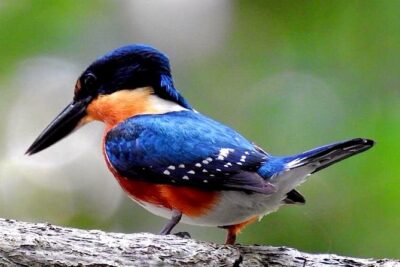
Birdwatching in Sian Ka´an Muyil from Tulum – Shared Group Tour
Read our review →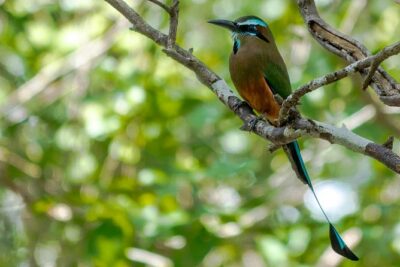
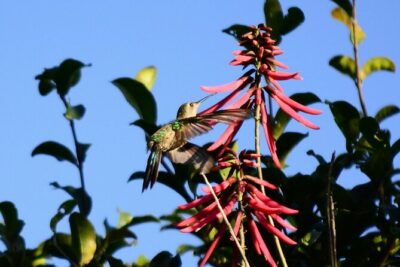

From Riviera Maya : Sian Ka’an Muyil Birdwatching with Guide
Read our review →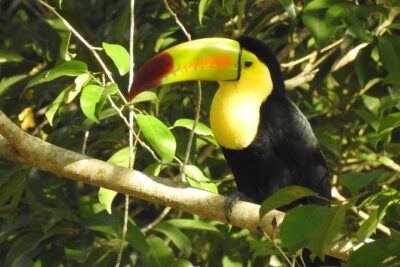
Small-Group Birdwatching Sian Kaan with professional guide
Read our review →Browse the lists this tour appears in