
REVIEW · ITALY BIRDWATCHING TOURS
Lio Piccolo: Flamingos & Birdwatching Bike Tour in the Lagoon
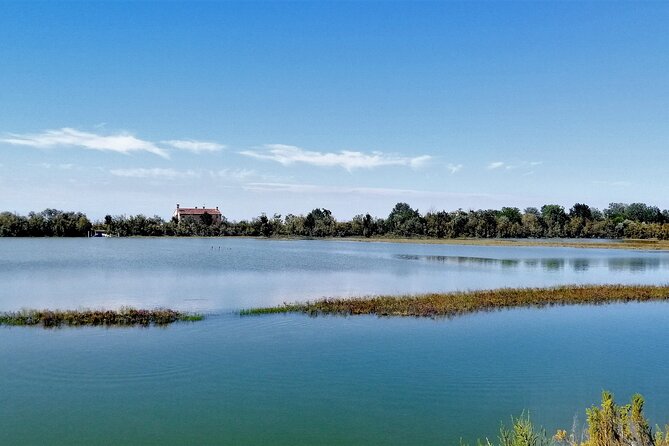
Venice has a wild side. This five-hour outing trades crowded lanes for the northern lagoon, where you cycle past mudflats, fishing valleys, salt meadows, vegetable plots, and wide water views while watching for flamingos and other birds. I like the small-group format and the chance to see a part of Venice that most city visitors never reach. I also like the choice of city bike, tandem, or e-bike, though the bike costs about €20 extra.
The main drawback is the logistics. You must meet at Fondamente Nove, take a water bus toward Treporti, and pay separately for that ticket. The ride also depends on good weather, and bird sightings are never guaranteed. Still, if you want nature, fresh air, and a very different view of Venice, this is one of the more distinctive half-day choices in the area.
Key points at a glance
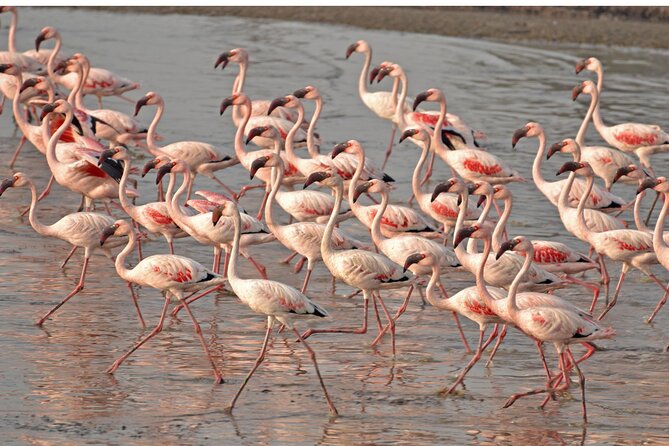
- Flamingos in the Venetian Lagoon: Lio Piccolo is known for flamingos that feed in shallow, muddy water around the fishing valleys.
- A boat ride before the bike ride: You travel from Fondamente Nove through the northern lagoon to Treporti, passing several islands along the way.
- A real birdwatching outing: Ducks, herons, waders, shorebirds, cormorants, gulls, and many other species may appear.
- Three bike choices: You can select a city bike, tandem, or e-bike, with rental costing around €20.
- Small group, not mass tourism: The experience is promoted for a limited number, with the stated maximum set at 10 people.
- Extra costs to budget: The water bus ticket is not included, and a daily pass is listed at €9.50 per person.
Why Lio Piccolo feels far from Venice
Venice is famous for stone, water taxis, churches, and narrow alleys. Lio Piccolo offers the opposite: open sky, low marshes, canals, sandbanks, and long views toward the city. You are still in the Venetian Lagoon, but the mood changes quickly once you leave the central islands.
The route brings together three kinds of water: fresh water, salt water, and the sea. That mix supports a remarkable range of habitats. Mudflats attract wading birds, reeds and marshy ground offer shelter, and the fishing valleys provide shallow water where flamingos can feed.
I especially like that this is not simply a bike rental with a printed map. A nature and interpretive guide accompanies the ride and explains the area’s natural features and local history. That matters here because the lagoon can look simple at first glance. With some explanation, a mudflat becomes a feeding ground, a narrow canal becomes part of an old water system, and a patch of salt meadow becomes a useful place to spot shorebirds.
More Flamingo Tours in Italy:
- Trapani: Salt Pans Sunset Tour and Flamingo Way
★ 4.4 · 252 reviews - Cagliari: Bike Tour in the Flamingo Oasis
★ 4.7 · 141 reviews - Cagliari E-Bike Tour: Gulf, Canals & Flamingos at Molentargius
★ 5.0 · 79 reviews
Fondamente Nove to Treporti by water bus
The meeting point is Fondamente Nove in Venice. From there, you take a water bus through the northern lagoon to Treporti, passing several lagoon islands on the way.
This first stage is useful for two reasons. It gets you out of the dense center, and it gives you a sense of how spread out the lagoon really is. Venice is not just one island. It is a network of inhabited islands, marshes, sandbars, canals, and open water.
The water bus ticket is separate from the tour. A daily pass is listed at €9.50 per person, so include that in your budget before you book. The boat journey also adds time and coordination. Arrive at Fondamente Nove with enough breathing room to find the meeting point and board without rushing.
Once you reach Treporti, the character of the day changes. You leave the regular city transport behind and start the ride into the quieter northern reaches of the lagoon.
Choosing between a city bike, tandem, or e-bike
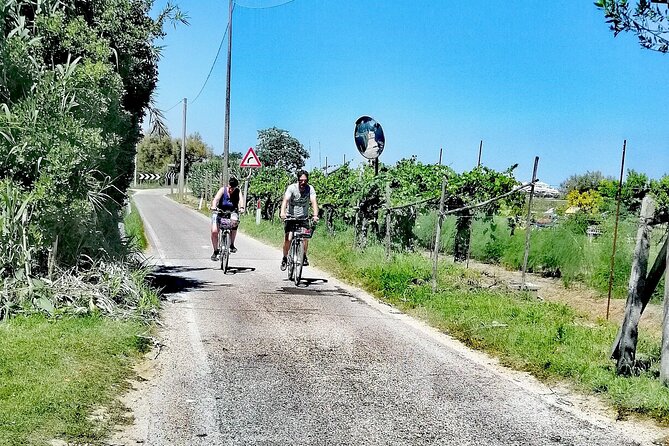
Your bike is waiting at Treporti. You can choose a city bike, tandem, or e-bike, with the rental costing around €20. The wording about what is included can be a little confusing, so I would confirm the exact bike charge when booking.
A city bike is the straightforward choice if you are comfortable riding on your own. A tandem can suit two people who want to ride together, though tandem bikes require some coordination. An e-bike may be the most appealing option if you want help over the full route or prefer to save energy for birdwatching and the scenery.
The bike choice matters more here than it would on a short city ride. The outing lasts about five hours and includes boat transport, riding, stops, and interpretation. You are not racing from one sight to another, but you should still choose equipment that feels comfortable for several hours.
The stated group limit is a maximum of 10 people, while the experience is also described as capped at eight. Either way, this is a small outing rather than a large cycling convoy. A limited group makes it easier to hear the guide and pause quietly when birds appear.
Lio Piccolo and the lagoon flamingos
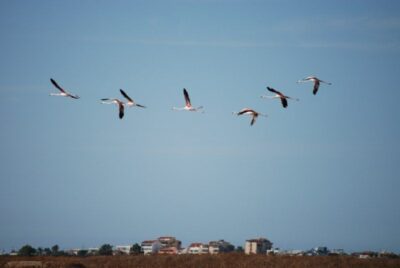
Lio Piccolo is the star of the route. Flamingos have been using this part of the Venetian Lagoon for more than a decade, and many now remain for much of the year instead of simply passing through.
The birds favor shallow, muddy water, where they filter food through their unusual bills. The local fishing valleys, known as valli da pesca, create the kind of shallow-water habitat flamingos prefer. Their pale pink color can look almost unreal against the gray-blue water and low marshes.
The information for this experience gives a winter estimate of more than 8,000 flamingos in the lagoon, while another figure places the number at around 4,000 in the area. Counts can vary by season and by the part of the lagoon being measured, so treat these numbers as a sense of scale rather than a promise of a particular flock.
You might see a few birds standing in the shallows, or you might catch a larger group feeding together. The guide can help you understand what you are looking at and where to direct your attention. Bring patience. Birdwatching is not a guaranteed parade of animals, and the best moments may be quiet ones.
A useful tip comes from the experience itself: bring binoculars if you have them. One outing produced a long species list despite taking place outside the best birding season, but the observer also had binoculars. You can see some birds without them, yet binoculars make a major difference across open water.
More Wetland and Lagoon Birding in Italy:
- Faro: Eco-Friendly Ria Formosa Bird Watching in Solar Boat
★ 4.7 · 359 reviews - Faro: Ria Formosa Natural Park Segway Tour & Birdwatching
★ 4.9 · 180 reviews - Ria Formosa Natural Park Birdwatching Segway Tour from Faro
★ 5.0 · 164 reviews - Two-Hour Everglades Dolphin, Manatee and Birding Boat Tour
★ 4.5 · 151 reviews
More than flamingos: a serious birdwatching stop
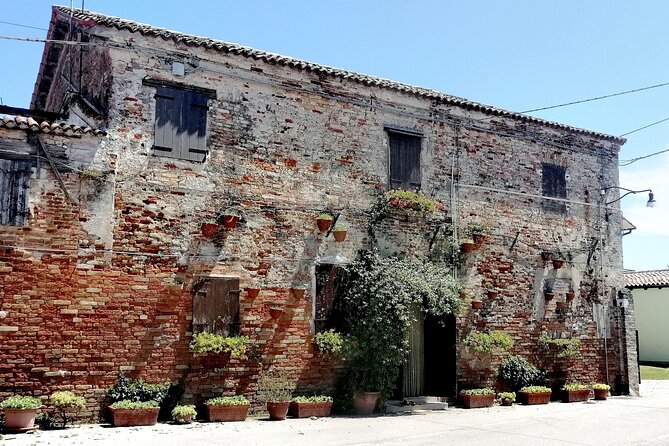
The lagoon supports around 300 bird species. That does not mean you will see 300 species on one ride, but it does explain why this area appeals to people who enjoy watching carefully rather than simply checking off a single famous animal.
Possible sightings include mallards, teals, pintails, wigeons, shovelers, herons, gulls, waders, and shorebirds. Cormorants reach the lagoon from northern parts of Europe, including Poland, Sweden, and Denmark. The mix changes with season, tides, water levels, and migration patterns.
A particularly strong list from this outing included black-winged stilts, greenshanks, redshanks, curlews, grey plovers, ibises, flamingos, squacco herons, little egrets, common terns, red-backed shrikes, avocets, and grey herons. Those sightings show how varied the stop can be when conditions cooperate.
You may not know every bird by sight, and you do not need to. The guide’s role is important because the birds often stand at a distance and blend into the marsh. A nature guide can point out shapes, calls, feeding behavior, and the difference between one wader and another.
This stop is also a good reminder that Venice’s natural identity is not separate from its cultural identity. The lagoon shaped where people built, fished, farmed, and traveled. The water is not just a backdrop to the city. It is the reason the city exists in its present form.
Cycling Via delle Mesole
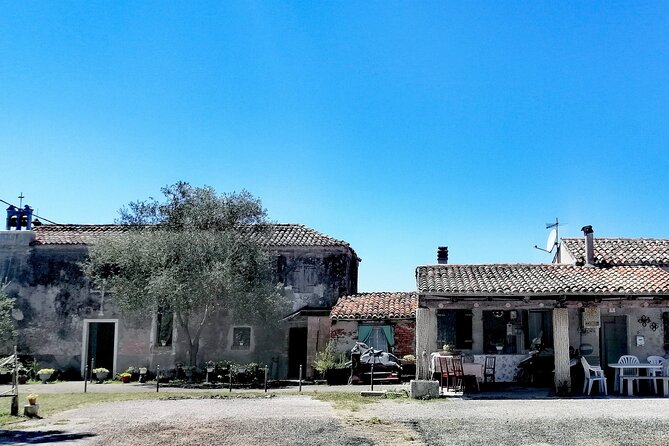
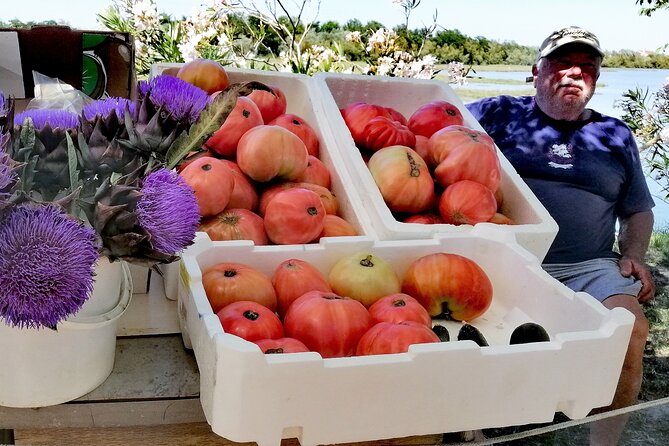
The route around Via delle Mesole brings you through a changing mix of land and water. You may see sand dunes, vegetable gardens, canals, mudflats, sandbanks, and fishing valleys. In the distance, Venice can appear as a skyline across the water.
This is the part of the outing where the bike earns its keep. From a bus, you would pass quickly. On a bicycle, you move slowly enough to notice how the land changes from fresh ground to salt marsh and from cultivated plots to tidal water.
The views are broad and quiet, but do not expect a sightseeing route filled with monuments. The reward is space and contrast. You see the city from a remote edge, with the Adriatic Sea and lagoon influencing the area around you.
The ride can also expose one limitation. The experience information does not provide a detailed mileage figure, terrain description, or fitness rating. Most people can participate, but if you are unsure about several hours of cycling, ask the provider for current route details before paying. The e-bike option may help, but it is still wise to check the distance and surface.
Al Notturno and the guide’s interpretation
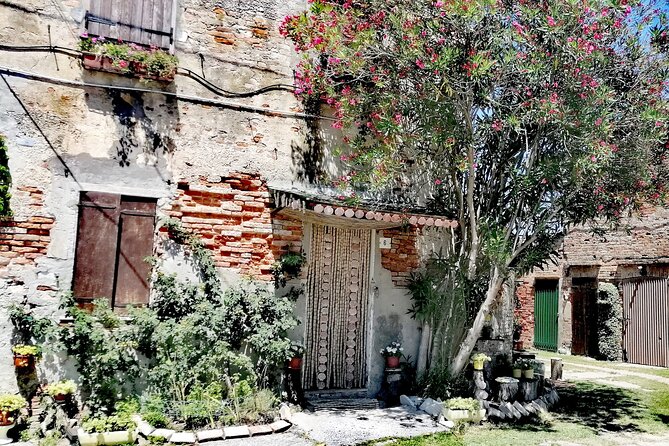
Al Notturno is another pause along the route and a chance to focus on the relationship between land, fresh water, and salt water. The guide explains the area’s natural features and history as you ride through it.
I value this kind of interpretation because the lagoon can be easy to misunderstand. A quiet stretch of water may be a working fishing area. A field beside the marsh may reflect the long effort to grow vegetables in a difficult environment. The guide helps connect these details instead of treating the route as scenery alone.
The short stops listed for the ride suggest a moving tour, not a long sit-down lecture at each place. You will spend time cycling between points, listening, looking, and stopping when the setting or wildlife calls for it.
The best approach is to stay flexible. A bird may appear at an unexpected point, or a particular stretch may be more interesting because of the tide. The schedule gives structure, but nature controls the timing.
What the €203 price really buys
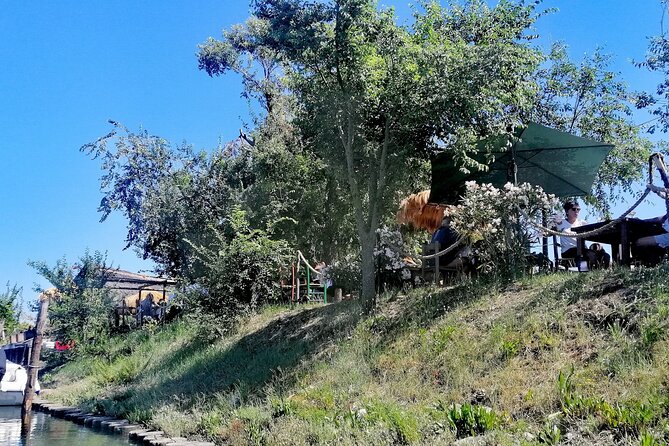
At about $203.07 per person, this is not a cheap way to rent a bicycle. The price makes more sense if you value the full combination: a guided nature outing, organized bike access, small-group attention, and transport through a part of the lagoon that is difficult to experience on a standard Venice visit.
The bike rental costs around €20 separately, and the water bus ticket is also extra at about €9.50 for a daily pass. Gratuities are optional. That means you should compare the full cost, not only the headline tour price.
For a visitor who only wants to cycle for an hour, the price is hard to justify. For someone interested in birds, wetlands, and the working lagoon, the value is stronger. You are paying for access, local interpretation, and a carefully arranged route rather than simply for pedaling.
The small group also affects the value. A maximum of 10 people allows the guide to answer questions and point out birds without shouting across a crowd. The experience is still fairly expensive, but it offers something you cannot easily reproduce by staying in central Venice.
Who should book this outing
I would recommend it most strongly to people who enjoy birds, quiet outdoor settings, and slower travel. It suits anyone who has already seen the main sights in Venice and wants to understand the wider lagoon.
It is also a good fit for photographers, though you should bring realistic expectations. Wildlife may be distant, and changing light or weather will affect your pictures. Binoculars are more important than fancy equipment.
Families and mixed-interest groups may enjoy it if everyone is comfortable with the length of the outing and the cycling portion. A tandem may help some pairs, while an e-bike can reduce effort. Still, the activity is built around nature rather than constant entertainment, so it may not suit children who need frequent activity and quick rewards.
You should think twice if your Venice schedule is very short, if you dislike boat connections, or if you want a guaranteed close view of flamingos. You should also check the weather forecast. The experience requires good weather and may be rescheduled or canceled if conditions are poor.
Free cancellation is available up to 24 hours before the start time. A cancellation inside that window is not refunded, and changes are not accepted. If the minimum number is not reached, or bad weather cancels the outing, you are offered another date or a full refund.
Should you book Lio Piccolo?
Book this tour if you want to trade Venice’s stone streets for salt marshes, open water, and bird calls. The flamingos are the headline, but the real appeal is the complete picture: boat travel, cycling, fishing valleys, salt meadows, and a guide who explains how the lagoon works.
Skip it if you have only one day in Venice and want the major monuments, or if a five-hour outdoor outing feels too long. For the right visitor, though, Lio Piccolo offers a rare view of Venice as a living wetland rather than only a beautiful old city. Pack binoculars, budget for the water bus and bike, and leave room in your plans for nature to set the pace.
FAQ
How long does the Lio Piccolo bike tour last?
The experience lasts approximately five hours, including the water bus journey, bike pickup, cycling, birdwatching, and guided stops.
Where does the tour meet?
The meeting point is Fondamente Nove in Venice. From there, you travel by water bus through the northern lagoon to Treporti.
Is the water bus ticket included?
No. The water bus ticket is not included. A daily pass is listed at €9.50 per person.
How much does the bike rental cost?
The bike rental costs around €20. You can choose a city bike, tandem, or e-bike. Confirm the current charge when booking.
What birds might I see?
Possible sightings include flamingos, ducks, herons, gulls, waders, shorebirds, cormorants, ibises, avocets, terns, and several other species. Sightings depend on season and conditions.
How many people can join the tour?
The experience is designed for a small group. The stated maximum is 10 people, while the tour description also refers to groups of up to eight.
More Cycling Tours in Italy
- Cagliari E-Bike Tour: Canals & Flamingos at Molentargius
★ 4.8 · 60 reviews - Village Bike Tour & Birdwatching
★ 5.0 · 18 reviews - Seoul: Nami Island & Gangchon Rail Bike One Day Tour
★ 4.4 · 2 reviews
Just added around Italy
- Falconry experience in Tuscany★ 5.0 · 24 reviews
- Vendicari – Sicily’s best coast nature reserve ( Birdwatching & Archeology )★ 5.0 · 8 reviews
- Vendicari private visit 3 hours The Bird Hotel.★ 5.0 · 2 reviews
- Birdwatching at Saline Maria Stella in Trapani★ 5.0 · 3 reviews
- Combo: Cagliari Old Town and the Oasis of Flamingos★ 5.0 · 22 reviews
- Matera: Handmade Clay Bird Workshop★ 5.0 · 4 reviews
- Experience with birds of prey in Tuscany★ 5.0 · 4 reviews
- Cagliari: EcoSafari Flamingos Tour in Molentargius Park★ 4.5 · 17 reviews
Flamingo Tours, compared.
Skip the Line: Flamingo Gardens Admission Ticket in Fort Lauderdale
Read our review →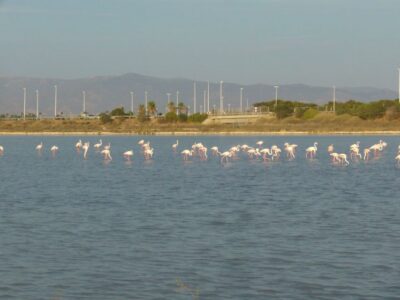
Private Ría Lagartos Boat Tour: Flamingos & Crocodiles
Read our review →
Cagliari E-Bike Tour: Gulf, Canals & Flamingos at Molentargius
Read our review →
Browse the lists this tour appears in