
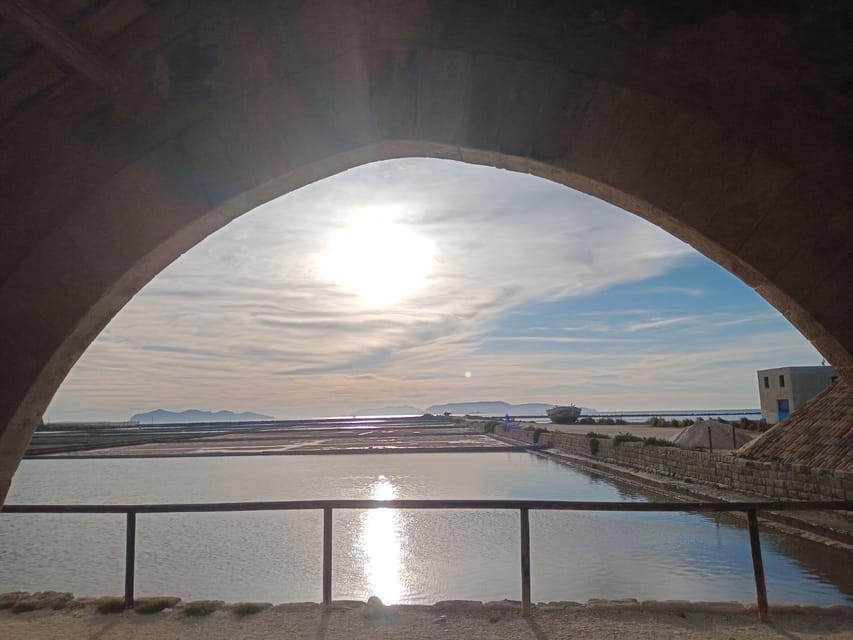
REVIEW · ITALY BIRDWATCHING TOURS
Trapani: Salt Pans Sunset Tour and Flamingo Way
Sunset turns salt into gold. This two-hour outing from Trapani combines flamingo and bird watching with a look at the old salt-making world around Paceco, making it a smart choice if you do not have a car. I especially like the easy hotel pickup and the chance to visit working salt pans, windmills, salt heaps, and the Salt Museum in one short trip. The main catch is seasonal: flamingos are not guaranteed, and the outdoor stops can feel chilly once the sun drops.
The tour costs $34 per person, which is fair for hotel transportation, a driver, audio commentary, and museum entry. I also like that the group can be small, sometimes around eight people, though the quality of the live explanation may depend on your driver and the language mix in the van.
Key points to know before booking
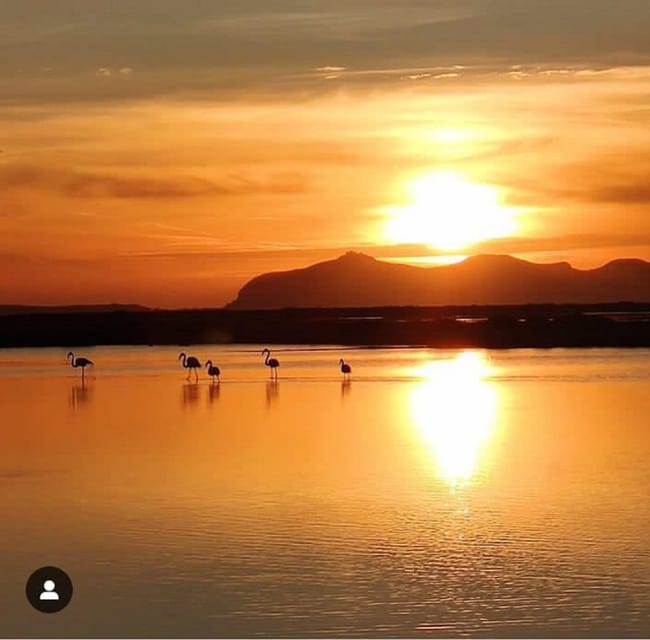
- Sunset is the main event: The salt basins reflect the last light beautifully, and the final stop gives you time for photographs.
- Flamingos are possible, not promised: You may also spot avocets and other migratory birds, but sightings vary by season.
- The Maria Stella and Chiusicella stops add variety: You see salt piles, shallow basins, old buildings, and working areas rather than only viewing the reserve from a road.
- The Culcasi Salt Museum gives the outing context: Its historic windmill and displays explain the physical work, trade, and local economy behind Sicilian salt.
- Hotel pickup makes the tour practical: Pickup and drop-off are included within Trapani city, a useful advantage if you are without a car.
- Bring warm layers and binoculars: The experience is mostly outdoors in the evening, and the provided binoculars can help with distant birds.
Why Trapani’s salt pans are worth your evening
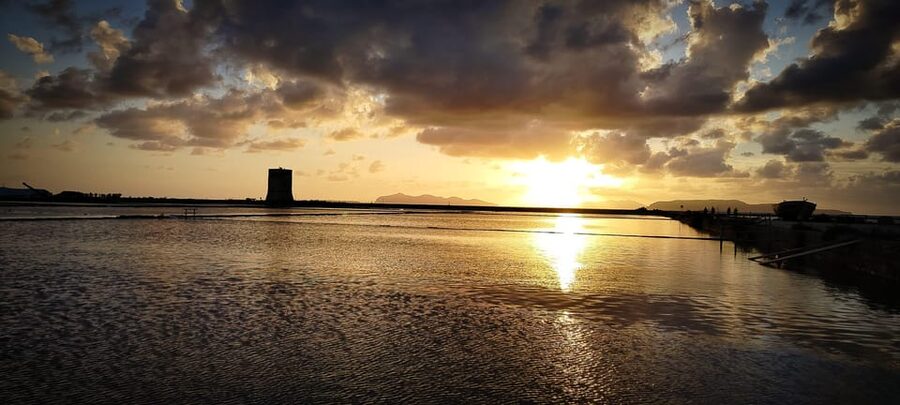
The Saline di Trapani e Paceco nature reserve covers almost 1,000 hectares. Its shallow basins create a watery world of narrow banks, salt mounds, old windmills, and open spaces where birds can feed and rest.
The salt pans are not simply a scenic stop. Salt has been harvested here for centuries, and the work shaped the economy and daily life of the surrounding area. Water is moved through a series of basins, gradually becoming saltier as it evaporates. The remaining salt is gathered into bright white piles that look almost snowy under the Sicilian sun.
That setting gives the tour more substance than a quick sunset drive. You are seeing an industry that still defines the area, not a display built only for sightseeing. The process is easier to understand once you see the basins arranged across the flat coastal plain.
The birdlife is another reason to come. Flamingos are the stars, but avocets and other migratory birds also pass through the reserve. Bring your own binoculars if you have them, although binoculars may be provided during the tour. Keep expectations sensible. In June, one visitor saw few flamingos because it was the wrong season, while another group later watched a formation fly overhead. Nature makes the schedule, not the tour company.
More Flamingo Tours in Italy:
- Cagliari: Bike Tour in the Flamingo Oasis
★ 4.7 · 141 reviews - Cagliari E-Bike Tour: Gulf, Canals & Flamingos at Molentargius
★ 5.0 · 79 reviews - Cagliari E-Bike Tour: Canals & Flamingos at Molentargius
★ 4.8 · 60 reviews
A simple ride from Trapani to the salt works
Pickup takes place at your hotel in Trapani city. That door-to-door service is a real benefit because the salt pans are outside the city and public transport will not give you the same easy access to the scattered stops.
The van ride to the reserve takes about 15 minutes. Along the way, you pass the Sosalt Spa Sale Marino salt works, an early reminder that salt production here is not just a historical footnote. The van is described as clean and comfortable, and the total drive time is short enough that the tour does not feel like a long transport exercise.
Audio commentary is available in English and Italian. That helps when the driver needs to focus on the road or when the group includes speakers of both languages. The experience can be less personal if the driver relies heavily on the recording. One English-speaking visitor found the audio useful but felt that conversation in Italian sometimes took over the ride. If you want a detailed explanation at every roadside stop, it is worth keeping that limitation in mind.
The strongest part of the guiding usually comes at the salt sites and museum. Drivers such as Salvatore have been praised for being punctual, calm, and attentive, while museum guides such as Nathalie have provided clear explanations in separate English and Italian sessions when needed. Names and guide styles can change, of course, but the structure of the visit is designed to work for both languages.
Trapani Salt Pans: white heaps and shallow water
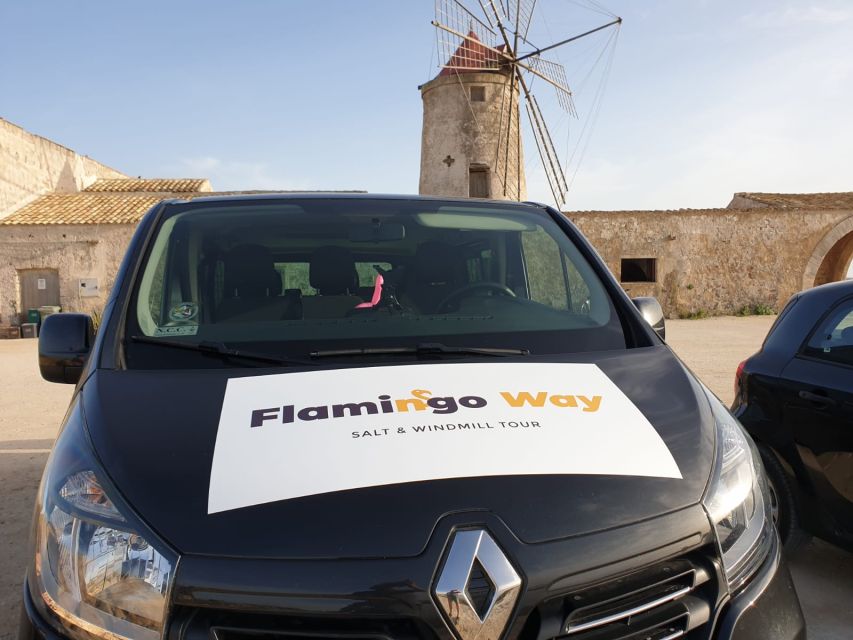
The first main photo stop takes you into the Trapani salt pans for around 15 minutes. This is your introduction to the geometry of the reserve: straight banks, reflective water, salt heaps, and windmills set against the open sky.
The colors shift with the light. During the afternoon, the basins may appear blue, gray, or pinkish. Near sunset, they pick up copper and gold. Keep your camera ready, but do not spend the whole stop staring at a screen. The broad views are part of the pleasure.
This stop is also where expectations matter. The salt pans are wide and low, not a formal park with a long path and many signs. You may find the first stop visually impressive but lightly interpreted, particularly if your driver gives only brief commentary. The later museum visit does more to explain what you are seeing.
The area is active and working, so you should stay on permitted paths and respect the salt operations. The reserve is a place for quiet observation rather than noisy exploration. Binoculars are useful because birds may remain at a respectful distance across the water.
Chiusicella: a closer look at the salt fields
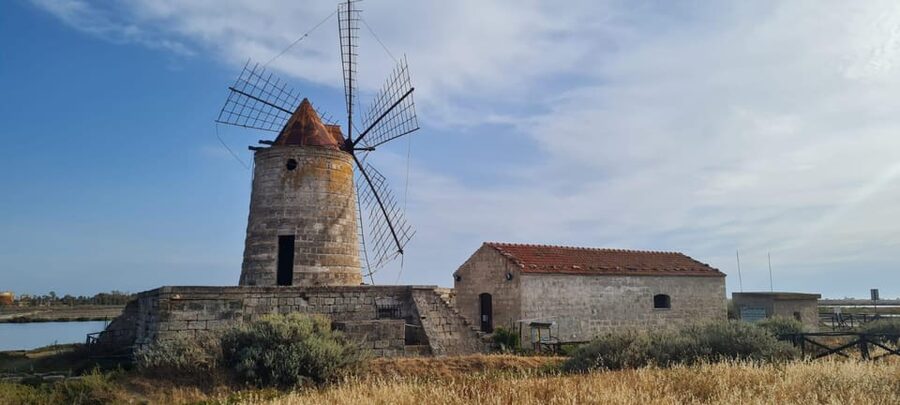
The Salina Chiusicella stop lasts about 15 minutes and includes time for photographs, a walk, wildlife watching, and views across the basins. It gives you a better feel for the scale of salt production than a quick roadside glance.
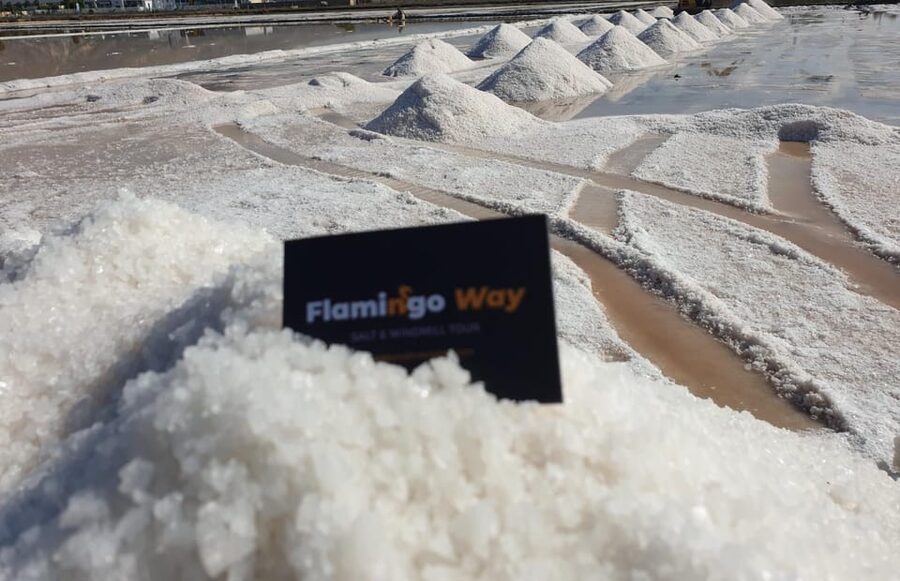
Look for the contrast between the white salt mounds and the darker water. The straight edges of the basins create strong photo lines, while birds add movement to an otherwise calm setting. This is a good place to watch quietly and let your eyes adjust.
You may see flamingos here, but there is no guarantee. The reserve’s bird population changes with the season, and even a good visit may produce only distant sightings. Avocets and other birds can still make the stop worthwhile, especially if you enjoy wildlife photography rather than chasing one particular species.
The tour also refers to the Salinaro trail and a ride aboard the salt basins. The exact amount of time devoted to these parts may depend on the day’s schedule, so I would treat them as part of the salt-making experience rather than expect a long independent walk. The tour moves at a steady pace, but several guests have found that it does not feel rushed.
More Sunrise and Sunset Birding in Italy:
- Cape Town: Penguins and Cape of Good Hope Sunset Tour
★ 4.2 · 303 reviews - Flamingo-Birdwatching in the Ebro Delta at Sunset
★ 4.6 · 42 reviews - Phillip Island Penguin Direct Sunset Tour
★ 4.5 · 36 reviews - Reykjavik: Premium Whale and Puffin Watching Evening Tour
★ 4.9 · 28 reviews
Calcara and the old windmill tradition
The visit to Salina Calcara is mainly a photo stop and pass-by, lasting about 10 minutes. It adds another view of the salt works and helps connect the separate sites into one larger system.
The old windmills are among the most recognizable features here. Their simple shapes once helped move water between the basins, and they now give the area its classic profile. Against the evening sky, they make excellent subjects for photographs.
Do not expect every stop to be a full guided visit. Some are brief viewing points, while the museum receives the longest block of time. That division works well for a two-hour tour, but it is useful to know before you book. You are getting a compact introduction rather than an in-depth field study.
Culcasi Salt Museum and the restored windmill
The Salt Museum is the educational heart of the experience. The visit lasts about 45 minutes and includes the historic windmill, museum entry, a guided explanation, free time, and the sunset.
The museum shows how salt was harvested over the decades and why the work mattered to the region. You learn about the social and economic role of salt, as well as the physical strain placed on the people who worked in the early industry. That human side makes the piles and basins outside easier to understand.
The windmill has been converted into a museum, giving you a chance to see the machinery and setting together. Instead of hearing an abstract explanation of water movement, you can connect the tools and buildings with the basins you have just visited.
The guides can make a major difference here. Nathalie has been praised for giving a clear, engaging explanation, and English and Italian presentations may be separated when the group requires it. The museum is small enough to feel focused, and the allotted time is generally sufficient without turning the visit into a long lecture.
You may also have time for a drink or a snack near the museum, but do not count on quick service during a busy sunset period. One visitor hoped to sit with a drink while watching the sunset but found the bar and restaurant too busy to serve the group easily. If refreshments matter to you, bring water and a small snack rather than relying on the final stop.
Sunset over the Mediterranean
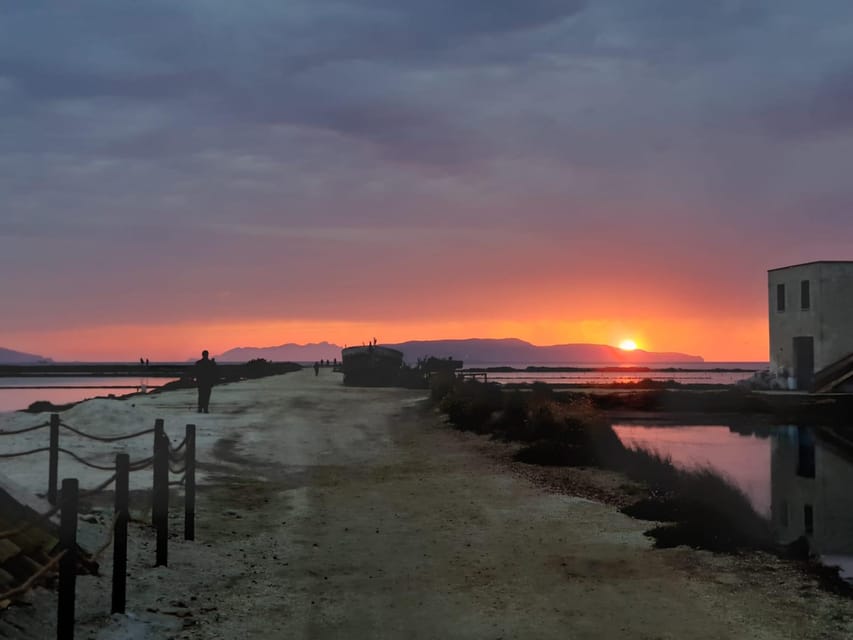
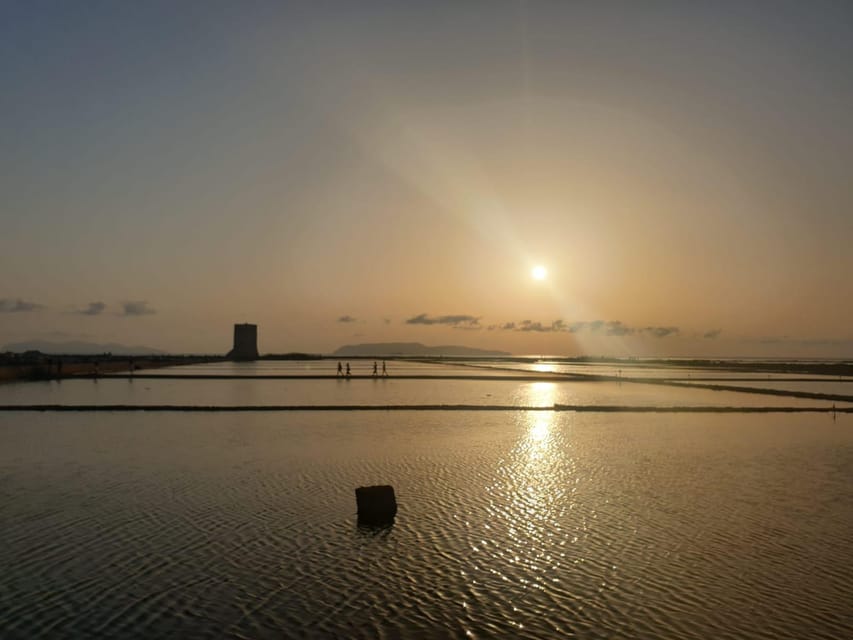
The tour saves its best visual moment for the end. As the sun lowers, the shallow basins reflect the sky and the salt piles take on warm shades. You can photograph the windmill, water, salt heaps, and birds in the same frame.
The sunset view reaches toward the Mediterranean, giving the final part of the tour a calm, open feeling. It is also the point where the tour becomes less about facts and more about simply being outside. You may get a last look at the birds, take a few portraits, or wait for the colors to change.
Bring a warm layer. Even when Trapani feels hot during the day, the exposed salt pans can feel cool once evening arrives. There is little shelter at the outdoor stops, and you will be standing or walking on open ground for much of the experience.
If photography is your main goal, arrive with a charged phone or camera and enough storage. The reflections change quickly, so the final 10 minutes can pass fast. You will get better results by taking a few wide shots first, then looking for details in the windmill, salt textures, and bird silhouettes.
Is $34 a fair price?
At $34, this is good value if you do not have a car. Hotel pickup and drop-off remove the need to arrange transport to a spread-out reserve, and museum entry is included. You also receive a driver, audio guide, and access to a compact route through several salt sites.
The price is less compelling if you already have a car and want to spend half a day exploring slowly. The whole experience lasts only two hours, and some stops are brief. A self-guided visit could give you more time for photography, although it would not necessarily provide the same museum explanation or convenient door-to-door service.
The small-group format is another plus. Groups of around eight have been reported, which is a comfortable size for a van and easier to manage at photo stops. The exact group size can change, so you should not assume a private outing.
Free cancellation up to 24 hours before the start and the option to reserve without paying immediately add useful flexibility. The tour runs in English and Italian, with pickup available directly from hotels in Trapani city.
Who will enjoy this tour most?
I would recommend it to you if you want several Trapani sights in a short evening without renting a car. It suits photographers, bird watchers, couples looking for a quiet sunset, and anyone curious about how salt shaped local life.
It is also a good fit for first-time visitors who want an introduction before deciding whether to return to the salt pans independently. The museum supplies the background, while the outdoor stops show the real working setting.
You may want another option if you need guaranteed flamingo sightings, dislike standing outdoors, or want a long nature walk. The salt pans are broad and exposed, and bird sightings depend on the season. The tour is also not ideal if you expect a fully live explanation at every stage of the ride.
For anyone with limited mobility, ask in advance about getting in and out of the van at each stop. A step stool was not used consistently on one visit until a passenger requested it. That does not define every departure, but it is a practical point worth raising before booking.
Should you book the Trapani salt pans sunset tour?
Book it if you want an easy, well-priced introduction to Sicily’s salt country, especially without a car. The best reasons are the hotel pickup, small-group feel, historic windmill museum, and beautiful sunset reflections.
Go with realistic expectations about the birds and the commentary. Flamingos may appear, but they are seasonal and never promised. Some outdoor stops are short, and the audio guide may carry much of the explanation during the ride.
For $34, I think the combination is worthwhile. You get nature, local industry, photographs, and a memorable evening outside Trapani without spending half a day arranging transport. Wear warm clothes, bring binoculars if you have them, and leave room for the sunset to be the star of the show.
FAQ
How long does the Trapani salt pans sunset tour last?
The tour lasts about two hours, including hotel pickup and drop-off within Trapani city.
Is hotel pickup included?
Yes. Pickup and return transportation are included for hotels in Trapani city.
Are flamingos guaranteed?
No. Flamingo sightings depend on the season and wildlife conditions. You may also see avocets and other migratory birds.
What languages are available?
The tour operates in English and Italian. Audio commentary is available in both languages, and the museum may provide separate English or Italian explanations.
Is entry to the Salt Museum included?
Yes. Entry to the Salt Museum is included in the tour price.
Are food and drinks included?
No. Meals and drinks are not included. Refreshments may be available near the museum, but service can be busy during sunset.
More Evening Experiences in Italy
- Oamaru: Penguins Evening Viewing Ticket
★ 4.5 · 682 reviews - Guided Evening Penguin Viewing Otago Peninsula, Dunedin, New Zealand
★ 5.0 · 471 reviews - Akaroa: Pohatu Little Penguins 3-Hour Evening Experience
★ 4.8 · 119 reviews - Cape Town: Sunset Penguins & Cape of Good Hope Half-Day Tour
★ 3.8 · 14 reviews
Just added around Italy
- Lio Piccolo: Flamingos & Birdwatching Bike Tour in the Lagoon★ 5.0 · 7 reviews
- Falconry experience in Tuscany★ 5.0 · 24 reviews
- Vendicari – Sicily’s best coast nature reserve ( Birdwatching & Archeology )★ 5.0 · 8 reviews
- Vendicari private visit 3 hours The Bird Hotel.★ 5.0 · 2 reviews
- Birdwatching at Saline Maria Stella in Trapani★ 5.0 · 3 reviews
- Combo: Cagliari Old Town and the Oasis of Flamingos★ 5.0 · 22 reviews
- Matera: Handmade Clay Bird Workshop★ 5.0 · 4 reviews
- Experience with birds of prey in Tuscany★ 5.0 · 4 reviews
Flamingo Tours, compared.
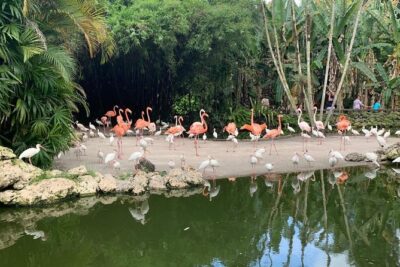
Skip the Line: Flamingo Gardens Admission Ticket in Fort Lauderdale
Read our review →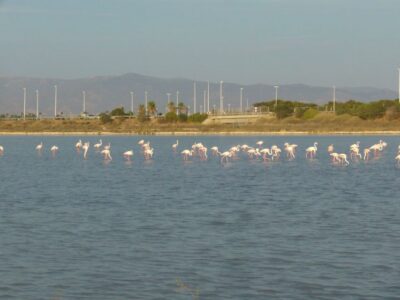
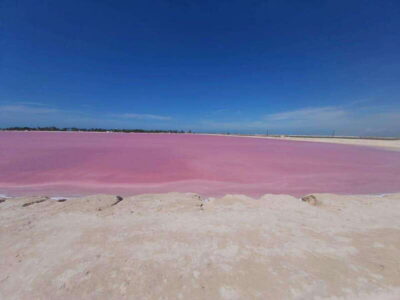

Private Ría Lagartos Boat Tour: Flamingos & Crocodiles
Read our review →
Cagliari E-Bike Tour: Gulf, Canals & Flamingos at Molentargius
Read our review →
Browse the lists this tour appears in