
REVIEW · NEW DELHI BIRDWATCHING TOURS
Discover Birding heaven at Sultanpur in a day from Delhi
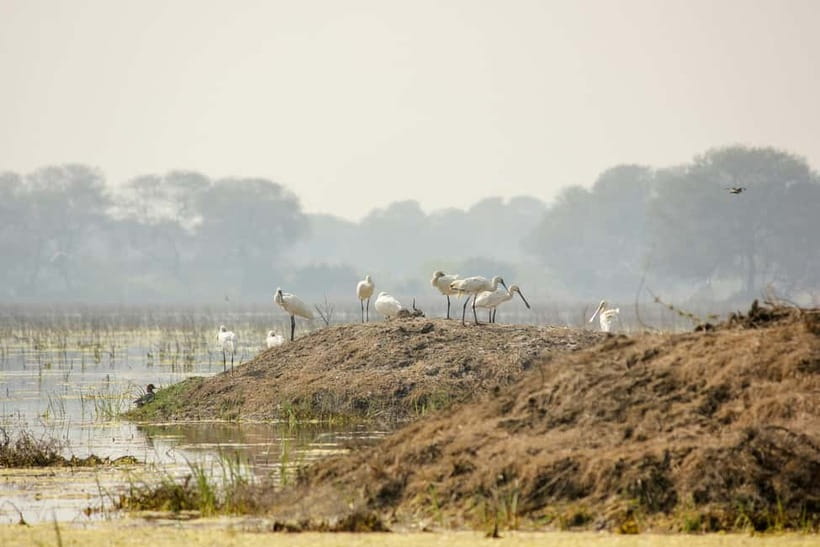
Delhi has a quieter morning worth chasing. Sultanpur Bird Sanctuary gives you wetlands, forest, and roughly 250 bird species within about two hours of the capital. I like the easy private pickup and the chance to trade Delhi traffic for a large lake, resident birds, and seasonal migrants. The capable guide is another strong point, especially if you want help spotting small or distant birds.
I also like the wildlife bonus. Along with kingfishers, storks, ibises, and ducks, you may see blue bull, or nilgai, and black buck. The main drawback is timing: the visit is short, binoculars and telescopes are not included, and from May through September the core area closes for annual repair work.
Sultanpur Bird Sanctuary at a glance
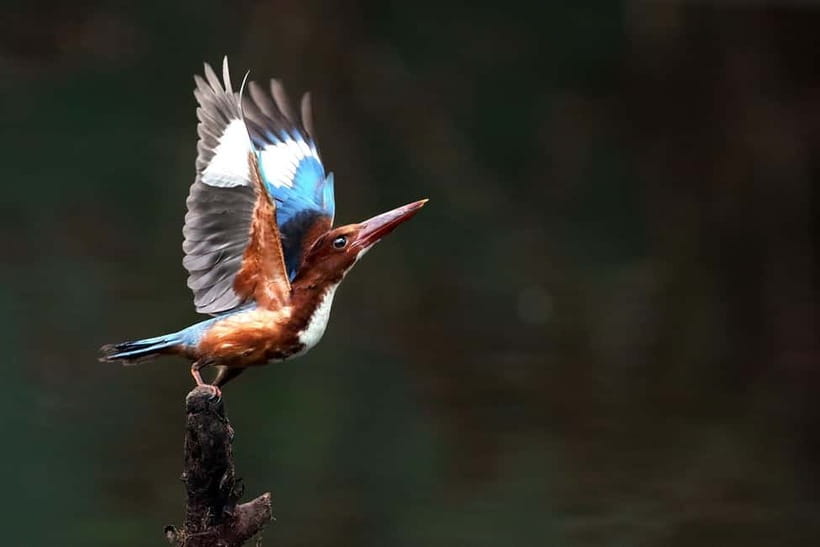
- About 250 bird species: Look for Purple Sunbird, Indian Roller, White-throated Kingfisher, Painted Stork, White Ibis, and many more.
- A quick escape from Delhi: Pickup normally begins between 6:00 and 7:00 a.m., with roughly two hours of driving each way.
- Wetlands and forest in one visit: The sanctuary combines a lake and waterbody with wooded paths and open habitat.
- Strong winter birding: More than 100 migratory species arrive during the colder months, including flamingos, teals, wagtails, and sandpipers.
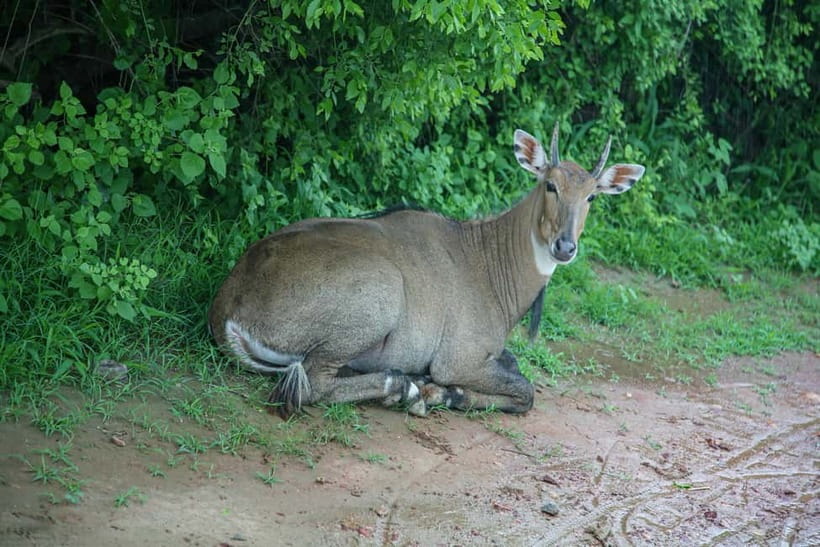
- Wildlife beyond birds: Nilgai and black buck add interest when the bird activity slows.
- Simple walking route: A full circuit takes about 1.5 hours on foot, with two to three hours set aside inside the park.
Why Sultanpur makes sense from Delhi
Delhi offers monuments, markets, and plenty of traffic. Sultanpur offers a different kind of morning, one shaped by calls from trees, movement across shallow water, and patient scanning through reeds. You do not need to spend a night away from the city to reach it.
The sanctuary is in Haryana, close enough for a half-day outing. A private air-conditioned car collects you from your hotel or Delhi airport and returns you later, so you avoid arranging a taxi for an early departure and a remote return journey. That convenience matters here because the best part of the day begins early.
At $62 per person, this is not the cheapest possible way to reach Sultanpur. You are paying for private round-trip transport, a host who stays with you, and park admission. If you already have a car, binoculars, and a good plan for the sanctuary, the price may feel high. If you are visiting Delhi without local transport, the cost is easier to justify.
The experience also offers something that a standard city tour cannot. You get open space, bird habitat, and a real break from Delhi’s noise. One past participant valued it precisely because it felt so different from the usual city sightseeing, and that is a fair description of the appeal.
A few more birding trips around the world worth a look
- Penguin Parade, & Wildlife Encounters Eco Tour from Melbourne
★ 5.0 · 3,774 reviews - Cape Town: Cape of Good Hope & Penguins Day Tour with Pickup
★ 4.7 · 3,362 reviews - Cape Point and Boulder’s Penguins Full Day Tour
★ 5.0 · 3,118 reviews
The early drive from Delhi
Pickup takes place between 6:00 and 7:00 a.m. The exact time depends on your hotel or airport location, but you should be ready early. A morning departure gives you the best chance of reaching the sanctuary while birds are active and before the day becomes hot.
The drive takes about two hours. That is long enough to make the air-conditioned car useful, but short enough for Sultanpur to work as a day trip. You will spend a meaningful part of the outing on the road, so the private vehicle is more than a luxury. It makes the visit practical.
The package includes hotel or airport pickup and drop-off, but not large bags. Pack lightly. A small day bag with water, a hat, a phone, and any personal optics is the sensible choice. Binoculars and telescopes are not included, so bring your own binoculars if you have them.
The host accompanies you throughout the tour. That does not guarantee a rare sighting, of course, but it gives you a better chance of noticing birds you would walk past alone. A host can also help you use the limited time well, especially if you do not know the difference between a duck, a wader, and a distant black-and-white shape near the water.
Arrival and the first two hours inside
Arrival is scheduled for about 8:00 a.m. The host handles the national park tickets, allowing you to get inside without dealing with that step yourself. Once through the entrance, you receive about two to three hours of free time to explore the wetlands and forest.
That free time is useful because birding does not follow a fixed script. You may spend several minutes watching a kingfisher on a branch, then walk on and find a group of ducks or storks across the water. A rigid schedule would make the experience feel rushed. Here, you have some room to stop, look, and listen.
A complete walk around Sultanpur takes about 1.5 hours. That leaves time for pauses, extra birdwatching, and perhaps a second look at a productive waterbody. The terrain is described as flat and comfortable, but the experience is not suitable for people with mobility impairments. You should expect a walking outing rather than a drive through the park.
Sultanpur combines two useful habitats. The lake and wetlands attract waterbirds, while the forest and other wooded areas offer smaller birds. That mix helps explain why the sanctuary can support such a long species list.
The birds you may see
The bird list is the main reason to book this outing. Around 250 species have been recorded here, though no short visit will produce the whole list. Your sightings will depend on the season, weather, water conditions, and plain luck.
Resident birds may include:
- Purple Sunbird
- Indian Roller
- White-throated Kingfisher
- Spot-billed Duck
- Painted Stork
- White Ibis
- Black-headed Ibis
- Eurasian Collared Dove
- Spotted Owlet
- Magpie Robin
- Eurasian Thick-knee
These names give you a sense of the range. Some are colorful and easy to notice, such as the kingfisher or Indian Roller. Others are more restrained and require patience. The Eurasian Thick-knee, for example, is not the sort of bird you are likely to spot without careful attention.
The sanctuary becomes especially interesting in winter, when more than 100 migratory species arrive for food and shelter. Potential winter sightings include Greater Flamingo, Ruff, Black-winged Stilt, Common Teal, Common Greenshank, Northern Pintail, Yellow Wagtail, White Wagtail, Northern Shoveler, Gadwall, Wood Sandpiper, Eurasian Wigeon, Black-tailed Godwit, Spotted Redshank, Bluethroat, and Long-billed Pipit.
The list also includes Siberian Cranes and Rosy Pelicans. You should treat these as possible sightings, not promises. Birding rewards attention, but it never gives you a receipt for a particular species.
Summer has its own appeal. About 11 migratory species visit during the warmer months, including Asian Koel, Black-crowned Night Heron, Eurasian Golden Oriole, Comb Duck, Blue-cheeked Bee-eater, Blue-tailed Bee-eater, and several cuckoos. The species mix changes, so a visit outside winter is not automatically a poor choice.
Same place, a different set of birds:
- Cape of Good Hope & Boulder Penguins Full-Day Tour from Cape Town
★ 5.0 · 2,347 reviews - From Melbourne: Penguin Parade, Koalas & Kangaroos
★ 4.5 · 1,932 reviews - Table Mountain, Penguins & Cape Point Small Group Tour Cape Town
★ 4.5 · 1,797 reviews - Cape Town Tour: Table Mountain, Penguins & Cape Point+Pickup
★ 4.7 · 1,671 reviews
The May to September change

There is an important seasonal restriction. From May through September, the core area is closed for annual repair and improvement work. Birdwatching is then arranged in the buffer zone outside the reserved core area.
This changes the character of the outing. You may not have access to the same trails or water edges available during the rest of the year. If you are visiting mainly for the full sanctuary circuit, winter or another period outside the closure may suit you better.
The buffer zone can still offer bird sightings, but you should set your expectations correctly. This is not a minor footnote. Ask about the seasonal access arrangement before booking if the exact park area matters to you.
Nilgai, black buck, and the extra wildlife
Sultanpur is not only about birds. You may also spot nilgai, often called blue bull, and black buck. These animals add a welcome change of pace when birds are distant or tucked into cover.
The wildlife sightings are a bonus, not the central promise. You should book for the sanctuary’s bird habitat and treat the mammals as an added reward. That balance keeps expectations sensible.
The presence of larger animals also makes the visit feel broader than a simple list of bird names. You are watching a functioning natural area near one of India’s largest cities, not visiting a display of captive animals. The appeal comes from seeing what happens to be active on the day.
Lunch and the return to Delhi
At about 11:00 a.m., you have free time for an optional lunch at a professional restaurant next to the park. Major meals and beverages are not included, so budget separately for food.
The lunch stop is practical rather than a major part of the outing. It gives you a chance to sit down after walking and eat before the return journey. If you prefer to keep the day short, you may want to confirm how long the stop will be with your host.
After lunch, the car returns you to your hotel or airport in Delhi. The drive takes roughly another two hours. In total, this is a full morning and early afternoon commitment, not a quick add-on between two city attractions.
That timing makes the tour a good fit for an arrival day with an evening plan, a free morning, or a final day before a later flight. Still, allow breathing room around the return because road conditions can affect the timing. The stated schedule is an estimate, not a guarantee.
Is $62 a fair price?
The value depends on what you need. For one person with no transport, no local park knowledge, and limited time in Delhi, $62 covers several useful pieces: a private air-conditioned car, hotel or airport pickup and return, an accompanying English-speaking host, and park admission.
For a couple or family, the private vehicle may make the outing more comfortable than piecing together separate transport. You also avoid the planning burden of reaching a sanctuary early in the day and arranging the trip back.
The price does not cover lunch, drinks, binoculars, or a telescope. Those omissions are reasonable, but they matter to the final cost. A serious birdwatcher should bring personal binoculars, since relying on unaided eyesight will make distant birds harder to identify.
The two five-star assessments point to the tour’s strongest qualities: the guide and the change of scene. One praised the guide’s ability with birds, while another valued the experience as an unusual break from Delhi’s standard sightseeing. Those are the reasons I would consider the tour, rather than the bare number of species alone.
Who should book this morning?
I would recommend this experience to you if you enjoy nature but have only one free day from Delhi. It also suits first-time birdwatchers who want help from a host, photographers who can work with their own equipment, and repeat visitors looking for a quieter change of pace.
It is a good match for people who like gentle walking on flat ground. The full circuit takes about 1.5 hours, but you can use the two to three hours inside the park at a relaxed pace.
You may want to skip it if you dislike early starts, long drives, or uncertain wildlife sightings. It is also less suitable if you need full mobility support, large luggage, or guaranteed access to the core sanctuary area during May through September.
Bring light luggage, comfortable walking shoes, sun protection, and binoculars if you own them. Check the seasonal access arrangement before paying, especially if your main goal is the sanctuary’s central wetlands.
Final call: a smart nature break with sensible limits
Book this tour if you want a simple, organized escape from Delhi and understand that birding depends on nature’s timetable. The private transport, capable host, park entry, and close access to a major wetland make the $62 price reasonable for many visitors.
Do not book it expecting every bird on the list or a guaranteed sighting of flamingos, cranes, or black buck. Book it for the chance to spend a quiet morning among water, trees, and birdlife, with someone helping you make sense of what you see. For a half-day nature outing near Delhi, that is a worthwhile trade.
FAQ
How far is Sultanpur Bird Sanctuary from Delhi?
The drive takes about two hours each way from Delhi.
What time does pickup take place?
Pickup is scheduled between 6:00 and 7:00 a.m. from your hotel or Delhi airport.
How long do I have inside the sanctuary?
You receive about two to three hours to explore the wetlands and forest. A complete walking circuit takes roughly 1.5 hours.
Are binoculars or telescopes included?
No. Binoculars and telescopes are not included, so bring your own if you have them.
Can I visit the core area from May through September?
No. During May through September, the core area is closed for annual repair work. Birdwatching is arranged in the buffer zone outside the reserved area.
Is lunch included?
No. Major meals and beverages are not included. Optional lunch is available at a professional restaurant next to the park.
Just added around the world
- Everglades: Birding, Wildlife, and Photography Expedition★ 4.6 · 38 reviews
- Everglades National Park: 2 hour Dolphin & Birding Boat Tour★ 4.3 · 14 reviews
- Discover the fantastic world of birds of prey in the Pollino National Park.★ 5.0 · 2 reviews
- Whales & Humboldt Penguins: Chañaral or Damas island hiking★ 4.3 · 10 reviews
- Cape Town: Table Mountain,Cape Point & Penguins Private Tour★ 5.0 · 3 reviews
- Cape Town: Tour Cape Point & Boulders Beach Penguin Day Trip★ 4.8 · 10 reviews
- Cocora: trek to the hummingbirds sanctuary★ 5.0 · 2 reviews
- Cape Town Table Mountain Penguins & Cape Point All-inclusive★ 4.7 · 36 reviews
New Delhi Birdwatching Tours, compared.

From Delhi: 5 Day Golden Triangle, Safari, & Bird Sanctuary
Read our review →
7 Day Golden Triangle Tour with Wildlife-Taj Mahal Tigers & Birds
Read our review →Browse the lists this tour appears in