
REVIEW · PORTUGAL BIRDWATCHING TOURS
Óbidos: Lagoon Birdwatching Tour with Local Biologist
Birds make Óbidos feel worlds away. This two-hour private outing leaves the medieval walls behind and takes you to the quiet waters of the Óbidos Lagoon, where shallow feeding grounds attract flamingos, egrets, spoonbills, cormorants, and other wetland birds. I like the local guide’s close ear for bird calls and the fact that binoculars are provided. I also like the mix of reed beds, open water, fields, and sandy shores, so the scenery keeps changing without needing a long hike.
The main drawback is simple: this is not a good choice if you have mobility impairments. Bird sightings also depend on tides, weather, and season. You may see a fine selection of species, but no guide can order the birds to pose. The tour meets at Porta da Vila, costs $47 per person, and returns there after two hours.
Key points to know before you book
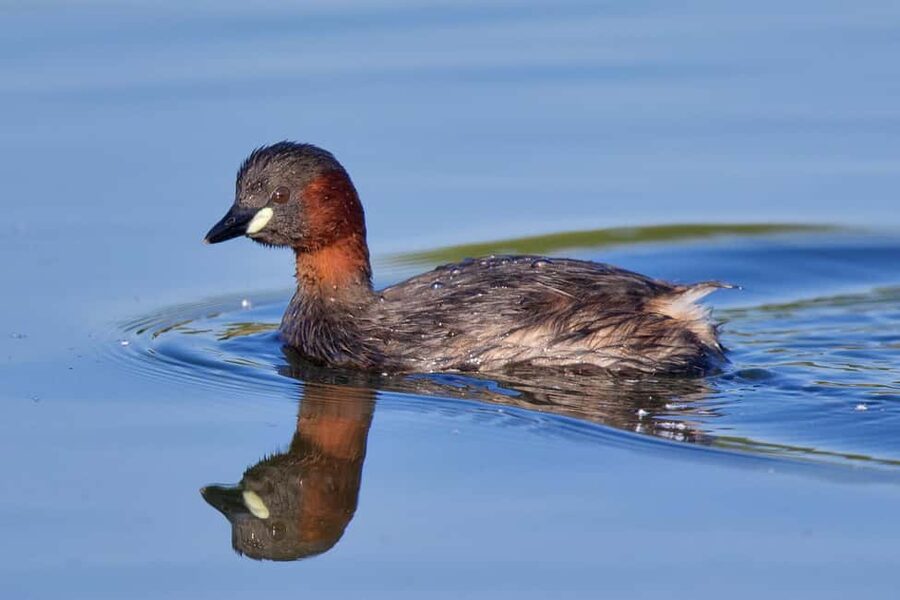
- The bird list can be impressive: Flamingos, great egrets, Eurasian spoonbills, cormorants, kingfishers, little grebes, northern shovelers, kestrels, and grey herons may all appear.
- The guide adds real value: A local biologist helps you identify birds by sound, shape, flight, color, and behavior.
- The lagoon has a working history: Its Atlantic channel, called an Aberta, must be reopened as silt builds up.
- It is a private-group outing: You get a quieter, more focused nature experience than you would on a large group trip.
- The timing matters: Low tide can reveal feeding areas, while sunrise and sunset offer the best light for photography.
- The price includes useful gear: Your guide and binoculars are included, though bringing a camera and weather-ready clothing is still wise.
From Óbidos walls to Atlantic wetland
The change of scene happens quickly. You begin at Porta da Vila, the familiar gateway to Óbidos, then leave behind the town’s stone lanes and medieval feel for the broad, open setting of the lagoon.
That contrast is one of the pleasures of this outing. In Óbidos, the focus is on walls, churches, and old streets. At the lagoon, your attention shifts to tides, bird calls, wind in the reeds, and small movements along the shore. It is a good way to add nature to a visit that might otherwise center entirely on historic sights.
The starting point is a quiet viewpoint overlooking the water. From there, the guide helps you slow down and scan rather than rush from one sight to the next. That pace matters in birdwatching. A bird may appear as a dark shape at first, then reveal itself through its long neck, unusual bill, hovering flight, or sudden movement across the water.
The tour lasts two hours. That is long enough to settle into the setting and look carefully, but short enough to fit into a day of sightseeing around Óbidos. You do not need to commit half a day to the activity, which makes it practical for a short visit.
More Wetland and Lagoon Birding in Portugal
- Faro: Eco-Friendly Ria Formosa Bird Watching in Solar Boat
★ 4.7 · 359 reviews - Faro: Ria Formosa Natural Park Segway Tour & Birdwatching
★ 4.9 · 180 reviews - Ria Formosa Natural Park Birdwatching Segway Tour from Faro
★ 5.0 · 164 reviews
Why the Óbidos Lagoon matters
The Óbidos Lagoon is Portugal’s largest coastal lagoon. Its shallow, nutrient-rich waters are protected from the stronger movement of the nearby ocean, creating feeding areas for many birds.
The lagoon is also connected to the Atlantic through a channel known locally as an Aberta. That opening is not just a scenic feature. It helps renew the lagoon’s water and has long played a part in draining nearby farmland.
The connection has required regular human effort for centuries. In medieval times, local people reopened the channel by hand with hoes and ox-drawn carts when natural silt closed it. Today, mechanical equipment is used because the channel continues to fill with sediment and needs frequent work to keep the waterway functioning.
I find this background especially useful because it gives the birdwatching a practical context. You are not simply looking at birds on a pretty body of water. You are seeing a wetland shaped by tides, sediment, farming, and repeated local work.
The area is also unusual in a broader regional sense. Three major lagoons once existed along this part of the coast, but the Óbidos Lagoon is the one that resisted major coastal change. Its survival depends partly on maintaining that Atlantic link.
A birdwatching lesson, not just a bird checklist
The local guide helps you look at birds as a field observer would. Instead of relying only on color, you learn to notice silhouette, behavior, flight pattern, and sound.
That is where this outing can be more useful than simply carrying binoculars to the shore. A white bird at a distance could be several different species. A bird flying low over the water may be hard to identify until you notice the shape of its wings or the way it moves. The guide gives you a method, not just a name.
One particularly strong feature is the guide’s ability to distinguish birds by their calls. That is a valuable skill because birds are often heard before they are seen. It can also help you notice activity hidden among reeds or beyond the first line of open water.
The guide speaks English and Portuguese. Since the group is private, you can ask questions at your own pace and spend more time on a species that interests you. You are not trying to keep up with a large crowd or compete for a place beside a shared viewing scope.
The birds you may see around the lagoon
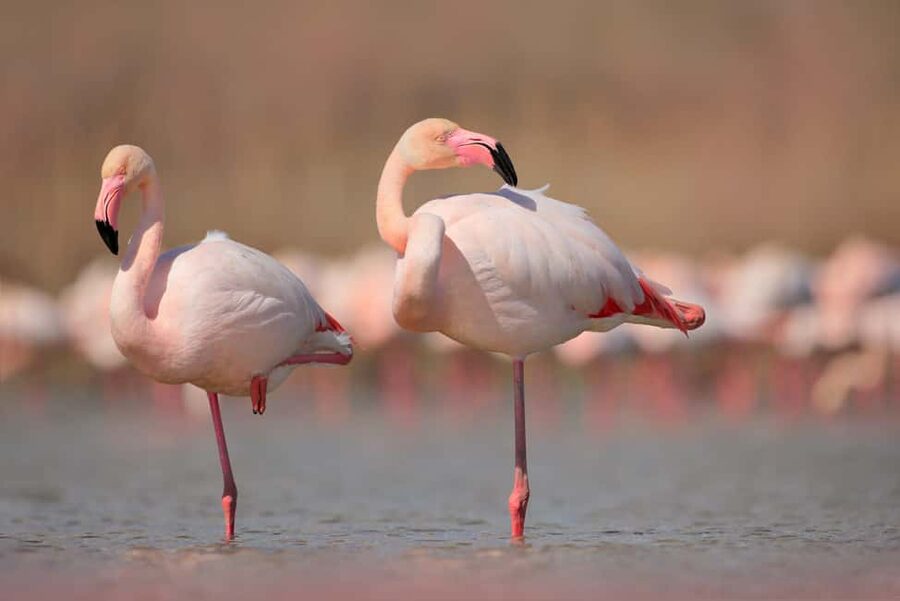
Flamingos are often the first birds to catch your eye. Their pink coloring is easy to pick out against shallow water, especially when a flock gathers at low tide. Watching them feed in still water can be the visual highlight of the morning or evening.
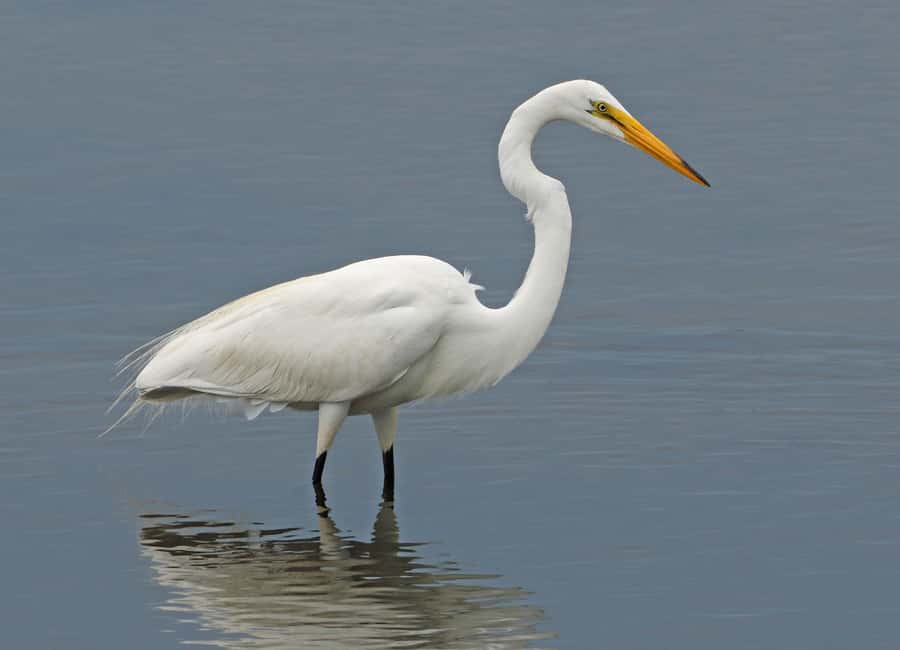
Great egrets bring a different kind of beauty. These tall white birds move slowly along the shore and wait for the right moment to catch food. Their stillness rewards patient watching.
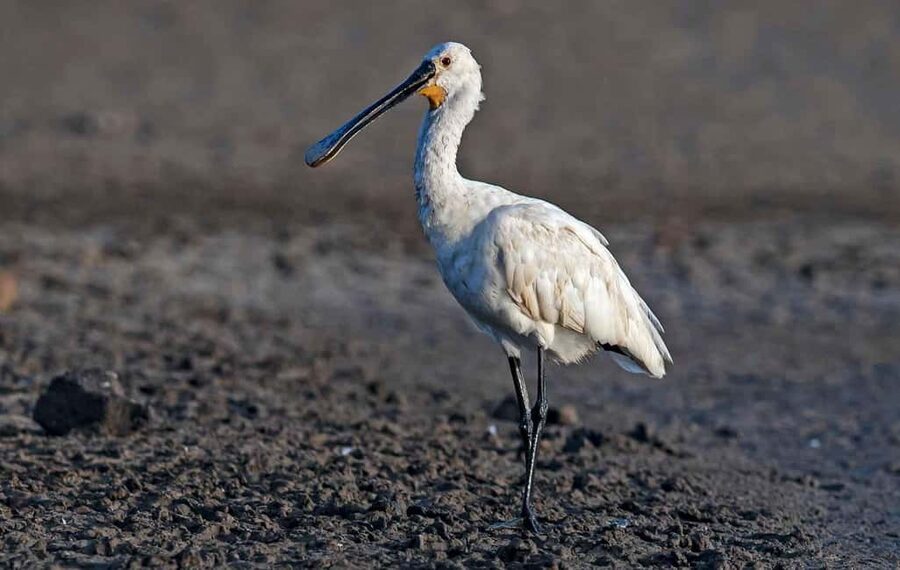
The Eurasian spoonbill is easier to recognize once you know what to look for. Its broad, spoon-shaped bill sweeps from side to side through the water as it feeds. This is exactly the sort of detail a guide can point out before you would notice it alone.
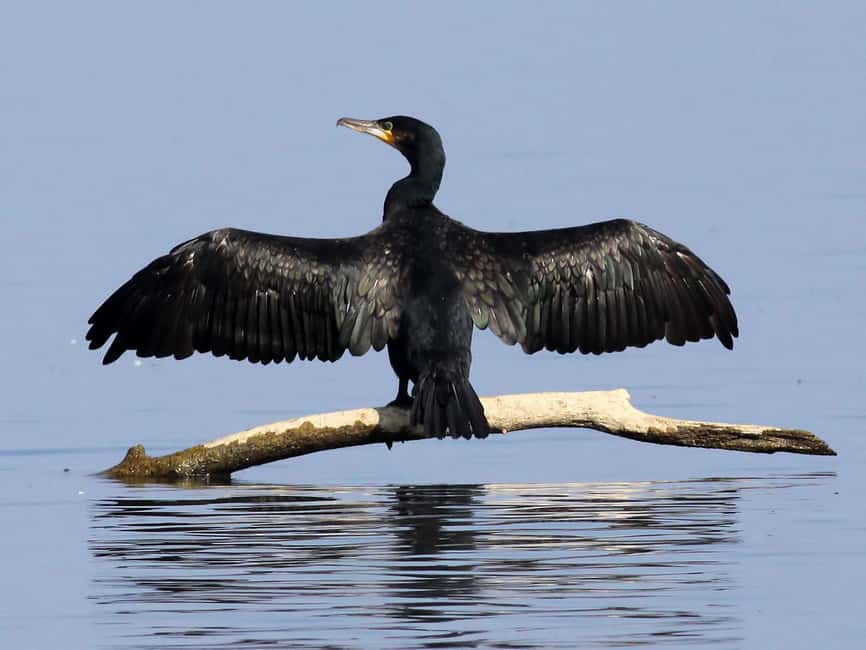
Cormorants are active and well suited to the lagoon’s open water. You may see one disappear beneath the surface, then return somewhere else a short time later. Their dark shape and fishing behavior make them easy to follow once your eyes adjust.
A kingfisher can be harder to spot. It may pass as a quick flash of blue above the water. The sight can be brief, but the guide’s knowledge of calls and movement may improve your chances of noticing one.
Little grebes repeatedly go below the surface and reappear, so you need to watch the water rather than stare at one fixed point. Northern shovelers are recognizable by their wide bills. A common kestrel may hover above nearby fields while searching for prey, and a grey heron may wait almost motionless near the water.
Not every outing will produce every species. That is worth keeping in mind when deciding how much birdwatching experience you want. The appeal is the changing mix of birds, not a guaranteed checklist.
Same place, a different set of birds:
- Dolphin – Whale – Turtle – Bird Watching
★ 5.0 · 350 reviews - Lisbon: Tagus Estuary Nature Reserve Birdwatching Boat Tour
★ 4.9 · 117 reviews - 2-hour Bird Watching Guided Boat Trip in Ria Formosa from Faro Algarve
★ 4.5 · 75 reviews - Faro: Ria Formosa Eco Birdwatching Boat Tour
★ 4.6 · 73 reviews
Reed beds, open water, fields, and sandy shores
The habitat variety gives the two-hour outing much of its interest. Reed beds offer cover and shelter. Open water attracts birds that feed or rest on the lagoon. Sandy edges reveal shallow feeding areas, while nearby fields can bring in birds such as kestrels.
This variety also helps if one part of the lagoon is quiet. You can shift your attention from waterbirds to birds over the fields, or from distant flocks to smaller movement along the reeds.
The setting is peaceful, but it is not empty. The lagoon has a working relationship with the ocean and the surrounding land. Tides redraw the edges, silt changes the channel, and birds respond to feeding conditions. That constant change is why returning at a different time or season could produce a different outing.
For photographers, the broad views and open water provide plenty to frame. Sunrise and sunset are singled out as the best times for photography. The softer light can help with color and reflection, though you should still bring weather-appropriate clothing because the open setting may feel exposed.
What the two-hour itinerary feels like
The tour begins at Porta da Vila. Since no separate transport is included in the details provided, you should confirm how the group reaches the lagoon from the meeting point before booking if that matters to you.
At the lagoon, you spend the main two hours watching, listening, and learning from the guide. Expect time at a viewpoint and around the lagoon’s different habitats rather than a fast-moving sightseeing route.
A typical rhythm is likely to be slow and observant: scan the water, listen for calls, identify a bird, then move carefully to another position. The instructions are clear: wear neutral colors, move slowly, keep a respectful distance, avoid touching plants, and leave no litter.
The tour finishes back at Porta da Vila. That makes it easy to pair with time in Óbidos before or after, though the activity itself is focused on the lagoon rather than the town’s monuments.
Is $47 per person good value?
At $47 per person, the price is reasonable if you want more than a casual look at the water. You receive a private two-hour outing, a local guide, binoculars, and help with identification in English or Portuguese.
The private format is important to the value. You are paying for attention and flexibility, not just transport to a viewpoint. If you already know local birds and own good binoculars, you may find the price less compelling. If you are new to birdwatching, the guide’s ability to identify species by sound can make the outing much more rewarding.
There is also value in the setting. The tour connects wildlife with the lagoon’s history and its Atlantic channel, giving you a better sense of why the area matters. That is more satisfying than simply ticking off a flamingo sighting.
Still, keep expectations sensible. Birdwatching is weather and tide dependent. A private guide improves your chances of noticing wildlife, but it cannot guarantee a specific species or a large flock.
The booking terms are flexible: you can reserve and pay later, and cancellation up to 24 hours before the activity allows a full refund. Those terms help if your Óbidos schedule depends on weather.
Who will enjoy this outing most?
I would recommend it to nature lovers, photographers, couples, families with an interest in wildlife, and anyone who wants a quieter counterpoint to historic Óbidos.
It is also a good fit for beginners. You do not need to know the difference between an egret and a heron before you arrive. The guide can teach you what to notice, and the supplied binoculars remove one common barrier to trying birdwatching.
Experienced birdwatchers may enjoy the private format and the chance to focus on habitat and calls. The local setting can also make the outing worthwhile even if you already recognize common species.
The main limitation is mobility. The experience is not suitable for people with mobility impairments. You should also be comfortable standing or moving slowly outdoors in changing weather, though the supplied information does not specify the exact walking distance or ground conditions.
Bring comfortable shoes, a camera if photography matters to you, and clothing suited to the forecast. Binoculars are provided, but you may still bring your own if you prefer a familiar pair.
Should you book the Óbidos Lagoon tour?
Book this tour if you want a calm, focused nature activity and like the idea of learning how to identify birds rather than simply seeing them. The strongest reasons are the private group, the local biologist, the included binoculars, and the guide’s reported ability to recognize birds by their calls.
I would be more cautious if you have limited mobility, need guaranteed sightings, or prefer a fast-paced excursion. For everyone else, this is a worthwhile addition to Óbidos, especially at sunrise or sunset and during a time when you can pay attention to the tide.
FAQ
Where does the Óbidos Lagoon birdwatching tour begin?
The tour begins at Porta da Vila in Óbidos.
How long does the experience last?
The birdwatching experience lasts two hours and returns to Porta da Vila.
What birds might I see?
Possible sightings include flamingos, great egrets, Eurasian spoonbills, cormorants, kingfishers, little grebes, northern shovelers, common kestrels, and grey herons.
Are binoculars provided?
Yes. Binoculars are provided, although you can bring your own if you prefer.
Which languages does the guide speak?
The live guide speaks English and Portuguese.
Is this a private tour?
Yes. The experience is arranged for a private group.
What should I bring?
Bring comfortable shoes, a camera, weather-appropriate clothing, and binoculars if you wish to use your own pair.
Can I cancel the booking?
Yes. You can cancel up to 24 hours in advance for a full refund. You can also reserve now and pay later.
Just added around Portugal
- Bird Watching in Albufeira Lagoon★ 5.0 · 2 reviews
- Birdwatching day around Sagres★ 5.0 · 3 reviews
- Half-day birdwatching around Faro★ 5.0 · 2 reviews
- Half-day birdwatching around Tavira★ 5.0 · 2 reviews
- Birdwatching at Ria de Alvor★ 5.0 · 2 reviews
- Birdwatching at Abicada and Alvor dunes★ 5.0 · 2 reviews
- Birdwatching day in the Monchique hills★ 5.0 · 2 reviews
- Half-day birdwatching at Alvor dunes★ 5.0 · 2 reviews
Wetland & Lagoon Birding, compared.
Eco-Friendly Ria Formosa Bird Watching in Solar Boat
Read our review →
Ria Formosa Natural Park Segway Tour & Birdwatching
Read our review →
Ria Formosa Natural Park Birdwatching Segway Tour from Faro
Read our review →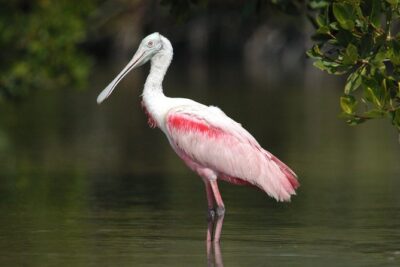
Two-Hour Everglades Dolphin, Manatee and Birding Boat Tour
Read our review →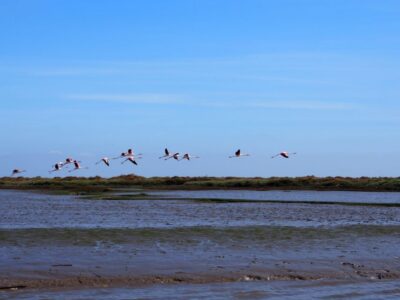
Tagus Estuary Nature Reserve Birdwatching Boat Tour
Read our review →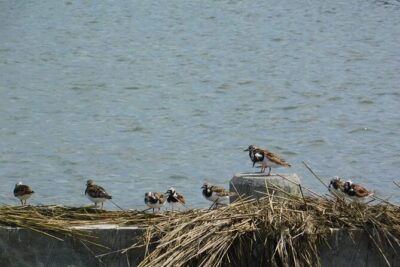
Wetlands Safari Eco-Cruise in Cape May (Osprey Birding By Boat)
Read our review →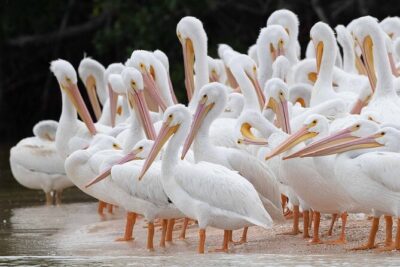
Everglades Birding, Dolphin and Wildlife Boat Tour (2 hours)
Read our review →
Desembocada and Ameca River Bird Paradise (Wetland and Tropical birds in PV)
Read our review →Browse the lists this tour appears in