
REVIEW · USA BIRDWATCHING TOURS
Big Island: Native Bird Watching & Hiking Tour
Rare birds reward patient eyes. This 12-hour outing takes you from Kona or Waikoloa to Hakalau Forest National Wildlife Refuge, a restricted area that is difficult to visit on your own. I like the small group, limited to nine people, and the careful access provided by a professional bird-tracking guide. I also like that breakfast snacks, lunch, binoculars, rain gear, daypacks, and hiking sticks are included.
The main drawback is the long day. You spend about four hours in the van, and the rough off-road ride can be bumpy. Hiking up to four miles on rocky, uneven, muddy ground also requires decent fitness. This is not a casual scenic drive with a short stroll.
Key points at a glance
- Hakalau access is the star: You spend about five hours inside one of Hawaii’s most important protected forest areas, reached through restricted-access permits.
- Small groups help with birding: A maximum of nine participants gives you a better chance to hear the guide and share good viewing spots.
- The bird list is special: Look for I’iwi, ‘Apapane, ‘Akiapōlā’au, ‘Amakihi, Hawai‘i Creeper, ‘Elepaio, ‘Ōma’ō, Pueo, and the Hawaiian hawk, ‘Io.
- The guide makes the difference: Gary is praised for strong bird identification, clear explanations, stories, jokes, and patient help at viewing points.
- Expect real outdoor conditions: Cool weather, rain, mud, rocky ground, and a bumpy 4WD ride are all possible.
- The price covers more than transport: At $287 per person, you also receive food, gear, water refills, guiding, and access to a place most visitors cannot simply enter.
Why Hakalau Forest is worth a full day
Hakalau Forest National Wildlife Refuge was the first national wildlife refuge created for forest birds. That detail matters because this is not simply a walk through attractive Hawaiian woodland. The area protects native habitat and endangered species that have few remaining places to live.
The refuge is on the windward side of Hawai‘i Island, far from the resort areas around Kona and Waikoloa. The long drive is part of the cost of reaching it. You give up a full day, but you gain access to a protected area where rare native birds and plants are the focus.
I like the purpose of this tour. You are not just looking for birds on a checklist. The guide connects what you see with forest protection, native plants, and conservation work. One participant counted 12 new bird species on a single day, which gives you a fair idea of the possible payoff for serious birders.
Still, no guide can order wildlife to appear. Birds move through thick forest, light changes, and weather can affect visibility. You should book this for the quality of the habitat and the chance to see rare species, not as a guarantee of every bird on the target list.
More Walks and Hikes in the USA:
- Private Birding Hike in Rocky Mountain National Park
★ 5.0 · 58 reviews - Birding Hike and Hot Spring Soak from Denver
★ 5.0 · 3 reviews - Bird Creek: Chugach State Park ATV Nature Tour & Hike
★ 5.0 · 2 reviews
The early pickup and two-hour ride
Pickup is available at selected locations in the Kona and Waikoloa areas:
- Waikōloa Plaza
- Hawaii Forest & Trail Kona Headquarters
- Queens’ Marketplace
- Four Seasons Resort Hualalai
Hotel pickup and drop-off are not included, so you need to reach one of these meeting points. The exact pickup time differs from the general tour start time shown online. Confirm it directly with the operator, and arrive at least 10 minutes early.
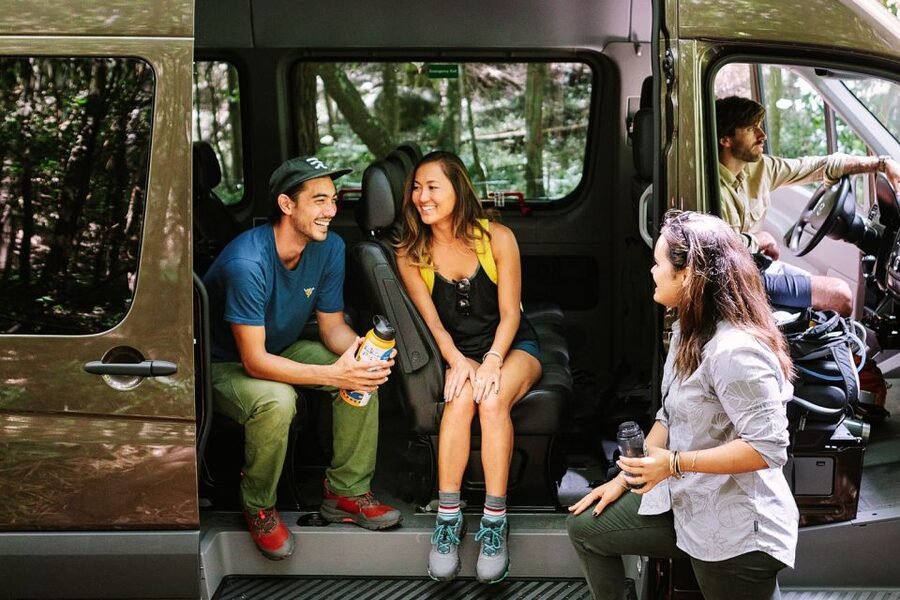
Look for the Hawaii Forest & Trail Mercedes Sprinter. The company name appears on the front, side, and back of the van, which should make the meeting point easier to manage in a busy resort area.
The drive to Hakalau takes about two hours. That is a sizeable chunk of a 12-hour day, but it lets you cross much of the island without arranging a rental vehicle, navigating unfamiliar roads, or handling refuge access yourself.
The final transport is a 4WD short-wheelbase Mercedes Sprinter. It can reach rougher parts of the refuge, allowing the group to spend more time near forest habitat rather than walking the entire distance from an entrance point. The tradeoff is comfort. One participant specifically wished the off-road ride were less jarring, though the same person still rated the day highly.
Five hours inside the refuge
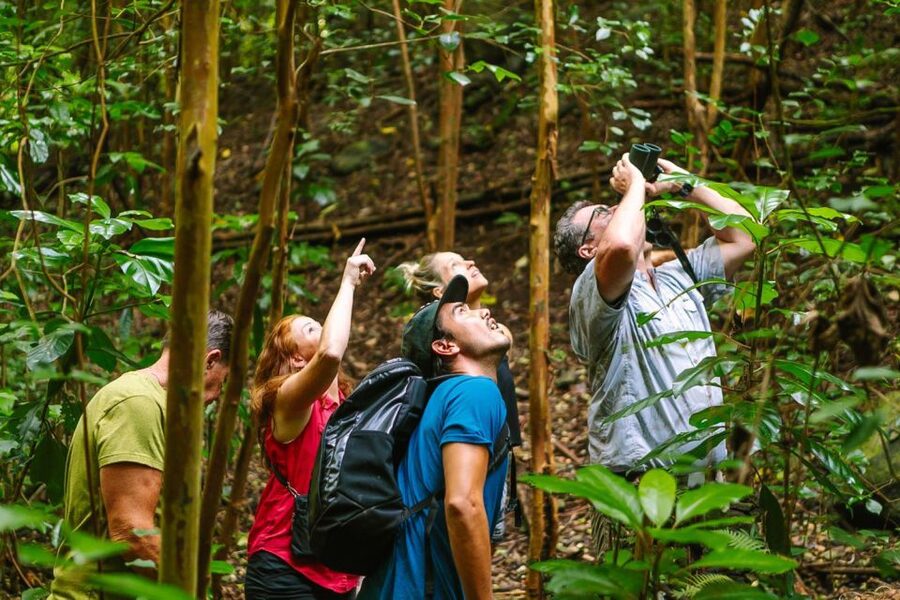
The main refuge visit lasts about five hours and combines a guided walk, hiking, lunch, and wildlife viewing. That gives the day a useful rhythm. You are not expected to stare through binoculars nonstop, which would be tiring even for an avid birder.
The walking distance can reach four miles. You should expect uneven or rocky ground, and conditions may be cool, wet, or muddy. The instructions are clear: wear closed-toe shoes, long pants, and clothing that can get dirty. Sandals, flip-flops, shorts, and open-toed shoes are not allowed.
The forest itself is the reason to tolerate the conditions. You might find rare native plants, unusual insects, and animals that are easy to miss without a trained guide. The mention of carnivorous caterpillars is especially intriguing. It is a reminder that the small life of the forest can be as unusual as the famous birds.
Bring layers rather than relying on the warm weather you may have enjoyed near the coast. A hat and weather-ready jacket are useful. Rain gear is supplied, but you should still dress for a day outside rather than treating this as a standard sightseeing bus trip.
The birds you may search for
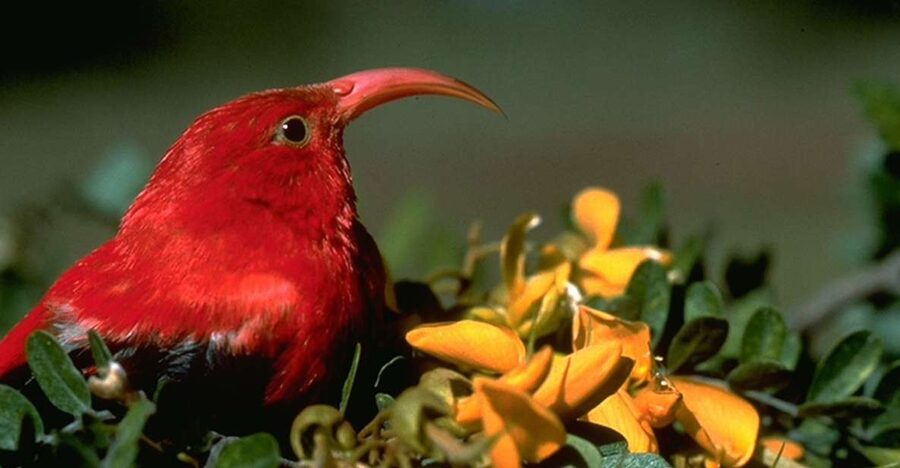
The target species make this outing special. The guide will help you identify both color and sound, which is important in thick forest where a bird may be heard before it is seen.
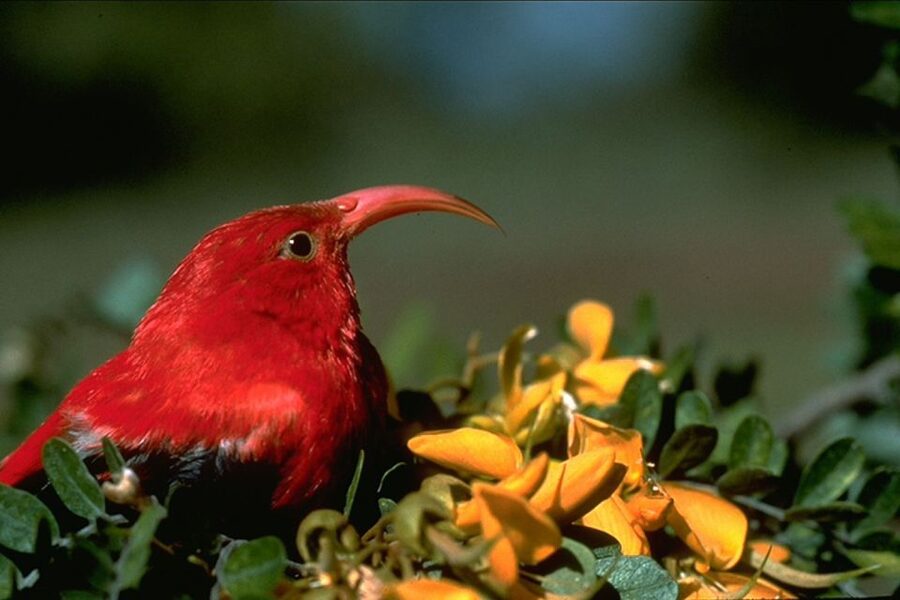
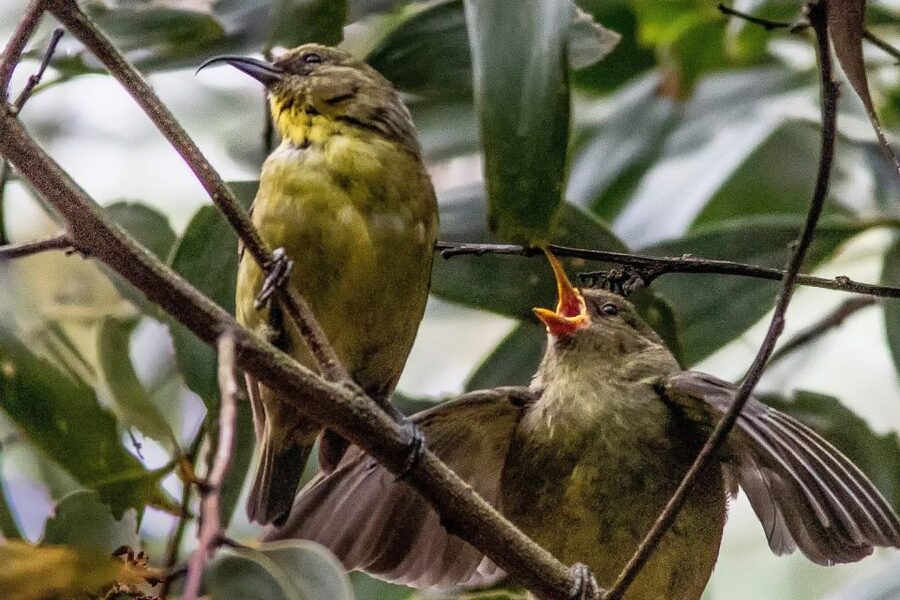
Keep watch for the red I’iwi and ‘Apapane. Their color can be striking, but you still need patience and a clear view. The yellow ‘Akiapōlā’au and ‘Amakihi are also on the search list, along with the Hawai‘i Creeper, ‘Elepaio, and ‘Ōma’ō.
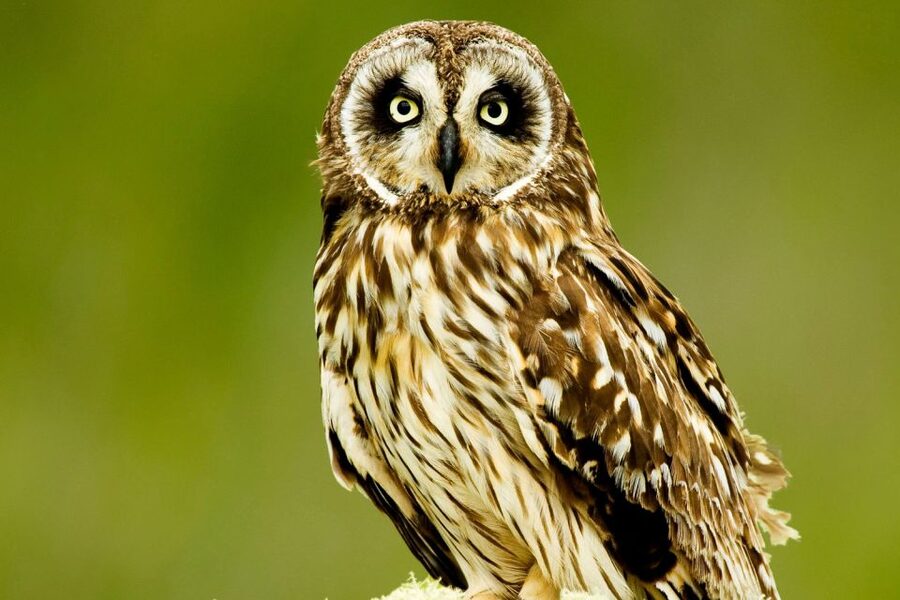
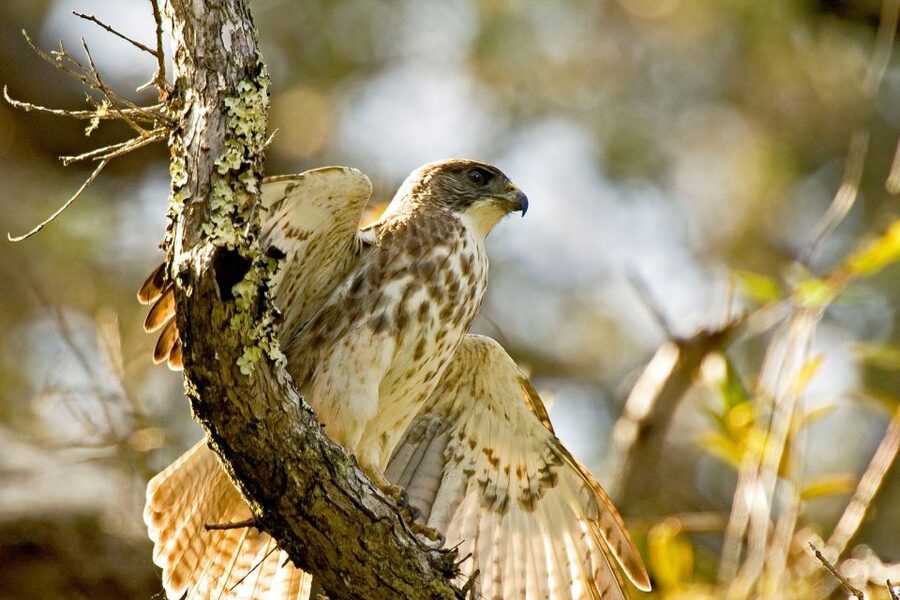
The wide-eyed Pueo and Hawaiian hawk, ‘Io, add larger birds of interest. Depending on conditions, you might also see species that are less flashy but just as meaningful to someone building a list of native Hawaiian birds.
This is where the guide’s skill matters most. Gary has been praised for identifying birds, telling stories, explaining the island’s past, and helping each person get a look. A good guide does not simply point and name. You also learn what makes a species native, why its habitat matters, and how conservation efforts are trying to protect it.
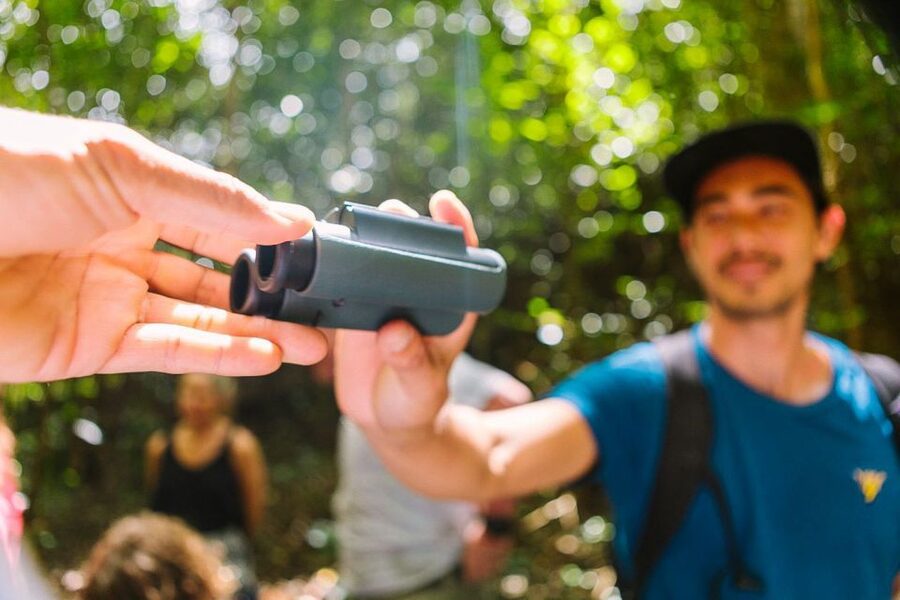
The supplied binoculars are useful for keeping your luggage light. You will not need to buy or carry a pair for this day, though you may prefer your own if you are a serious birder with familiar equipment.
A few more birding trips around the USA worth a look
- Birding By Boat on the Osprey
★ 5.0 · 787 reviews - Marco Island 2 hour Dolphin, Birding and Shelling tour
★ 5.0 · 503 reviews - Colorado Springs Hands-On Falconry Class and Demonstration
★ 5.0 · 293 reviews - 2 Hour Dolphin, Birding and Shelling Tour
★ 5.0 · 247 reviews
More than birds: plants, insects, and conservation
The refuge offers a wider nature lesson than the bird list suggests. The guide may point out native plants and small animals, including carnivorous caterpillars. These details can make the walk rewarding even during a quiet stretch with few birds.
I also value the conservation explanation. One strong part of the day is learning about the work being done to protect native species and restore habitat. Hawaii’s isolated ecology means many species are found nowhere else, so the condition of one forest can matter far beyond its boundaries.
The tour also puts you in a better position to notice change. A casual forest walk might give you pretty views and a few bird calls. Here, the guide explains what you are seeing and why the refuge has controlled access. That context adds real value to the day.
Lunch, snacks, and useful equipment
Breakfast snacks are provided, along with additional snacks and a deli-style lunch. A water station allows refills, but bottles are not supplied. Bring a reusable water bottle and fill it before heading into the refuge.
The included equipment is practical rather than decorative:
- Binoculars
- Daypacks
- Hiking sticks
- Rain gear
- Reef-safe sunscreen
- Water refills
Hiking sticks can help on muddy or uneven sections, especially if the ground is slick. Daypacks save you from carrying a larger bag, and rain gear gives you a backup when conditions turn wet.
You still need to bring your own hat, jacket, long pants, closed-toe shoes, and suitable clothing. Wear items that can handle mud. This is not the day for delicate shoes or clothes you want to keep spotless.
Is $287 a fair price?
At $287 per person, this is an expensive day compared with a basic island nature walk. The value comes from what is bundled together and what is difficult to arrange independently.
You receive roughly 12 hours of transport and guiding, access to a restricted refuge, a small group, breakfast snacks, lunch, water refills, binoculars, rain gear, daypacks, hiking sticks, and sunscreen. You also avoid the work of finding the refuge, arranging a suitable 4WD vehicle, and locating rare birds without expert help.
The price makes more sense if you care about native species, bird identification, or conservation. A casual visitor who mainly wants easy views may find the cost and time commitment too high.
The small group is important. With no more than nine participants, the guide can help people share a sighting and adjust the pace within reason. This is still a group outing, not a private birding session, but it should feel more focused than a large coach tour.
Who should book this day?
I would recommend it most strongly to birders, photographers who enjoy wildlife, nature-focused visitors, and anyone who wants a more serious look at Hawai‘i Island’s ecology. You do not need to be an expert. Casual birdwatchers can learn a great deal, especially with a guide who explains calls, behavior, habitat, and conservation.
You should be comfortable walking on uneven ground for up to four miles and sitting in a van for several hours. The tour is not suitable for children under eight, pregnant women, people with back problems, people with mobility impairments, or people prone to motion sickness.
The rough ride deserves special attention if you are sensitive to vehicle movement. The off-road section is part of how the group reaches remote areas, but it may be uncomfortable. Dress for changing temperatures and bring only what you need.
The minimum operating group is four participants. If that number is not reached, the operator should notify you at least 24 hours ahead and offer a rescheduled date or full refund.
Book it or choose an easier nature outing?
Book this tour if seeing rare Hawaiian forest birds is high on your list and you are willing to give up a full day for the chance. The access, small group, guide, and included equipment make the $287 price reasonable for a focused wildlife outing.
Skip it if you want a relaxed half-day activity, dislike bumpy roads, need hotel pickup, or prefer paved walking paths. Hakalau rewards patience and stamina. For the right person, that effort can produce an unusually memorable day, including species found nowhere else and a clearer understanding of why native Hawaiian forests need protection.
FAQ
How long does the Hakalau Forest birding tour last?
The tour lasts 12 hours, including transportation to and from the refuge.
Where can I be picked up?
Pickup is available at selected locations including Waikōloa Plaza, Hawaii Forest & Trail Kona Headquarters, Queens’ Marketplace, and Four Seasons Resort Hualalai.
Is hotel pickup included?
No. Hotel pickup and drop-off are not included. You must reach one of the selected meeting locations in the Kona or Waikoloa areas.
How far will I hike?
You may hike up to four miles on uneven or rocky ground. Conditions can also be cool, wet, or muddy.
What birds might I see?
The search list includes I’iwi, ‘Apapane, Pueo, ‘Akiapōlā’au, ‘Amakihi, Hawai‘i Creeper, ‘Elepaio, ‘Ōma’ō, and the Hawaiian hawk, ‘Io.
Is food included?
Yes. Breakfast snacks, additional snacks, and a deli-style lunch are included.
Should I bring a water bottle?
Yes. A water station is provided for refills, but you must bring your own reusable bottle.
What should I wear?
Wear long pants, closed-toe shoes, layered weather-appropriate clothing, and clothes that can get dirty. Bring a hat and jacket.
How many people are in the group?
The group is limited to nine participants. A minimum of four participants is required for the tour to operate.
Just added around the USA
- Bird Creek: Chugach State Park ATV Nature Tour & Hike★ 5.0 · 2 reviews
- Austin: Lady Bird Lake Stand-Up Paddleboard Rental★ 4.6 · 8 reviews
- Island Paradise: Dolphin, Shelling, Birding Eco Boat Tour★ 5.0 · 38 reviews
- Private Island Paradise: Dolphin, Shelling, Birding Eco Boat Tour★ 5.0 · 6 reviews
- Private Everglades 10,000 Islands Photo and Birding Boat Safari★ 4.5 · 21 reviews
- Birding Hike and Hot Spring Soak from Denver★ 5.0 · 3 reviews
- Dolphin and Bird Watching Ecotour Cruise★ 5.0 · 35 reviews
- Colorado’s Birds of Prey Full-Day with Lunch★ 5.0 · 17 reviews
Hiking & Trekking, compared.
Full-Day Mindo Cloud Forest Tour Birdwatching Waterfalls and Hike
Read our review →
Trekking, wineries, birdwatching, local gastronomy, etc.
Read our review →
Mogle Mountain Hiking For Birding, Natures From Addis Ababa
Read our review →
Browse the lists this tour appears in