
REVIEW · NORWAY BIRDWATCHING TOURS
Skjervøy: Birds and Wildlife of Arctic Norway
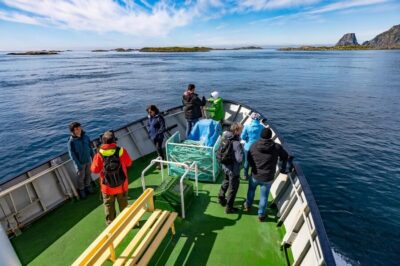
Wildlife does not follow a timetable. This three-hour trip from Skjervøy takes you by steady RIB through Arctic fjords in search of white-beaked dolphins, harbor porpoises, seabirds, eagles, seals, otters, and the occasional whale. I like the local guides and storytelling, which connect the sea to Sami and Norwegian culture, and I like that the operator holds a Norwegian Varde quality certificate for whale watching. The main caution is simple: nature decides what appears, and even a well-timed outing can produce beautiful scenery but no animals.
The $165 price is reasonable if you value a small, focused wildlife outing with thermal clothing, safety gear, and a professional guide included. You need to allow extra time and money to reach Skjervøy, since transport to and from Tromsø is not part of the activity. Weather also matters. One outing passed between two snow showers, while the hoped-for wildlife stayed out of sight.
Key things to know before booking
- White-beaked dolphins and harbor porpoises are year-round possibilities: These are among the most regular marine sightings in the Skjervøy area.
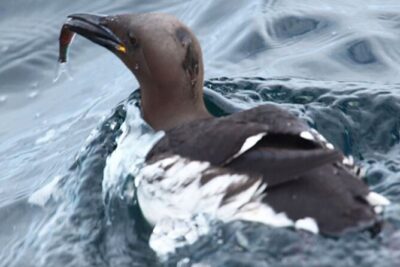
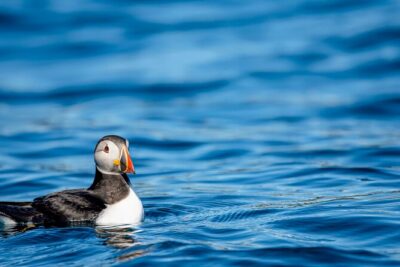
- The best bird period is spring and summer: Eagles, cormorants, puffins, guillemots, razorbills, little auks, Arctic terns, eider ducks, and long-tailed ducks may appear.
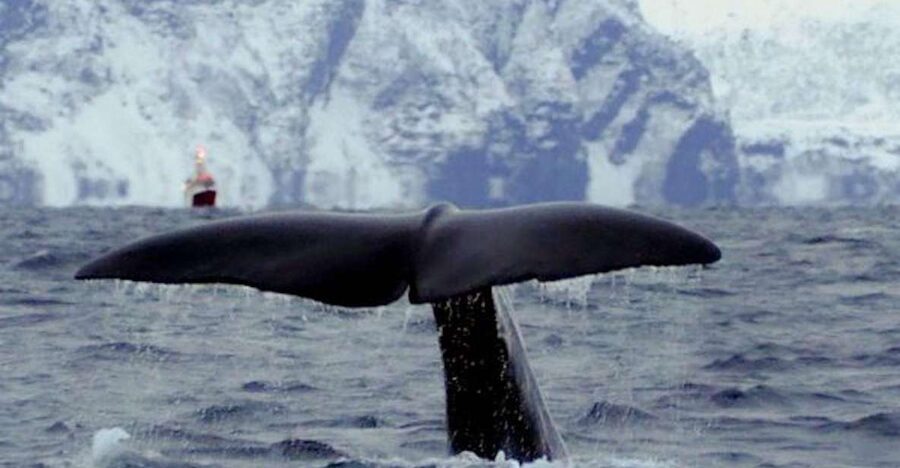
- Whales are seasonal and never guaranteed: The main winter whale activity around Skjervøy fades toward the end of January, though juvenile humpbacks and passing cetaceans can still be seen.
- You ride in a safe, steady RIB: Thermal suits, life vests, mittens, and goggles are included, but you should still bring warm clothing.
- The trip has a local cultural side: Your English-speaking guide may discuss Sami and Norwegian traditions, history, and the people who have shaped the fjords.
- Plan the transport carefully: The meeting point is marked by a red door and large windows bearing the activity provider’s name, but transfers from Tromsø are not included.
What this Skjervøy wildlife trip is really about
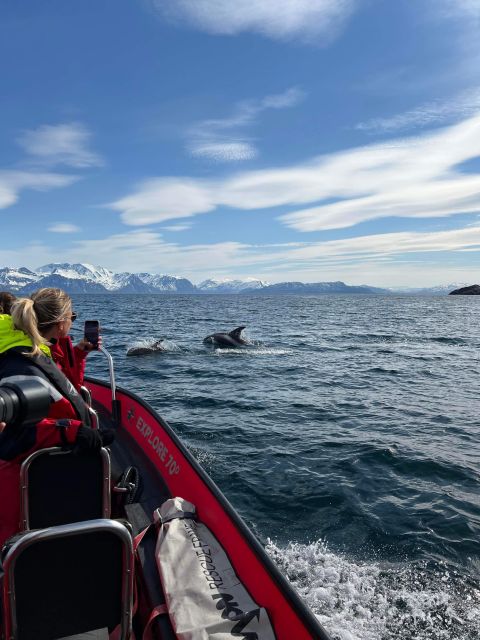
This is not a sightseeing cruise with a fixed list of stops. It is a search through the fjords, guided by the season, sea conditions, and animal behavior. The RIB gives the crew the ability to move through the marine area and scan both water and shore, but no responsible operator can promise a dolphin, eagle, or whale on command.
That uncertainty is part of the appeal, but it also shapes your expectations. You are paying for access, equipment, local guiding, and a well-organized search. You are not buying a guaranteed animal encounter.
The trip lasts three hours, with the scheduled outing running from 9:30 a.m. to 12:30 p.m. That morning timing gives you a clear block in your day, though you should check the available departure time when booking. The experience begins and ends at the same meeting point, which makes it easier to plan the rest of your day in Skjervøy.
More Wildlife Trips in the world:
- Penguin Parade, & Wildlife Encounters Eco Tour from Melbourne
★ 5.0 · 3,774 reviews - Phillip Island Penguins & Wildlife Day Tour from Melbourne
★ 5.0 · 867 reviews - Phillip Island: Penguins and Wildlife Full-Day Tour
★ 4.6 · 642 reviews
Boarding the RIB with Arctic protection
The practical setup is reassuring. You receive a thermal suit, life vest, mittens, and goggles. Those items matter in northern Norway, where the air on open water can feel much colder than it does on land. The thermal suit also lets you focus on the view instead of worrying about every gust.
Still, bring warm clothing. The supplied gear is an important outer layer, not a reason to arrive in light clothes. Warm base layers are a sensible choice, along with clothing that you do not mind wearing in damp or snowy conditions.
The RIB is described as safe and steady, but this remains a small open-water boat. The operator does not recommend the activity for people with back problems, and that warning deserves attention. Even a stable boat can move sharply when crossing waves or changing direction.
Children under six cannot join. The activity is listed as wheelchair accessible, but anyone who needs particular boarding support should confirm the arrangements before booking. The safety rules are firm: intoxication, alcohol, and drugs are not allowed.
Searching the fjords for dolphins and porpoises
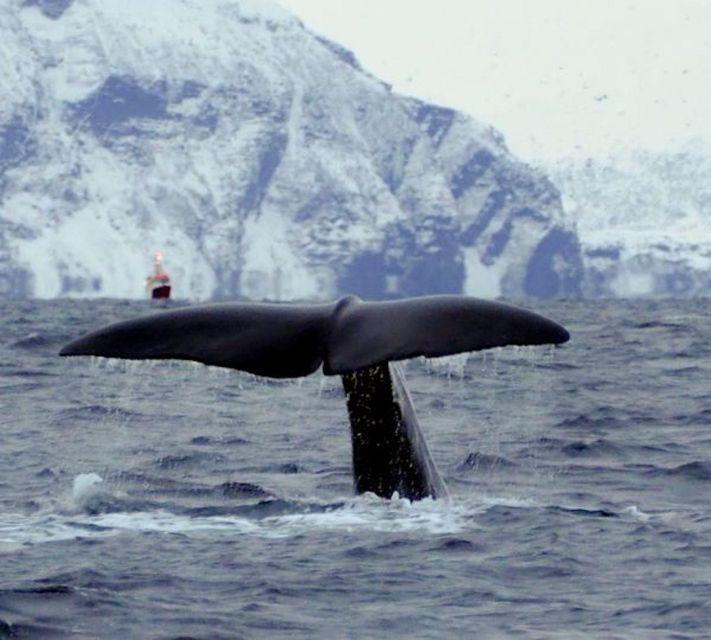
The most dependable wildlife hopes are white-beaked dolphins and harbor porpoises. The company describes both as common in the area throughout the year. That does not mean every outing will produce a sighting, but it gives the trip a stronger year-round purpose than a whale-only cruise.
White-beaked dolphins can make a memorable appearance because they are active, social animals, though their movements are not predictable. Harbor porpoises are smaller and can surface quickly, so you need to keep watching the water rather than staring at one fixed point.
The crew will also watch for seals and otters. These animals are described as regular possibilities, but less certain than the resident dolphins and porpoises. A seal may appear near the shore or on a rock, while an otter can be much harder to spot. Bring patience and keep your eyes moving between the water, shoreline, and nearby islands.
The best approach is to treat every sighting as a bonus, not as a promise. If you spend three hours scanning the sea, you will get more from the experience than if you spend the whole trip waiting for a dramatic whale breach.
What remains after the winter whales leave
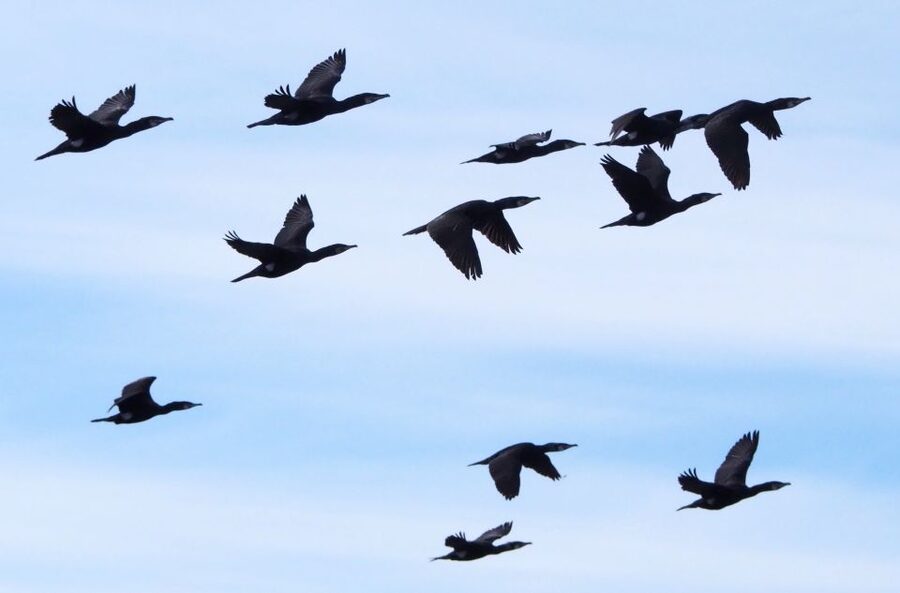
Skjervøy is known for winter whale activity, but the timing matters. By the end of January, the main winter feeding period in the fjords is generally over. Whales and other cetaceans can still pass through the fjord system, including juvenile humpback whales and other migrating animals, but sightings become occasional.
This detail should guide your booking decision. If whales are your only reason for coming, you may find the experience disappointing outside the strongest winter period. If you are interested in the full mix of Arctic wildlife, the trip remains worthwhile because dolphins, porpoises, birds, eagles, seals, otters, moose, and reindeer are also part of the search.
The company’s own wording is refreshingly realistic about changing conditions. Wildlife presence varies during the year, and the crew keeps its attention on many species rather than chasing one headline animal. That broad focus gives the outing a better chance of feeling productive even when whales do not appear.
A few more birding trips around the world worth a look
- Cape Town: Cape of Good Hope & Penguins Day Tour with Pickup
★ 4.7 · 3,362 reviews - Cape Point and Boulder’s Penguins Full Day Tour
★ 5.0 · 3,118 reviews - Cape of Good Hope & Boulder Penguins Full-Day Tour from Cape Town
★ 5.0 · 2,347 reviews - From Melbourne: Penguin Parade, Koalas & Kangaroos
★ 4.5 · 1,932 reviews
Eagles, seabirds, and the spring and summer show
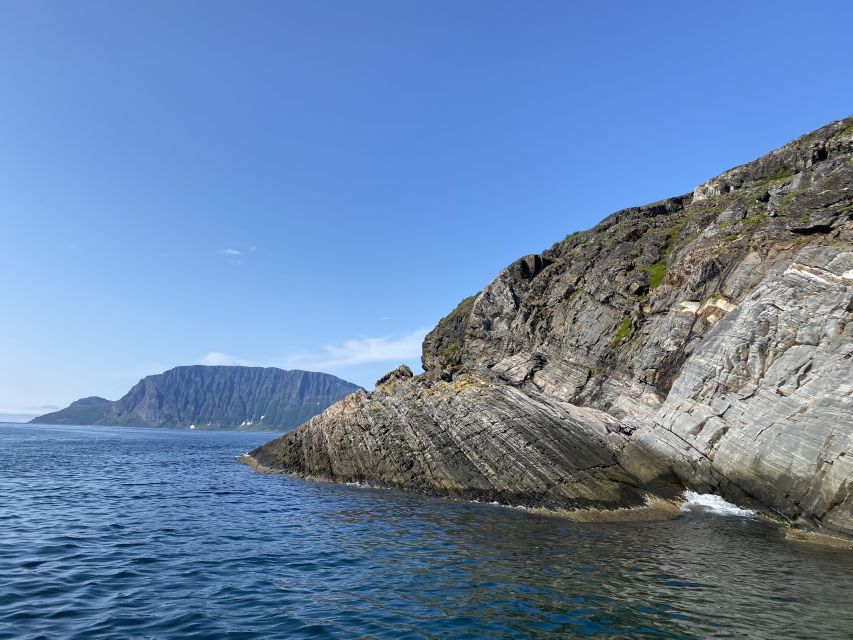
The birdlife may be the strongest reason to book outside whale season. The area supports an impressive range of northern species, and spring and summer are described as the most fascinating periods for bird activity.
You may see large eagles circling or moving across the water, while cormorants add a different kind of drama with their dark bodies and wide wingbeats. The list of possible seabirds includes puffins, guillemots, razorbills, little auks, Arctic terns, eider ducks, and long-tailed ducks.
That list covers a lot of ground. Some birds are instantly recognizable, while others reward a guide who can point out details you might miss. I would bring binoculars if you have them, though the supplied equipment does not list binoculars. The included goggles are for protection and comfort on the RIB, not for magnifying wildlife.
Birdwatching from a moving boat requires patience. You might see a bird at a distance, lose it against the water, then spot another species on the shoreline. The changing conditions can be frustrating, but they also make the trip feel like genuine field observation rather than a staged display.
Looking inland for moose and reindeer
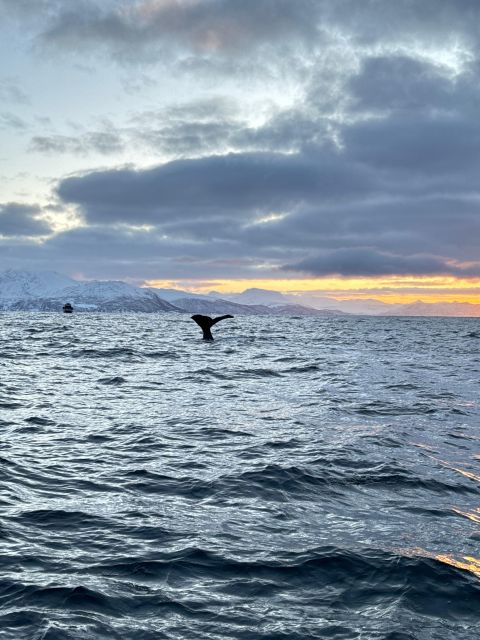
The wildlife search does not stop at the waterline. The crew also watches for moose and reindeer on land. These animals are commonly seen in the region, according to the operator, but they are still wild and may remain hidden.
This part of the trip adds variety. You are not simply looking down at the sea for fins and backs. Your attention shifts to hillsides, shorelines, and open ground. The guide can help you understand how the fjords support both marine and land animals.
The setting also provides a natural opening for cultural storytelling. Sami and Norwegian communities have lived with this environment for generations, and the guide may discuss how people use and understand the land and sea. That local context gives the wildlife search more meaning. You are not just passing through scenery. You are learning how human life has developed alongside it.
Local stories from Skjervøy and the fjords
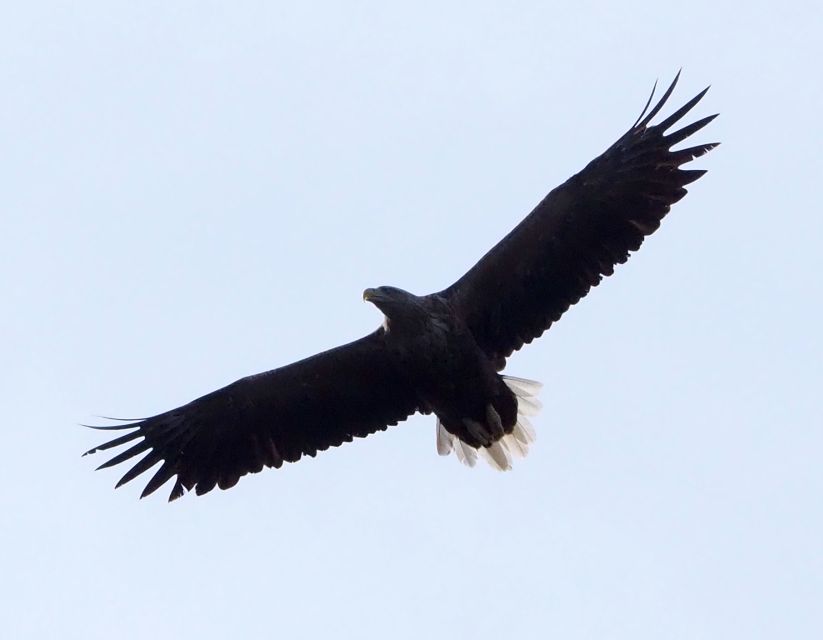
The operator places real weight on storytelling. That is welcome on a trip where quiet stretches are inevitable. When animals are not visible, a guide who can explain local culture, history, and the surrounding fjords helps keep the experience engaging.
The cultural material is focused on Sami and Norwegian life. The information provided does not promise a separate museum visit or a formal cultural presentation, so expect stories and conversation while you are on the water. The guide speaks English, and the staff emphasize personal attention and hospitality.
That personal approach is one of the more appealing features of this outing. A local company has a reason to protect its reputation and its home waters. The Varde quality certification for whale watching also signals that safety and operating standards have been taken seriously. It does not guarantee wildlife, calm seas, or a perfect outing, but it is a useful mark of professional practice.
The $165 question: is the price fair?
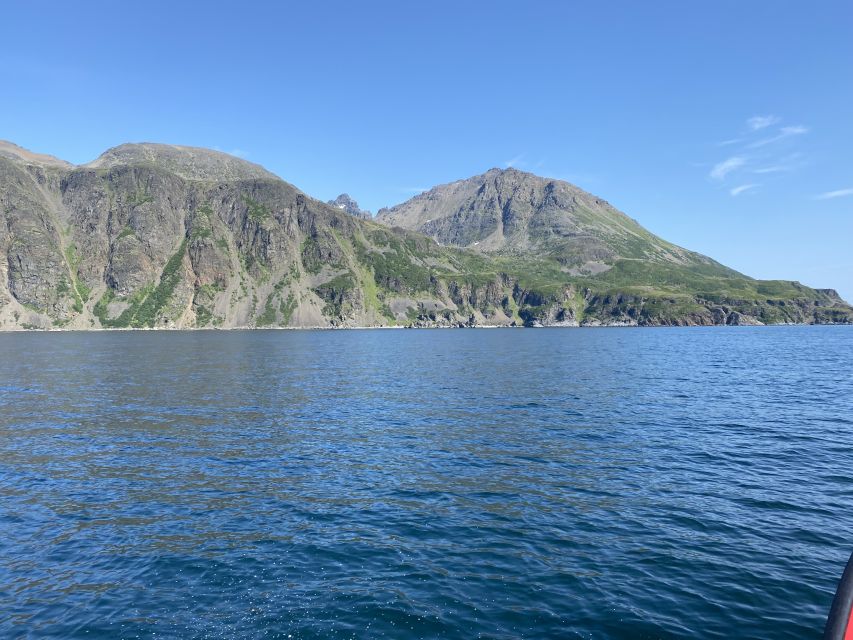
At $165 per person, this is not a cheap add-on. It becomes better value when you count what is included: a three-hour RIB trip, thermal suit, life vest, mittens, goggles, and an educated local guide who speaks Norwegian and English.
The price is also paying for a specialized experience in a remote Arctic setting. You are not simply hiring a boat ride. The crew has to operate safely in northern waters, provide protective equipment, and search a wide area for wildlife.
The weak point is the transport cost and effort. Travel to and from Tromsø is not included, so you need to arrange your own route to Skjervøy. The trip can be well worth the money if you are already staying nearby or have planned the journey as part of your northern Norway visit. It is less convenient if you are trying to fit it into a tight Tromsø schedule.
I would also avoid comparing the price with a standard harbor cruise. The RIB, Arctic gear, local guiding, and wildlife focus make this a more active outing. The value depends on your interest in nature, not on the number of animals you manage to photograph.
Weather, luck, and the honest drawback
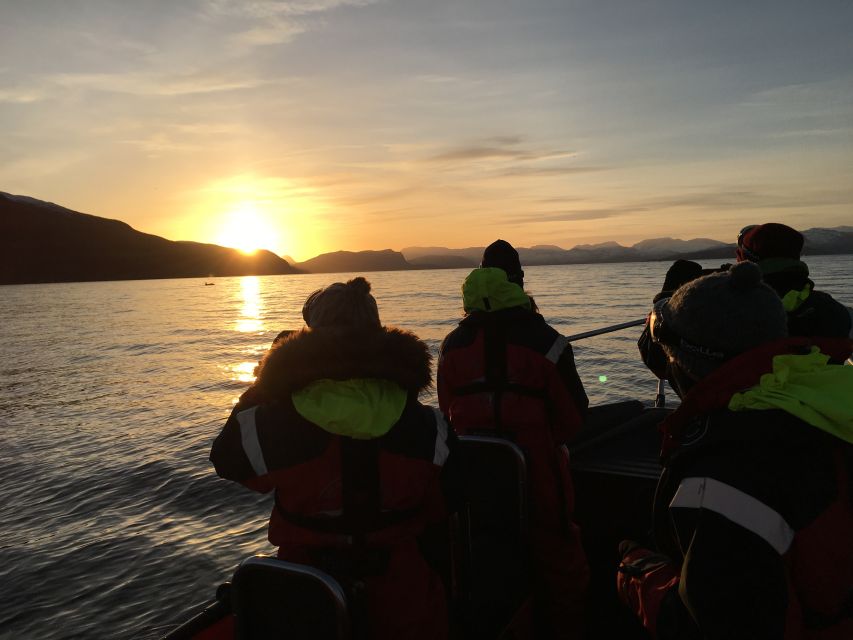
The main risk is not poor organization. It is nature. Weather can change quickly, and wildlife may simply fail to appear. One reported outing found a brief window between two snow showers, which made the trip more comfortable, but no wildlife showed itself that day.
That is a useful warning. You need to be comfortable with the idea that the fjords, snow, sea, and silence may become the main event. A trip like this rewards people who enjoy looking, waiting, and learning, even when the animals keep their distance.
The staff cannot control visibility or animal movements. What they can control is safety, preparation, and the quality of the guiding. This operator appears to put those parts first, which is exactly what you want in a wildlife activity.
Who should book this experience?
I would recommend it to adults and children over six who enjoy nature and do not need guaranteed sightings. It suits visitors who want a smaller, more active boat outing and who appreciate hearing about local Sami and Norwegian culture along the way.
It is especially appealing during spring and summer if seabirds are your main interest. The range of possible bird species is broad, and the guide’s role becomes important when several similar-looking birds are moving around the water.
It can also work during the wider whale season, but I would not book it solely for whales unless you have checked the timing carefully. After late January, whales may still pass through, yet dolphins, porpoises, birds, and land animals become the more realistic focus.
I would think twice if you have back problems, dislike cold open-water conditions, or have only a few hours in Tromsø and no clear plan for reaching Skjervøy. The separate transport requirement can turn a simple three-hour activity into a much longer day.
Final verdict: book it for the search, not the guarantee
Skjervøy’s Birds and Wildlife of Arctic Norway is a good choice if you want a local, season-aware wildlife outing rather than a guaranteed whale show. The strongest points are the broad range of species, quality safety gear, local cultural stories, and staff attention.
Book it when you can accept uncertainty and give yourself enough time to reach Skjervøy. Spring and summer look best for birdlife, while winter offers the strongest whale context, though whales are never assured. If you can enjoy a snowy fjord, a passing eagle, or a quiet stretch of sea as part of the experience, the $165 price makes sense. If you need a guaranteed animal encounter, save your money.
FAQ
How long is the Skjervøy wildlife trip?
The activity lasts three hours. The stated schedule is from 9:30 a.m. to 12:30 p.m., though you should check availability for the exact starting time.
What animals might I see?
Possible sightings include white-beaked dolphins, harbor porpoises, seals, otters, whales, moose, and reindeer. Wildlife varies by season, weather, and animal movement, so sightings are not guaranteed.
Can I see whales on this trip?
Whales may still be seen occasionally after the main winter whale period ends around late January. Juvenile humpback whales and other cetaceans may pass through the fjord system, but the operator does not promise whale sightings.
What birds might appear?
Possible bird species include eagles, cormorants, puffins, guillemots, razorbills, little auks, Arctic terns, eider ducks, and long-tailed ducks. Bird activity is described as especially fascinating during spring and summer.
What equipment is included?
The trip includes thermal suits, life vests, mittens, goggles, and a professional local guide. You should still bring warm clothing.
Is transport from Tromsø included?
No. Transport to and from Tromsø is not included. The activity begins and ends at its meeting point in Skjervøy, marked by a red door and large windows with the provider’s name.
Just added around the world
- Walvis Bay Shore Excursion: Flamingos, Dune 7, Swakopmund★ 5.0 · 3 reviews
- York: Entry to York bird of prey centre★ 5.0 · 7 reviews
- Visit to Madeira Bird Island★ 4.6 · 22 reviews
- Vila Franca do Campo: Marine Life & Bird Watching & Islet Tour★ 4.4 · 9 reviews
- VIP falconry taster session★ 5.0 · 2 reviews
- Vestmannaeyjar: Puffin, Island, and Volcano Boat Tour★ 4.4 · 7 reviews
- Ushuaia: Gable Island and Penguin Colony with Lunch★ 4.8 · 2 reviews
- Ushuaia: Sailing Beagle Channel to the Penguin Colony★ 4.6 · 14 reviews
Norway Birdwatching Tours, compared.
Bleik: Whale Watching by Speedboat with Puffins and Muffins
Read our review →
Whale safari with Puffins and Muffins (Andøy, Vesterålen)
Read our review →Browse the lists this tour appears in