
REVIEW · SPAIN BIRDWATCHING TOURS
Tarragona: Southern Delta Birdwatching Private Tour
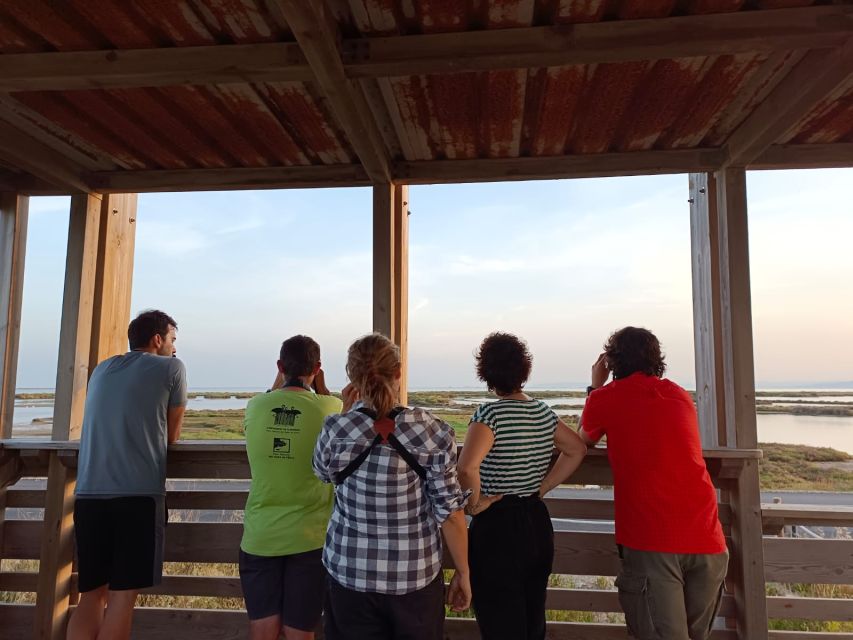
Flamingos, rice fields, and quiet lagoons await. This private three-hour tour gives you a focused look at the Ebro Delta, with stops at La Tancada, the Encanyissada lagoon, El Trabucador, and the Riet Vell reserve. I especially like the private car and guide, which make it easier to stop at the best viewing places, and the fact that binoculars are supplied, so you do not need to pack specialist gear. The main consideration is time: three hours is enough for a useful introduction, but keen birdwatchers may want longer.
The route also has more than birds. You see how rice production shapes the delta, pass through Poble Nou del Delta, and follow the Alfacs Bay toward the southern lagoons. Guides David and Angel have led this experience, and David received particular praise for explaining both the birdlife and local culture. Bird sightings can never be guaranteed, but the itinerary gives you several strong chances to see flamingos and other species.
Key Things to Know Before You Go
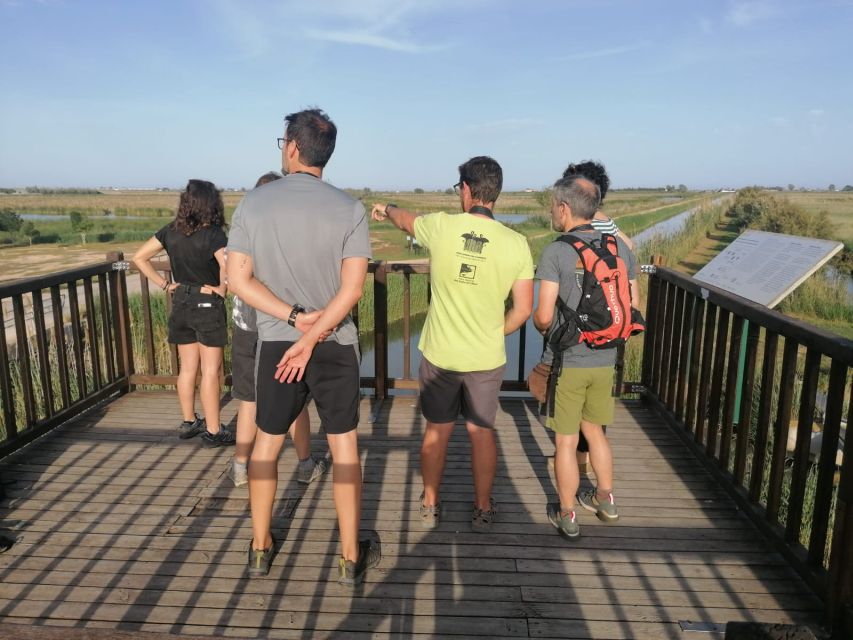
- La Tancada is the flamingo stop: This lagoon is the main place on the route for watching flamingos.
- The tour begins at La Casa de Fusta: Meet your guide at the entrance to the Barraca Information Point.
- You ride between several viewing areas: A car is included, saving you from arranging transport across the spread-out delta.
- Poble Nou adds local character: Its small white houses and palm trees reflect its planned construction during Franco’s time.
- Riet Vell is the final birding highlight: SeoBirdLife and volunteer efforts support nesting species in this natural reserve.
- The price works best for a small group: At $177 for up to four people, the per-person cost drops sharply when shared.
Why the Ebro Delta Works So Well for Birdwatching
The Ebro Delta is a different sort of Catalonia. Instead of mountain villages or busy coastal towns, you find broad wetlands, shallow lagoons, rice fields, sandbars, and open water. The setting feels spare and spacious, which is exactly what makes it useful for birdwatching.
This tour concentrates on the southern part of the delta. That matters because the sites are spread out, and a private vehicle lets you cover ground in a short time. You are not tied to one lookout or left to work out a route through the wetlands on your own.
The local guide adds real value here. A map can show you where the lagoons are, but it will not explain why one viewpoint is worth a stop, how rice farming fits the area, or where flamingos are most likely to gather. The strongest feedback went to David, who was praised for his clear explanations and his personal connection to the delta. Angel was also described as pleasant and helpful, with strong knowledge of local places and history.
The tour is not only for serious birders. One family saw more than 10 species and a large number of flamingos, while teenage birdwatchers and adults all found the outing worthwhile. You do not need to know bird names before you arrive. A guide can help turn distant movement across the water into something easier to understand.
More Wetland and Lagoon Birding in the world:
- Faro: Eco-Friendly Ria Formosa Bird Watching in Solar Boat
★ 4.7 · 359 reviews - Faro: Ria Formosa Natural Park Segway Tour & Birdwatching
★ 4.9 · 180 reviews - Ria Formosa Natural Park Birdwatching Segway Tour from Faro
★ 5.0 · 164 reviews
Starting at La Casa de Fusta
The meeting point is the entrance to the Barraca Information Point at La Casa de Fusta. This is a practical starting place for the route and gives you a clear location to find your guide.
From here, the tour begins with the birdlife and wetland setting around the delta. You receive binoculars for the outing, although bringing your own is still recommended if you have a pair you like. Supplied binoculars are a useful touch, especially if you are traveling light or have not invested in birdwatching equipment.
The opening part of the tour helps you get used to the scale of the area. Birds may be close enough to spot easily, or they may sit well out across the water. Comfortable clothes and shoes are sensible because you will be moving between hides and viewpoints rather than staying inside the car for the full three hours.
El Pont del Través and the Encanyissada Lagoon
One of the first stops is El Pont del Través, located in the middle of the Encanyissada lagoon. This is a good early introduction to the delta because it places you right among one of its major wetland areas.
The stop is valuable for two reasons. First, it gives you a chance to scan the lagoon for different bird species. Second, it shows how much open water and reed-filled habitat are packed into this part of the region. The guide can help you understand what you are seeing rather than leaving you to point binoculars at every distant shape.
Do not expect this to feel like a formal wildlife park with animals appearing on cue. Birdwatching depends on conditions, season, and luck. Still, the route gives you several separate chances to see birds, and the Encanyissada stop is an important part of that sequence.
The bridge setting also helps break up the drive. You can get out, look across the lagoon, and take in the delta at a slower pace before continuing by car.
Poble Nou del Delta: A Human Chapter in the Wetlands
The route then reaches Poble Nou del Delta, a small settlement built during Franco’s time. Its white houses and palm trees give it a tidy, planned appearance that feels quite different from the open lagoons and rice fields around it.
This stop adds context to the region. The delta is not empty nature. People have shaped it through farming, settlement, water management, and rice production. Seeing Poble Nou helps you understand that the bird habitats exist alongside working communities.
I like this part because it prevents the tour from becoming a string of bird names. You get a glimpse of local history and daily life, while the guide can explain how the area developed. If your main goal is uninterrupted birdwatching, this is a short pause from the hides. If you want a fuller sense of the delta, it is a welcome change of pace.
The village is also a simple reminder that the delta’s appeal comes from the combination of human and natural elements. White homes, palms, fields, lagoons, and roads all share the same low-lying setting.
More Private Birdwatching Tours in the world:
- Table Mountain, Boulder’s Penguins & Cape Point Private Tour from Cape Town
★ 5.0 · 359 reviews - Table Mountain, Boulders Penguins & Cape point Private Day Tour
★ 5.0 · 236 reviews - Private Tour Of Penguins, Cape Of Good Hope & Peninsula.
★ 5.0 · 175 reviews - Cape Peninsula Private Tour with entrance fees to Cape of Good Hope and Penguins
★ 5.0 · 81 reviews
Following Alfacs Bay to La Tancada Lagoon
From Poble Nou, the tour follows Alfacs Bay toward La Tancada lagoon. This is the key stop for flamingos and probably the part most people have in mind when they book the experience.
La Tancada is described as the best lagoon on this route for flamingo watching. You may see large groups standing in the shallows or feeding across the water, though wildlife always has its own schedule. Bring patience, and let the guide help you search the right areas.
This stop also shows another side of the Ebro Delta. The water, lagoon edges, and narrow strips of land create a setting where birds have room to feed and rest. You can appreciate the broad views while watching for movement through the binoculars.
The nearby El Trabucador sandbar is another highlight. This thin strip of sand reaches along the coast and gives you a striking sense of how exposed and changeable the delta is. At the edge, you can also see the salinas, or salt pans. Together, the sandbar and salt works show how the coast, shallow water, and human activity meet in one compact area.
The tradeoff is that this is a viewing stop, not a long walk or a full coastal excursion. The tour keeps moving because it has another important reserve ahead. If you want extended time at El Trabucador, you would need to plan that separately.
Riet Vell and the Final Hides
The final major stop is Riet Vell, a natural reserve connected with SeoBirdLife. This is described as one of the best hide areas in the Ebro Delta, and it gives the tour a strong finish.
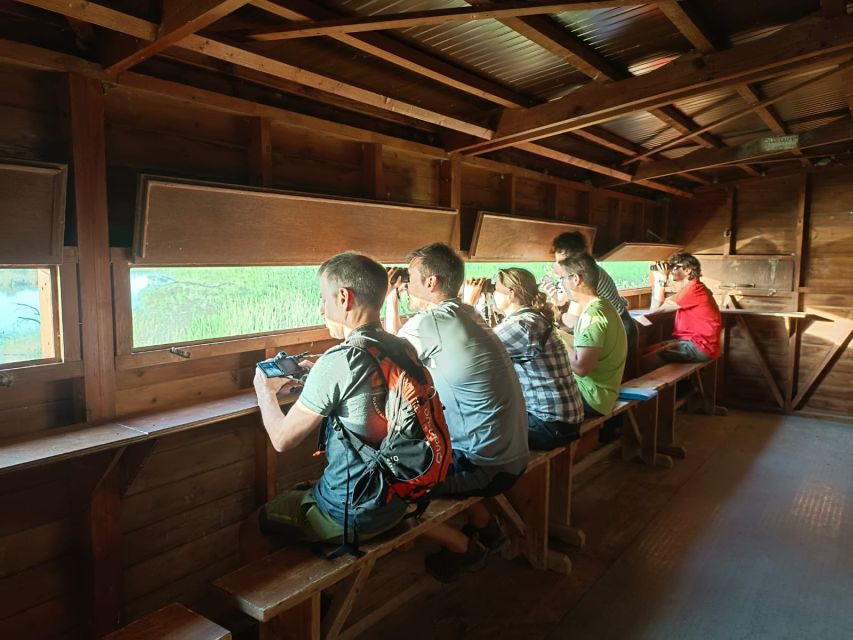
Hides are useful because they let you observe without standing exposed beside the water. They also encourage you to slow down and scan carefully. The reserve supports nesting species, with volunteers helping protect and maintain the area. That conservation work gives the stop added meaning. You are not just looking at birds in a scenic place. You are seeing part of an effort to support their breeding habitat.
Riet Vell is especially valuable for anyone who wants more than a quick flamingo sighting. The Ebro Delta supports a broad range of birdlife, and a reserve with hides gives you a better chance to notice species that might be easy to miss from a roadside viewpoint.
The timing is still important. Three hours passes quickly once you include the drive between sites. You will see several locations, but you will not have unlimited time at each one. If you want a slow, highly focused bird survey, ask about the pace before booking. For most visitors, the benefit is the variety of stops rather than a long stay at one hide.
Rice Fields and the Working Delta
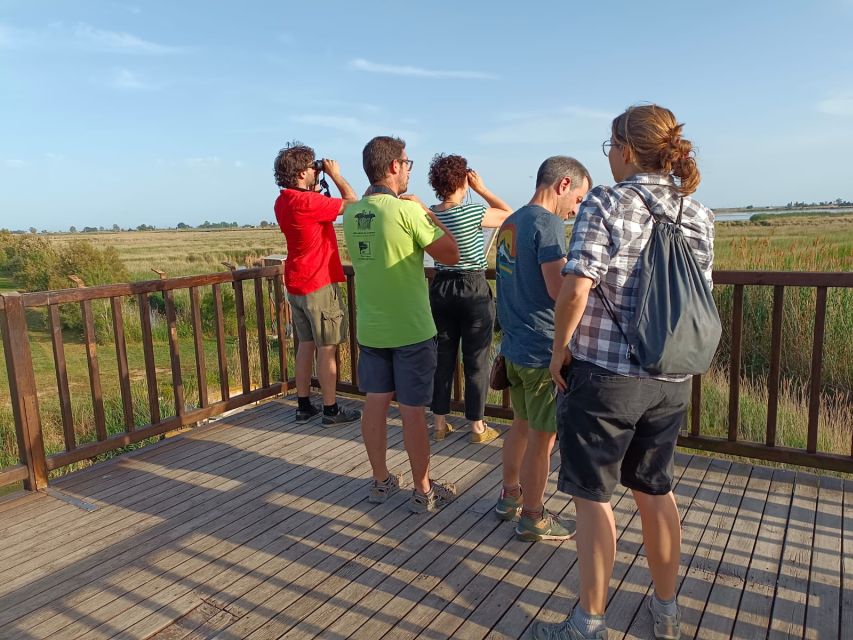
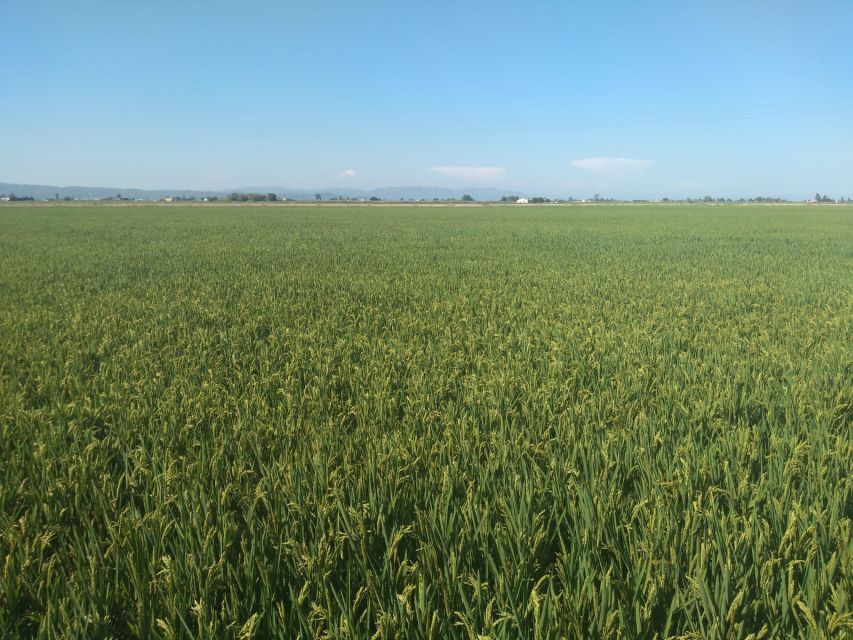
Rice production is one of the central facts of the Ebro Delta, and the tour makes room for that story. The fields are not just attractive patches of green or water. They are part of the local economy and help define the region’s appearance.
The connection between farming and wildlife is worth paying attention to. Water moves through the delta for both agricultural and natural purposes, and the rice fields sit beside lagoons, reeds, salt pans, and coastal areas. Your guide can help you see how these parts fit together.
The tour does not present the delta as untouched wilderness. That is a strength. You get a more honest picture of a place where conservation, farming, villages, and tourism share the same ground.
If you enjoy food and regional culture, this agricultural angle also adds useful context to the wider Catalonian trip. The delta is not merely a scenic stop between Tarragona and somewhere else. It has its own way of life and its own connection to the land.
What the $177 Private Price Really Buys
The price is $177 per group of up to four people. For one person, that is a fairly high cost for three hours. For four people sharing the booking, it becomes about $44.25 each, which is much more appealing.
The value comes from the combination of transport, guiding, and equipment. You get a local guide, a car for the route, and binoculars. You also avoid building your own plan across several lagoons and viewpoints, which can take time and may lead you to miss the best locations.
A private group is useful for families, couples, or friends with different levels of interest. You can ask questions without competing with a large bus group, and the guide can adjust explanations to your pace. That personal format is one of the strongest reasons to choose this outing over simply driving around the delta alone.
The price is less convincing if you are a solo visitor who already has a car, binoculars, and strong knowledge of the area. In that case, you are paying mainly for local guidance and access to a well-planned route. For a small group, the calculation is much better.
Who Will Enjoy This Three-Hour Tour?
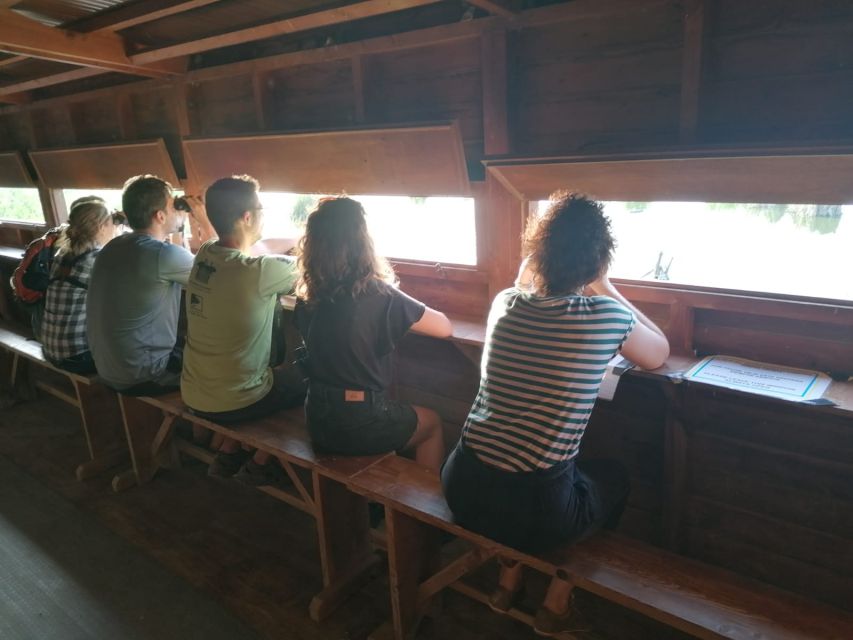
I would recommend this experience to families, first-time birdwatchers, couples, and small groups who want an efficient introduction to the Ebro Delta. It also suits teenagers who enjoy wildlife. One family saw more than 10 species and found the flamingos especially memorable.
It is a good choice if you are staying in or near Tarragona and want a nature outing with local history and agriculture included. The three-hour length makes it easier to fit around other plans.
You should think twice if you want a full-day expedition, long walks, or a specialist bird survey. The route covers several places, so the pace is purposeful. You will get variety, but not hours at every hide.
The tour is wheelchair accessible, which is an important practical advantage. Comfortable shoes and clothing are recommended, and binoculars are provided, though bringing your own is sensible if you have them.
The guide languages are Spanish, Catalan, English, and French. That makes it easier to ask detailed questions about birds, the reserve, rice farming, or local culture.
Should You Book the Southern Delta Birdwatching Tour?
Book it if you want to see the Ebro Delta efficiently, especially if flamingos are high on your list. The private car, supplied binoculars, local guide, and several strong viewing sites make the $177 group price reasonable for up to four people.
I would choose it for a first visit rather than as a final, specialist birding trip. The route gives you a clear feel for the area, from Encanyissada and La Tancada to Poble Nou, El Trabucador, and Riet Vell. You get birds, rice fields, salt pans, coastal views, and local history in one compact outing.
If you book, keep your expectations realistic. Nature does not follow a timetable, and three hours means you will move on before every birding opportunity is exhausted. But with a guide who knows the area and several carefully chosen stops, this is a practical and enjoyable way to meet the delta.
FAQ
Where does the tour meet?
The meeting point is at the entrance of the Barraca Information Point at La Casa de Fusta.
How long does the tour last?
The tour lasts three hours.
What is the price?
The price is $177 per private group of up to four people.
Is the tour private?
Yes. It is organized for a private group.
Which languages are available?
The live guide is available in Spanish, Catalan, English, and French.
Are binoculars provided?
Yes. Binoculars are included, although bringing your own is recommended if you have a preferred pair.
Is transportation included?
Yes. A car and local driver guide are included.
Will the tour visit a flamingo-watching location?
Yes. The route visits La Tancada lagoon, described as the best lagoon on the route for watching flamingos.
Is the tour wheelchair accessible?
Yes. The activity is listed as wheelchair accessible.
What should I bring?
Bring comfortable shoes and comfortable clothes. Binoculars are recommended, even though a pair is provided. Food and drinks are not included.
Just added around the world
- Walvis Bay Shore Excursion: Flamingos, Dune 7, Swakopmund★ 5.0 · 3 reviews
- York: Entry to York bird of prey centre★ 5.0 · 7 reviews
- Visit to Madeira Bird Island★ 4.6 · 22 reviews
- Vestmannaeyjar: Puffin, Island, and Volcano Boat Tour★ 4.4 · 7 reviews
- Vila Franca do Campo: Marine Life & Bird Watching & Islet Tour★ 4.4 · 9 reviews
- VIP falconry taster session★ 5.0 · 2 reviews
- Ushuaia: Gable Island and Penguin Colony with Lunch★ 4.8 · 2 reviews
- Ushuaia: Sailing Beagle Channel to the Penguin Colony★ 4.6 · 14 reviews
Wetland & Lagoon Birding, compared.
Eco-Friendly Ria Formosa Bird Watching in Solar Boat
Read our review →
Ria Formosa Natural Park Segway Tour & Birdwatching
Read our review →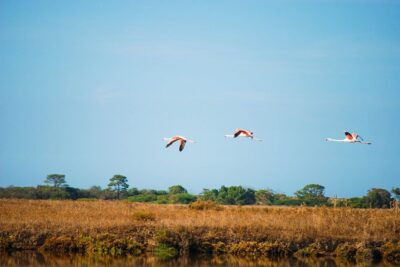
Ria Formosa Natural Park Birdwatching Segway Tour from Faro
Read our review →
Two-Hour Everglades Dolphin, Manatee and Birding Boat Tour
Read our review →
Tagus Estuary Nature Reserve Birdwatching Boat Tour
Read our review →
Wetlands Safari Eco-Cruise in Cape May (Osprey Birding By Boat)
Read our review →
Everglades Birding, Dolphin and Wildlife Boat Tour (2 hours)
Read our review →
Desembocada and Ameca River Bird Paradise (Wetland and Tropical birds in PV)
Read our review →Browse the lists this tour appears in