
REVIEW · USA BIRDWATCHING TOURS
Everglades: Birding, Wildlife, and Photography Expedition
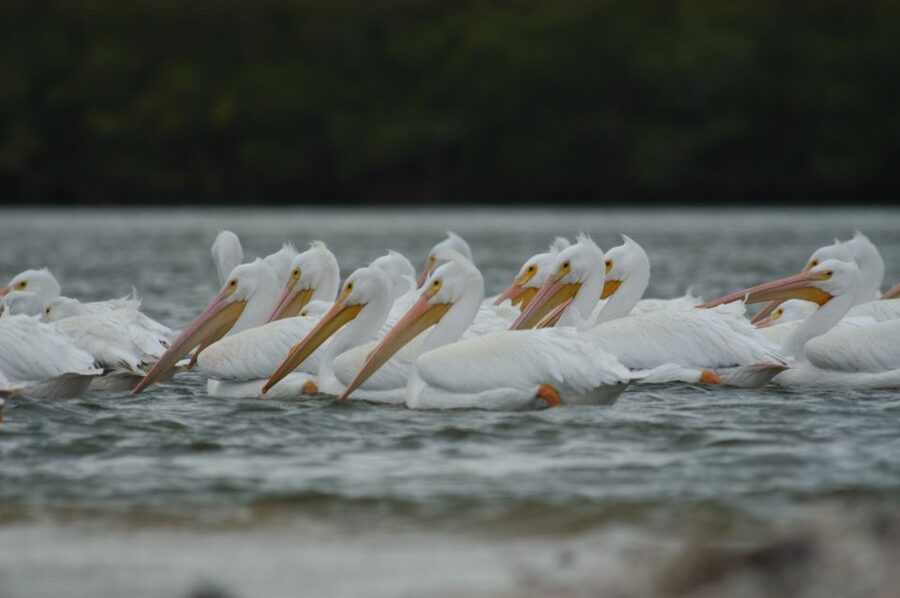
Wild Florida starts at the water’s edge. This 3.5-hour expedition carries only six people through the Everglades’ 10,000-island ecosystem, with time for wildlife photography and a walk on an uninhabited barrier island. I like the steady boat with tripod space and the chance to learn from a Florida-certified Master Naturalist. The main consideration is simple: sightings are wild, not guaranteed, and the long drive to Chokoloskee takes planning.
I also like the small group, which makes it easier to slow down for a nesting osprey or ask about mangroves, local history, and shore life. At $172 per person, this is not a bargain boat ride, but the cost makes more sense if you value expert guidance, a spacious photography platform, and a personal outing rather than a crowded cruise.
Key details before you book
- Six passengers maximum: The small group leaves room to move, ask questions, and set up a camera.
- Two-part route: You ride through the coastal Everglades, then stop for a walk on an uninhabited barrier island.
- Built for photography: The stable boat has comfortable seating and space for a tripod and large telephoto lenses.
- Wildlife targets: Look for roseate spoonbills, osprey, ibis, herons, egrets, shorebirds, bald eagles, dolphins, sea turtles, and manatees.
- Morning is wiser from June through October: Afternoon weather can make the outing less comfortable.
- Meet in Chokoloskee: Parkway Marina is about an hour from Naples, so allow time for the drive and early arrival.
What makes this Everglades trip different
Many Everglades outings focus on roads, boardwalks, or freshwater marshes. This one takes you along the Gulf coast, among shallow waters and mangrove islands that are hard to reach without a boat. You get a look at a quieter part of Everglades National Park, where fishermen, kayakers, and small guided boats share space with wildlife.
The experience is built around observation rather than speed. Your captain watches the water and shoreline, adjusts the pace for birds, and points out animals that can be easy to miss. That matters if you are carrying a camera, but it also helps if you simply want time to understand what you are seeing.
A rating of 4.6 from 38 ratings fits the strongest part of the experience: the guides. Don, Dan, Eddie, and Seth are praised for their personal approach, local knowledge, and respect for the natural setting. Names can vary by departure, but the guide is a major part of the value here.
More Wetland and Lagoon Birding in the USA
- Two-Hour Everglades Dolphin, Manatee and Birding Boat Tour
★ 4.5 · 151 reviews - Wetlands Safari Eco-Cruise in Cape May (Osprey Birding By Boat)
★ 5.0 · 113 reviews - Everglades Birding, Dolphin and Wildlife Boat Tour (2 hours)
★ 4.5 · 99 reviews
Setting out from Chokoloskee
Your meeting point is Parkway Marina at 1180 Chokoloskee Drive in Chokoloskee, Florida. This is near the end of the road, not in central Naples or Miami, so you should treat the drive as part of the day’s plan. The area is remote, with limited facilities, but that remoteness is exactly why the coastal Everglades feels so open.
Arrive 10 to 15 minutes early. You can park on the right-hand side of the marina, use the restrooms across from the Marina Store, and walk down to the docks. Boarding begins five minutes before departure, and missing the boat does not qualify for a refund.
The boat is limited to six participants. That number is more important than it might sound. You are not trying to photograph over several rows of people, and you can usually ask the captain to slow down when birds are in a good position. The compact group also gives the outing a quieter feel.
The 10,000 islands by boat
The first part lasts roughly two hours, depending on the route and conditions. You travel through the coastal waters of the Everglades, where mangrove islands break up the shallow Gulf waters. The captain explains the area’s plants, animals, past, and local culture while keeping an eye out for movement along the shore.
The boat is large and stable for this type of excursion. Comfortable seating helps during the longer ride, and the open setup gives you a useful view in several directions. If you carry a tripod, there is room to bring it. That is a real benefit for serious photographers, especially those using large telephoto lenses.
You should still expect the usual limits of wildlife photography. Animals may appear at a distance, move quickly, or stay hidden. One rating gives the most practical camera advice: bring a long telephoto lens if photographing wildlife is your main goal. A phone or short lens can record the outing, but it may not bring birds close enough for detailed images.
The possible sightings are broad:
- Roseate spoonbills
- Osprey
- Ibis
- Great blue herons
- Tricolored herons
- Snowy egrets
- Shorebirds
- Bald eagles
- Dolphins
- Sea turtles
- Manatees
- Other saltwater animals
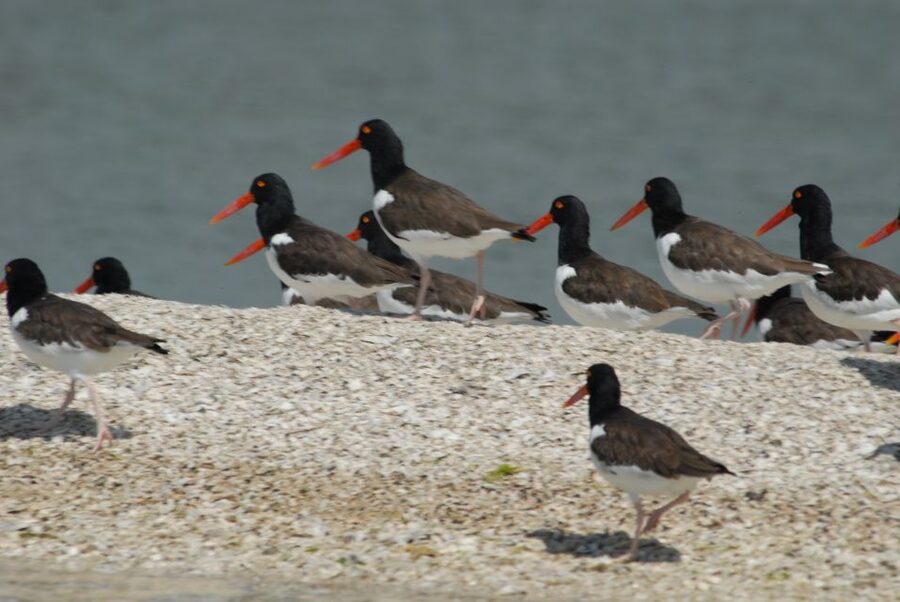
No route can promise every animal on this list. Still, the setting gives you a strong range of subjects. The birdlife alone can make the trip worthwhile, especially during periods when nesting cormorants, great egrets, royal terns, spoonbills, American oystercatchers, osprey, and little blue herons are active.
Why the guide matters on the water
The boat is only half the experience. The guide helps turn a ride into a lesson in how this coastal system works. You may learn why mangroves matter, how shallow channels shape the route, and how birds and marine animals use the islands.
Dan is praised for finding wildlife while also explaining the area in a relaxed way. Don receives similar praise for his clear instruction and effort to make the trip personal. Eddie is remembered for an outing that included dolphins, sea turtles, and white pelicans. These details point to a useful pattern: the guide is not simply driving from one stop to another.
A good guide also knows when to stop talking. Wildlife watching rewards patience. If your group asks to move slowly for photographs, the captain can adjust the pace when conditions allow. That flexibility is one of the strongest reasons to choose this small boat instead of a larger sightseeing vessel.
The local context adds value, too. Chokoloskee and the surrounding islands have a long connection to fishing, water travel, and Native peoples. On the island walk, your guide may point out traces of earlier inhabitants and signs of shellfish use. The outing gives you more than a list of bird names. It helps connect the natural setting with the human story of the coast.
Same place, a different set of birds:
- Birding By Boat on the Osprey
★ 5.0 · 787 reviews - Marco Island 2 hour Dolphin, Birding and Shelling tour
★ 5.0 · 503 reviews - Colorado Springs Hands-On Falconry Class and Demonstration
★ 5.0 · 293 reviews - 2 Hour Dolphin, Birding and Shelling Tour
★ 5.0 · 247 reviews
The uninhabited island walk
At some point, the captain beaches the boat on one of the park’s uninhabited barrier islands. The exact island can change with weather, water conditions, and the day’s route, so you should not expect a fixed landmark or a polished visitor attraction.
That is the point. You step into a place without shops, crowds, or built facilities. Your guide leads a walk through the island environment and helps you look for more birds, plants, shells, and signs of animal life. One past outing included an examination of local shellfish and traces connected to original Indigenous inhabitants.
This stop changes the rhythm of the tour. After sitting on the boat and scanning the water, you can stretch your legs and see the ecosystem at ground level. The walk may also give you better angles for photographs, particularly of shorebirds and vegetation close to the beach.
You should dress for the weather and bring sun protection. The supplied information does not promise shade, food, or drinks, so bring what you need for several hours outdoors. Food and beverages are not included.
Because the island is uninhabited, comfort is basic. You are visiting a wild place, not a park facility with paved paths and services. That may be a drawback for anyone who prefers easy access and predictable amenities. For people who want a closer look at a less developed part of the Everglades, it is one of the trip’s best features.
The photography setup, explained
The boat’s stability is a major selling point. Bird photography often requires a long lens, careful framing, and a few seconds of patience. A rocking vessel can make all three harder. This boat is intended to provide a steadier platform, with enough room for a tripod and larger equipment.
You should bring the camera you know how to use. The guide can help locate animals, but there is no promise of instruction in camera settings. A long telephoto lens gives you the best chance of filling the frame when a bird remains on a distant mangrove or sandbar.
A few practical habits will help:
- Bring sun protection and dress for the day’s weather.
- Carry enough battery power and memory for 210 minutes outdoors.
- Keep equipment secure while the boat is moving.
- Have a wider lens available for scenery and group photographs.
- Be ready to put the camera down and watch. Some of the best moments may be dolphins moving through the wake or a bird flying across open water.
The outing is not only for photographers. Binocular users and casual wildlife watchers can enjoy the stable ride and guide commentary. The camera-friendly design simply makes this a better choice than a basic sightseeing cruise if images are central to your plans.
Weather, timing, and comfort
The tour runs for 210 minutes, or about three and a half hours. That is long enough to reach a variety of islands and still have time for the shore stop, but short enough to fit into a larger day in the area.
From June through October, morning departures are recommended because of the weather. That advice is worth following. A morning start can mean more comfortable conditions and less risk of losing the best part of the outing to changing weather.
Conditions can also change what you see. One account describes a windy day when the guide adjusted the outing to make the most of what was possible. This is an important sign of a good wildlife tour: the route is not a script. Wind, water, and animal behavior all matter.
There is no food or drink included. Restrooms are available across from the Marina Store before boarding, but you should handle those needs before departure. The information provided does not list special accessibility arrangements, so contact the operator before booking if you need specific assistance.
Is $172 per person good value?
At $172 per person, this costs more than a basic group boat ride. The value comes from the combination of a six-person limit, a licensed US Coast Guard captain, a Florida-certified Master Naturalist, a stable photography platform, and an island walk.
If you only want a quick look at the water, the price may feel high. You are paying for three and a half hours, not a short transfer. You are also paying for the guide’s ability to read the area, locate wildlife, explain what you see, and adapt the route.
For a serious bird photographer, the cost is easier to justify. Tripod space, comfortable seating, and the chance to ask the captain to slow down can save frustration. For a couple or small family that values quiet nature time, the six-person cap creates a more personal outing than a large boat can offer.
The strongest value comes when you use all parts of the experience: listen to the ecological and local stories, take your time with wildlife, and join the island walk. If you only plan to stay seated with a camera pointed forward, you may not get as much from the price.
Who should book this expedition?
I would recommend it to birders, wildlife photographers, nature-minded couples, and anyone curious about the Gulf side of Everglades National Park. It suits people who enjoy a slow pace and do not need constant entertainment.
The trip is also a good fit if you have already seen the Everglades from roads or boardwalks and want a different setting. The 10,000-island coast offers a more remote experience, with shallow water, mangrove islands, and wildlife viewed from the boat.
It may not suit you if you dislike sun, wind, basic island conditions, or a long drive to a remote marina. It is also not the right choice if you need guaranteed sightings or a fixed itinerary. Nature decides the schedule here.
Cancellation is free up to 24 hours before departure, and you can reserve now and pay later. Those policies help if your Florida plans are still shifting, but remember that missing the departure does not qualify for a refund.
Should you book it?
Book this expedition if you want a small, guide-led look at the coastal Everglades and you value time for photography. The combination of a stable boat, six-person limit, and uninhabited island stop is unusually well suited to birdwatching.
Choose a morning departure between June and October, bring sun protection, and use a long telephoto lens if wildlife photos matter. If you are comfortable with changing conditions and a remote meeting point, this is a thoughtful way to see the Everglades from the water rather than simply passing through it.
FAQ
How long is the Everglades Birding, Wildlife, and Photography Expedition?
The experience lasts 210 minutes, or about three and a half hours.
Where does the tour meet?
It meets at Parkway Marina, 1180 Chokoloskee Drive, Chokoloskee, Florida 34138.
How early should I arrive?
Plan to arrive 10 to 15 minutes early for parking and restrooms. Boarding takes place five minutes before departure.
How many people can join the boat?
The group is limited to six participants.
Is the boat suitable for photography equipment?
Yes. The boat is described as large and stable, with comfortable seating and room for a tripod and large telephoto lenses.
What wildlife might I see?
Possible sightings include roseate spoonbills, osprey, ibis, herons, snowy egrets, shorebirds, bald eagles, dolphins, sea turtles, manatees, and other saltwater animals.
Does the tour include a walk?
Yes. The boat stops at an uninhabited barrier island, where the guide leads a walk and points out additional wildlife, plants, shells, and other features.
Is food or drink included?
No. Food and beverages are not included.
Can I cancel for a full refund?
You can cancel up to 24 hours in advance for a full refund. Missing the tour does not qualify for a refund.
More Wildlife Trips in the USA
- Penguin Parade, & Wildlife Encounters Eco Tour from Melbourne
★ 5.0 · 3,774 reviews - Phillip Island Penguins & Wildlife Day Tour from Melbourne
★ 5.0 · 867 reviews - Phillip Island: Penguins and Wildlife Full-Day Tour
★ 4.6 · 642 reviews - From Melbourne: Puffing Billy Train & Penguin Wildlife Tour
★ 4.8 · 605 reviews
More Bird Photography Tours in the USA
- Jaco Birdwatching and Photography with Sergio
★ 5.0 · 65 reviews - Birding & Photography Day Trip to Doñana from Seville
★ 5.0 · 61 reviews - Guided Birding Photography Experience
★ 5.0 · 47 reviews - Skadar Lake National Park: Birdwatching & Photography Tour
★ 4.8 · 39 reviews
Just added around the USA
- Chincoteague and Assateague Birdwatching Boat Tour★ 5.0 · 16 reviews
- Half-Day Private Bird Tour of Fort De Soto Park in St. Petersburg – 2 person max★ 5.0 · 2 reviews
- Kayak/SUP Tour: Birds, Beavers, Turtles, maybe even Cliff Jumping★ 5.0 · 26 reviews
- Skagit Valley Birding + Deception Pass Day Tour From Seattle★ 5.0 · 3 reviews
- Sunset, Dolphin/Birding On A Private Guided Savannah Cruise★ 5.0 · 3 reviews
- Great Salt Lake Birding and Nature Adventure★ 5.0 · 3 reviews
- Pittsburgh Penguins Ice Hockey Game Ticket at PPG Paints Arena★ 4.0 · 3 reviews
- Central Florida Half-Day Private Birding Activity – 2 person max★ 5.0 · 30 reviews
Bird Photography Tours, compared.
Birding & Photography Day Trip to Doñana from Seville
Read our review →
Skadar Lake National Park: Birdwatching & Photography Tour
Read our review →
Kos Wildlife Walks: birdwatching and animal photography
Read our review →
Skadar Lake National Park: Birdwatching & Photography Tour
Read our review →Browse the lists this tour appears in