
REVIEW · USA BIRDWATCHING TOURS
Experience Raptors and Falconry in Reno
Meet a hawk at arm’s length. This small-group Reno experience lets you learn falconry while holding an owl, falcon, and hawk on a protected glove. I like the personal scale, with no more than six people, and the chance to watch Zulu, a Harris’ Hawk, fly from perch to perch and return to the falconer’s gauntlet. I also like how Kathleen mixes biology, conservation, field identification, and practical falconry. The main drawback is the short one-hour schedule, which can feel brief for the $125 price.
This is not a quick photo stop with a bird perched nearby. You receive instruction, ask questions, handle several raptors, and take part in a hawk walk. Federal rules require you to be over 14 to hold the birds, and good weather is needed, so keep the schedule a little flexible.
Quick facts about the Reno raptor experience
- Three named raptors may join your session: Louise the Eurasian Eagle Owl, Sabey the Saker Falcon, and Zulu the Harris’ Hawk have all taken part in the hands-on program.
- The hawk walk is the centerpiece: After a short lesson, you walk with a trained hawk as she flies between perches and returns to the falconer’s gloved hand.
- The group stays very small: A maximum of six people allows for questions and personal instruction rather than a crowded demonstration.
- You learn more than bird names: The session covers raptor biology, behavior, conservation, field identification, natural history, and the demands of falconry.
- The meeting point is outside central Reno: The activity begins and ends at 1265 Deerlodge Road, about 30 minutes from downtown Reno according to the operator’s guidance.
- Age rules matter: Only participants over 14 may hold raptors under federal regulations.
What happens during the one-hour session
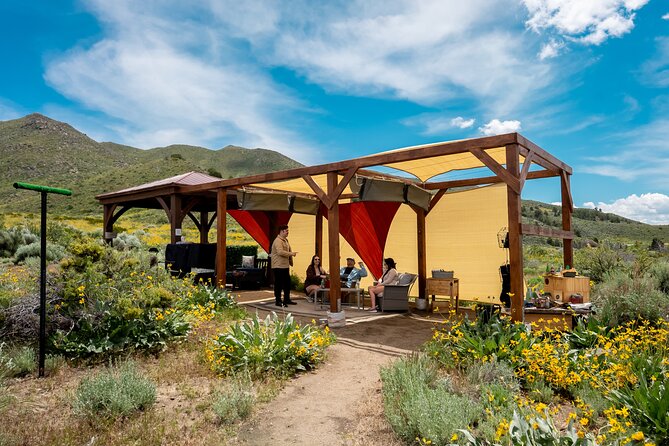
The experience begins at 1265 Deerlodge Road in Reno. You return to this same meeting point at the end, so there is no second drop-off point to arrange.
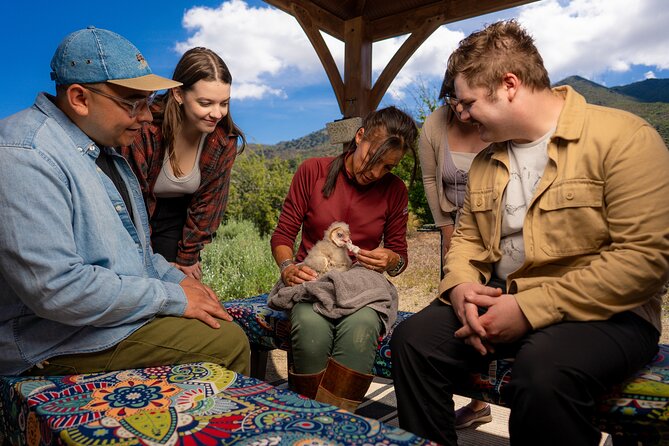
The small group size shapes the whole session. With six people or fewer, you are not standing behind a large crowd trying to see over someone’s shoulder. You can follow the falconer’s instructions closely and ask questions as they come up. That matters when you are handling a live bird, since the right position and calm movements are more useful than a rushed photo.
Kathleen leads the experience and brings a warm, lively teaching style. Her husband, James, may also help with the session. The tone is friendly and informal, but the subject is serious: caring for birds of prey requires training, permits, and attention to the birds’ health and behavior.
You start with an introduction to falconry and raptors. Expect discussion of how hawks, falcons, and owls differ, how to recognize them in the field, and how their traits affect the way they hunt and fly. The session also covers conservation, which gives the birds a wider context than simply being impressive animals to hold.
That opening talk is especially useful if you know little about birds. You learn to look at body shape, flight style, and behavior rather than treating every large bird as just a hawk. If you already enjoy birding, the field identification material and natural history may be the strongest part for you.
More Birds of Prey and Falconry in the USA:
- Colorado Springs Hands-On Falconry Class and Demonstration
★ 5.0 · 293 reviews - Colorado’s Birds of Prey Full-Day with Lunch
★ 5.0 · 17 reviews - Morning Falconry & Nature Desert Safari with Transfers from Dubai
★ 5.0 · 254 reviews
Holding Louise, Sabey, and Zulu
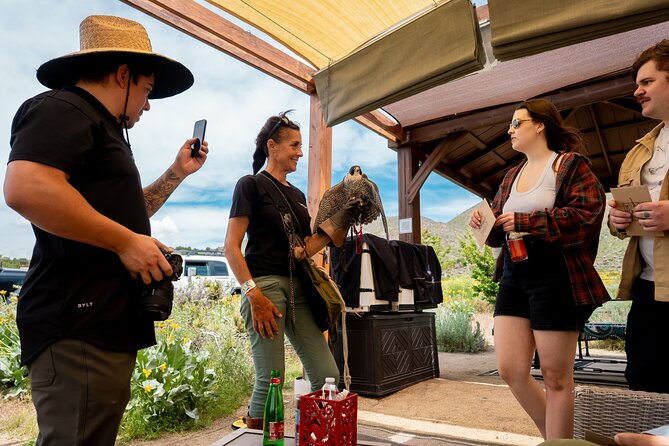
The hands-on section gives you a chance to wear a falconry gauntlet and hold the birds under supervision. The glove is not a costume accessory. Raptors have strong feet and sharp talons, so the gauntlet protects your hand and forearm while giving the bird a stable perch.
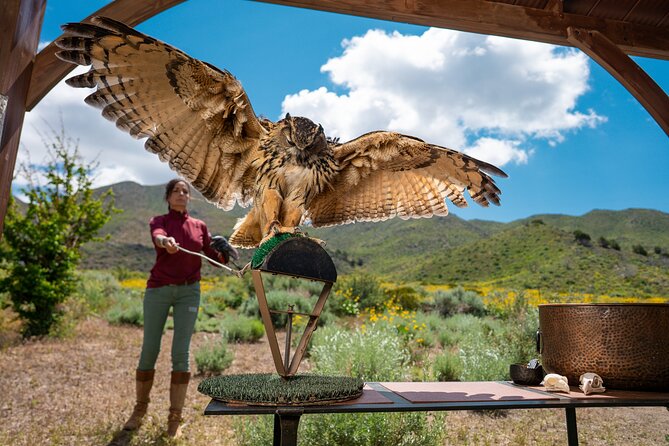
The birds that have appeared in the program include Louise, a Eurasian Eagle Owl; Sabey, a Saker Falcon; and Zulu, a Harris’ Hawk. You may handle an owl, a falcon, and a hawk, allowing you to compare their size, posture, facial features, and general manner.
This is where the session becomes personal. You are close enough to notice the bird’s balance, feather pattern, and alert movements. You also get a better sense of the falconer’s responsibility. The bird is not a prop that performs on command every second. Its comfort and behavior guide the pace.
That point is worth keeping in mind if you want a guaranteed wildlife spectacle. The falconer is trained to work with the birds, but live animals are not machines. The reward is seeing how the birds respond naturally within a carefully managed activity.
The hawk walk with Zulu
After the basic instruction, you take part in the hawk walk. A trained Harris’ Hawk flies from a perch and returns to the falconer’s gauntlet, sometimes swooping in with startling speed and control.
The most memorable part for many people is having the hawk fly to your own gloved arm. You stand ready while the bird follows the falconer’s signal, then watch it land with precision. It is a small event in distance but a big one in sensation. You feel the weight of the bird and see the mechanics of a working raptor at close range.
Harris’ Hawks are well suited to this kind of demonstration because they can work closely with a falconer. The session presents the hawk as an animal with its own abilities and needs, not just as a flying decoration.
The walk also breaks up the seated or standing instruction. You move through the site with the falconer while watching the bird fly and return. The setting is in the high desert near Reno, which gives the activity a fitting sense of place without requiring a long trip into the backcountry.
The weather can affect this part of the program. Wind, rain, or other poor conditions may make it unsafe or unsuitable to fly the bird. If the operator cancels because of weather, you can choose another date or receive a full refund.
Why the teaching matters
Falconry can look simple from a distance: a bird flies, then comes back to a gloved hand. The session shows you the work behind that moment.
You learn about the permits and regulations involved in caring for raptors. You also hear about their health, behavior, and daily needs. That information changes the way you see the bird. Instead of focusing only on the thrill of holding it, you begin to understand the care and discipline required to work with it responsibly.
Kathleen’s strongest quality is her ability to keep the lesson engaging. She has been praised for making the hour interactive, entertaining, and easy to follow. Her enthusiasm for raptors is clear, and she welcomes questions rather than rushing through a set script.
I would especially recommend asking about differences among the owl, falcon, and hawk. Seeing all three close together makes the comparisons easier to understand. You can notice how each bird sits, moves, and reacts, then connect those observations to the biology discussed earlier.
A few more birding trips around the USA worth a look
- Birding By Boat on the Osprey
★ 5.0 · 787 reviews - Marco Island 2 hour Dolphin, Birding and Shelling tour
★ 5.0 · 503 reviews - 2 Hour Dolphin, Birding and Shelling Tour
★ 5.0 · 247 reviews - Skip the Line: Flamingo Gardens Admission Ticket in Fort Lauderdale
★ 4.5 · 223 reviews
Is $125 a fair price?
At $125 per person, this is not a bargain attraction. For about one hour, the cost is higher than a standard museum visit or a large-group wildlife talk.
The value comes from the small group, the direct contact, and the access to a licensed falconer. You are not only watching a presentation. You may hold several raptors, take part in the hawk walk, and ask questions throughout the session. With six people or fewer, your time with the birds should feel more substantial than it would in a packed demonstration.
The price makes the most sense for a bird lover, a person with falconry on a bucket list, or someone seeking an unusual Reno activity. It is also a thoughtful choice for a couple or small family with older teenagers.
The value is weaker if you want a long outing, a broad tour of the Reno area, or a full day of wildlife viewing. The program is focused and compact. You are paying for close contact and instruction, not a long itinerary.
The experience is often booked about 42 days ahead, so plan early if your Reno dates are fixed. If a date or time appears unavailable, you can call or text to ask about a possible cancellation.
Getting there and preparing for the visit
The meeting point is 1265 Deerlodge Road, Reno, Nevada 89508. The location is near public transportation, and the activity ends where it begins. Some people describe the drive from downtown Reno as roughly 30 minutes, so allow extra time rather than arriving at the last moment.
Confirmation is provided when you book, and mobile tickets are accepted. The session is offered in English.
Wear clothing that lets you move comfortably during the hawk walk. The supplied information does not specify a dress code or equipment list, so check your confirmation for any current instructions. The activity takes place outdoors or in an outdoor setting, and weather affects whether the flying portion can proceed.
Children under 15 may be able to attend, since the stated federal restriction concerns holding raptors. However, participants must be over 14 to hold the birds. If a younger family member is joining you, confirm the current participation rules before booking.
The operator says most people can participate. Still, this is a live-animal activity involving walking, standing, and following handling instructions. If you have a concern about mobility or any other participation need, ask before reserving.
Who will enjoy this most?
This is a strong choice for:
- Birders who want to improve their understanding of field identification
- First-time visitors curious about falconry
- Couples looking for an unusual shared activity
- Solo visitors who enjoy hands-on learning
- Families with teenagers over 14 who can follow careful instructions
- Anyone with a long-standing wish to hold a bird of prey
You do not need to be an expert. In fact, beginners may get the most from Kathleen’s explanations because the program starts with the basics and builds toward the hawk walk.
The format may not suit someone who dislikes close contact with animals, expects a fast-moving thrill ride, or wants complete control over the schedule. The birds set the pace, and weather may change the plan.
Booking, cancellations, and practical limits
You can cancel for a full refund up to 24 hours before the local start time. Cancellations or changes made within 24 hours are not accepted for a refund.
Because weather is important to the flying portion, the operator may cancel in poor conditions. In that case, you are offered a different date or a full refund.
Keep in mind that the maximum group size is six, but the minimum group size is not provided. The exact birds present can also vary. Louise, Sabey, and Zulu are named examples from the program, but you should not assume every session will include the same lineup unless the operator confirms it.
Should you book Raptors and Falconry in Reno?
Book it if you want close, careful contact with birds of prey and you value a guide who explains the animals rather than simply posing them for photographs. The strongest parts are the tiny group, the chance to hold an owl, falcon, and hawk, and the hawk walk where a trained Harris’ Hawk may return to your glove.
Skip it if $125 feels high for an hour or if you want a broad Reno sightseeing tour. This is a focused encounter, not a general attraction.
For the right person, it is a memorable use of a Reno morning or afternoon. Plan ahead, respect the age rule, allow for weather changes, and arrive ready to listen. The birds are the stars, but the falconer’s instruction is what makes the encounter meaningful.
FAQ
Where does the raptor experience begin?
It begins at 1265 Deerlodge Road, Reno, NV 89508, USA.
Where does the activity end?
The activity ends back at the same meeting point.
How long does the experience last?
The experience lasts approximately one hour.
How many people can join?
The activity has a maximum of six participants.
Can children hold the raptors?
Federal regulations require participants to be over the age of 14 to hold raptors.
What birds might I interact with?
The program includes interaction with a hawk, falcon, and owl. Named birds that have taken part include Zulu, a Harris’ Hawk; Sabey, a Saker Falcon; and Louise, a Eurasian Eagle Owl.
Is the experience offered in English?
Yes. The experience is offered in English.
What happens if bad weather cancels the session?
If poor weather causes a cancellation, you are offered a different date or a full refund.
Just added around the USA
- Chincoteague and Assateague Birdwatching Boat Tour★ 5.0 · 16 reviews
- Half-Day Private Bird Tour of Fort De Soto Park in St. Petersburg – 2 person max★ 5.0 · 2 reviews
- Kayak/SUP Tour: Birds, Beavers, Turtles, maybe even Cliff Jumping★ 5.0 · 26 reviews
- Skagit Valley Birding + Deception Pass Day Tour From Seattle★ 5.0 · 3 reviews
- Sunset, Dolphin/Birding On A Private Guided Savannah Cruise★ 5.0 · 3 reviews
- Great Salt Lake Birding and Nature Adventure★ 5.0 · 3 reviews
- Pittsburgh Penguins Ice Hockey Game Ticket at PPG Paints Arena★ 4.0 · 3 reviews
- Central Florida Half-Day Private Birding Activity – 2 person max★ 5.0 · 30 reviews
Birds of Prey & Falconry, compared.
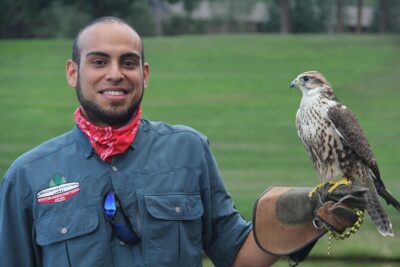
Colorado Springs Hands-On Falconry Class and Demonstration
Read our review →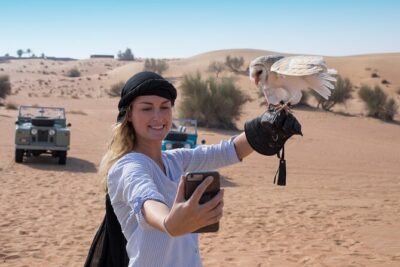
Morning Falconry & Nature Desert Safari with Transfers from Dubai
Read our review →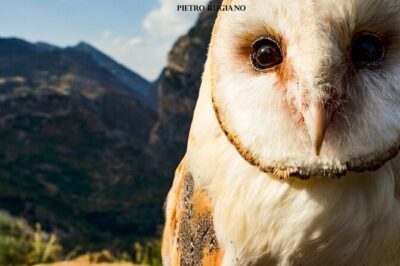
Interactive Educational Course on Birds of Prey
Read our review →Dubai Hot Air Balloon Ride with Breakfast, Falconry & Camel Ride
Read our review →


Margaret River: Birds of Prey Encounter and Forest Walk
Read our review →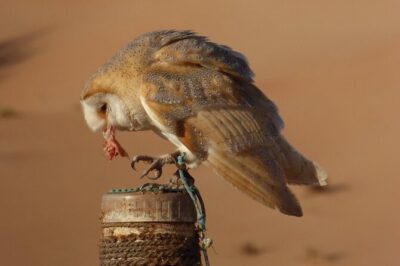
Small-Group Tour: Falcon 2—Dubai Falconry Safari
Read our review →Browse the lists this tour appears in