
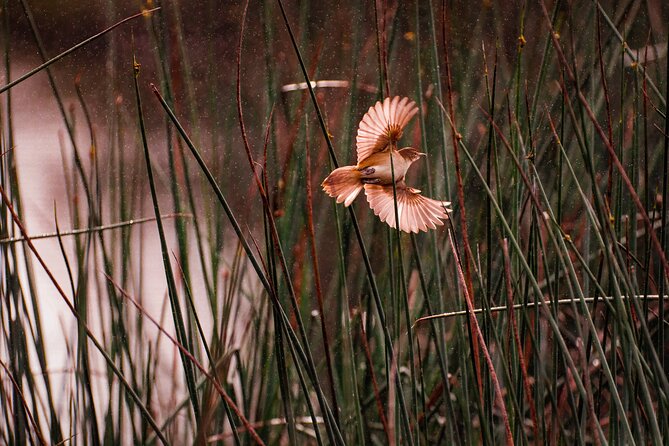
REVIEW · AUSTRALIA BIRDWATCHING TOURS
From Adelaide: Ultimate SA Birding & Nature Discovery Tour
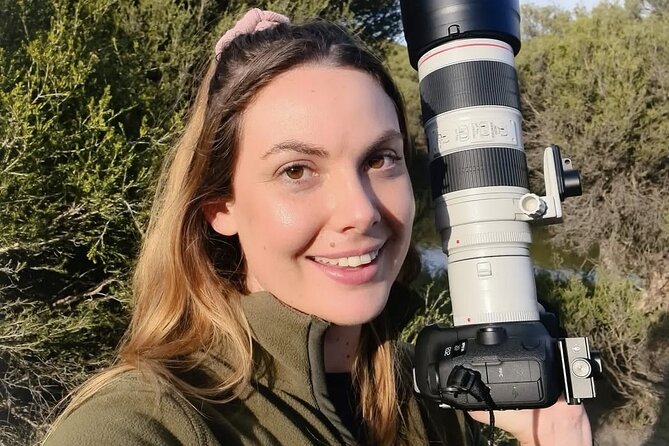
Birds reward patience. This full-day outing pairs South Australia’s wetlands and coast with practical bird photography lessons from Amanda Vallance, a professional wildlife photographer with Avian Adventures Australia. I especially like the small group of up to 11 people and the chance to receive personal help with camera settings, focus, light, and composition. The main drawback is the long day, with an early 7:30 am start and several outdoor stops.
I also like the variety: you move from calm ponds in the Adelaide Hills to coastal birds at Victor Harbor and warm evening light near the Murray Mouth. The price of $85.35 is appealing for a 10-hour outing with transport, binoculars, a guide, and water, but the lunch information is inconsistent, so confirm exactly what is supplied before you go.
Key points at a glance
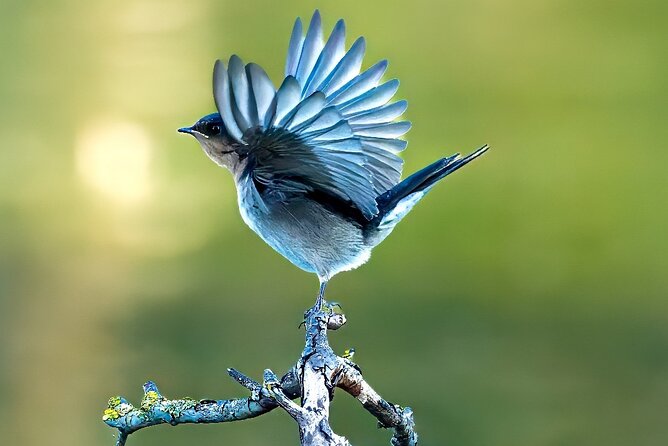
- Hands-on photography coaching: Amanda covers exposure, camera modes, focus tracking, composition, lighting, fieldcraft, ethics, and basic image review.
- Five distinct bird settings: You visit Laratinga Wetlands, Mount Compass Wetlands, Victor Harbor, Granite Island, and the Murray Mouth Lookout.
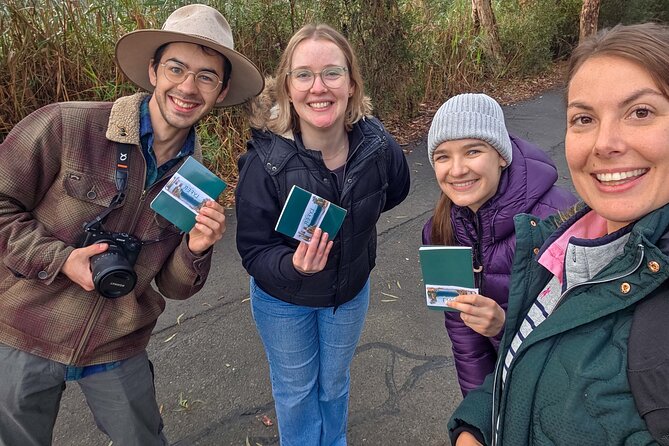
- A useful small-group size: With no more than 11 people, you should have a better chance of asking questions and getting individual feedback.
- Good equipment support: Binoculars, an ornithological guide, an air-conditioned vehicle, and a bottle of water are provided.
- A full South Australian day: The route links inland ponds, Fleurieu Peninsula farmland, a bakery stop, rocky coastline, and the River Murray estuary.
- Strong fit for mixed abilities: The workshop suits beginners, but experienced photographers can still work on movement, light, and field technique.
Why this birding day works for photographers
Many wildlife tours show you birds and leave you to figure out the camera. This one adds instruction at every stop. That difference matters. You are not simply hoping a bird lands in the right place. You are learning how to prepare the camera, watch behavior, choose a focus mode, and react when the subject moves.
Amanda’s teaching covers the basics before the first major stop. You can expect guidance on camera modes and exposure while the vehicle travels through the Mount Lofty Ranges. This is useful for beginners who might otherwise spend the first hour pressing buttons and missing birds.
The workshop also suits you if your camera is older or unfamiliar. One of the strongest points from the feedback is Amanda’s patience with an old camera and her ability to explain settings in a way that makes sense. That is a practical strength. Wildlife photography can become technical very quickly, but good instruction should help you take better pictures with the equipment you already own.
The group limit of 11 is another plus. It is not a private lesson, but it is small enough to make questions possible. Personal feedback is especially helpful when you are trying to improve exposure or track a bird in flight.
A few more birding trips around Australia worth a look
- Penguin Parade, & Wildlife Encounters Eco Tour from Melbourne
★ 5.0 · 3,774 reviews - From Melbourne: Penguin Parade, Koalas & Kangaroos
★ 4.5 · 1,932 reviews - From Melbourne: Phillip Island Penguin Parade & Koalas Tour
★ 4.7 · 1,408 reviews
From Adelaide to Laratinga Wetlands
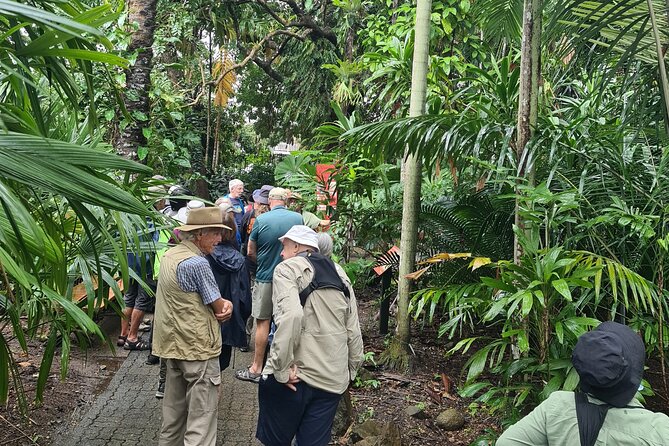
The day begins in Adelaide’s CBD at 7:30 am, followed by a scenic drive through the Mount Lofty Ranges. That early start is part of the bargain. Morning light is often kinder for photography, and wetlands tend to be active early, but you need to be ready before most holidaymakers have finished breakfast.
Laratinga Wetlands is the first main photography stop, with about 90 minutes set aside. The ponds provide a calm setting for learning the basic building blocks of bird photography: exposure, composition, and the use of soft early light.
This is a sensible opening location because reflections can help you practice framing without the pressure of a fast-moving subject. Amanda can also explain how to balance the bright sky, reflective water, and darker birds. You might find that the first stop feels more like a lesson than a rapid bird count, which is exactly what beginners need.
The wetlands are also a good place to use the supplied binoculars. You can scan the ponds first, watch where birds are moving, then raise your camera once you understand the scene. That habit is better than pointing the lens at every splash.
The possible downside is that wildlife never follows a timetable. A 90-minute stop does not guarantee a particular bird or perfect reflection. The value here is the chance to build technique in a peaceful setting, not a promise of a prize photograph.
Mount Compass and the Fleurieu Peninsula
After Laratinga, the route heads south for about 40 minutes toward Mount Compass Wetlands. The drive passes farmland and low wetlands, with raptors sometimes visible overhead. Amanda uses this part of the trip to explain focus tracking and how to anticipate movement.
That lesson is important. Birds in flight give you little time to change settings, find the subject, and press the shutter. Learning to watch behavior first can make the difference between a blurred shape and a usable image.
The Mount Compass stop lasts about 90 minutes. It adds variety to the morning because you are no longer working only with still water and predictable reflections. You might be photographing birds in motion, scanning open areas for raptors, or adjusting your composition as conditions change.
I like the way the route turns the drive itself into part of the workshop. You are not simply being transported from one attraction to another. The trip gives Amanda time to explain what to look for and how to prepare before you reach the next site.
Still, you should keep your expectations sensible. Raptors are mentioned as birds that often soar in the area, not as guaranteed sightings. Wildlife photography always includes waiting, missed shots, and changing conditions. Amanda’s fieldcraft guidance helps, but it cannot control the birds.
Port Elliot Bakery and a useful midday pause
The Port Elliot Bakery stop lasts about 75 minutes and gives the day a welcome change of pace. The bakery is known for pies and vanilla slices, making this a distinctly local food stop rather than a generic roadside break.
It is also the planned moment to review your morning images. That can be more useful than it sounds. Looking at your pictures while the lessons are fresh lets you spot problems with focus, exposure, white balance, or composition before the afternoon shooting begins.
The lunch details need attention. One part of the tour information says lunch and a bottle of water are provided, while another says lunch is not included. Since those statements conflict, you should confirm the arrangement with Benders Bus Tours before departure. Do not assume the bakery stop means a meal is covered in the price.
Even if you are buying your own food, the stop has value. You get a chance to recharge, check your equipment, and discuss the morning without standing in the sun or watching for birds. The 75-minute pause also prevents the full day from becoming one long string of hurried photo stops.
Same place, a different set of birds:
- From Melbourne: Phillip Island Penguin Parade Eco Tour
★ 4.8 · 1,211 reviews - From Melbourne: Puffing Billy and Penguin Parade Combo Tour
★ 4.5 · 1,184 reviews - Penguin Parade: General Viewing Ticket
★ 4.2 · 1,069 reviews - Phillip Island Penguins & Wildlife Day Tour from Melbourne
★ 5.0 · 867 reviews
Victor Harbor and the Granite Island causeway
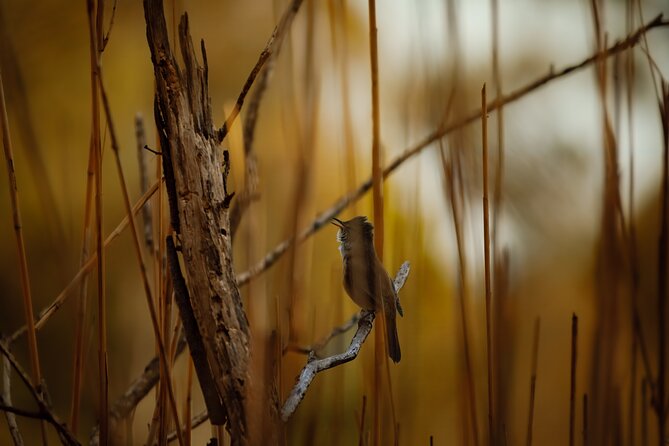
Victor Harbor brings a stronger coastal feel. You can photograph from the shore or walk across the historic causeway toward Granite Island, watching gulls and terns move above the water.
The coastal setting changes your photographic problems. Instead of quiet pond reflections, you may be dealing with wind, bright ocean light, and birds moving quickly against an open background. Amanda’s help with exposure and focus tracking becomes useful here, particularly if you have mostly photographed stationary subjects.
The Victor Harbor stop lasts about 90 minutes, and the causeway itself adds another 30 minutes for Granite Island. That gives you time to choose between staying near the foreshore or crossing the causeway, depending on your energy and photographic priorities.
You should be prepared for a moderate level of physical activity. The tour is not described as strenuous, but it includes walking at wetlands, along the coast, and across the causeway. Comfortable shoes and sensible outdoor clothing make sense, though the supplied information does not specify a dress code or equipment list beyond binoculars and water.
The coast is also where wind can become a factor. It may add movement and atmosphere to your pictures, but it can make small birds harder to frame. The open views are rewarding, yet the conditions may be less forgiving than the sheltered first stop.
Granite Island and Nature’s Eye
Granite Island is known for rugged boulders, ocean views, and wildlife. The causeway walk provides a simple way to experience the setting before you reach the island’s rocky paths.
Nature’s Eye is a short 10-minute stop along the Kaiki Walk. It is a naturally formed rock pool surrounded by granite, shaped like a large eye facing the sea. This is not a long birding session, but it gives you a striking coastal subject and a chance to work on framing, texture, and the relationship between rock and water.
The short duration matters. You should not expect a full island exploration. Instead, think of Granite Island and Nature’s Eye as a compact coastal section within a much broader day. The focus remains on seeing and photographing wildlife, with scenery providing extra variety.
If you are carrying a large camera and lens, the walking sections may feel more demanding than the vehicle rides. The group moves through several settings, so pack only what you can comfortably manage for the day.
The Murray Mouth in golden light
The final major photography point is Murray Mouth Lookout, where the River Murray meets the sea. The stop is listed at about 15 minutes, so this is a brief final opportunity rather than a long session.
The timing is the attraction. The day is designed to finish with birds in golden light, which can add warmth and shape to photographs. The listed regular species include Australian Pelican, Caspian Tern, Whiskered Tern, and Great Egret.
These birds offer different photographic challenges. Pelicans are large and easier to track, while terns can demand faster reactions. Egrets may test your exposure choices against open water and changing light. The short stop means you should be ready before you arrive, with the camera set and binoculars handy.
A 15-minute visit can feel rushed if the birds are distant or conditions are poor. It works best as a final chance to apply the skills you have practiced all day, not as the main reason to book the experience.
The ride home and image review
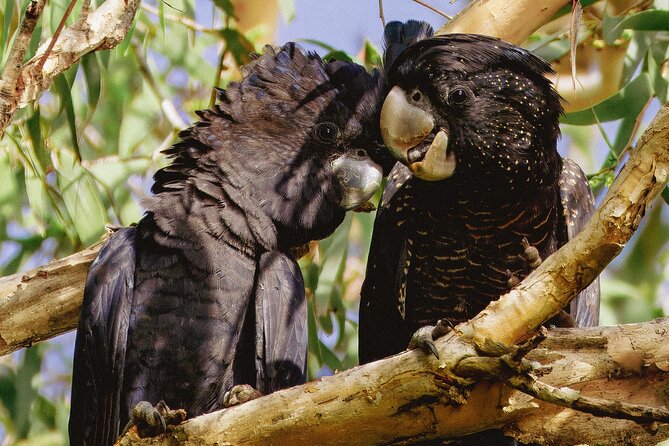
The return journey to Adelaide takes about an hour, with arrival around 5 pm. Amanda uses the ride for an informal discussion of image review, white-balance correction, and post-processing.
This closing session adds real value. A photograph can look disappointing because of poor field technique, but it can also need a simple correction after the fact. Learning where to draw that line helps you improve without relying on excessive editing.
The review is also a useful way to connect the day’s lessons. You have worked with reflections, movement, coastal light, and golden-hour conditions. Looking at the results afterward can show which settings worked and where you need more practice.
Because the day lasts around 10 hours, the return ride is a welcome chance to sit back. You will likely be tired, especially after the walking sections, but the schedule gives the experience a clear beginning, middle, and end.
What the $85.35 price includes
At $85.35 per person, the outing offers good value if you want both transport and instruction. A 10-hour day covering Adelaide, the Mount Lofty Ranges, the Fleurieu Peninsula, Victor Harbor, Granite Island, and the Murray Mouth would be difficult to arrange independently without a car.
You also receive an air-conditioned vehicle, binoculars, and a birdwatching or ornithological guide. Those inclusions matter if you are visiting Adelaide without outdoor gear. The guided instruction is the main value, though. You are paying for help with camera setup, fieldcraft, ethics, composition, lighting, and image review, not just a ride between bird habitats.
The price is less compelling if you only want casual sightseeing. This is a photography workshop first, with scenery and birdwatching built around it. You will get more from the cost if you bring a camera and want to improve your results.
The lunch discrepancy remains the one practical concern. Ask whether lunch is supplied, and if not, budget for food at Port Elliot Bakery.
Who should book this experience?
I would point this tour toward beginner photographers who want patient instruction in real outdoor settings. It is also a good choice if you own an older camera, feel unsure about settings, or want help photographing birds in flight.
Experienced photographers may appreciate the chance to work in several habitats and receive a second opinion on technique. The personal feedback, small group, and range of light conditions give the day more substance than a simple sightseeing transfer.
It may be less suitable if you dislike early starts, long vehicle rides, or moderate walking. It is also not the right pick if you want a relaxed coastal day with no camera instruction. The schedule is full, and you will spend much of it moving between different places.
Amanda’s patience, clear help with camera settings, and ability to scan the bush for birds are the strongest reasons to choose it. The two available ratings are both five out of five, with particular praise for her expertise, personality, and guidance. Those are encouraging signs, though the small number of ratings means you should still judge the tour against your own interests.
Should you book it?
Book this experience if you want a practical day of bird photography rather than a simple nature drive. The mix of wetlands, farmland, coast, Granite Island, and the Murray Mouth gives you varied subjects, while Amanda’s instruction helps you make better use of your camera.
The best value comes from the small group, included transport and binoculars, and the full-day coaching. Confirm the lunch arrangement before paying, and be ready for a 7:30 am start, outdoor conditions, and several walking sections. For a beginner or keen hobby photographer based in Adelaide, this is a well-priced way to learn in the field.
FAQ
Where does the tour start?
The tour starts in Adelaide’s CBD at 7:30 am.
How long does the experience last?
The experience lasts approximately 10 hours, with arrival back in Adelaide around 5 pm.
How many people can join the tour?
The maximum group size is 11 people.
Is hotel pickup available?
Pickup is offered, but the supplied information does not specify the exact pickup locations. Confirm the arrangements when booking.
Are binoculars provided?
Yes. Birdwatching binoculars are included.
Is transport included?
Yes. Transport is provided in an air-conditioned vehicle.
Is lunch included?
The supplied details give conflicting information about lunch. One section says lunch is provided, while another says lunch is not included. Confirm this with Benders Bus Tours before the tour.
What fitness level is needed?
A moderate level of physical fitness is recommended. The experience includes outdoor stops, walking along the Victor Harbor causeway, and walking on Granite Island.
Can I cancel for a full refund?
Yes, if you cancel at least 24 hours before the experience’s start time. Cancellations or changes made less than 24 hours before the start are not accepted for a refund.
Just added around Australia
- Wilson’s Promontory & Phillip Island – ‘Prom & Penguins’ Tour★ 5.0 · 5 reviews
- Puffing Billy Steam Train and Penguins Wildlife Tour★ 5.0 · 26 reviews
- Puffing Billy Train and Phillip Island Penguin Parade Day Tour★ 4.0 · 17 reviews
- Melbourne Penguin Tour & Wildlife kangaroos koala Emu Tasi Devil★ 5.0 · 12 reviews
- Private Phillip Island Penguin Parade Tour★ 5.0 · 2 reviews
- [Private Tour] “Penguin Parade” Phillip Island Tour.★ 5.0 · 4 reviews
- Private custom Penguin Tour with Premium Penguin Tickets★ 5.0 · 18 reviews
- Phillip Island Penguins and Moonlit Sanctuary Private Day Tour★ 5.0 · 3 reviews
Australia Birdwatching Tours, compared.
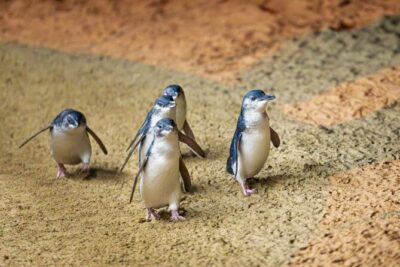
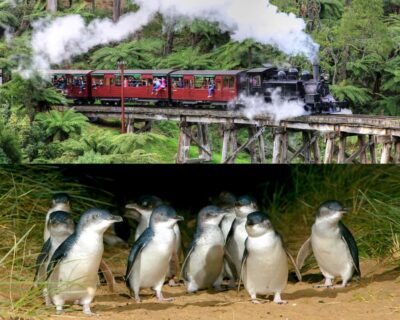
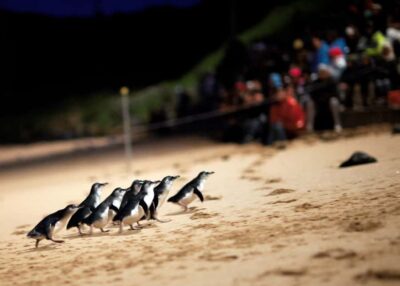
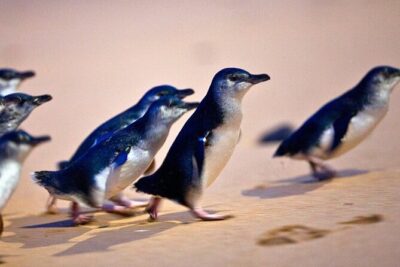
Penguin Parade, & Wildlife Encounters Eco Tour from Melbourne
Read our review →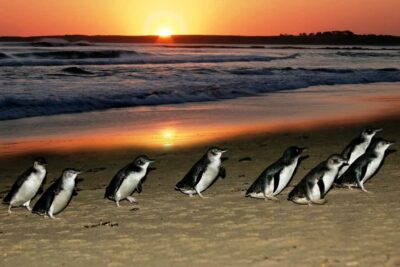
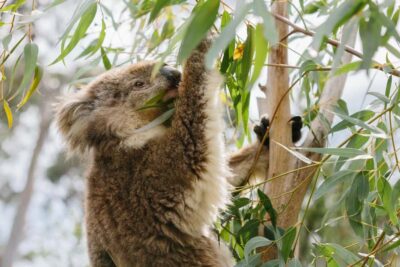
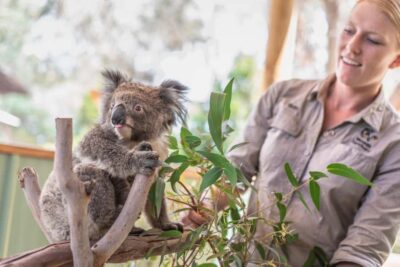
Phillip Island Penguins & Wildlife Day Tour from Melbourne
Read our review →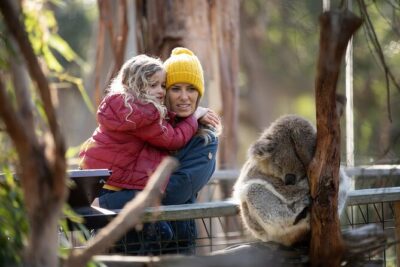
Phillip Island Penguin and Koala Highlights Day-Trip from Melbourne
Read our review →Browse the lists this tour appears in