
REVIEW · ALGARVE BIRDWATCHING TOURS
From Faro: 2-Hour Guided Bird Watching Boat Trip
Birds, islands, and a quiet sea stop await. This two-hour boat trip from Faro takes you through the Ria Formosa Natural Park, one of Portugal’s most important wetland areas for aquatic birds. I like the mix of wildlife watching and local scenery, especially the route past oyster and clam farms. I also like that binoculars, a guide, live commentary, and a 15 to 20-minute beach stop are included.
The main caution is that nature sets the schedule. Tides, weather, and the season affect both the route and the birds you see. One serious complaint involved a shortened one-hour trip after only one person booked the two-hour departure, so I would confirm the departure before setting aside your whole day.
Key points to know before you go
- Birds change with the season: Winter usually brings the greatest number of waders, with possible sightings of spoonbills, black-tailed godwits, flamingos, and sandwich terns.
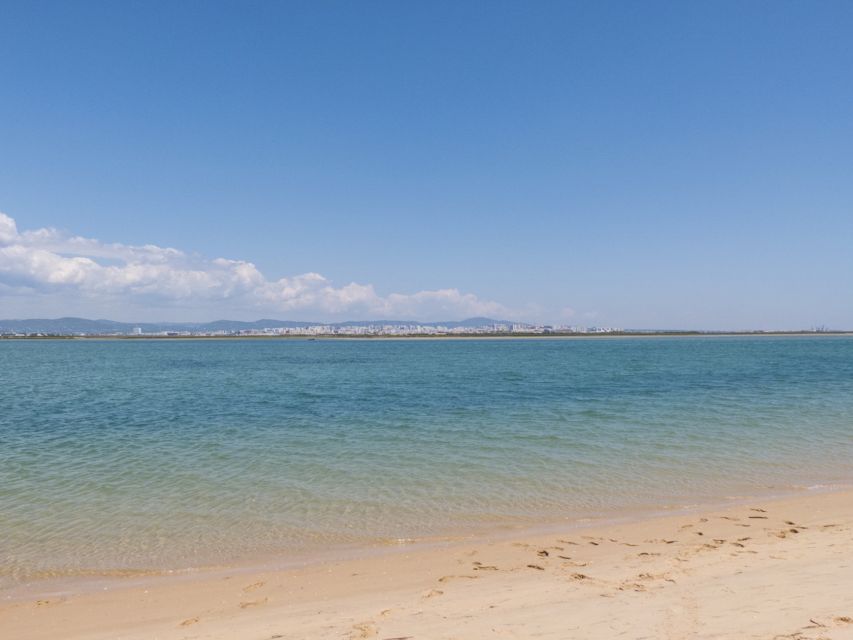
- The route includes a beach stop: You spend about 15 to 20 minutes at a deserted beach where the lagoon meets the sea.
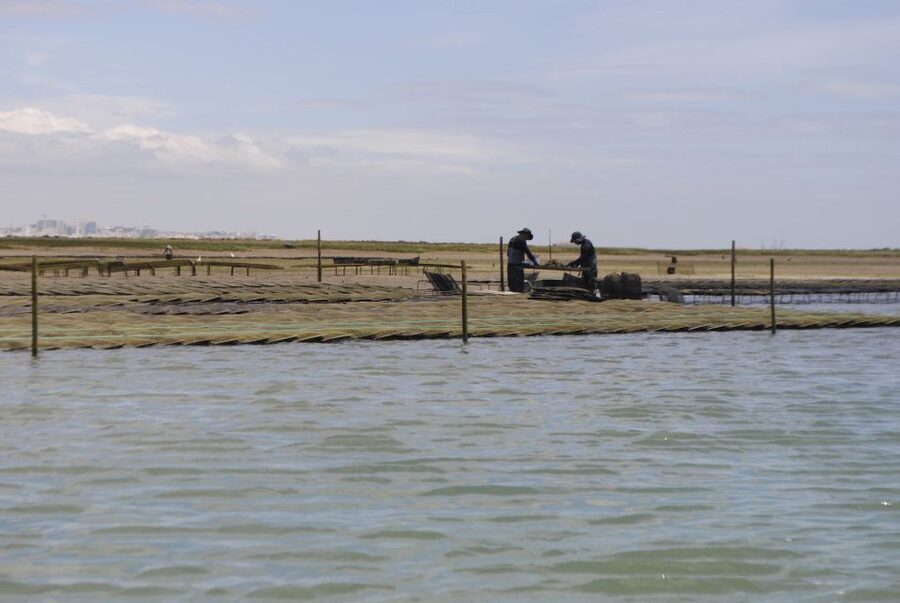
- Oyster and clam farms are part of the story: The boat passes working shellfish farms, showing how the Ria Formosa supports local income as well as wildlife.
- The tour begins in central Faro: Check in at the Boat Tours Store on the ground floor of the Ginásio Clube Naval de Faro.
- A guide makes the difference: The trip is offered in English, Portuguese, Spanish, and French, with binoculars supplied onboard.
- The water can change the plan: Departure times, routes, and duration may shift because of tides, weather, or safety conditions.
Why the Ria Formosa works so well for bird watching
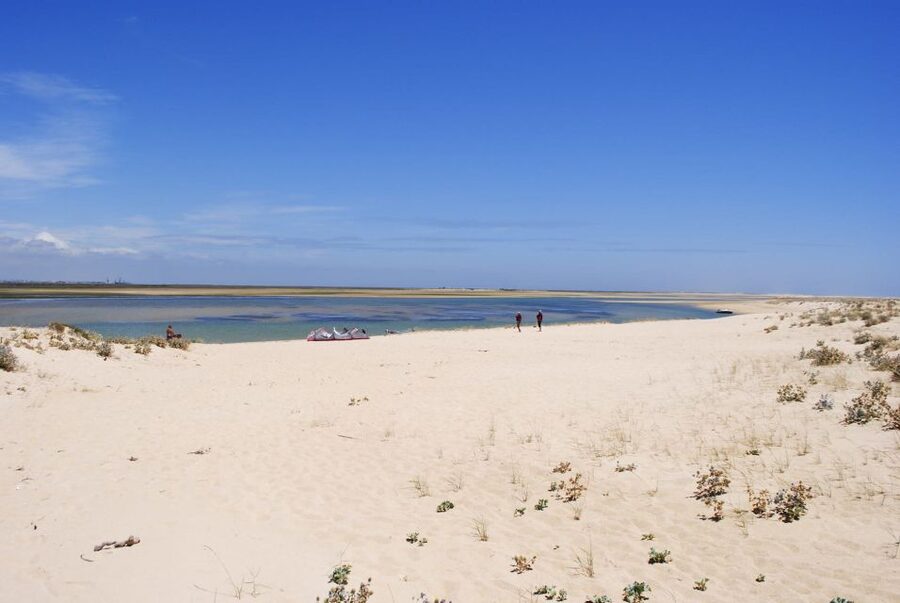
The Ria Formosa is not one single lagoon. It is a broad system of channels, mudflats, islands, and coastal waters, shaped by tides. That variety gives birds places to feed, rest, and shelter.
It is also one reason the area was chosen among the 7 Natural Wonders of Portugal. The appeal is not just pretty scenery. You are seeing a working wetland, where wildlife, tides, shellfish farming, and boat traffic all share the same narrow waterways.
A boat is a useful way to see this environment. From the water, you can follow the channels toward the islands without spending hours walking in exposed sun. The slow pace also suits bird watching. You are not racing from one landmark to another. The guide can pause, point out birds, and explain what you are seeing.
I would keep your expectations sensible. This is a two-hour introduction to the park, not a specialist birding expedition with a guaranteed species list. Some birds may sit close to the boat, while others may be distant or hidden by the tide. The listed species are examples, not promises.
More Birdwatching Boat Trips in Portugal
- Lisbon: Tagus Estuary Nature Reserve Birdwatching Boat Tour
★ 4.9 · 117 reviews - 2-hour Bird Watching Guided Boat Trip in Ria Formosa from Faro Algarve
★ 4.5 · 75 reviews - Faro: Ria Formosa Eco Birdwatching Boat Tour
★ 4.6 · 73 reviews
Starting at Faro’s nautical club
You meet at the local partner’s office inside the Boat Tours Store, on the ground floor of the Ginásio Clube Naval de Faro, also called the Nautical Club of Faro. Arrive 10 minutes before departure so you have time to check in without turning the beginning of the trip into a sprint.
The central meeting point is handy if you are already exploring Faro. Hotel pickup and transport are not included, so you need to make your own way to the nautical club. Food and drinks are not included either. Bring water, particularly in spring and summer, when the sun can feel strong on the open boat.
The boat trip begins with a safety briefing. Life vests are supplied, and the activity is listed as wheelchair accessible. Since boat access can depend on conditions and the exact vessel in use, anyone with particular mobility needs should confirm the arrangements when booking.
Following the channels through the natural park
Once the boat leaves Faro, the route turns into the channels of the Ria Formosa Natural Park. This is where the trip begins to feel different from a standard sightseeing cruise.
The guide’s live commentary helps connect the scenery to daily life. You are not simply looking at water and islands. You are passing through a place shaped by tides and shellfish gathering, with oyster and clam farms forming part of the view.
These farms are a valuable part of the outing. They show that the Ria Formosa is both protected habitat and a source of work. The trip gives you a quick look at one of the Algarve’s important economic activities without separating it from the natural setting around it.
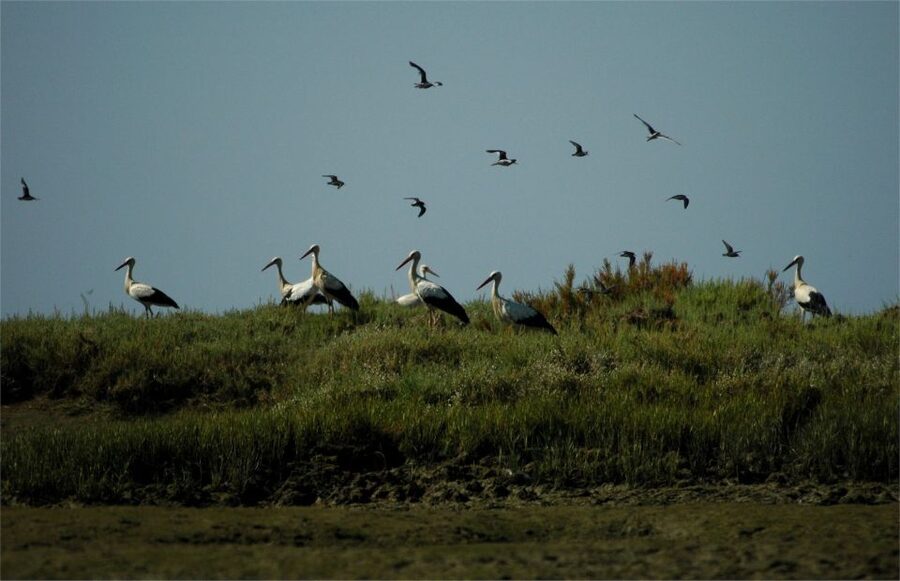
The boat moves calmly through the channels, which is helpful when you are trying to spot birds. You may see white storks, little egrets, spoonbills, whimbrels, turnstones, or grey plovers. The exact mix depends on the time of year, tide, weather, and luck.
The supplied binoculars are a real plus. Birds in wetlands are often farther away than you expect, and binoculars make the difference between a small moving shape and a clear look at its bill, legs, or feeding behavior. If you already own compact binoculars, bringing them as a backup is reasonable, but the tour provides use of binoculars.
The birds you might see on the water
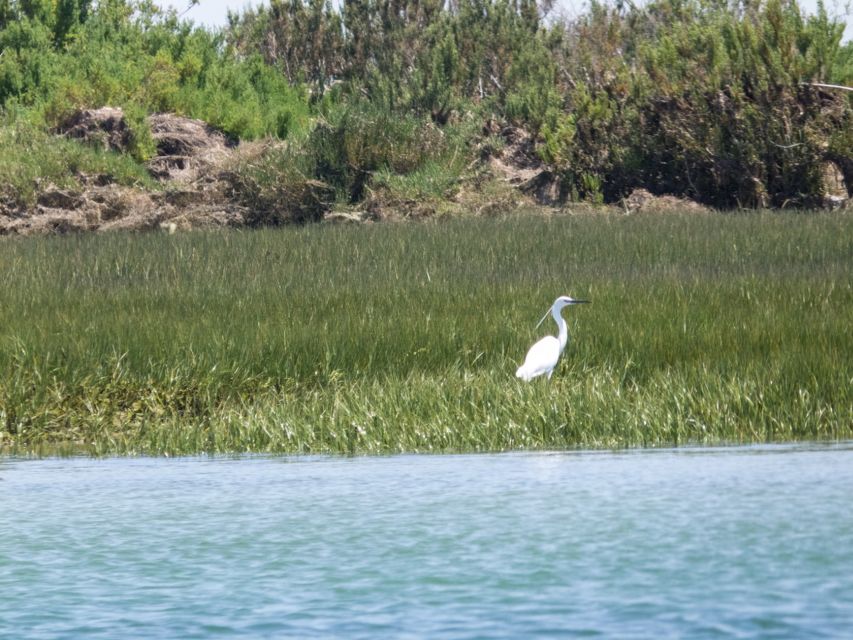
Bird watching here is strongest when you treat the trip as a search rather than a checklist. The white stork and little egret are among the more familiar possibilities, while the spoonbill is a particularly memorable sight if one appears in the right place.
Waders are most abundant during winter. That makes the cooler months attractive for anyone who wants to see a wider range of shorebirds. Whimbrels, turnstones, and grey plovers can be present throughout the year, so warmer months can still produce good sightings.
The black-tailed godwit and oystercatcher are associated with the island and shellfish-farm section of the route. During winter, you may also see sandwich terns and greater flamingos.
One recent outing produced sightings of flamingos and a sea eagle, along with a stop on an endless-looking sandy shore. A sea eagle is not listed as a guaranteed species, so I would treat that as a fortunate sighting rather than an expected part of every departure.
The guide’s skill matters here. A good guide will help you identify a bird, explain where it feeds, and give you time to watch rather than simply naming it and moving on. Piedro was specifically praised for being friendly and highly informed about birds. If he is leading your departure, you may be in especially good hands, though guide assignments can vary.
Same place, a different set of birds:
- Faro: Eco-Friendly Ria Formosa Bird Watching in Solar Boat
★ 4.7 · 359 reviews - Dolphin – Whale – Turtle – Bird Watching
★ 5.0 · 350 reviews - Faro: Ria Formosa Natural Park Segway Tour & Birdwatching
★ 4.9 · 180 reviews - Ria Formosa Natural Park Birdwatching Segway Tour from Faro
★ 5.0 · 164 reviews
Oyster farms and the islands of Ria Formosa

The route continues toward the islands of the Natural Park, passing oyster and clam farms on the way. This is one of the more distinctive parts of the experience because it gives you a close look at the relationship between the lagoon and the local economy.
The farms can also be useful for bird watching. Shallow waters and exposed mud attract birds looking for food. The movement of the tide changes what is visible, which helps explain why two trips through the same channels may feel quite different.
The scenery here is open and low. Do not expect dramatic cliffs or a grand coastal skyline. The pleasure comes from the wide views, winding channels, sand, birds, and the sense that the waterway is still being used for practical work.
I like this combination because it feels more connected to the Algarve than a purely scenic cruise. You get nature, but you also see how people use the lagoon. That context gives the outing more substance than simply taking photographs from a boat.
The 15 to 20-minute stop at a deserted beach
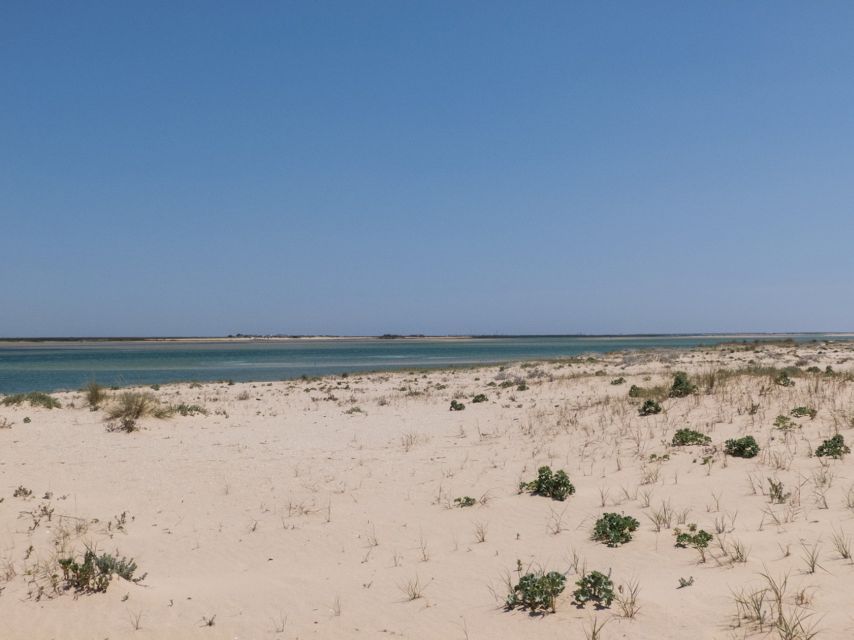
Near the point where the lagoon meets the sea, the boat stops for about 15 to 20 minutes. This gives you time to step ashore at a deserted beach and enjoy the sand and open water.
The stop breaks up the boat ride nicely. After focusing on birds and channels, you can stretch your legs and take in the coastal setting without being rushed through a long list of commentary.
You should not think of this as a full beach visit. It is a short pause within a wildlife trip, not time for an extended swim, meal, or beach day. The supplied information does not promise swimming facilities, changing areas, or refreshments, so bring only what you need and keep your expectations simple.
The beach is also subject to conditions. Strong wind, tides, or safety concerns can affect where the boat goes and whether the planned timing changes. Wear shoes that are comfortable around a boat and suitable for sand.
The return through Faro’s waterways
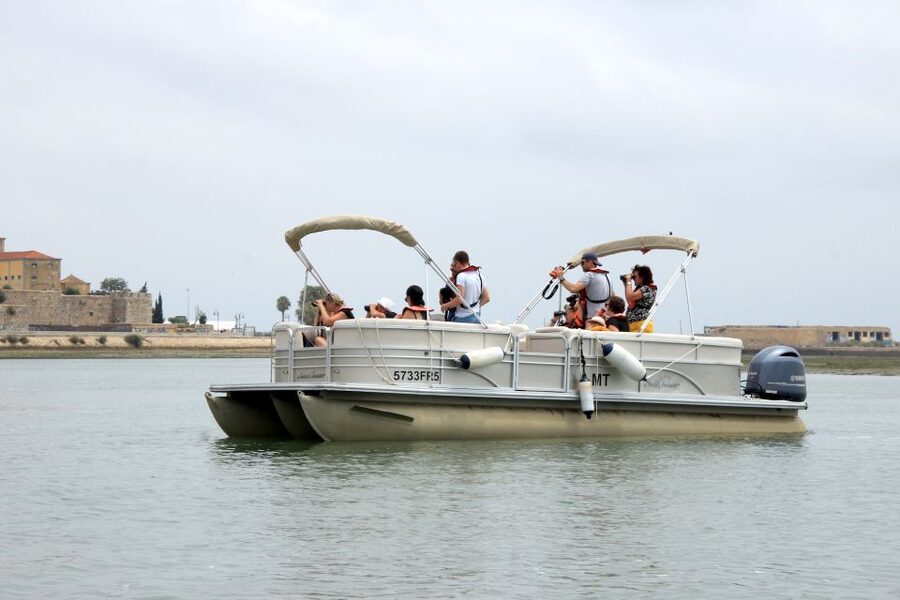
The return journey follows the channels back toward Faro. This is not just dead time after the beach stop. The changing angle and light can reveal birds you missed earlier, particularly as the boat moves calmly through different sections of the park.
The second half can be a good time to ask questions. If you are shy about starting a conversation, prepare one or two simple questions before leaving. You might ask how the tide affects feeding birds, which species are common in winter, or how the oyster farms operate.
That small effort can improve the experience. One poor account came from a shortened trip in which the passenger felt ignored and received little bird identification. The complaint is a useful reminder that communication matters. Tell the guide clearly that you want bird names and explanations, not only scenic stops.
The regular two-hour format should offer more room for commentary than the shortened outing, but it is still sensible to speak up. Guides cannot always tell what level of detail you want.
Choosing the best season and clothing
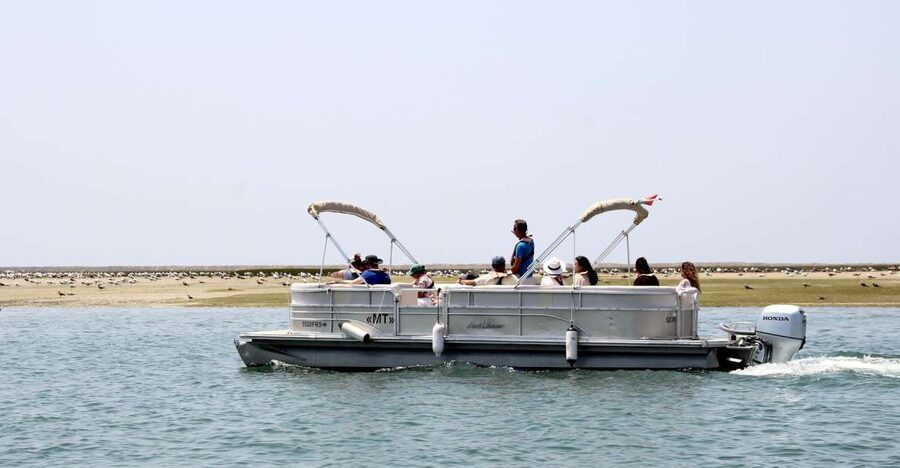
Winter is likely the best choice if bird watching is your main reason for booking. Waders are more abundant then, and you may have a chance to see species such as greater flamingos and sandwich terns.
Spring and summer can be pleasant for the boat ride, but the advice is practical: wear a hat, use sunscreen, and bring water. The open water offers little shelter from the sun.
Autumn and winter require a different approach. Waterproof clothing is recommended, and you should expect cooler, wetter conditions than in town. Even when Faro feels mild, a boat ride can feel cooler because of wind and exposure.
Comfortable clothing and footwear are recommended year-round. Avoid dressing only for a sunny street in Faro. The trip takes you onto open water, where conditions can shift quickly.
Is the $47 price fair?
At $47 per person, the trip is reasonably priced if you value a guided nature outing rather than simple transport. The fee covers two hours on the boat, a local guide, live commentary, binoculars, life vests, and the beach stop.
The strongest value comes from the guide and the access to the channels. You could see parts of the Ria Formosa on your own, but you would lose the help with bird identification and the explanation of the shellfish farms. The binoculars also save you from needing to bring your own equipment.
The price is less attractive if you want a guaranteed list of birds or a long beach visit. Wildlife is unpredictable, and the stop is only 15 to 20 minutes. You are paying for time in a protected wetland, not for a fixed entertainment program.
The overall rating is 4.6 from 71 ratings, with especially strong praise for the bird variety, friendly guides, and informative commentary. Still, the poor experience connected to a reduced one-hour departure should not be ignored. If the two-hour outing is important to your plans, check that it is operating as scheduled before you commit your day.
Free cancellation is available up to 24 hours before departure, and you can reserve now and pay later. Those terms are useful when your Algarve plans depend on weather or changing schedules.
Who will enjoy this boat trip most?
I would recommend it to anyone who enjoys wildlife, coastal scenery, and a slower pace. It suits couples, families with an interest in nature, photographers, and visitors who want to see more of Faro than its streets and monuments.
It is also a good choice for casual bird watchers. You do not need advanced knowledge, since the guide and binoculars provide a starting point. If you already know your birds well, you may want to ask detailed questions and confirm how much identification commentary will be offered.
The trip may be less suitable if you dislike open boats, bright sun, changing weather, or plans that depend on tides. It is not a food-and-drink cruise, and there is no hotel pickup. You need to reach the meeting point yourself and bring water.
The wheelchair-accessible designation is helpful, though anyone requiring specific boarding support should confirm the practical details in advance.
My booking advice
I would book this trip if you have two free hours in Faro and want a gentle introduction to the Ria Formosa. The best reasons are the wetland setting, the chance to see several bird species, the shellfish farms, and the quiet beach stop.
For the strongest bird watching, choose winter if your schedule allows. Bring water, sun protection, and weatherproof clothing suited to the season. Most important, confirm that the full two-hour departure is running, especially if you have limited time in the Algarve.
Skip it if you need a guaranteed species list or a full day at the beach. But if you are happy to let the tide and birds set the pace, this is a fair-value way to see why the Ria Formosa is one of Portugal’s prized natural areas.
FAQ
Where does the bird watching boat trip begin?
It begins at the Boat Tours Store, on the ground floor of the Ginásio Clube Naval de Faro, also known as the Nautical Club of Faro.
How early should I arrive?
You should arrive 10 minutes before the scheduled departure time to check in.
How long does the tour last?
The planned boat trip lasts two hours and includes a 15 to 20-minute stop at a deserted beach.
Which languages are available?
Live guided commentary is available in English, Portuguese, Spanish, and French.
Are binoculars and life vests provided?
Yes. The tour includes use of binoculars and life vests.
Can the route or schedule change?
Yes. Departure and arrival times, duration, and route may change because of weather, tides, safety conditions, or other circumstances. The bird species seen can also vary by season.
More Two-Hour Experiences in Portugal
- 2 Hours Guided Whale and Bird Boat Tour in Bay Bulls
★ 5.0 · 557 reviews - Marco Island 2 hour Dolphin, Birding and Shelling tour
★ 5.0 · 503 reviews - 2 Hour Award-Winning Whale and Seabird Boat Tour from St. John’s
★ 4.5 · 455 reviews - 2 Hour Dolphin, Birding and Shelling Tour
★ 5.0 · 247 reviews
Just added around Portugal
- Visit to Madeira Bird Island★ 4.6 · 22 reviews
- Vila Franca do Campo: Marine Life & Bird Watching & Islet Tour★ 4.4 · 9 reviews
- Azores Marine Birdwatching Expedition w/ Biologist Guide★ 4.5 · 19 reviews
- Birdwatching Private Tour at Fascinating Salgados Lagoon★ 5.0 · 6 reviews
- Private Birdwatching from Porto★ 5.0 · 33 reviews
- Bird Watching in Albufeira Lagoon★ 5.0 · 2 reviews
- Birdwatching day around Sagres★ 5.0 · 3 reviews
- Half-day birdwatching around Faro★ 5.0 · 2 reviews
Birdwatching Boat Trips, compared.
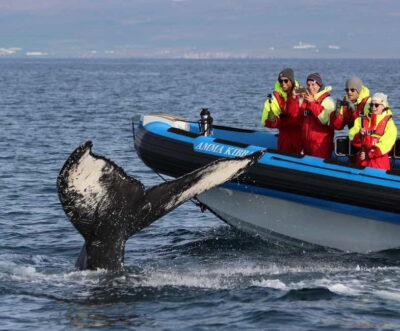
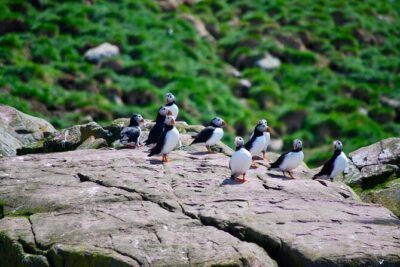
Original Big Whale Safari & Puffins by Speedboat
Read our review →
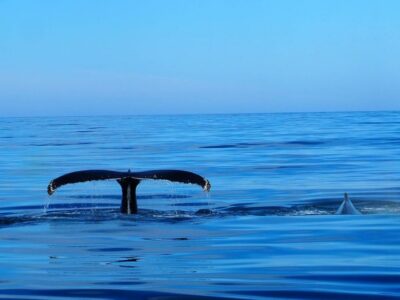
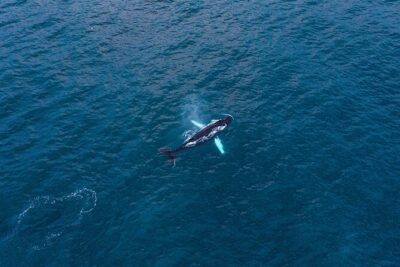
Big Whales & Puffins RIB boat tour from Húsavík
Read our review →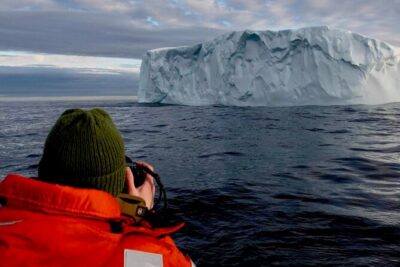
2 Hour Award-Winning Whale and Seabird Boat Tour from St. John’s
Read our review →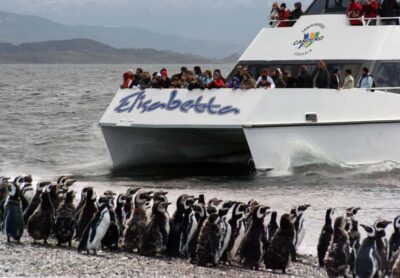
Browse the lists this tour appears in