
REVIEW · HALF-DAY
Half-Day Birding Tour of Livingstone
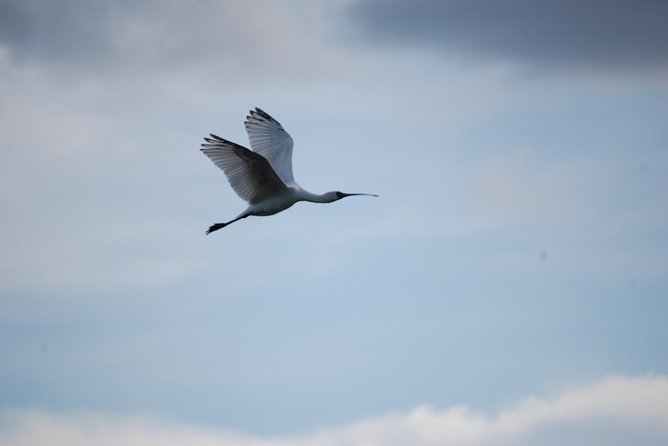
Birds are only part of the show. This three-hour Livingstone birding tour takes you into Mosi-oa-Tunya National Park, where river, wetland, forest, and rocky habitats support more than 450 bird species. I like the early 6am start, which gives you the best chance of seeing active birds, and I like the personal approach, with guide Martin tailoring the outing to your interests and bird list. Hotel pickup, park fees, water, and light refreshments are included.
The tour also has appeal for people who do not own binoculars or speak fluent bird language. It is narrated for beginners, yet the guide can focus on prized species such as African Finfoot, Brown Firefinch, and Taita Falcon. The main caution is time: three hours is enough for a useful introduction, but serious birders may want a longer safari. At $90 per person, the value is strongest if you appreciate a small group, local guiding, and simple door-to-door transport.
Key points at a glance
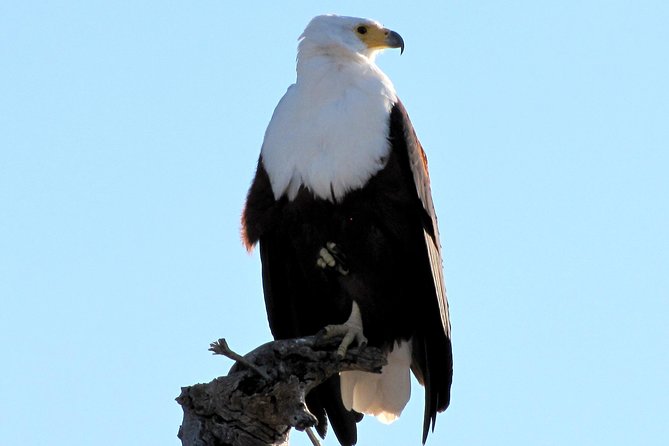
- 6am is the smart departure time: Early light and cooler conditions give you the best shot at bird activity.
- Mosi-oa-Tunya has varied habitats: River edges, wetlands, woodland, and rock cliffs bring different species within a short outing.
- Martin is a major strength: His spotting skills, clear explanations, and broad wildlife knowledge add much more than a simple ride through the park.
- The tour can be tailored: Tell the guide if you want target birds, beginner-friendly explanations, or a broader wildlife morning.
- Wildlife is not limited to birds: Giraffes, zebras, baboons, lizards, and hippos may also appear along the route.
- Small groups make a difference: The maximum is eight people, with a minimum of two required to operate the booking.
Why this short Livingstone safari works
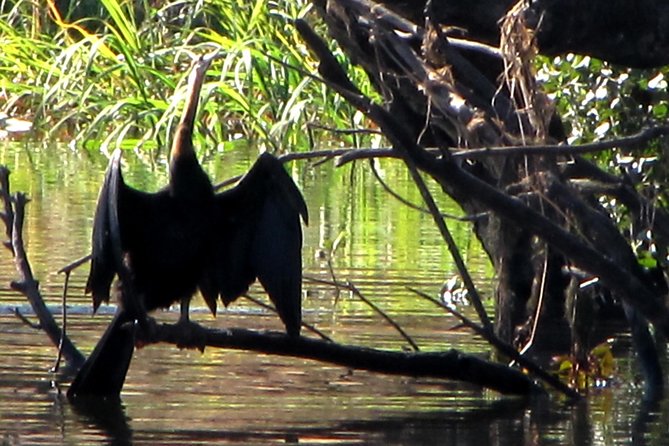
Livingstone is best known as the gateway to Victoria Falls, but the Zambian side also gives birders a useful base for exploring southern Africa’s birdlife. Zambia has more than 750 recorded bird species, and the country’s habitats range from swamps and wetlands to dry woodland and rocky country.
This particular outing focuses on the Livingstone area and Mosi-oa-Tunya National Park. The park’s mix of habitats is important because birds do not all gather in one convenient place. Waterbirds need riverbanks and wet ground. Forest species prefer cover. Raptors use open areas and cliffs. A three-hour route can therefore offer more variety than the short duration suggests, especially with a guide who knows where to look.
I would think of this as a focused introduction rather than a full birding expedition. You get a useful sample of the area, a professional guide, and a chance to shape the morning around your interests. If your goal is to build a long species list, three hours may feel brief. If you have one free morning between Victoria Falls activities, it fits neatly into a busy schedule.
More Half-Day Trips in the world:
- Cape Town: Penguins & Cape of Good Hope Half-Day Tour
★ 4.3 · 324 reviews - From Cape Town: Half-Day Boulders Beach and Penguins Tour
★ 4.9 · 35 reviews - Central Florida Half-Day Private Birding Activity – 2 person max
★ 5.0 · 30 reviews
Leaving your hotel at 6am
Pickup is offered from any lodge or hotel in Livingstone at about 6am. That early start is not just a scheduling detail. Birds are usually most active early in the day, and morning conditions are more comfortable for walking than the heat later on.
The first part of the outing involves getting into the park and beginning to search the different habitats. The exact order can change depending on the guide’s judgment and your target list. That flexibility is useful. You may want to focus on waterbirds, seek a particular species, or simply learn the basics of identifying common Zambian birds.
The early hour does create one practical drawback. You need to be ready before most holiday activities begin, and your hotel may not provide a full breakfast at that time. Bottled water and light refreshments are included, but food and drinks are not included unless specifically stated. Ask your accommodation about an early meal or prepare something the night before.
Mosi-oa-Tunya’s river, wetlands, and woodland
Mosi-oa-Tunya National Park is the main setting, and its variety gives this tour its strongest natural advantage. Along the Zambezi and nearby wet areas, you might find herons, storks, ibises, and other water-associated species. The park also includes forest and rocky sections, where the birdlife changes again.
The guide’s job is not simply to point at a bird and name it. A good birding morning depends on quiet observation, habitat awareness, and patience. Martin is praised for being an excellent spotter and for explaining both birds and their surroundings in a way that works for newcomers. That matters when you are still learning the difference between a distant silhouette and a useful identification clue.
The outing may include stops at more than one site. This helps avoid spending the whole morning in one habitat when the birds are quiet there. It also adds variety, though moving between areas can reduce actual time spent watching. With only three hours, the balance between driving, walking, and stopping will matter.
Comfortable walking shoes are recommended. You should expect some walking and should have a moderate level of fitness. This is not presented as a demanding hike, but it is not a purely vehicle-based sightseeing ride either.
The birds worth putting on your list
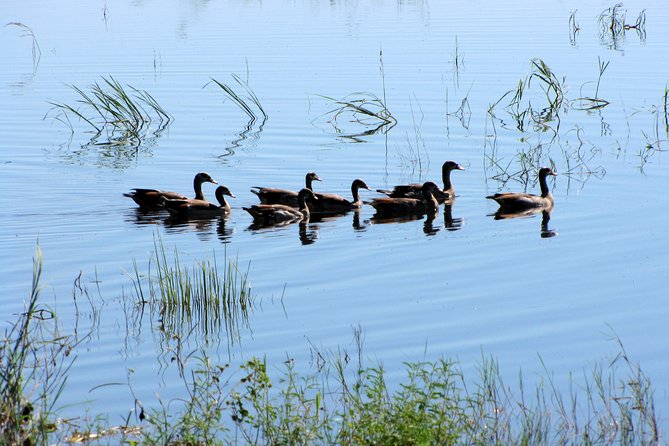
The tour highlights several sought-after species, though no guide can promise a sighting. The African Finfoot is one of the more appealing targets for birders who enjoy unusual water-associated species. The Brown Firefinch offers a very different challenge, since small birds can be harder to spot and identify than large waterbirds.
The Taita Falcon is another prized possibility. It is a special target rather than a routine sighting, so you should treat it as a bonus, not an expected result. Your guide can help set sensible expectations and adjust the search to the conditions of the morning.
Zambia’s wider bird list includes other striking species, such as Bohm’s bee-eater, racket-tailed roller, and spotted creeper. The Chaplin’s barbet is especially notable because it is Zambia’s only truly endemic bird species, with a distinctive red eye patch. The tour information does not promise these species on every outing, but they help explain why the country attracts dedicated birders.
The famous shoebill stork belongs to the Bangweulu wetlands, not this short Livingstone outing. That distinction is important. If the shoebill is your main reason for coming to Zambia, you need a separate trip to the Bangweulu area. This tour is better suited to sampling local birdlife around Livingstone while keeping your schedule manageable.
A few more birding trips around the world worth a look
- Penguin Parade, & Wildlife Encounters Eco Tour from Melbourne
★ 5.0 · 3,774 reviews - Cape Town: Cape of Good Hope & Penguins Day Tour with Pickup
★ 4.7 · 3,362 reviews - Cape Point and Boulder’s Penguins Full Day Tour
★ 5.0 · 3,118 reviews - Cape of Good Hope & Boulder Penguins Full-Day Tour from Cape Town
★ 5.0 · 2,347 reviews
A guide who adds more than bird names
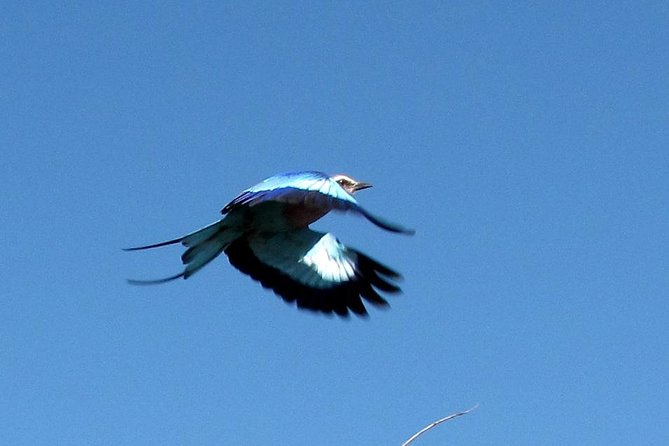
The strongest part of this experience is the guiding. Martin is repeatedly praised for his ability to spot birds, explain what you are seeing, and make the morning enjoyable for people who are not expert birders. One particularly useful quality is his broad wildlife knowledge. He can connect birds to the wider setting rather than treating the park as a checklist exercise.
That wider focus matters because you may see much more than birds. Sightings have included giraffes, zebras, baboons, lizards, and a hippo mother with her baby. None of these animals is guaranteed, but they make the outing more appealing for companions who are interested in wildlife generally.
I also like that the tour is described as fully narrated and suitable for first-time birders. You do not need to arrive with a long species list or years of experience. If you can tell the guide what interests you, the outing can be adjusted to suit your level.
The maximum group size is eight people. That is still small enough for questions and personal attention, though the final feel will depend on the number booked that day. A minimum of two people is required, so a solo booking may need another person to join before the outing is confirmed.
How the three hours are likely to feel
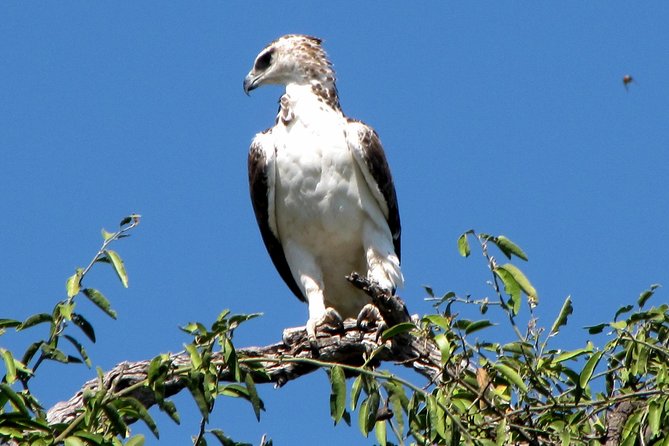
The tour begins with hotel pickup and a morning transfer into the birding area. After reaching the park, the guide can take you to suitable spots and adjust the plan around current bird activity, your interests, and the time available.
You may spend part of the morning walking and part of it moving between sites. One morning described in the supplied information included stops at two sites, which suggests the outing is not tied to a single viewing point. That is useful when you want to sample different habitats.
The pace should be steady rather than rushed. Birding requires pauses, quiet stretches, and repeated scanning. You may spend several minutes looking for a bird that is close but well hidden, followed by a sudden burst of activity. For first-timers, the guide’s explanations can make these pauses feel purposeful instead of empty.
The final part of the outing ends with drop-off at your lodge or hotel. That makes the tour easy to pair with a later activity, although you should leave enough time between the birding return and any fixed departure. The stated duration is about three hours, but wildlife outings can vary slightly with conditions and your target list.
Is $90 a fair price?
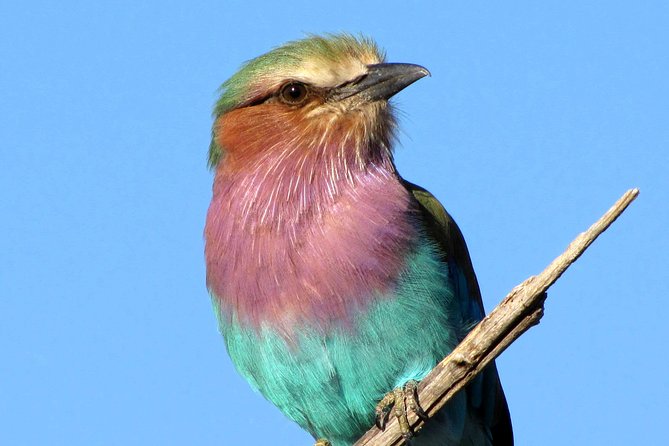
The cost is $90 per person. That is not the cheapest way to spend a morning in Livingstone, but the price includes several items that can add up separately: hotel pickup and drop-off, national park fees, bottled water, light refreshments, a driver, and a professional guide.
The value is clearest for two or more people who want a private-feeling, organized outing without arranging transport or park entry themselves. The group cap of eight also helps keep the experience more personal than a large safari vehicle tour.
For a dedicated birder, the price should be judged against the quality of the guide and the usefulness of the route, not only the number of species seen. A quiet morning with an expert spotter can still be worthwhile, while a long list of sightings is never guaranteed. For a casual nature lover, the possible mix of birds and larger animals makes the price easier to justify.
The short length keeps the total cost and time commitment under control. Still, if you want several habitats, a serious target list, or time to wait patiently for rare species, you may prefer to ask about a longer private arrangement.
What to bring and who will enjoy it
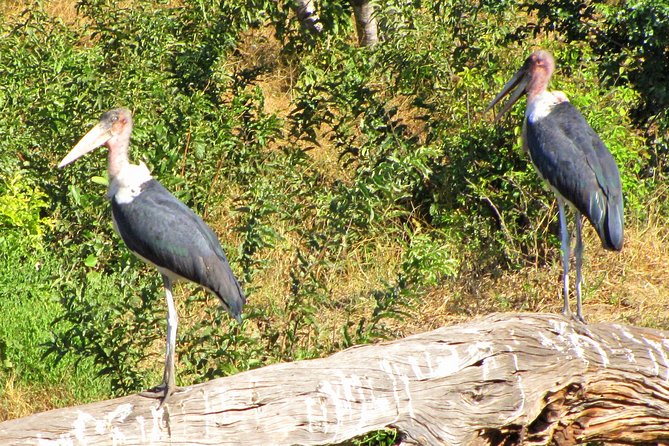
Bring comfortable walking shoes, light clothing suited to an early morning, and any personal binoculars or camera equipment you use. The supplied information confirms bottled water and light refreshments, but not a full meal, so plan breakfast separately.
This tour suits you best if:
- You have one free morning in Livingstone.
- You are new to birding and want clear guidance.
- You enjoy wildlife beyond birds.
- You prefer a small group and hotel transport.
- You have a moderate fitness level and can manage walking.
- You want a guide to shape the outing around a short target list.
Children must be accompanied by an adult, and the minimum age is 12. That age rule makes the tour a better fit for older children and teenagers who can stay quiet, walk comfortably, and appreciate a slower wildlife search.
The experience may be less suitable if you dislike early starts, need a guaranteed species sighting, or want a full-day birding program. It is also not the right trip for the shoebill alone, since that species is associated with Zambia’s Bangweulu wetlands rather than this Livingstone route.
Booking and cancellation details to know
Confirmation is sent within 48 hours, subject to availability. Because at least two people are required and minimum numbers apply, a booking can still be cancelled after confirmation if the group does not reach the required size. In that case, you are offered an alternative or a full refund.
You can cancel for a full refund up to 24 hours before the local start time. Cancellations or changes made inside that window are not refunded or accepted, so keep your schedule firm once the final day approaches.
The tour is near public transportation, but the included hotel pickup is the more convenient choice. Confirm your Livingstone accommodation details when booking, and make sure you can be ready at 6am.
Should you book the Livingstone birding tour?
I would book this tour if you want a compact, well-guided introduction to Zambian birdlife and have a free early morning in Livingstone. Martin’s spotting ability, the flexible focus, and the chance to see giraffes, zebras, hippos, and other wildlife give it broader appeal than a strict bird checklist outing.
I would hesitate only if you need a full-day expedition, want guaranteed access to a rare species, or cannot manage the early start and walking. For most first-time birders and nature lovers, the combination of transport, park fees, expert guidance, and a small group makes $90 a reasonable price for a focused morning.
FAQ
How long is the birding tour?
The tour lasts approximately three hours, depending on your target list and the conditions during the outing.
What time is hotel pickup?
Pickup is scheduled for about 6am from any lodge or hotel in Livingstone.
Is hotel pickup and drop-off included?
Yes. Pickup and drop-off from your Livingstone hotel or lodge are included.
How many bird species are found in Mosi-oa-Tunya National Park?
Mosi-oa-Tunya National Park provides habitats for more than 450 bird species.
What birds might I look for?
Possible target species include the Taita Falcon, African Finfoot, and Brown Firefinch. The guide can tailor the outing to your interests, but sightings are not guaranteed.
Is this tour suitable for beginners?
Yes. The tour is fully narrated and designed to accommodate first-time birders.
What is included in the price?
National park fees, bottled water, light refreshments, a driver, a professional guide, and hotel pickup and drop-off are included.
Are children allowed on the tour?
Children must be accompanied by an adult, and the minimum age is 12.
What happens if I need to cancel?
You receive a full refund if you cancel at least 24 hours before the local start time. Cancellations or changes made less than 24 hours before departure are not refunded or accepted.
Just added around the world
- Walvis Bay Shore Excursion: Flamingos, Dune 7, Swakopmund★ 5.0 · 3 reviews
- York: Entry to York bird of prey centre★ 5.0 · 7 reviews
- Visit to Madeira Bird Island★ 4.6 · 22 reviews
- Vestmannaeyjar: Puffin, Island, and Volcano Boat Tour★ 4.4 · 7 reviews
- Vila Franca do Campo: Marine Life & Bird Watching & Islet Tour★ 4.4 · 9 reviews
- VIP falconry taster session★ 5.0 · 2 reviews
- Vermont Nature Trail and Bird Watching Tour★ 5.0 · 2 reviews
- Ushuaia: Gable Island and Penguin Colony with Lunch★ 4.8 · 2 reviews
Half-Day, compared.

Central Florida Half-Day Private Birding Activity – 2 person max
Read our review →
Kuala Lumpur Private Half-Day Family Tour of Nature, Birds and Butterflies
Read our review →