
REVIEW · SOUTH AFRICA BIRDWATCHING TOURS
Monkeyland, Birds of Eden, Jukani – Animal Sanctuaries
Three sanctuaries, one smart wildlife day. This Western Cape outing gives you three very different animal experiences in one area: free-roaming primates at Monkeyland, a huge free-flight aviary at Birds of Eden, and rescued big cats at Jukani. I like the variety, and I like that the sanctuaries focus on animals that need permanent homes rather than staged animal encounters. The main consideration is time: seeing all three properly can take most of a day, and each involves walking.
I especially like Monkeyland’s one-hour guided tour, where more than 550 apes, monkeys, and lemurs live in 12 hectares of indigenous forest. Birds of Eden is also a treat for anyone who enjoys quiet observation, with a 1.2-kilometer walkway and more than 210 bird species. Jukani feels more controlled and less naturalistic than the other two, but it offers close views of lions, tigers, leopards, jaguars, cheetahs, and other rescued animals.
Key points to know before you go
- Monkeyland’s 128-meter suspension bridge gives you a canopy-level view across the primate sanctuary.
- More than 550 primates live in a 12-hectare forest at Monkeyland, with a guide leading the one-hour tour.
- Birds of Eden covers 2.3 hectares beneath a 3.2-hectare mesh dome, with a waterfall, gorge, and 1.2-kilometer path.
- Jukani’s 90-minute walk includes lions, tigers, leopards, jaguars, cheetahs, pumas, hyenas, and smaller animals.
- A combination ticket costs less per sanctuary, making all three a better buy if you have the time.
- Comfortable shoes matter, and a hat is advised at Jukani, especially for children.
Three animal sanctuaries with three different moods
This is not one standard zoo visit repeated three times. Each sanctuary has a clear purpose and a different pace.
Monkeyland is the most guided and personal. You follow a primate guide through forest, listening for chattering and watching animals move through the trees. Birds of Eden is self-guided by default, so you can slow down, look up, and spend as much time as you wish with the birds. Jukani is a walking safari with a guide, focused on large predators and the serious problems facing captive and rescued wildlife.
You can choose one sanctuary, two, or all three. The stated price begins at about $23 per person, but the final cost depends on the option you choose. If you want to visit more than one, the combination ticket is the better value. You are paying not just for entry, but for maintained habitats, guided interpretation at two sites, and the chance to see animals that cannot return to the wild.
The three sites work well as a full day out, though you can also spread them across two or three days. That slower plan suits you if you want time for photography or prefer not to spend hours walking in one stretch.
A few more birding trips around South Africa worth a look
- Cape Town: Cape of Good Hope & Penguins Day Tour with Pickup
★ 4.7 · 3,362 reviews - Cape Point and Boulder’s Penguins Full Day Tour
★ 5.0 · 3,118 reviews - Cape of Good Hope & Boulder Penguins Full-Day Tour from Cape Town
★ 5.0 · 2,347 reviews
Monkeyland: primates living in a forest home
Monkeyland is the strongest choice if you want a guided animal experience with a clear conservation purpose. It is described as the world’s first multispecies, free-roaming primate sanctuary, and it serves as a permanent home for former captive primates.
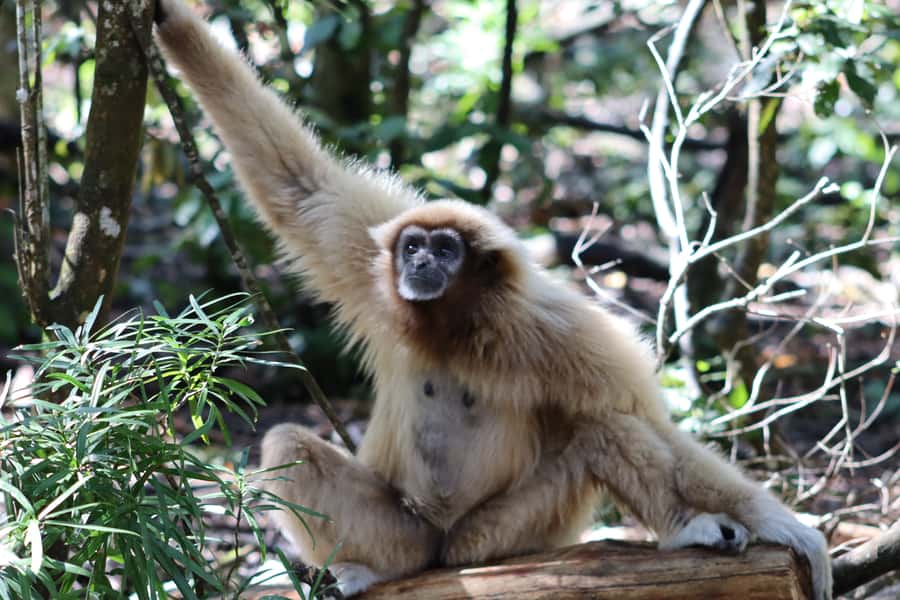
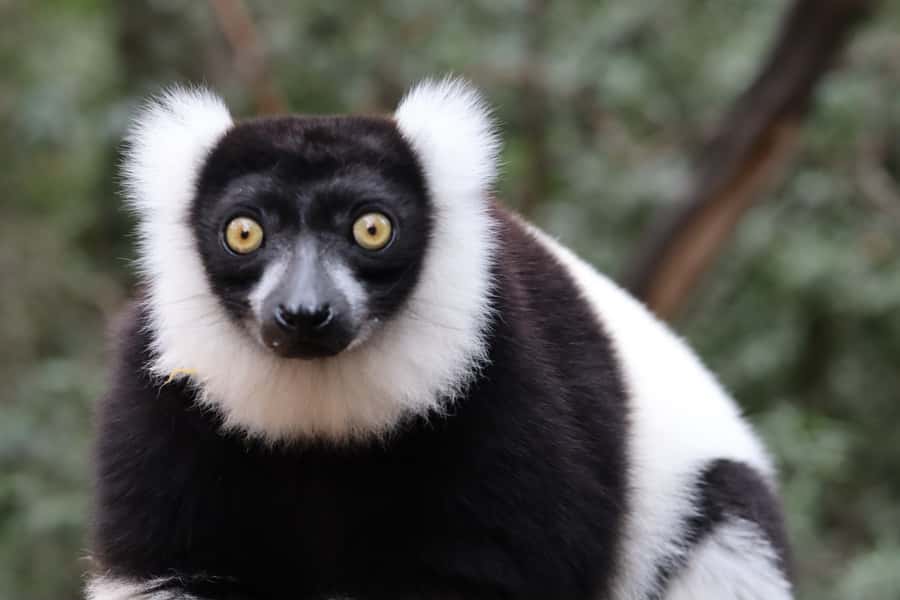
More than 550 apes, monkeys, and lemurs live across 12 hectares of indigenous forest. The word free-roaming matters here. You are not moving from cage to cage. Instead, the animals share a broad wooded setting where they can behave in a more natural way.
Your visit includes a one-hour guided walk. The guide points out the different primates, explains their habits, and shares stories about individual animals. The guides are also there to help you notice movement in the trees, since a primate can be close without sitting neatly in view for a photograph.
I like this format because it adds meaning to what you see. A quick look at a monkey is fun, but learning why the sanctuary exists gives the encounter more weight. These animals came from captive situations and now have a healthier, more natural home, even though the sanctuary cannot release them into the wild.
The 128-meter suspension bridge is one of Monkeyland’s best features. It crosses through the canopy and gives you a different view of the forest. You may look down into the habitat, across the treetops, or toward primates moving through the branches. It also adds a little adventure without turning the visit into a thrill ride.
Monkeyland is a good pick for families, photographers, and anyone who prefers a guided visit. The main limitation is that the tour is conducted in English unless you arrange a French guide at least 48 hours ahead and provide an arrival time. There is no extra charge for the language-specific guide, but advance planning is required.
Do not expect to touch the animals. That rule is important, since the sanctuary is built around giving primates space and reducing harmful human contact.
Birds of Eden: a 1.2-kilometer walk beneath the canopy
Birds of Eden is the most relaxed of the three sanctuaries. It is the largest free-flight aviary in the world, covering 2.3 hectares of partly forested ground beneath a 3.2-hectare mesh structure.
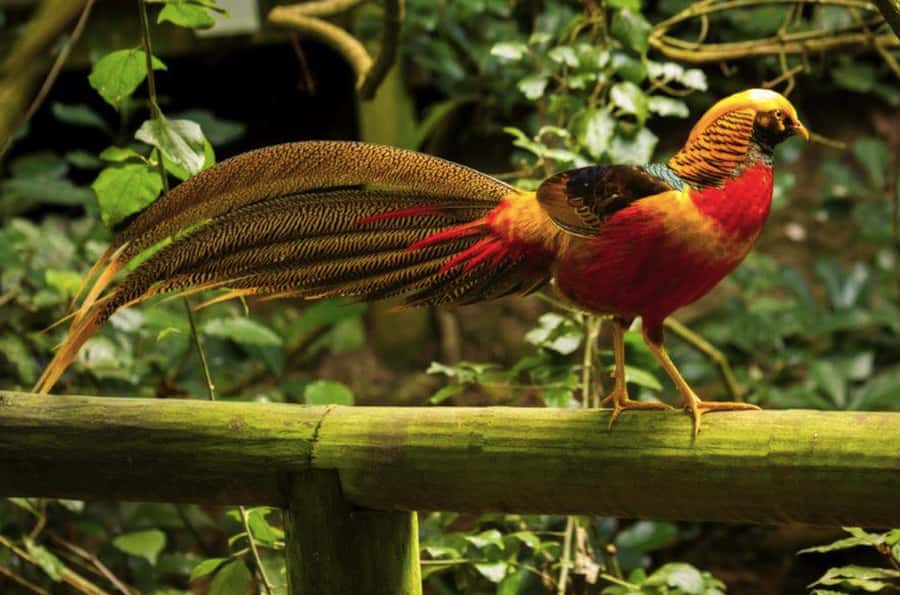
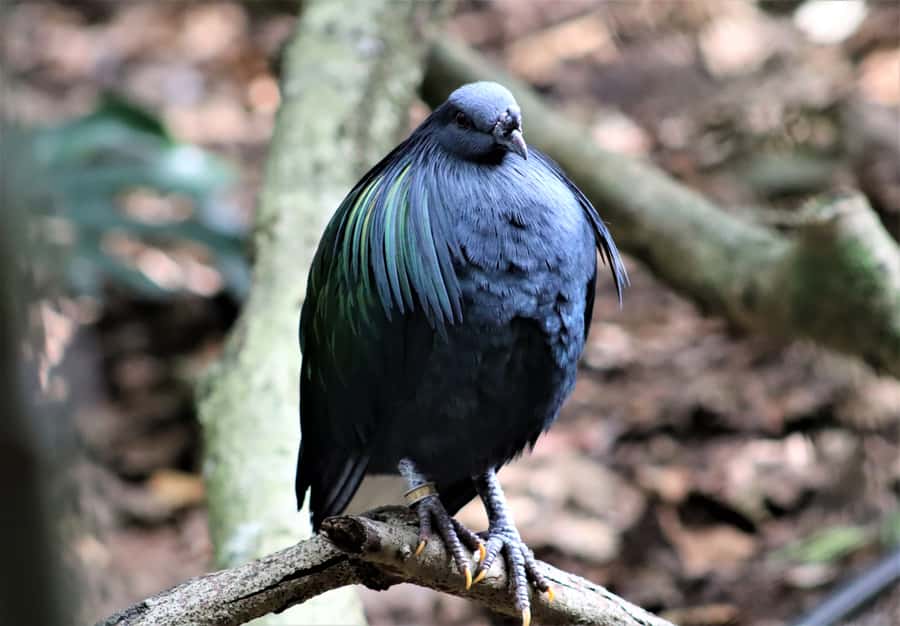
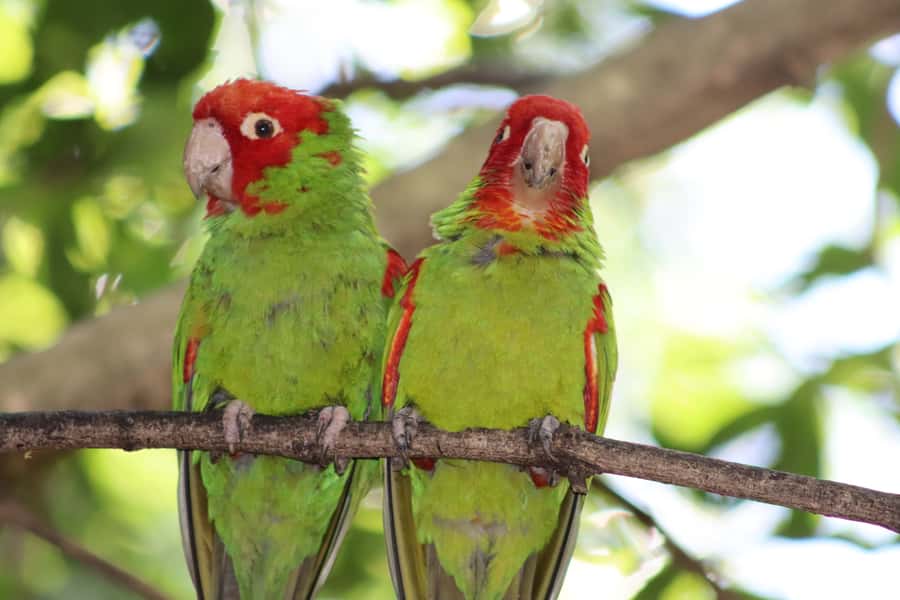
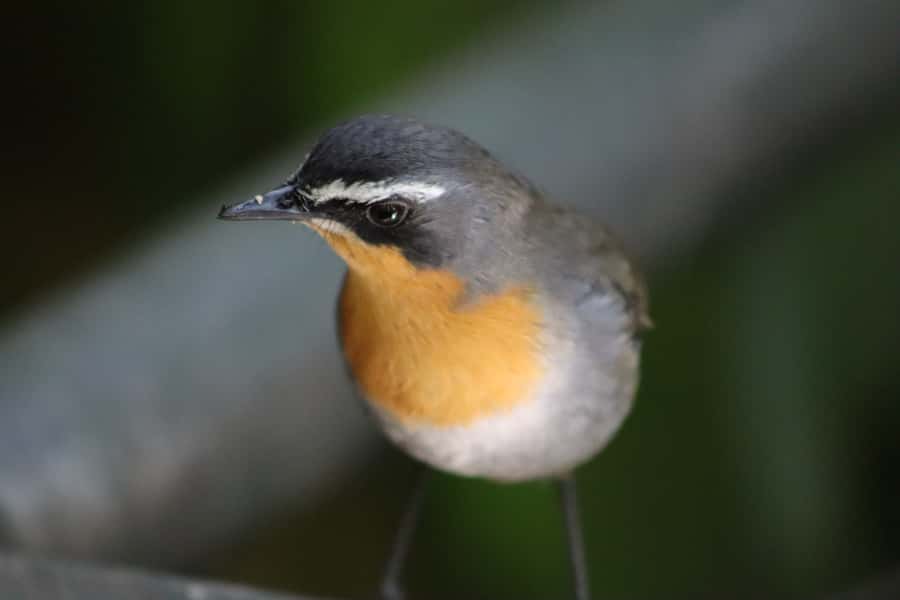
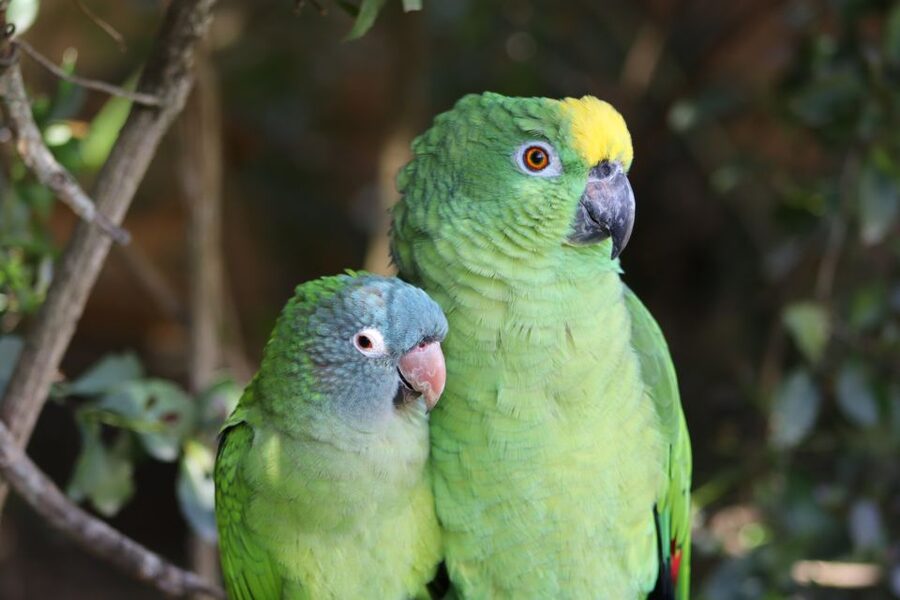
The aviary rises about 50 meters over the treetops. Inside, more than 3,500 birds represent over 210 species and subspecies. You might see parrots, parakeets, flamingos, waterfowl, starlings, robins, cranes, and the Knysna lourie, a local bird known for an unexpectedly awkward call.
A 1.2-kilometer walkway leads through the aviary. The route includes a gorge and waterfall, so this is more than a large enclosed bird room. The height gives the birds room to fly, while the forest and water create several kinds of habitat for you to explore.
The visit is self-guided, which I consider an advantage. You can stop for a photograph, wait near a flight path, or move on when a crowded area loses its appeal. You do not have to keep up with a group or follow a fixed explanation.
Birds of Eden is also a place with a humane backstory. Many of the birds were previously kept as pets in cages. The sanctuary gives them their first real chance to use their wings and display natural bird behavior. That makes the scale of the aviary more important. It is not simply designed to show you colorful birds. It is designed to give the birds room.
Bring binoculars if you have them, though they are not required. They can help you pick out birds higher in the trees or across the wider sections of the aviary. A camera with a strong zoom is useful too, but do not let the search for the perfect picture stop you from simply watching the birds move.
You can walk Birds of Eden at your own pace for as long as you wish. A guided tour can be arranged in English with at least 48 hours advance notice and an arrival time. If you like learning names and spotting details, request the guide. If you prefer quiet observation, the standard self-guided format gives you more freedom.
Jukani: big cats and the hard facts of captivity
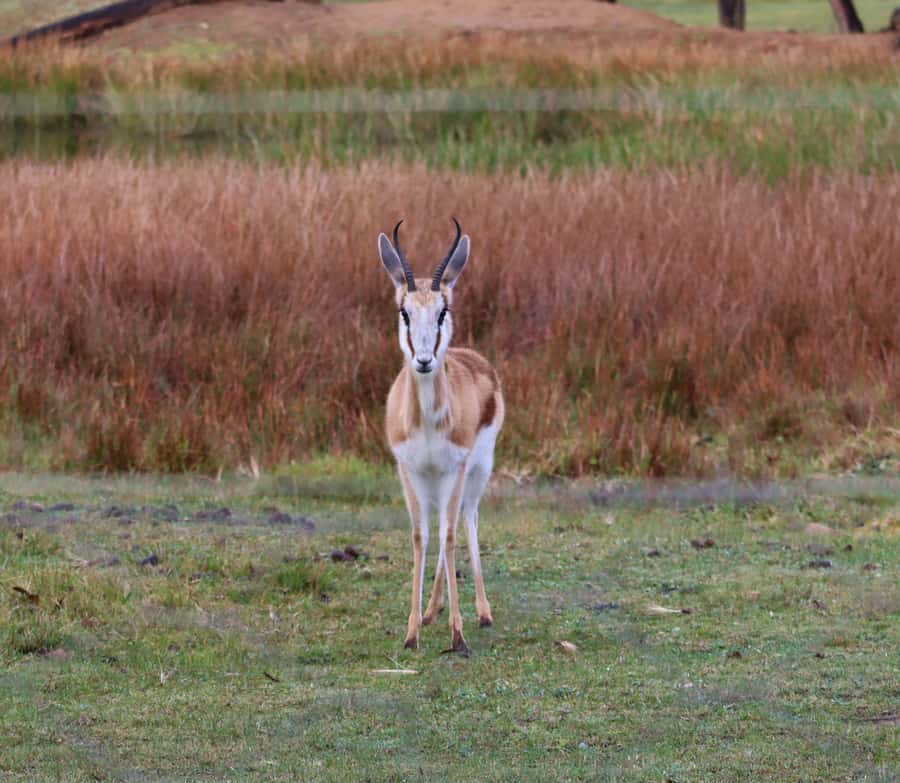
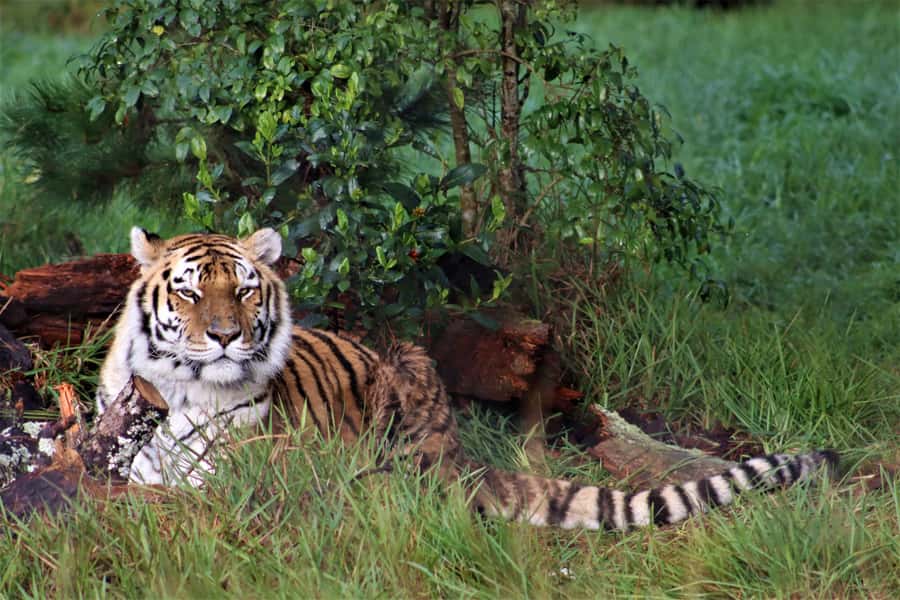
Jukani Wildlife Sanctuary is the most dramatic stop. It is home to lions, tigers, leopards, jaguars, cheetahs, and pumas, along with spotted hyenas, caracals, a honey badger, raccoons, zebra, and springbok.
The animals have been rescued or rehomed from facilities that could no longer care for them. Jukani gives each animal a large habitat designed around its needs. The stated goal is to keep them free from exploitation and from the stress of direct human interaction.
Your visit takes the form of a 90-minute walking safari with an English-speaking guide. You will likely spend much of your attention on the large cats, but the smaller and less familiar animals add variety. A honey badger or caracal can be just as memorable as a lion, especially if you have already seen big cats in other settings.
The cheetah and tree-climbing pumas are particular draws. The cheetah offers a look at speed and slender design, while the pumas show a very different kind of athletic ability. The spotted hyena is another worthwhile stop, since its reputation often overshadows its intelligence and social behavior.
Jukani is also the sanctuary where the conservation message feels most direct. The animals cannot simply be returned to the wild, so the visit asks you to think about how wildlife is kept, displayed, bought, and bred. The aim is not just to show you powerful animals. It is to make you consider the choices that lead animals into captivity in the first place.
I would set your expectations carefully. Jukani can feel less naturalistic than Monkeyland and Birds of Eden, especially around large game. That does not make it a poor visit, but it changes the experience. You are seeing rescued animals in managed habitats, not watching a wild safari unfold.
Wear a hat at Jukani, particularly if you are bringing children. The 90-minute walk can feel exposed, and comfortable walking shoes are a better choice than sandals.
Same place, a different set of birds:
- Table Mountain, Penguins & Cape Point Small Group Tour Cape Town
★ 4.5 · 1,797 reviews - Cape Town Tour: Table Mountain, Penguins & Cape Point+Pickup
★ 4.7 · 1,671 reviews - Cape Town: Table Mountain, Cape Point, & Penguins Group Tour
★ 4.9 · 1,063 reviews - Cape of Good Hope & Penguins Small Group Tour from Cape Town
★ 5.0 · 1,054 reviews
How long you need for one, two, or all three
You can visit the sanctuaries over one to three days. Your choice should depend on how much time you want at each site.
For one sanctuary, Monkeyland takes about an hour for the guided tour, while Jukani takes about 90 minutes. Birds of Eden has no fixed tour length, so you can make it a short stop or spend much longer on the walkway.
For two sanctuaries, allow enough time to walk without rushing. Monkeyland and Birds of Eden make a natural pair because both are forest-based and focus on animals moving in open habitats. Jukani pairs well with either if large predators are your main interest.
All three can fill a day, especially if you enjoy photography and stop often. Birds of Eden alone can occupy much of a day, since the route is self-guided and the aviary has several habitats to explore. If you want to see everything carefully, two days may be more comfortable.
There is no hotel pickup or drop-off included, so you need to arrange your own transport to the meeting point. The exact meeting point can vary with the option booked. Check that detail before setting out, especially if you are planning several stops.
Price, tickets, and what you receive
At about $23 per person, a single sanctuary offers fair value if you want a focused outing. The value improves when you use a combination ticket, since the cost per sanctuary is lower.
You receive a guided tour at Monkeyland and a guided walk at Jukani. Birds of Eden is self-guided unless you request an English guide 48 hours ahead. Food and drinks are not included, so plan for those separately.
The ability to reserve now and pay later is useful if your Garden Route plans are still moving around. You can also cancel up to 24 hours in advance for a full refund. Those terms give you some room if weather or transport changes your plans.
Wheelchair access is available, but the sites include forest paths, a suspension bridge, a gorge, and walking routes. If you have specific mobility needs, confirm which parts of your chosen sanctuary are suitable before arrival.
Who will enjoy this outing most
I would recommend Monkeyland to you if primates are your priority or if you prefer a guided experience. The forest setting, 128-meter bridge, and one-hour tour make it easy to understand what you are seeing.
Birds of Eden suits you if you enjoy birds, photography, and a slower pace. It is also the best choice if you dislike being hurried. You can follow the 1.2-kilometer walkway at your own speed and spend time looking for birds in the treetops.
Jukani is for you if big cats are the main reason you are going. It offers the broadest mix of large predators, but it also requires the most careful expectations about managed habitats.
Families can find something at all three sanctuaries. Children may enjoy the bridge and monkeys at Monkeyland, bright birds at Birds of Eden, and the large cats at Jukani. Bring a hat for the Jukani walk, use comfortable shoes, and remind children that touching animals is not allowed.
Should you book Monkeyland, Birds of Eden, and Jukani?
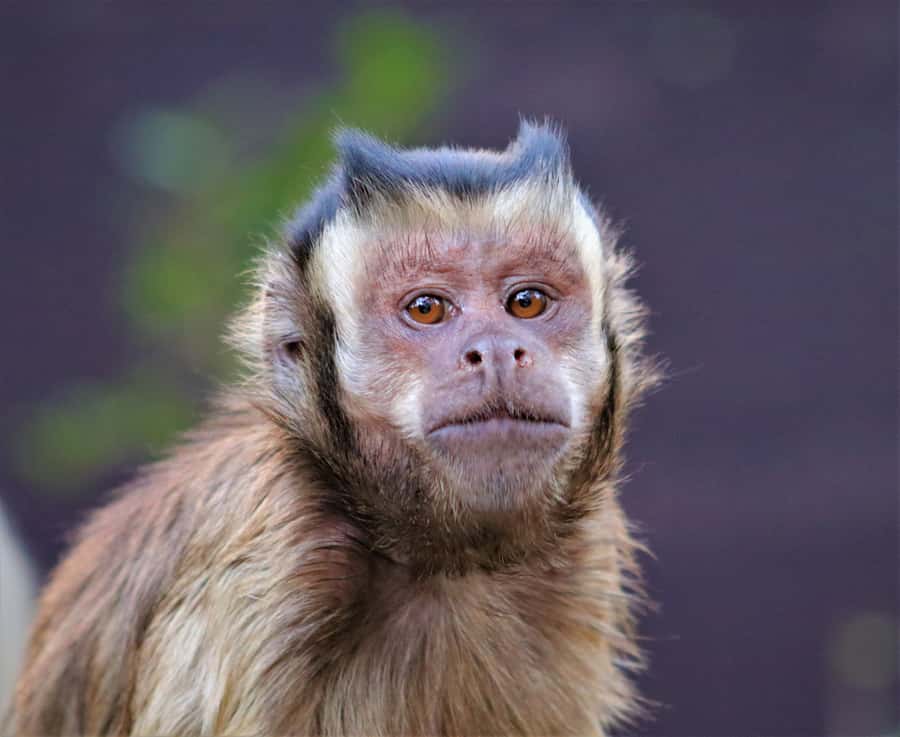
Book this experience if you want several different animal encounters rather than one short wildlife stop. The combination ticket is the sensible choice when your schedule allows all three, and the strongest mix is Monkeyland for the guided forest tour, Birds of Eden for free-flight birds, and Jukani for rescued predators.
Choose only one sanctuary if you have limited time. Pick Monkeyland for primates, Birds of Eden for birds and quiet walking, and Jukani for big cats. I would not recommend trying to rush through all three just to collect entrances. Give each place enough time to notice the animals and understand why the sanctuary exists.
FAQ
Where are Monkeyland, Birds of Eden, and Jukani located?
The three animal sanctuaries are in the Western Cape of South Africa.
How much does the experience cost?
The listed price is about $23 per person. Combination tickets cost less per sanctuary when you visit more than one.
Can I visit all three sanctuaries?
Yes. You can choose one sanctuary or visit all three.
How many days can I use the experience?
The experience is valid for one to three days, depending on availability and the option booked.
Is a guide included at Monkeyland?
Yes. Monkeyland includes a guided tour, normally in English. A French guide can be arranged with at least 48 hours advance notice and an arrival time.
Is a guide included at Jukani?
Yes. Jukani includes a 90-minute guided walking safari, and tours are conducted in English.
Is Birds of Eden guided?
Birds of Eden is normally self-guided. An English-speaking guide can be arranged with at least 48 hours advance notice and an arrival time.
How many primates live at Monkeyland?
More than 550 apes, monkeys, and lemurs live in the 12-hectare sanctuary.
What animals can I see at Jukani?
Jukani is home to lions, tigers, leopards, jaguars, cheetahs, pumas, spotted hyenas, caracals, a honey badger, raccoons, zebra, and springbok.
What should I bring?
Bring comfortable walking shoes. A hat is advised at Jukani, especially for children, and binoculars can be useful at Birds of Eden and Jukani.
Just added around South Africa
- Port Elizabeth Adventure: Tuk-Tuk, Penguins, & Cape Recife★ 4.5 · 9 reviews
- Birds of Eden Admission Ticket★ 4.5 · 15 reviews
- Hermanus & Overberg Birding★ 5.0 · 3 reviews
- Skip the Line: World of Birds Admission Ticket★ 5.0 · 5 reviews
- World of Birds, Kirstenbosch and Constantia Wine Private Day Tour★ 5.0 · 2 reviews
- Private Full Day Tour To Cape Point, Penguins With Table Mountain.★ 5.0 · 6 reviews
- Cape Of Good Hope and Penguins viewing Private Tour★ 5.0 · 3 reviews
- Cape Peninsula in a Vintage Car (Penguins, Cape Point & Chapman’s Peak drive)★ 5.0 · 6 reviews
South Africa Birdwatching Tours, compared.
Cape of Good Hope & Penguins Day Tour with Pickup
Read our review →
Cape Point and Boulder’s Penguins Full Day Tour
Read our review →
Cape of Good Hope & Boulder Penguins Full-Day Tour from Cape Town
Read our review →Table Mountain, Penguins & Cape Point Small Group Tour Cape Town
Read our review →Cape Town Tour: Table Mountain, Penguins & Cape Point+Pickup
Read our review →
Table Mountain, Cape Point, & Penguins Group Tour
Read our review →
Cape of Good Hope & Penguins Small Group Tour from Cape Town
Read our review →
Browse the lists this tour appears in