
REVIEW · PORTUGAL BIRDWATCHING TOURS
Madeira: Birdwatching – The Endemics
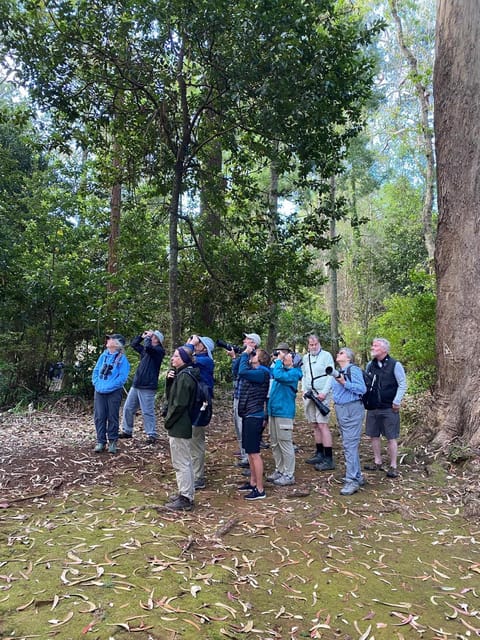
Rare birds reward patient eyes. This 4.5-hour Madeira outing visits Important Bird Areas, including the São Lourenço peninsula and Laurel forest, in search of the island’s special birds. I like the small group of up to eight and the fact that binoculars or other observation material are provided. You can focus on birds instead of worrying about extra gear.
I also like the chance to see several endemic species in one morning, including the Madeiran Firecrest, Laurel pigeon, and Madeiran Chaffinch. The main caution is simple: birds are wild, and sightings are never guaranteed. One participant found the bird variety limited and the explanations too brief, so this trip suits patient birders more than anyone expecting a nonstop parade of species.
Key things to know before you book

- The target birds are genuinely special: Look for the Madeiran Firecrest, Laurel pigeon, and Madeiran Chaffinch, all closely tied to Madeira.
- Two very different settings: São Lourenço offers open coastal scenery, while the Laurel forest provides a cooler, greener setting for forest birds.
- A guide makes a real difference: Alex and Alexandre are praised for their bird and plant knowledge, as well as their skill behind the wheel.
- You get several chances to search: The morning includes places to walk and places to sit quietly, which helps when birds are active at different times.
- The price is $64 per person: That is fair if you value transport, a small group, guiding, and supplied observation equipment.
- Pack for field conditions: Wear closed-toe shoes and clothes that can get dirty. Bring water and comfortable clothing.
Why Madeira’s endemic birds are worth seeking
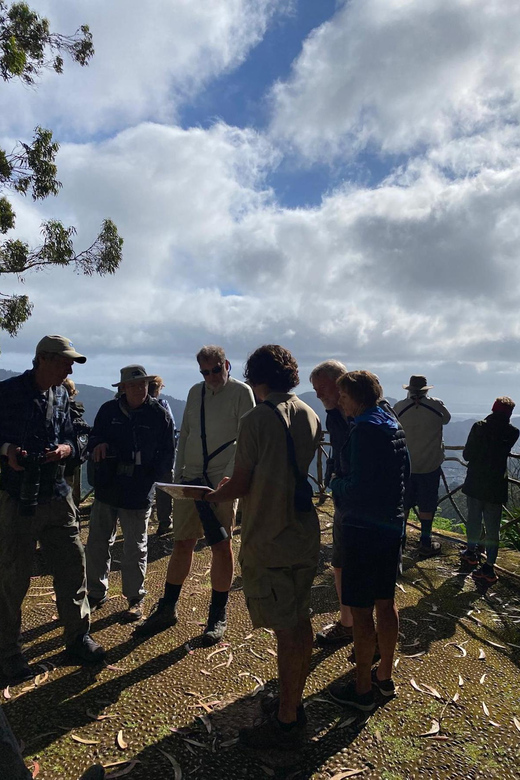
Madeira is not simply a scenic island with a few birds added on. Its isolated setting has helped produce bird populations with their own character, and this tour is built around finding them in the places where they live.
The key word is endemic. An endemic bird is native to a particular place and found nowhere else, or mainly nowhere else. That makes a Madeiran Firecrest more meaningful than a familiar garden bird you could spot at home.
The tour focuses on three especially appealing targets. The Madeiran Firecrest is small and active, so you will need patience and a sharp eye. The Laurel pigeon, also known as the Trocaz pigeon, is more elusive and can be the hardest prize of the morning. The Madeiran Chaffinch, called the bluefinch in one piece of tour feedback, adds another distinctive island bird to the search.
You may also see ordinary Madeira birdlife along the way. That matters because even a morning without every target species can still offer useful practice with calls, movement, and habitat. Good birdwatching is partly about the species on your list, but it is also about learning where to look.
A few more birding trips around Portugal worth a look
- Faro: Eco-Friendly Ria Formosa Bird Watching in Solar Boat
★ 4.7 · 359 reviews - Dolphin – Whale – Turtle – Bird Watching
★ 5.0 · 350 reviews - Faro: Ria Formosa Natural Park Segway Tour & Birdwatching
★ 4.9 · 180 reviews
Starting in Funchal and Caniço
Pickup is available in Funchal and Caniço, which keeps the morning easy for many visitors. If you are staying outside those areas, contact the operator before booking to ask about another pickup point. Transfers beyond the stated zone are not automatically included.
The tour lasts 4.5 hours, so this is a substantial morning rather than a quick hotel activity. That length gives the guide time to visit several sites instead of staking everything on one patch of woodland.
The group is limited to eight people. I consider that a strong feature for birdwatching. A large coach group is noisy, slow to gather, and hard to place around a good sighting. A small party can stop, listen, and move on with less fuss.
You will travel between sites by vehicle, with walks and stationary observation periods along the way. The exact order of the locations can vary, and starting times depend on availability. Check the schedule before booking if you have a tight afternoon plan.
São Lourenço: open country and a change of pace
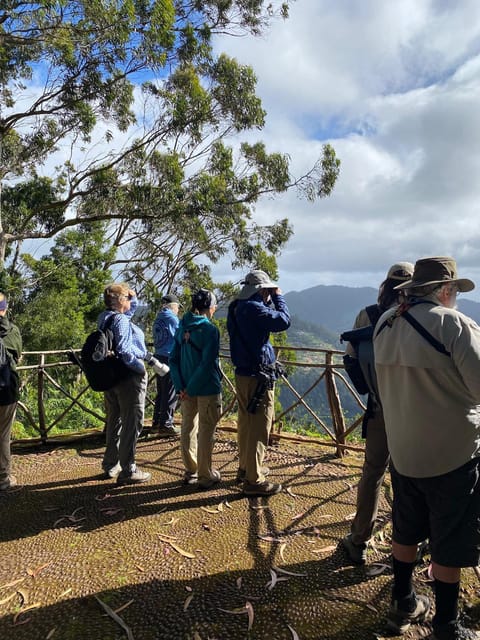
The São Lourenço peninsula gives the tour a very different setting from Madeira’s forested interior. Its open coastal terrain provides broad views and fewer enclosed woodland paths, making it a useful contrast early or late in the outing.
This is not just a photo stop. The peninsula is an Important Bird Area, so the visit has a clear conservation and habitat purpose. You may walk through sections of the area or pause in a suitable place while the guide scans for birds.
Open ground can make some birds easier to spot, but it also exposes you to the island’s weather. Wind and changing conditions can affect bird activity. One February outing took place in less-than-ideal weather, yet the guide still received top marks for keeping the experience worthwhile. That is a good reminder to bring sensible clothing rather than relying on a sunny forecast.
The peninsula may appeal to you even if your bird list remains short. It adds a strong sense of place to the outing and shows how different habitats support different kinds of birdlife. Still, if you prefer sheltered woodland walking, this portion may feel more exposed.
The Laurel forest and the patient search for Firecrests
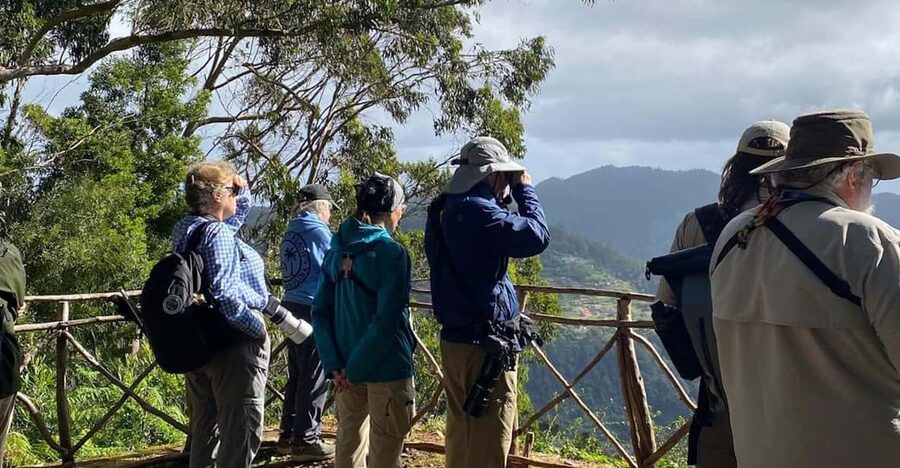
The Laurel forest is the tour’s most atmospheric setting. Here, the focus shifts from open coastal views to a forest habitat where small birds can move quickly through vegetation.
A walk beside a levada is included on at least some outings. Levada paths are a natural fit for birdwatching because they offer a steady walking route without requiring a strenuous mountain hike. The walk described in the tour feedback included many flowers and a particularly good number of Firecrests.
That detail is useful. Firecrests are small, quick, and easy to miss if you expect a large bird to announce itself. The guide can help you pay attention to movement, calls, and the edges of the vegetation. Observation material is supplied, but you can bring your own binoculars or other equipment if you prefer.
The forest section may be the best part of the trip for anyone interested in plants as well as birds. Alexandre was praised for explaining both birdlife and flora during the drive and the walk. That wider knowledge can turn a simple sighting into a better understanding of why the bird is present in that habitat.
The tradeoff is that forest birding can feel slow. You may spend time looking at the same area before anything appears. One lower-rated experience found too few species and too much repetition between locations. I would treat that as a realistic warning, not a reason to dismiss the tour. Birdwatching rewards patience, but not every morning will deliver the same variety.
Same place, a different set of birds:
- Ria Formosa Natural Park Birdwatching Segway Tour from Faro
★ 5.0 · 164 reviews - Lisbon: Tagus Estuary Nature Reserve Birdwatching Boat Tour
★ 4.9 · 117 reviews - 2-hour Bird Watching Guided Boat Trip in Ria Formosa from Faro Algarve
★ 4.5 · 75 reviews - Faro: Ria Formosa Eco Birdwatching Boat Tour
★ 4.6 · 73 reviews
The main prizes: Firecrest, Laurel pigeon, and Chaffinch
The Madeiran Firecrest is likely to be the most approachable of the three headline species, at least in terms of reported sightings. A levada walk produced many of them on one outing, making the forest section especially promising for this bird.
The Laurel pigeon is a different challenge. It is famous on Madeira and described as elusive, so seeing one may require quiet observation and a bit of luck. A pair was seen during one successful outing, which shows that the species is possible, but you should not treat it as a guarantee.
The Madeiran Chaffinch is another important target. One participant reported seeing what was called the Maderian bluefinch along with Firecrests and Trocaz pigeons, producing three endemic species in one trip. That is an excellent result, but it also illustrates the right attitude: enjoy the full morning, then celebrate the rare sightings you earn.
Your guide will not be able to control the birds. Weather, season, noise, and normal animal behavior all matter. The tour’s value is in having someone who knows the likely habitats and can give you several chances instead of leaving you to search alone.
What the guide adds to the morning
The strongest praise is directed at the guides, especially Alex and Alexandre. They are described as excellent, well informed, and able to explain both birds and plants. Their role is not limited to pointing at a bird. They also share information while driving between locations, which helps turn transfer time into part of the tour.
That matters on Madeira. The island changes quickly from coast to forest, and the drive between birding sites can show you how the island’s natural settings connect. One outing included comments about what Madeira may have looked like in earlier times, giving the route more context than a simple ride from point A to point B.
A good guide also helps with the emotional rhythm of birdwatching. A quiet spell can feel disappointing if you do not know what is happening. It feels more purposeful when the guide explains the habitat, adjusts the search, or suggests where to watch next.
The guide’s language is English or Portuguese. If you are comfortable in either language, that gives you a practical choice. The group size of eight or fewer should also make it easier to ask questions without holding up a large party.
Is $64 good value?
At $64 per person, I see this as reasonable value for a half-day specialist outing. You are paying for a small group, transport from Funchal or Caniço, a live guide, several birding locations, and observation equipment.
The value is strongest if you do not have a rental car, do not know Madeira’s birding sites, or want help identifying what you see. A specialist guide can save you from spending hours in the wrong habitat. The supplied equipment is also useful if you are interested but did not pack binoculars.
The price feels less attractive if your main goal is general sightseeing. You will spend time waiting, watching, and repeating a search area. If you want a fast-moving island tour with guaranteed attractions, this is not the right use of your money.
The mixed experience is worth keeping in mind. Several outings received enthusiastic praise for the guide, the scenery, and sightings of three endemic species. One lower rating found the activity expensive for the number of birds seen and felt the explanations were limited. Birding value depends heavily on what appears on the day, so book this for access and expertise, not a guaranteed species count.
What to wear and bring
The packing list is practical rather than elaborate:
- Closed-toe, comfortable shoes
- Water
- Comfortable clothing
- Clothes that can get dirty
- Your own binoculars or observation equipment, if preferred
The clothing advice deserves attention. The tour combines different sites and includes walking, so polished city shoes are a poor choice. Clothes that can get dirty are sensible for forest paths and outdoor observation.
Alcohol and drugs are not allowed. Children under five cannot join the activity. The tour is best for people who can walk through several outdoor locations and wait quietly when needed, though no demanding hiking level is specified.
If you have specialist birding gear, you can bring it. Otherwise, the included observation material removes one common barrier for beginners.
Who will enjoy this tour most?
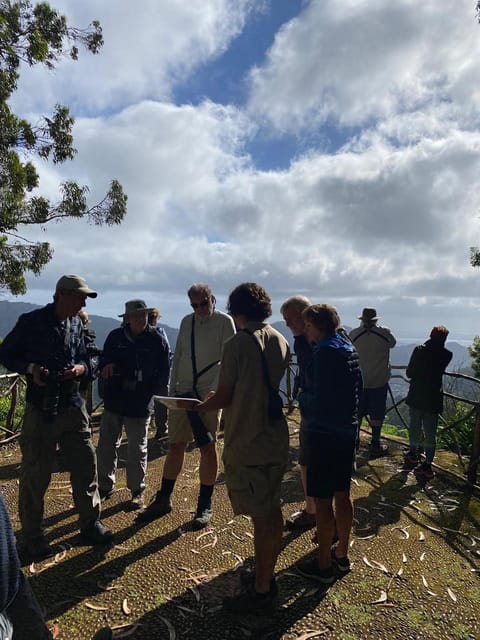
I would recommend it first to beginners who want an introduction to Madeira’s birds without planning their own route. You will get transport, a guide, several habitats, and a chance to learn how to look for small or elusive species.
It also suits experienced birders who want to target Madeira’s endemic birds with local help. The small group is a plus, and the combination of São Lourenço and Laurel forest gives you more than one type of habitat.
Nature lovers who enjoy plants and scenery should also find plenty to like. The forest walk, flowers, coastal setting, and commentary about Madeira’s natural past add value when a bird stays out of sight.
I would hesitate to recommend it to very young children, anyone who dislikes quiet observation, or anyone who needs a guaranteed list of sightings. It is also not ideal if you have only a short window and cannot accept a flexible start time.
You can cancel up to 24 hours before the activity for a full refund, and the reserve-now, pay-later option keeps your plans flexible. Those policies help reduce the risk of booking a specialist outing in uncertain weather.
Should you book Madeira: Birdwatching, The Endemics?
Book it if seeing Madeira’s own birds matters more to you than ticking off a long list. The combination of a small group, several Important Bird Areas, supplied observation material, and guides such as Alex or Alexandre gives you a good setup for a serious half-day search.
Go in with realistic expectations. You might see Firecrests in good numbers, and you might be lucky enough to find a Laurel pigeon and Madeiran Chaffinch in the same morning. You might also see fewer species than hoped.
For $64, I think the tour earns its place in a Madeira itinerary, especially for visitors based in Funchal or Caniço without their own birding plan. Pack water, wear shoes that can handle outdoor paths, and give the birds time to appear. That patience is the real price of admission.
FAQ
How long does the birdwatching tour last?
The guided tour lasts 4.5 hours, including visits to several birdwatching locations around Madeira.
Where does the tour start and finish?
Pickup and drop-off are available in Funchal and Caniço. The activity returns to Funchal, and you should contact the provider about possible alternatives if you stay outside those areas.
What birds might I see?
The tour focuses on Madeira’s endemic birds, including the Madeiran Firecrest, Laurel pigeon, and Madeiran Chaffinch. Sightings are not guaranteed.
Does the tour visit the Laurel forest?
Yes. The Laurel forest is one of the main areas visited, and some outings include a walk along a levada there.
Does the tour visit São Lourenço?
Yes. São Lourenço peninsula is one of the Important Bird Areas included among the tour locations.
Is observation equipment provided?
Yes. Observation material is included, though you may bring your own equipment.
What languages does the guide speak?
The live tour is available in English and Portuguese.
How many people can join the group?
The group is limited to eight participants.
Can I cancel or pay later?
You can cancel up to 24 hours before the activity for a full refund. A reserve-now, pay-later option is also available.
Just added around Portugal
- Visit to Madeira Bird Island★ 4.6 · 22 reviews
- Vila Franca do Campo: Marine Life & Bird Watching & Islet Tour★ 4.4 · 9 reviews
- Azores Marine Birdwatching Expedition w/ Biologist Guide★ 4.5 · 19 reviews
- Birdwatching Private Tour at Fascinating Salgados Lagoon★ 5.0 · 6 reviews
- Private Birdwatching from Porto★ 5.0 · 33 reviews
- Bird Watching in Albufeira Lagoon★ 5.0 · 2 reviews
- Birdwatching day around Sagres★ 5.0 · 3 reviews
- Half-day birdwatching around Faro★ 5.0 · 2 reviews
Portugal Birdwatching Tours, compared.
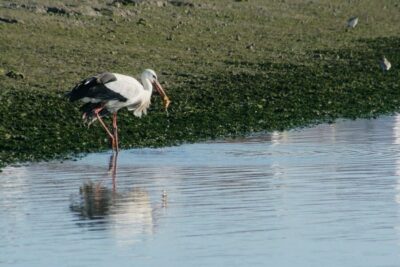
Eco-Friendly Ria Formosa Bird Watching in Solar Boat
Read our review →
Ria Formosa Natural Park Segway Tour & Birdwatching
Read our review →
Ria Formosa Natural Park Birdwatching Segway Tour from Faro
Read our review →
Tagus Estuary Nature Reserve Birdwatching Boat Tour
Read our review →
2-hour Bird Watching Guided Boat Trip in Ria Formosa from Faro Algarve
Read our review →
Browse the lists this tour appears in