
REVIEW · DUNEDIN BIRDWATCHING TOURS
Dunedin: Wildlife and Penguin Tour
Penguins are only part of the story. This 90-minute visit to The OPERA on Otago Peninsula combines a conservation talk, a rehabilitation-centre visit, and a guided walk through a private eco-reserve. I especially like the chance to see wildlife while supporting habitat restoration, and I like that guides such as Emma and Eden bring real warmth to the experience. The main caution is simple: yellow-eyed penguins are wild and declining in number, so sightings in the reserve are never promised.
At $44 per person, this is a fair buy if you want more than a quick animal sighting. You get transport into the reserve, a guide, a nature walk, access to the rehabilitation centre when penguins are present, and rain jackets if the weather turns rough. You should arrive ready for uneven outdoor walking and accept that seals, sea lions, and birds may be the stars of your visit.
Key points to know before you go
- Yellow-eyed penguins are never guaranteed: They are rare, declining, and their movements change with the season and the day.
- The tour has three distinct parts: A conservation presentation, a possible rehabilitation-centre visit, and a guided walk of about 2 kilometres.
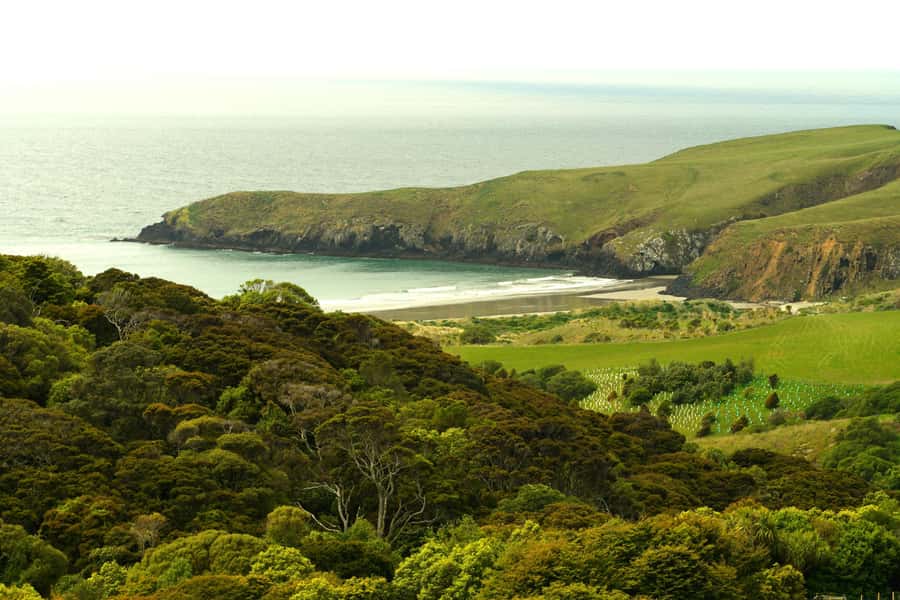
- The private reserve supports real conservation work: Your admission helps fund habitat restoration and protection for native wildlife.
- Seals and sea lions can be excellent consolation prizes: Several visitors had very close views of fur seals and New Zealand sea lions.
- Bring binoculars if you have them: Binoculars were provided in some cases, but having your own gives you more viewing time.
- This is an outdoor walking tour: Comfortable shoes, warm layers, and weather-ready clothing matter more than fancy camera gear.
A conservation visit, not a guaranteed penguin show
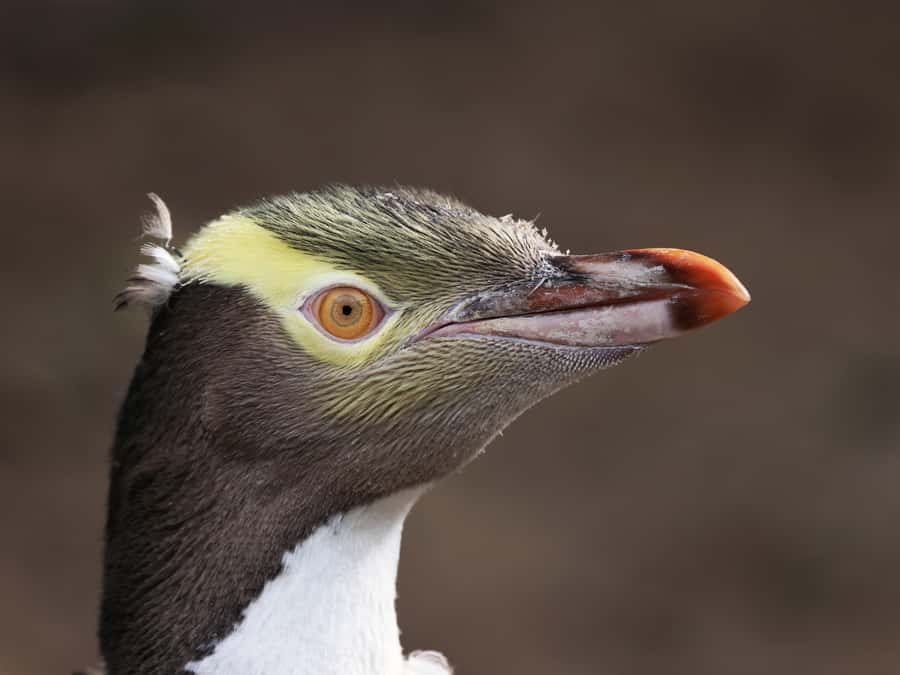
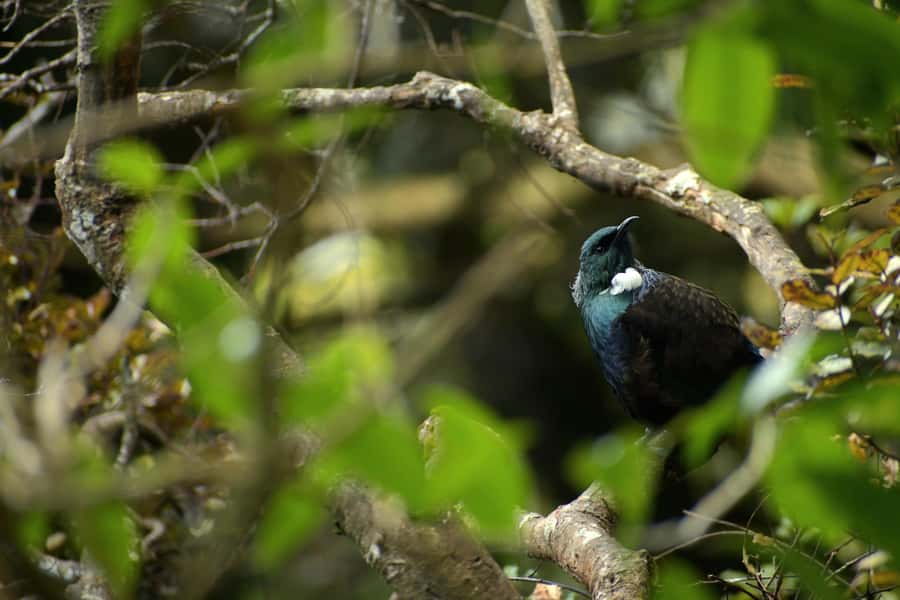
The OPERA experience works best when you see it as a visit to a working conservation reserve rather than a wildlife performance. The reserve protects hoiho, or yellow-eyed penguins, kororā, or little penguins, native birds, seals, sea lions, and plant life. The point is to give these animals space while restoring habitat that was once damaged or altered.
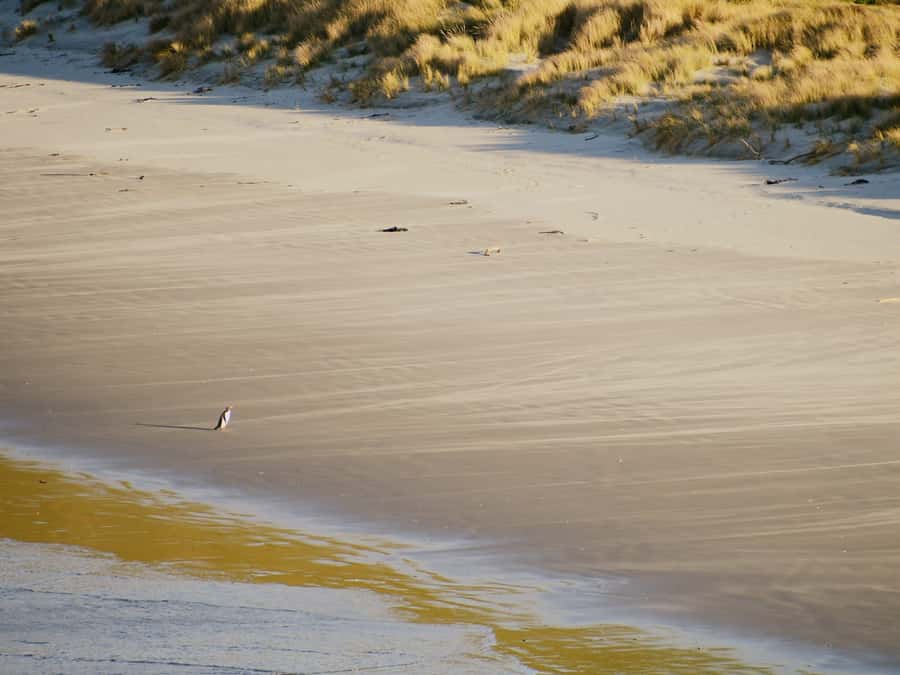
That distinction matters. You might see yellow-eyed penguins in the wild, but you might not. Numbers are low, and even a healthy bird may be out of sight on the day you visit. Several recent outings produced wild little penguins, seals, and sea lions but no yellow-eyed penguins outside the rehabilitation centre.
I appreciate the honesty here. A tour that promises a rare animal every time usually puts pressure on the animal or the guide. This visit asks you to watch carefully, listen to the guide, and accept the reserve on its own terms. That is a better fit for anyone who cares about wildlife protection.
The conservation message is also more than a short speech before the fun begins. You learn how the reserve is being returned to a more natural state, why yellow-eyed penguins are so sensitive, and what future protection work may involve. If you enjoy understanding the reason behind a place, this opening gives the rest of the tour more meaning.
More Penguin Tours in New Zealand:
- Oamaru: Penguins Evening Viewing Ticket
★ 4.5 · 682 reviews - Guided Evening Penguin Viewing Otago Peninsula, Dunedin, New Zealand
★ 5.0 · 471 reviews - Otago Peninsula In-Depth Tour & Blue Penguins Pukekura Experience
★ 5.0 · 163 reviews
The theatre introduction sets the tone
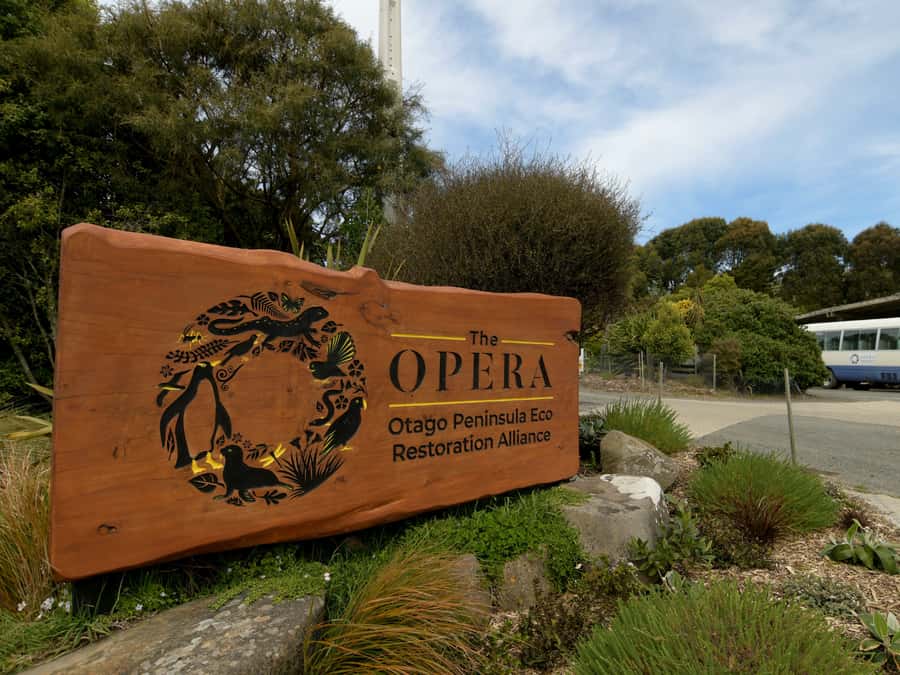
Your visit begins at reception, at 45 Pakihau Road, with a presentation in a theatre setting. This is where the guide explains the reserve, the local wildlife, and the work being done to restore native habitat.
The presentation gives you useful context for what you might see later. Yellow-eyed penguins are the rarest penguin species in the world, and their population is currently in decline. The talk also explains why visitors must keep their distance and never touch animals.
I would pay attention here rather than treating the theatre portion as filler. Once you understand how easily penguins can be disturbed, a distant sighting feels more valuable. You also learn to look for behavior and habitat, not only for a perfect photograph.
The guides are a major strength. Emma is praised for her enthusiasm and her ability to make the conservation work feel personal. Eden has also led tours with a clear affection for the animals and the reserve. Both names come up in connection with warm, engaging explanations and strong answers to questions.
The bus ride into the reserve continues the commentary. One particularly good detail is that the guide keeps talking during the short transfer, making useful use of the travel time instead of leaving you in silence. That helps the 90-minute schedule feel full without making it feel rushed.
The rehabilitation centre offers your best penguin chance
When penguins are present, you get an exclusive visit to the rehabilitation centre. This may be the most reliable part of the experience for seeing yellow-eyed penguins up close, although the number of birds present will vary.
Recent visits included two or three yellow-eyed penguins, other penguin species, and, at times, several birds in care. The centre gives you a much clearer view than the open reserve can provide. You can notice the birds’ size, coloring, and quiet behavior without relying entirely on distant binocular views.
There is an important limit. The animals are in rehabilitation, so the viewing arrangement is designed around their welfare, not around getting the closest possible photograph. One visitor wished the viewing area allowed more visibility while still protecting the penguins. That is a fair consideration, especially if you expect a wide-open exhibit.
Access can also vary. One visit did not include the trenches mentioned in the advertised experience, while other visits offered close views in or around viewing areas. I would treat the rehabilitation-centre visit as a valuable opportunity, but not expect one identical setup every time.
That uncertainty is part of responsible wildlife tourism. If a penguin is resting or especially sensitive, the centre may limit how you see it. The experience is stronger when you accept that the animal’s comfort comes first.
The 2-kilometre reserve walk brings the wildlife into focus
After the indoor portions, you take a short bus trip into the reserve and begin an approximately 2-kilometre nature walk. The walk is guided, and the pace can allow time for stopping, taking photographs, and watching animal behavior.
The reserve is home to forest and shore birds, plants, fur seals, New Zealand sea lions, little penguins, and yellow-eyed penguins. You may see animals at different distances. Some people saw seals and sea lions very close up, while penguins appeared in nest boxes or farther away.
The little penguins, also called little blue penguins, can be especially rewarding. They may be seen near their nest boxes, and several visitors had good views of them even when no yellow-eyed penguins came ashore. You might also spot a blue penguin in the wild, along with several bird species moving through the reserve.
The seals and sea lions add a welcome element of surprise. They are not simply substitutes for penguins. Watching them rest, move, or interact gives the walk its own character, and close views can be more memorable than a distant bird seen for only a few seconds.
The walk is also where you will feel the weather and terrain. Rain jackets are included, and that is useful on the Otago Peninsula, where conditions can change. Still, bring outdoor clothing and comfortable walking shoes. The tour is not suitable for people with mobility impairments, wheelchair users, visually impaired people, or people with a low level of fitness.
If you want to take photographs, carry a camera with a useful zoom if you have one. A phone may work for scenery and nearby animals, but wildlife often appears too far away for a sharp close-up. Binoculars are recommended, and some visitors received them when they had not brought their own.
More Wildlife Trips in New Zealand:
- Albatross, seals, and sea birds-Wildlife Cruise
★ 5.0 · 189 reviews - Iconic Wildlife Tour with Yellow Eyed Penguins & Royal Albatross
★ 4.5 · 33 reviews - Wildlife and Penguin Tour
★ 5.0 · 27 reviews - Akaroa: Wildlife Cruise with Dolphins and Penguins
★ 5.0 · 27 reviews
Wildlife etiquette is part of the experience
The rules are straightforward: do not smoke, do not touch animals, and follow the guide’s instructions. These are not minor formalities. Yellow-eyed penguins are sensitive to disturbance, and the whole conservation model depends on limiting stress.
You will probably spend time looking quietly rather than walking right up to animals. That may feel restrained if you are used to a zoo, but it is exactly what makes the reserve different. The animals are not there for a scheduled appearance.
A good guide helps you notice what you would otherwise miss. They can point out a bird in cover, explain why a penguin is using a certain area, or tell you why the reserve protects a particular stretch of habitat. The best moments may be brief, so listen closely and keep your camera ready without letting it take over.
The guides also seem willing to adjust the pace. Daniel’s experience was that the group was not rushed when people wanted to stop or take photographs. That flexibility matters on a wildlife walk, where one quiet sighting can be worth several minutes of waiting.
What the $44 price really gets you
At $44 per person, the cost is reasonable for a 90-minute guided experience with several separate elements. You are not paying only for a short bus ride or a chance at a penguin photograph. The price covers the conservation presentation, guided transport into the reserve, the nature walk, access to the rehabilitation centre when animals are present, and rain jackets.
The value is strongest if you care about conservation and want a guide to help you understand the place. The money supports a private reserve working to protect penguins and restore native habitat. That gives the visit a practical purpose beyond sightseeing.
The value is less certain if your only goal is a guaranteed yellow-eyed penguin in the wild. No operator can promise that here, and your visit could produce seals, sea lions, birds, and little penguins instead. I would not book this expecting a wildlife checklist to be completed.
The 90-minute duration suits a busy Dunedin schedule. It is long enough to include a proper walk but short enough to fit around other Otago Peninsula plans. You return to 45 Pakihau Road after the visit, so you do not need to commit to a full-day outing.
The best time to choose this tour
The supplied information does not promise a particular time of day for wildlife sightings. Conditions and animal activity vary, so I would choose a departure that fits your wider schedule rather than assuming one time is always best.
A sunset outing can be beautiful. Emma led one late-day visit that received especially warm praise for its atmosphere and care. Still, do not book a particular time solely for a guaranteed penguin appearance. Wildlife remains unpredictable.
Weather should also shape your expectations. The tour operates outdoors and supplies rain jackets, but you should still wear proper outdoor clothing. A wet day does not necessarily ruin the experience, and the operator has shown flexibility with timing in difficult weather, but you will enjoy the walk more if you are prepared.
Who will get the most from the 90 minutes
I would recommend this tour to you if you want:
- A short wildlife visit with a strong conservation focus
- A chance to see yellow-eyed penguins in rehabilitation and possibly in the wild
- A guided walk rather than an unguided lookout
- Opportunities to see fur seals, sea lions, little penguins, and native birds
- A small-group feel when group sizes are limited
- A meaningful Otago Peninsula activity that supports habitat protection
I would think twice if you need level, accessible paths or cannot walk about 2 kilometres. I would also choose another activity if a guaranteed close wildlife encounter is essential.
Families and curious first-time visitors can get a lot from the explanations, but everyone needs to respect the no-touching rule and remain comfortable outdoors. People with a strong interest in conservation may value the visit even on a day with no wild yellow-eyed penguin sighting.
Practical tips for a better visit
Wear comfortable walking shoes with enough support for an outdoor nature walk. Bring layers, outdoor clothing, a camera, and binoculars if you have them.
Arrive ready to check in at reception at 45 Pakihau Road. Food and drinks are not included, so plan those separately.
If you are worried about missing the best views because you forgot binoculars, ask about availability. Some visitors received binoculars from the operator, but I would not rely on this without confirming.
Keep your expectations flexible. You may see a yellow-eyed penguin up close at the rehabilitation centre, then find none in the wild. You may instead get excellent views of fur seals, sea lions, little penguins in nest boxes, and native birds.
Free cancellation is available up to 24 hours before the activity, and you can reserve now and pay later. Those terms are useful if your Otago Peninsula plans depend on weather or changing transport arrangements.
Should you book The OPERA wildlife tour?
Book it if you want a thoughtful, reasonably priced introduction to Otago Peninsula wildlife and you are happy to let the animals set the agenda. The conservation presentation, rehabilitation-centre access, bus commentary, and guided walk give you more substance than a quick penguin stop.
I especially like the combination of close penguin viewing when birds are present and the chance to see wildlife living in the reserve. Guides such as Emma and Eden add warmth, while the conservation work gives your admission a clear purpose.
Do not book it as a guaranteed yellow-eyed penguin sighting. Book it for the chance, the habitat, the seals and sea lions, the little penguins, and the chance to support protection work. If you can accept that balance, $44 is a sensible price for 90 minutes on the Otago Peninsula.
FAQ
Where does the tour start?
The tour starts at 45 Pakihau Road. Check in at reception before the experience begins.
How long does the experience last?
The guided experience lasts 90 minutes, including the theatre presentation, rehabilitation-centre visit when available, bus trip, and nature walk.
How far do you walk?
The guided nature walk is approximately 2 kilometres, or 1.25 miles.
Can I see yellow-eyed penguins in the wild?
You might, but sightings are not guaranteed. Yellow-eyed penguins are rare, their numbers are declining, and viewing changes throughout the year and from day to day.
Will I see penguins at the rehabilitation centre?
You can visit the rehabilitation centre when penguins are present. The number and type of penguins there can vary.
What other wildlife might I see?
Possible sightings include little penguins, New Zealand fur seals, sea lions, forest birds, shore birds, and other native wildlife within the reserve.
Are rain jackets provided?
Yes. Rain jackets are included, but you should still bring outdoor clothing and comfortable walking shoes.
Is the tour suitable for wheelchair users?
No. The experience is not suitable for wheelchair users, people with mobility impairments, visually impaired people, or people with a low level of fitness.
Just added around New Zealand
- One Day Birding Adventure★ 5.0 · 7 reviews
- Motuara Island Bird Sanctuary and Ship Cove Cruise from Picton★ 4.0 · 36 reviews
- Wildlife and Penguin Tour★ 5.0 · 27 reviews
- Otago Peninsula Scenery & Little Blue Penguin tour★ 5.0 · 5 reviews
- Akaroa: Wildlife Cruise with Dolphins and Penguins★ 5.0 · 27 reviews
- Iconic Wildlife Tour with Yellow Eyed Penguins & Royal Albatross★ 4.5 · 33 reviews
- Clearwater Private Penguin & Wildlife Tour from Port Otago (5hrs)★ 5.0 · 7 reviews
- Guided Tour at Pukorokoro Shorebird Centre★ 5.0 · 4 reviews
Penguin Tours, compared.
Penguin Parade, & Wildlife Encounters Eco Tour from Melbourne
Read our review →
Cape of Good Hope & Penguins Day Tour with Pickup
Read our review →
Cape Point and Boulder’s Penguins Full Day Tour
Read our review →
Cape of Good Hope & Boulder Penguins Full-Day Tour from Cape Town
Read our review →
Table Mountain, Penguins & Cape Point Small Group Tour Cape Town
Read our review →Cape Town Tour: Table Mountain, Penguins & Cape Point+Pickup
Read our review →
Browse the lists this tour appears in