
REVIEW · DUNEDIN BIRDWATCHING TOURS
Otago Peninsula In-Depth Tour & Blue Penguins Pukekura Experience
Little penguins make a big impression. This five-hour outing combines the Otago Peninsula’s wildlife, geology, Māori connections, and human history with a close evening view of little blue penguins returning from the sea. I like the small van group, capped at 11 people, and the way the guides turn the drive into part of the experience rather than mere transport. I also like the strong conservation focus at Pukekura, where the penguins are watched in the wild, not displayed behind glass. The main drawback is the late finish and cold wait after dark, so this is not the best choice for young children or anyone who dislikes chilly outdoor evenings.
Guides such as Jonathan, Jono, Danni, Sian, James, and Danny are praised for making the trip feel personal and lively. You may see seals, albatross, and other birds, but wildlife follows its own timetable. The penguins can arrive late, and poor weather can cancel the outing, so you need to bring patience along with your camera.
Key things to know before you book
- Little blue penguins pass just metres from the viewing platform: The birds return from the sea at dusk and walk toward their burrows.
- The drive is part of the tour: You get explanations about Otago geology, Māori culture, local history, plants, and birds instead of simply being driven to the reserve.
- The main van group is small: Transport holds a maximum of 11 people, though the penguin viewing is shared with other visitors and can include up to 75 people.
- Wildlife sightings change with the season: Seals and albatross are possible, but no particular species can be promised.
- Expect a cold, late evening: Warm clothing is essential, and some outings return to Dunedin around 11:30 p.m.
- The tour supports conservation: Blue Penguins Pukekura operates as a charitable trust focused on protecting the peninsula’s largest penguin colony.
Why this Otago Peninsula tour is more than a penguin stop
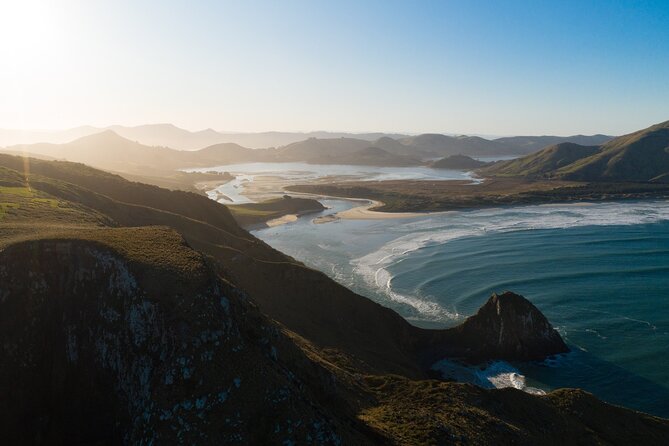
If you only want to see penguins, you could focus on the evening viewing alone. But the added peninsula tour gives you a much better sense of where these birds live and why this narrow arm of land is so important.
The outing begins in central Dunedin, usually at the Dunedin i-SITE Visitor Information Centre on The Octagon. Pickup is offered, and some experiences include hotel collection and return. The drive out takes about 30 minutes, including pickup time, and passes several notable Dunedin buildings before heading toward the peninsula.
This opening section is short, but useful. It shifts the setting from city streets to a place shaped by volcanic geology, coastal weather, farming, fishing, Māori history, and seabird colonies. A guide such as Jonathan or Jono may point out birds and landmarks along the way, while guides such as Danni and Sian add stories and local detail.
I like this approach because the peninsula can look like a simple scenic drive if you do it alone. With a guide, you get help reading what you see. A rocky headland becomes part of the area’s geology. A bird overhead becomes part of a wider explanation about the coast. A place that looks empty may turn out to have an important Māori or conservation story.
More Penguin Tours in New Zealand:
- Oamaru: Penguins Evening Viewing Ticket
★ 4.5 · 682 reviews - Guided Evening Penguin Viewing Otago Peninsula, Dunedin, New Zealand
★ 5.0 · 471 reviews - Dunedin: Wildlife and Penguin Tour
★ 4.6 · 239 reviews
The 1-hour-45-minute tour across Otago Peninsula
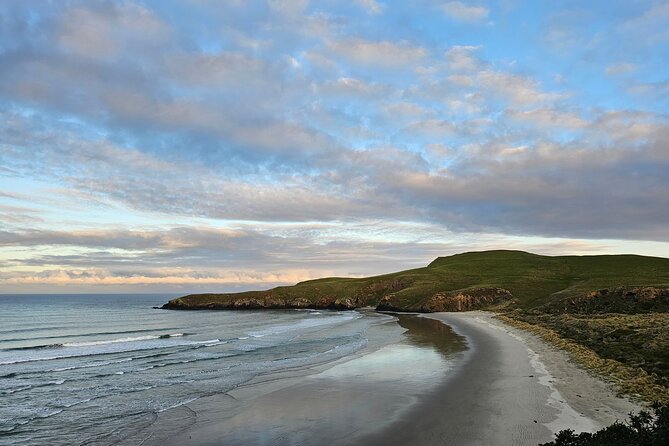
The central portion lasts about one hour and 45 minutes and covers the peninsula’s geology, botany, zoology, culture, and human history. It was designed by Lyndon Perriman, a former wildlife ranger who spent 30 years working on the Otago Peninsula.
That background matters. The tour is not built only around scenic photo stops. It aims to explain how the peninsula works as an ecosystem and how people have used and cared for it over time. The guides also watch for wildlife during the drive, so you may stop at places that you would otherwise pass without noticing.
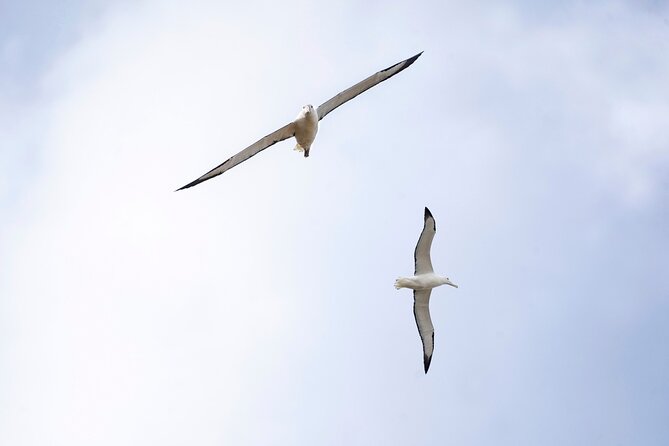
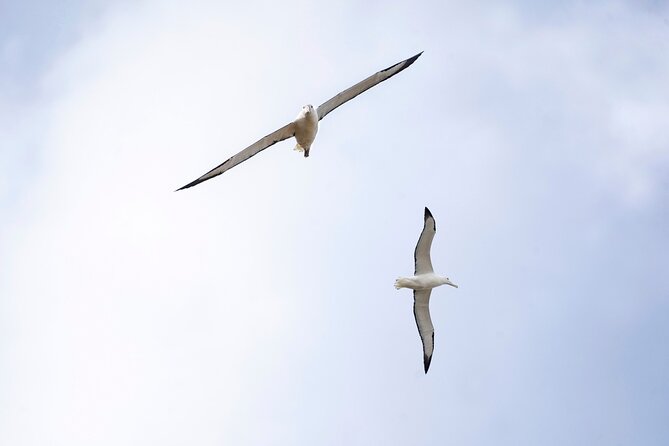
Possible sightings include a range of coastal birds, seals, and albatross. Some outings have produced especially good penguin numbers later in the evening, while others have included a sea lion sighting. Albatross are less predictable. One wet outing produced plenty of penguins but no albatross because the wind was not right, while another included albatross flying overhead.
That uncertainty is part of the bargain. You are visiting a functioning wild reserve, not a show with guaranteed appearances. The company does offer a refund of 30 percent if fewer than five penguins are seen on the Viator booking, but it is still wise to think of the penguins as the most likely wildlife highlight, not the only reason to go.
The small van helps here. With no more than 11 people in the vehicle, the guide can answer questions and adjust the pace more easily than on a large coach. Guides are often singled out for their enthusiasm and local expertise. Danni is described as energetic and passionate about wildlife, while James is praised for combining warmth with strong information about the peninsula. Sian is noted for explaining local history and marine life, and Jono is known for a lively presentation.
Taiaroa Head and the Pukekura reserve
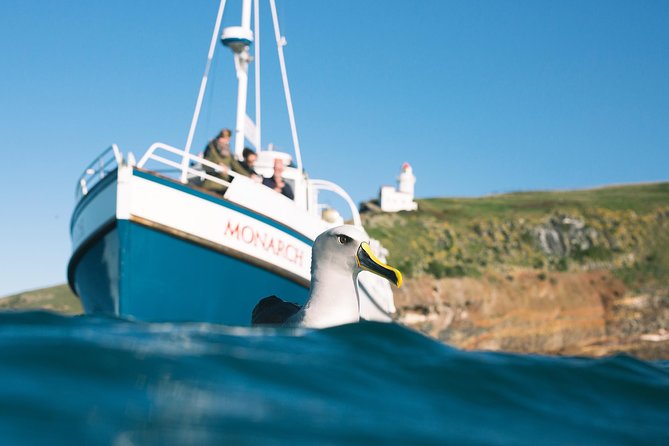
At the end of the peninsula, you reach Pukekura, also known as Taiaroa Head. This is an important Māori site and a major wildlife reserve. The guide takes you to cliff viewing places where you may look for seals and watch albatross flying above the coast.
Taiaroa Head is a fitting place for the tour’s wider message. The site links culture, geology, and wildlife in one compact area. It is not simply a lookout with a nice view. It is a place with meaning to Māori communities and a vital home for seabirds and penguins.
The stop lasts about 30 minutes. That gives you time to listen, look out across the water, and watch for wildlife without turning the visit into a rushed photo break. Bring a warm layer even if the afternoon feels mild. Coastal wind can change quickly, and the temperature drops once the sun goes down.
Albatross sightings are a bonus rather than a promise. You might see several birds gliding overhead, or only a few. The same applies to seals. The tour’s value does not collapse if one species stays out of sight because the guide provides context about the reserve and the wider peninsula.
Waiting for the little blue penguins after dark
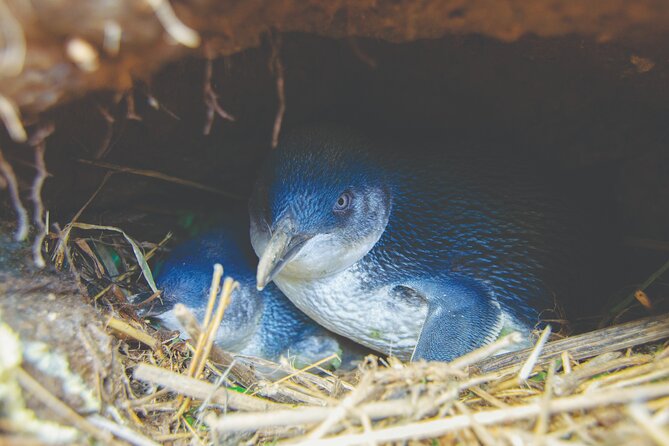
The main event begins at the Blue Penguins Pukekura visitor area. Here, the small van group joins other people for the penguin viewing. The transport group is limited to 11, but the shared penguin experience may include up to 75 people.
That larger number is worth understanding before you book. You are not getting a private penguin watch. Still, the viewing platform is designed to give people close views, and the penguins can walk past just metres away. The platform allows everyone a chance to see the birds as they leave the beach and make their way toward their burrows.
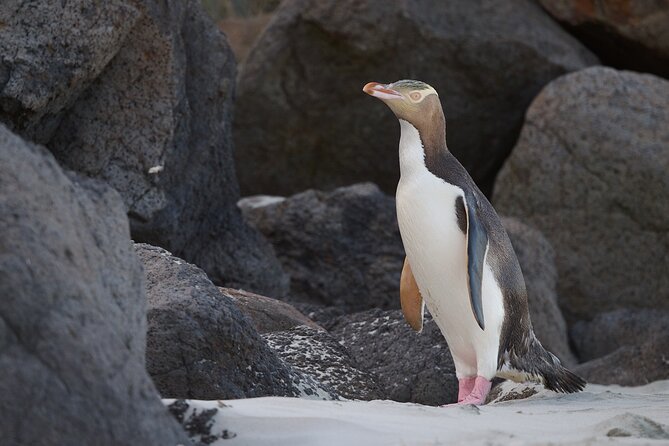
The little blue penguin is the world’s smallest penguin. These birds spend time at sea feeding, then return after dark to rest or feed their chicks. You may first see movement near the water, followed by small groups waddling across the shore and toward the colony.
The timing is never exact. One outing saw the birds arrive late, but the wait paid off. Another recorded more than 120 penguins coming ashore in an hour. Those numbers can vary, and you should not treat that figure as a guarantee. The safest expectation is that you may wait in the dark before the birds appear, then watch a memorable procession once they do.
A short talk explains the penguins, the colony, and the reserve’s work. That makes the viewing more than a cute wildlife photo opportunity. You learn why the birds return at this time, how the colony is protected, and why people must keep their behavior controlled around them.
Photography is allowed, but flash is not. Keep your camera ready, but do not let it distract you from the birds. The little penguins are wild animals moving through their own home. That is what makes the close view special, and it is also why the rules matter.
A few more birding trips around New Zealand worth a look
- Albatross, seals, and sea birds-Wildlife Cruise
★ 5.0 · 189 reviews - Akaroa: Pohatu Penguins Scenic Nature 2-Hour or 4-Hour Tour
★ 4.9 · 125 reviews - Akaroa: Pohatu Little Penguins 3-Hour Evening Experience
★ 4.8 · 119 reviews - Auckland (Tawharanui): Wild Kiwi Bird Spotting Encounter
★ 4.9 · 78 reviews
What the conservation focus adds

Blue Penguins Pukekura is a charitable trust whose aim is to protect the Otago Peninsula’s largest penguin colony. I consider this a meaningful part of the experience because your visit helps support a place that puts the reserve and its birds first.
The difference between a managed wild colony and a zoo display is clear. You are not watching animals perform or waiting for a handler to bring them out. You are waiting for them to return from the sea on their own schedule.
That can mean a slower evening. It can also mean a far more genuine one. The penguins may arrive in a rush, in small groups, or later than expected. You need to accept that uncertainty in exchange for seeing natural behavior.
The reserve also appears to manage the viewing carefully. The platform keeps people in a set area, and the guides explain what to expect before the birds arrive. The company’s refund policy for seeing fewer than five penguins offers some reassurance, though it does not remove the basic fact that wildlife cannot be controlled.
Transport, timing, and the late return to Dunedin
After the penguin viewing, the van returns to Dunedin. The drive takes about 45 minutes, with the route passing via Portobello Road or Castlewood Road if drop-offs are needed at Larnach Castle.
Some outings begin around 6:30 p.m. and return near 11:30 p.m. Exact timing depends on the season, pickup arrangements, penguin activity, and the time needed at the reserve. Plan your evening around the full five hours, not just the advertised start time.
The late return is one of the tour’s few real drawbacks. It can be tiring, particularly after standing outside in the cold. On the other hand, driving back over winding peninsula roads at night is much easier when someone else is behind the wheel, and the guides continue to provide local information along the way.
The vehicles are described as clean, comfortable small minibuses. If you are prone to motion sickness, tell the team when you board. One person was able to sit at the front of the van, which made the trip more comfortable.
Children must be at least six years old, and the vehicles do not carry small child restraints. You also need to walk 300 metres without help and manage about 60 stairs on the walkway to the viewing platform. Umbrellas are not allowed on the platform because they could create an eye hazard for others.
Is $102.39 good value?
At $102.39 per person, this is not the cheapest way to reach the peninsula. The price makes more sense when you consider what is included: about five hours, transport from Dunedin, a guided peninsula tour, several wildlife and viewpoint opportunities, the Taiaroa Head visit, and the Blue Penguins Pukekura experience.
You are also paying for interpretation. A self-drive trip may get you to the same general area, but it will not necessarily give you the same explanation of local geology, plants, Māori connections, birds, and conservation work. You also avoid driving back in the dark on winding roads.
The strongest value comes if you want more than a quick penguin photograph. I would choose this tour for a first visit to Dunedin, especially if you have limited time and want one outing to cover the peninsula’s main natural themes.
The value is weaker if you dislike group activities or already have a car and plan to spend a full day exploring at your own pace. The penguin viewing is shared, and wildlife sightings beyond the penguins are not guaranteed. Still, the 11-person transport group keeps the road portion personal, even though the final viewing includes more people.
Who should book this experience?
I would recommend it to you if you enjoy wildlife, local stories, and guided nature outings. It suits solo visitors particularly well because the pickup, transport, and return are organized, and the small van makes it easier to feel included.
It also works for couples and families with children aged six or older who can manage the walking and stairs. Older children may enjoy the penguins, birds, and night-time setting, but the cold and late finish could be hard for very young participants.
You should think twice if you need a flexible schedule, cannot walk 300 metres unaided, or do not want to spend part of the evening outdoors. Bring a proper warm jacket, hat, and extra layers. A light afternoon outfit is not enough once the penguins begin returning after dark.
Weather can also affect the outing. If poor weather forces cancellation, you are offered another date or a full refund. You can cancel for a full refund up to 24 hours before the start time, but cancellations or changes inside that window are not accepted.
FAQ
How long does the Otago Peninsula and blue penguin tour last?
The experience lasts approximately five hours. Some outings begin around 6:30 p.m. and return to Dunedin near 11:30 p.m., though the exact timing can vary.
Where does the tour begin?
The listed meeting point is the Dunedin i-SITE Visitor Information Centre at 50 The Octagon in central Dunedin. Pickup is also offered, and some outings include hotel pickup and drop-off.
What wildlife might I see?
Possible sightings include little blue penguins, seals, albatross, and other birds. Wildlife is seasonal and cannot be guaranteed. The penguins are the main focus of the evening viewing.
How close can I get to the little blue penguins?
The penguins can walk past the viewing platform just metres away. You watch them return from the sea and walk toward their burrows.
Is photography allowed?
Yes. Photography is allowed, but flash photography is not permitted.
Can children join the tour?
Children must be at least six years old. The vehicles do not carry small child restraints, and participants need to walk 300 metres unaided and manage about 60 stairs.
What happens if bad weather cancels the experience?
If the tour is canceled because of poor weather, you are offered a different date or a full refund. For your own cancellation, a full refund is available when you cancel at least 24 hours before the start time.
Should you book the Pukekura penguin experience?
Yes, if you want the penguins as part of a wider understanding of the Otago Peninsula. The best parts are the small guided van, the strong local storytelling, and the chance to watch little blue penguins return through a wild reserve rather than a staged display.
Book it with realistic expectations. Albatross and seals may or may not appear, the penguins may arrive late, and the evening can be cold. If you bring warm clothes, accept the shared viewing platform, and allow the full five hours, this is a well-priced and memorable way to meet Dunedin’s remarkable coast.
Just added around New Zealand
- One Day Birding Adventure★ 5.0 · 7 reviews
- Motuara Island Bird Sanctuary and Ship Cove Cruise from Picton★ 4.0 · 36 reviews
- Wildlife and Penguin Tour★ 5.0 · 27 reviews
- Otago Peninsula Scenery & Little Blue Penguin tour★ 5.0 · 5 reviews
- Akaroa: Wildlife Cruise with Dolphins and Penguins★ 5.0 · 27 reviews
- Iconic Wildlife Tour with Yellow Eyed Penguins & Royal Albatross★ 4.5 · 33 reviews
- Clearwater Private Penguin & Wildlife Tour from Port Otago (5hrs)★ 5.0 · 7 reviews
- Guided Tour at Pukorokoro Shorebird Centre★ 5.0 · 4 reviews
Penguin Tours, compared.
Penguin Parade, & Wildlife Encounters Eco Tour from Melbourne
Read our review →
Cape of Good Hope & Penguins Day Tour with Pickup
Read our review →
Cape Point and Boulder’s Penguins Full Day Tour
Read our review →
Cape of Good Hope & Boulder Penguins Full-Day Tour from Cape Town
Read our review →
Table Mountain, Penguins & Cape Point Small Group Tour Cape Town
Read our review →Cape Town Tour: Table Mountain, Penguins & Cape Point+Pickup
Read our review →
Browse the lists this tour appears in