
REVIEW · AUCKLAND BIRDWATCHING TOURS
Auckland (Tawharanui): Wild Kiwi Bird Spotting Encounter
The night belongs to the kiwi. Just north of Auckland, Tawharanui Regional Park gives you a rare chance to search for North Island brown kiwi in protected bush, then turn your eyes to the stars. I like the patient, respectful pace and the chance to see these birds in their natural home rather than behind glass. I also like the mix of wildlife, Māori star stories, and dark coastal skies. The main catch is simple: kiwi sightings are never guaranteed, and finding them can be slow.
This is a two-hour evening tour priced at $89 per person, with private and small-group options available. Guides such as Legend, Chris, Millie, Lucas, Sean, Ryan, and Sharn have been praised for their warmth, storytelling, and skill at finding birds. If you need transport from Auckland, that can be added, and an optional glamping stay is available for those who do not want to make the late trip home.
Key things to know before you book
- Kiwi spotting takes patience: You walk quietly through native bush, listening for calls and watching for movement. Some nights produce one or two birds, while others have brought sightings of 10, 14, or even more.
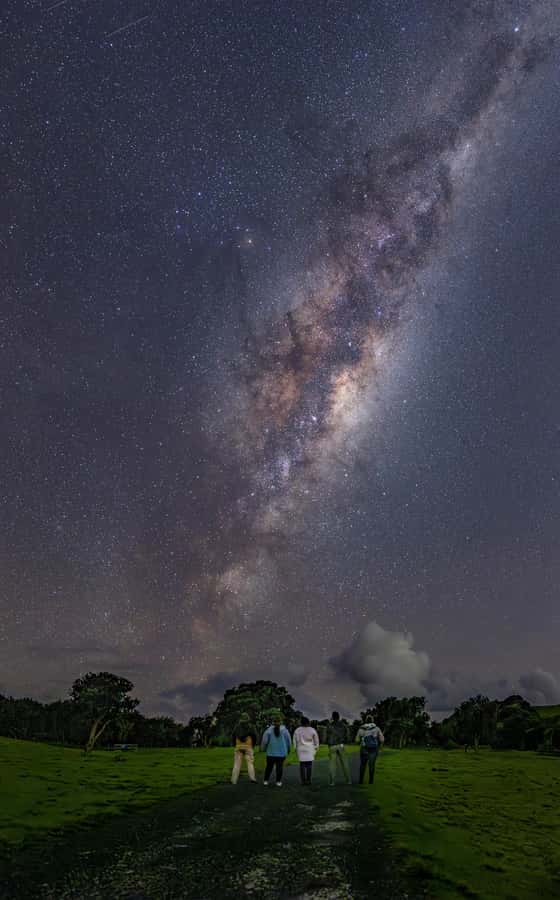
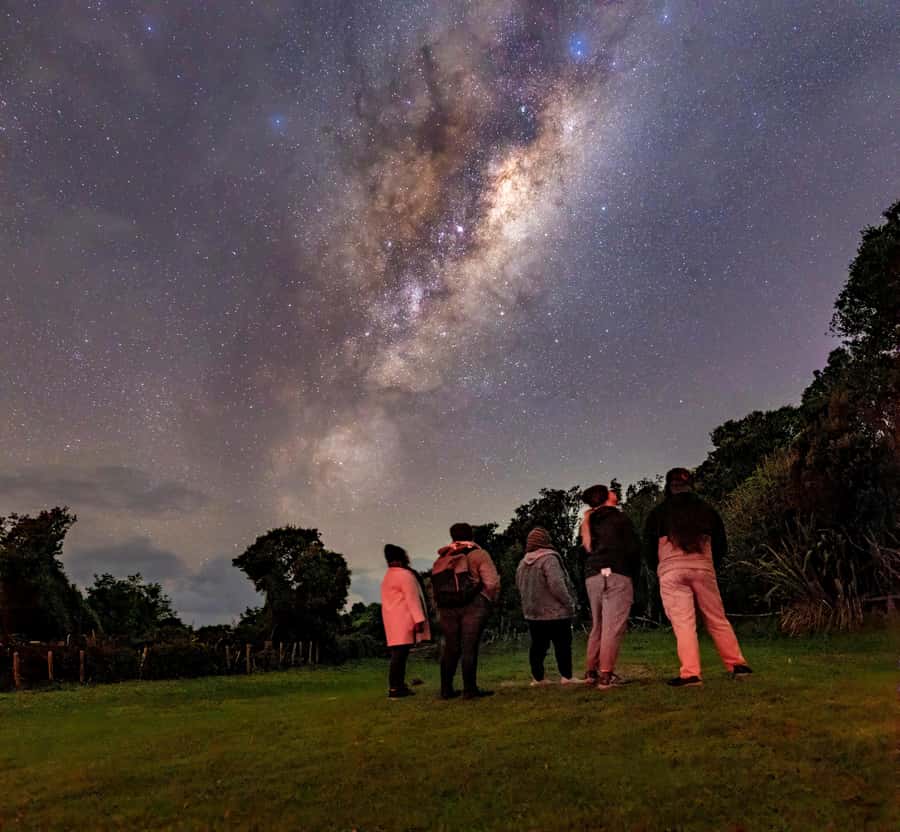
- Tawharanui has unusually dark skies: The park is away from city lights, making it a good place to view stars, planets, and seasonal constellations.
- The guides make the difference: Legend is often praised for his energy and wildlife knowledge, while Chris, Millie, Lucas, Sean, Ryan, Sharn, and others bring their own stories and local insight.
- The wildlife stays wild: You may see kiwi walking, feeding, or pausing in the bush, but you must accept that the birds set the schedule.
- The outing can be more than kiwi: Depending on conditions, you may hear ruru calls, learn about plants and insects, study the moon through a telescope, or see blue bioluminescence near the shore.
- Come prepared for cold and darkness: Wear warm clothing, sturdy comfortable shoes, and bring water. A torch or headlamp is provided, but your own layers still matter.
Why Tawharanui is a special place for kiwi
Tāwharanui Regional Park is not just a pretty stop outside Auckland. It is a protected conservation area where native bush, open habitats, and coastline support a growing range of New Zealand wildlife. The park’s protection from city lights also gives the night a clean, open quality that is hard to find near a major city.
That setting matters because kiwi are nocturnal and easily missed. During daylight, you are unlikely to catch one moving through the bush. After dark, the park changes character. Sounds carry farther, small movements become important, and the guide’s ability to read the place becomes central to the outing.
I like that the activity is built around observation instead of spectacle. You are not promised a staged encounter or a feeding session. The aim is to find kiwi behaving as they normally do, which can mean waiting, walking slowly, and accepting a quiet stretch with no sighting.
The guides explain kiwi behaviour, habitat needs, and the threats these birds face. That gives the experience more weight than a simple night walk. You begin to understand why predator control, habitat protection, and careful human behaviour matter.
More Native Bird Tours in New Zealand:
- Iconic Wildlife Tour with Yellow Eyed Penguins & Royal Albatross
★ 4.5 · 33 reviews - Private tour from Auckland – Waitomo Glowworm Caves, Zealong Tea & Kiwi Bird
★ 5.0 · 20 reviews - Twilight Wild Kiwi Bird Encounter Private Tour
★ 5.0 · 3 reviews
Meeting at the end of Takatu Road
The meeting point is near the public bathrooms at the end of Takatu Road, inside Tāwharanui Regional Park. This is a practical location, but you should pay attention to the directions and allow time to reach the park from Auckland.
If you do not have a car, transport from Auckland city can be added at checkout. One outing returned to Auckland around 2 a.m., and the ride was described as comfortable, with the driver making sure the group reached its accommodation safely. That makes the added transport useful for visitors who would rather not handle a late-night drive after walking in the dark.
At the start, you meet the guide and receive an introduction to the plan, safety points, and the park’s ecology. You may be issued a torch or headlamp, and the outing can include stargazing equipment such as binoculars or a telescope.
The public bathroom meeting point is not a scenic attraction in itself, but it is a sensible place to gather before entering the bush. Use the facilities before setting off, since the main event takes place away from the car park.
The first slow walk through the bush
The kiwi search begins as daylight fades. You move slowly through native bush and open areas while the guide listens for calls and checks likely places for movement. Your job is to stay quiet, watch carefully, and follow instructions about lights and distance.
This is not a fast-paced walk. One of the most useful things to understand before booking is that kiwi spotting may feel uneventful at first. A night can begin with a long wait and then suddenly produce several birds within minutes. One group saw nothing for a while before finding six or seven kiwi later in the outing. Another group saw three birds in a ten-minute stretch near the end.
That uneven rhythm is part of the appeal, but it can test young children or anyone expecting constant action. A nine-year-old enjoyed the experience greatly, and an 11-year-old completed the outing with family, but the activity still requires quiet attention and patience.
The reward is a real sense of discovery. A kiwi may appear briefly, move quickly, or disappear behind vegetation. Some visitors have seen birds clearly, including a baby kiwi, a male and female together, and one bird that paused long enough for several photographs. Still, you should not expect a close, posed encounter.
What a kiwi sighting can be like
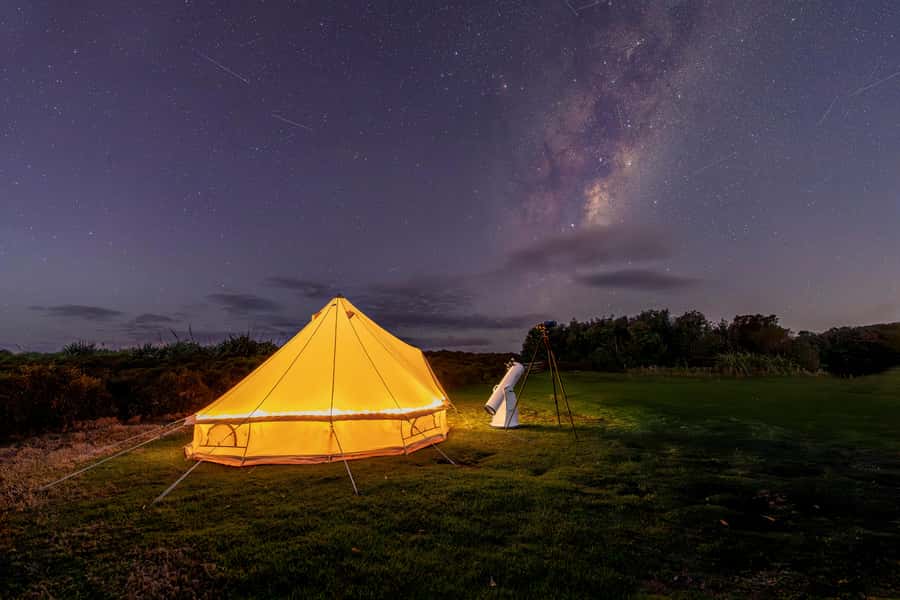
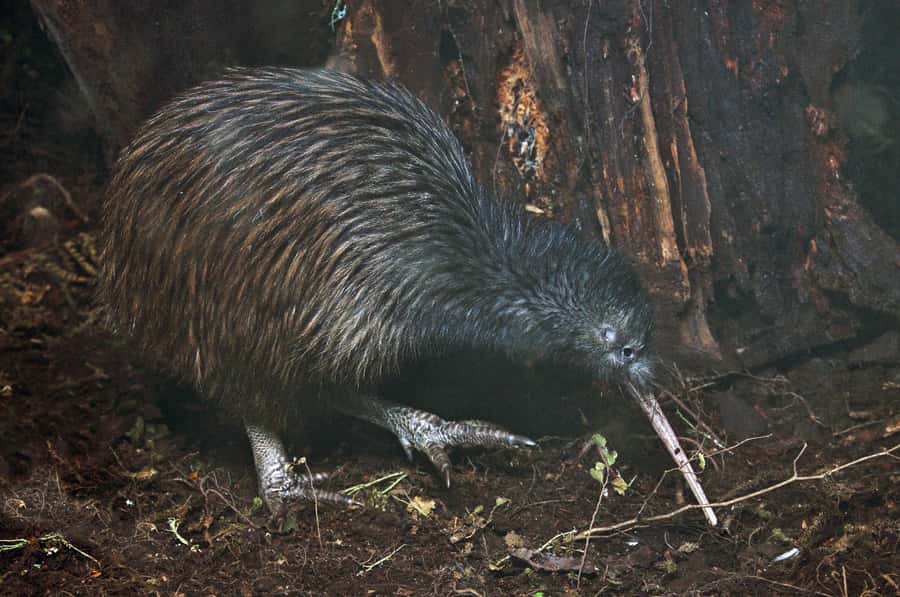
North Island brown kiwi are flightless, nocturnal birds, and the excitement comes from seeing them where they belong. You might hear a call first, spot movement on the track, or catch the shape of a bird searching the ground.
The guides use tracking skills and local knowledge to improve your chances. Legend has been especially praised for knowing where to look, while Lucas has been noted for explaining the park and its wildlife with real enthusiasm. Sean’s explanations about kiwi also received strong praise, and Chris and Millie have been described as helpful and good at keeping the evening relaxed.
Sightings vary widely. Some outings have produced two birds, while others have found four or five, six or seven, eight, nine, 10, 14, or more. Those numbers show the potential of the park, not a promise for your night. Weather, moonlight, cloud, bird movement, and group behaviour can all affect what you see.
You should also keep your expectations realistic about photography. A fast-moving bird in low light is difficult to capture. The most valuable part of the sighting may be the few seconds you spend watching it move naturally, not the photograph you take home.
A few more birding trips around New Zealand worth a look
- Oamaru: Penguins Evening Viewing Ticket
★ 4.5 · 682 reviews - Guided Evening Penguin Viewing Otago Peninsula, Dunedin, New Zealand
★ 5.0 · 471 reviews - Dunedin: Wildlife and Penguin Tour
★ 4.6 · 239 reviews - Albatross, seals, and sea birds-Wildlife Cruise
★ 5.0 · 189 reviews
Stargazing beneath a dark coastal sky
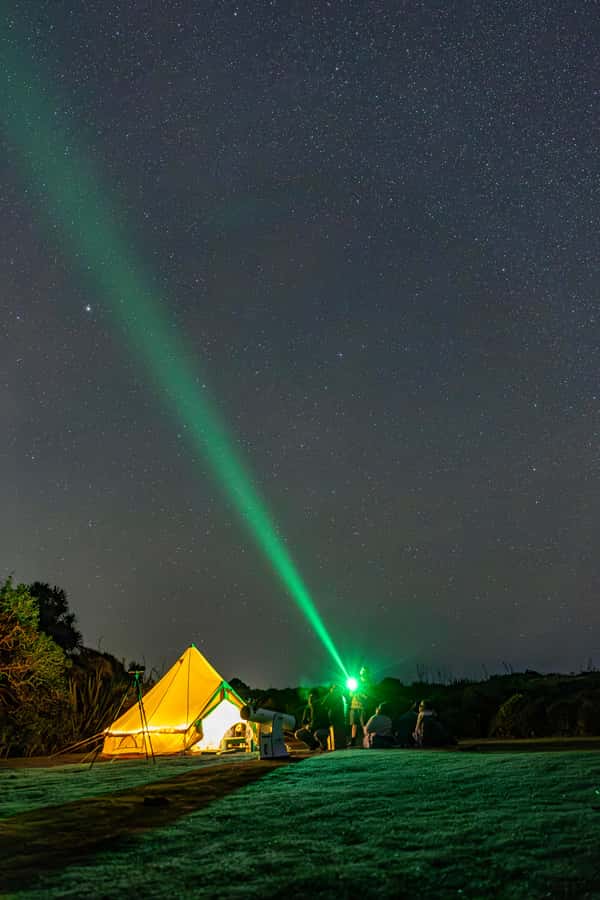
Once full darkness arrives, the tour turns upward. Tawharanui is far enough from Auckland’s city lights to offer a strong view of stars and seasonal constellations. Guides may point out planets and use binoculars or a telescope to show details such as the moon’s craters.
Past outings have included views of Venus, Jupiter, and Saturn, along with broad fields of stars. Māori stories and star knowledge add a cultural layer, while the guide also explains basic astronomy in a clear, accessible way.
Cloud can change this part of the experience. One night was too cloudy for stargazing, so the group spent more time looking for kiwi instead. Another night had some cloud, but the guide still found stars and planets to show. That flexibility is important. You are not left with a ruined evening if the sky closes over.
If the stars are a major reason you are booking, check the forecast and keep in mind that conditions can shift. The kiwi walk remains the main purpose of the tour, with astronomy adding another strong reason to spend the night outdoors.
Ruru calls, plants, insects, and possible blue glow
The park’s night life is larger than its kiwi population. As you walk, you may hear ruru, New Zealand’s morepork owl, calling from the bush. Guides can also discuss other wildlife, insects, native plants, and traditional plant uses.
One guide brought hot chocolate on a winter outing, a small touch that mattered on a cold night. Do not treat that as a guaranteed inclusion, but it shows how the guides can shape the mood and comfort of the evening.
Some outings may also include bioluminescence along the shoreline or in shallow water. When conditions are right, movement in sand or water can create a soft blue glow from microscopic organisms. This is not guaranteed, and it should be treated as a bonus rather than a central feature.
I like the way these extra details help you see the park as a living system. The kiwi is the headline, but the sounds, stars, plants, and shoreline effects make the night feel larger and more connected.
How the optional overnight stay changes the plan
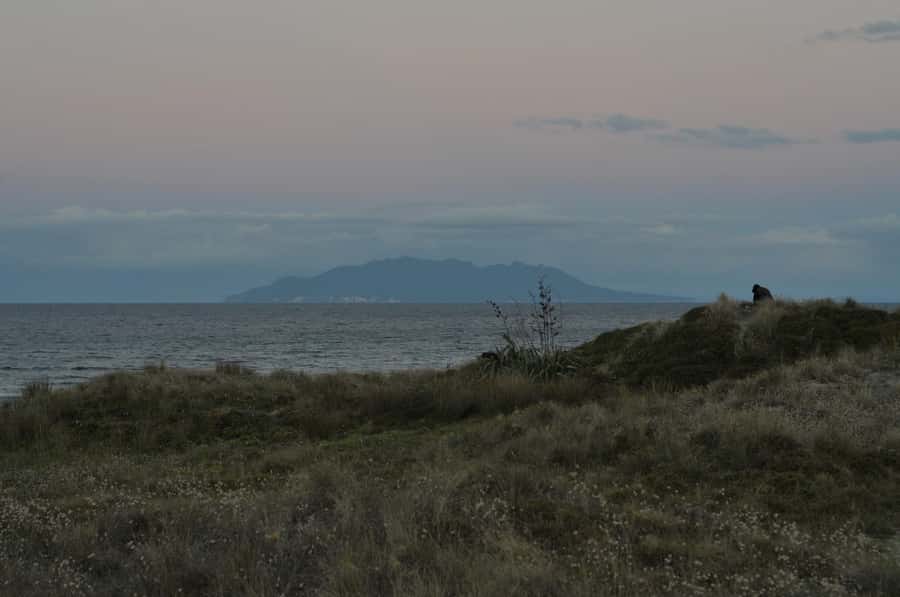
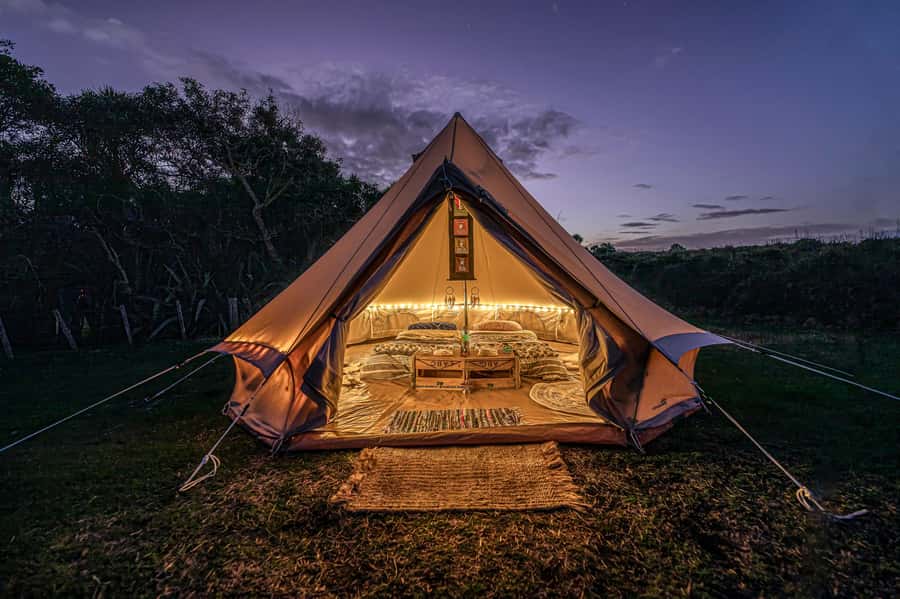
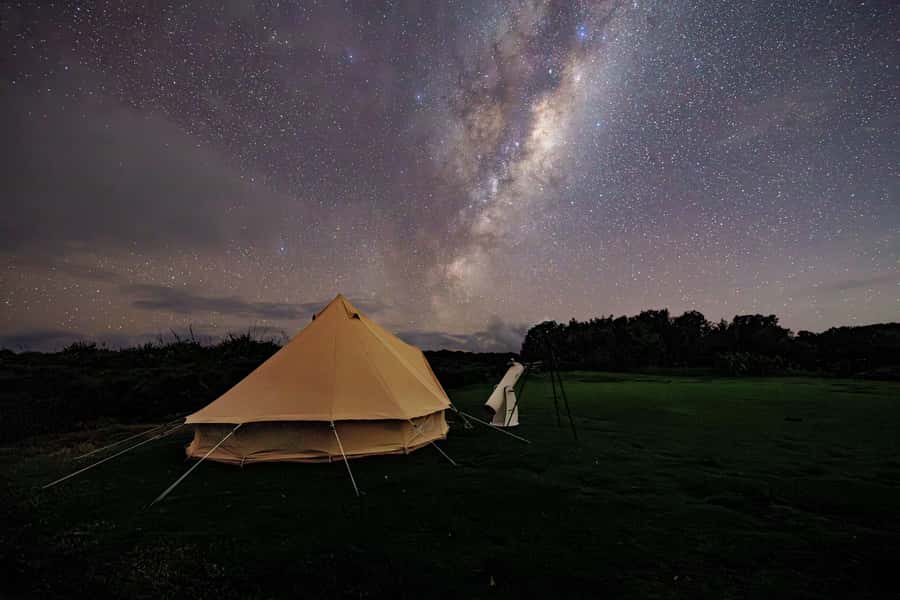
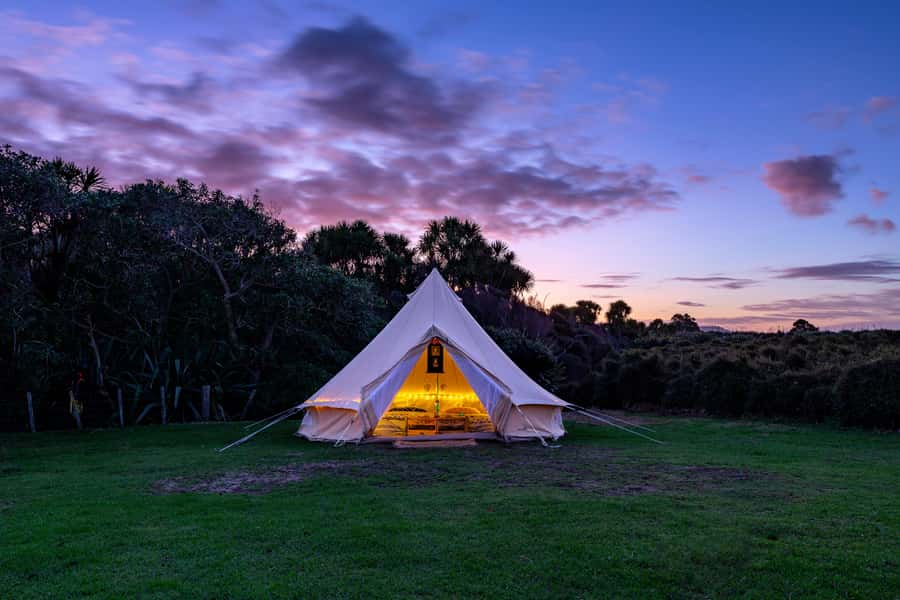
The activity can include an optional glamping stay. If you choose it, the tent may be set up before the tour, with blankets, foam mattresses, snacks, and small necessities provided. You still need to check the exact option and campsite costs, since campsite booking and fees are not included in the base price.
An overnight stay makes sense if you want to avoid a late return to Auckland. It also lets you remain close to the park after the walk rather than ending the evening with a long drive. For visitors on a tight schedule, though, the core two-hour outing may be enough.
The published schedule also refers to a longer guided walk and sightseeing period, plus an overnight option. Confirm the exact duration, transport plan, and accommodation arrangement when booking, because the standard activity is described as two hours while the additional stay changes the overall timetable.
Is $89 good value?
At $89 per person, this is not the cheapest evening activity near Auckland, but the price covers more than a simple walk. You are paying for a guide who can locate nocturnal birds, wildlife and conservation interpretation, stargazing equipment, and access to a protected setting after dark.
The value is strongest if you would struggle to find kiwi on your own. A casual walk through the park could easily produce no sightings, while an experienced guide knows how to search, when to pause, and how to keep the group respectful around wildlife.
Small groups or private departures can also improve the experience, especially if your party includes children or family members with different walking speeds. A larger group may still work well, but quiet wildlife viewing always benefits from fewer voices and less movement.
Transport costs extra, as do food and drinks. Campsite booking and fees are also outside the basic price. The optional glamping package can add convenience, but you should compare the total cost with your accommodation plans before choosing it.
Who will enjoy this night walk most?
I would recommend this to people who care more about a genuine wildlife encounter than a guaranteed photo. It suits bird lovers, families with patient children, couples seeking an unusual evening, and visitors who want to see a side of Auckland beyond city sights.
It is also a good fit for anyone interested in Māori astronomy, native ecosystems, or conservation. The guides often combine practical wildlife facts with stories about the stars, local culture, and the park.
You may want to skip it if you dislike walking slowly in darkness, dislike cold weather, or need a guaranteed result. Even a well-run search can produce fewer sightings than expected. Comfortable shoes, warm clothing, and water are essential, especially in winter.
Practical details that improve the experience
Wear layers rather than relying on one heavy jacket. The night can feel colder once you stop to listen, and winter outings have been specifically noted as chilly.
Bring water and wear shoes suitable for a bush walk. Keep your torch use controlled and follow the guide’s instructions, since bright or careless light can disturb wildlife and make it harder for you to see.
If you are using transport from Auckland, allow for a very late return. One outing ended around 2 a.m. The added ride removes the stress of driving, but you should still plan the next morning with enough rest.
The tour is conducted in English. You can book a private or small-group format, and cancellation is allowed up to 24 hours before departure for a full refund. Reserve now and pay later is also available, which helps if your Auckland plans depend on weather.
Should you book the Tawharanui kiwi encounter?
Book it if seeing a wild kiwi is high on your New Zealand list and you can accept uncertainty. The strongest parts are the guides, the chance to find birds in their natural habitat, and the combination of bush sounds with a dark Southern Hemisphere sky.
I would especially choose it if you have no car and want transport added, or if you can spare the night for the optional glamping stay. If the forecast is cloudy, the kiwi search can still make the trip worthwhile. If you need a short, guaranteed attraction with easy lighting and fixed timing, choose something else.
For most nature-minded visitors, this is a memorable use of an evening near Auckland. Go slowly, dress warmly, keep your expectations honest, and let the kiwi decide how much of itself you get to see.
FAQ
Where does the tour meet?
Meet near the public bathrooms at the end of Takatu Road in Tāwharanui Regional Park.
How long does the standard experience last?
The listed duration is two hours. Additional sightseeing and an optional overnight stay may extend the overall schedule.
How much does the experience cost?
The listed price is $89 per person.
Are kiwi sightings guaranteed?
No. Kiwi are wild animals, and sightings depend on conditions and wildlife activity. The tour information explains that every walk is different.
What kind of kiwi might I see?
The experience focuses on the endemic North Island brown kiwi.
Is stargazing included?
Yes. Stargazing is part of the experience, with equipment provided. Cloudy conditions can limit what you see.
What equipment is provided?
The tour includes stargazing and kiwi-spotting equipment. Past outings have used torches, headlamps, binoculars, and a telescope.
Can I add transport from Auckland?
Yes. Transport can be added at checkout.
Is an overnight stay available?
Yes. A glamping stay is available if you select that option. Campsite booking and fees are not included in the base activity.
What should I bring?
Bring comfortable shoes, warm clothing, and water. Extra food and drinks are not included.
What language is the tour conducted in?
The live tour guide operates in English.
Can I cancel the booking?
You can cancel up to 24 hours in advance for a full refund. Reserve now and pay later is also available.
Just added around New Zealand
- One Day Birding Adventure★ 5.0 · 7 reviews
- Motuara Island Bird Sanctuary and Ship Cove Cruise from Picton★ 4.0 · 36 reviews
- Wildlife and Penguin Tour★ 5.0 · 27 reviews
- Otago Peninsula Scenery & Little Blue Penguin tour★ 5.0 · 5 reviews
- Akaroa: Wildlife Cruise with Dolphins and Penguins★ 5.0 · 27 reviews
- Iconic Wildlife Tour with Yellow Eyed Penguins & Royal Albatross★ 4.5 · 33 reviews
- Clearwater Private Penguin & Wildlife Tour from Port Otago (5hrs)★ 5.0 · 7 reviews
- Guided Tour at Pukorokoro Shorebird Centre★ 5.0 · 4 reviews
New Zealand Birdwatching Tours, compared.
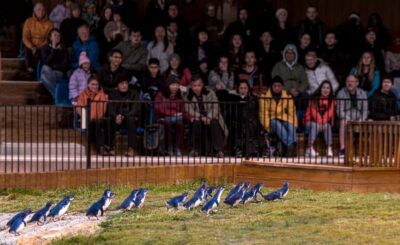
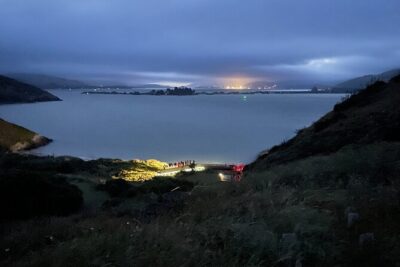
Guided Evening Penguin Viewing Otago Peninsula, Dunedin, New Zealand
Read our review →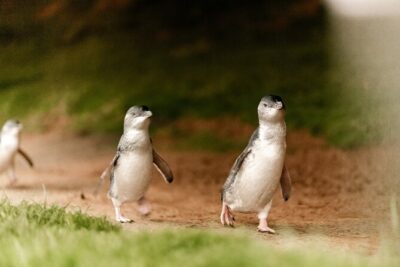
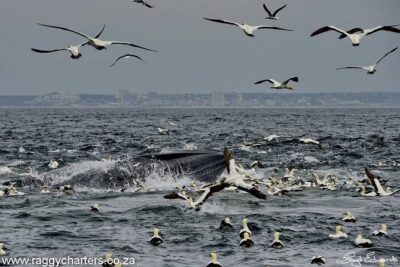
Albatross, seals, and sea birds-Wildlife Cruise
Read our review →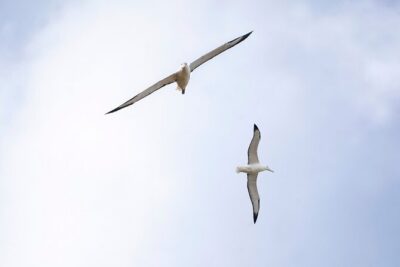
Otago Peninsula In-Depth Tour & Blue Penguins Pukekura Experience
Read our review →
Pohatu Penguins Scenic Nature 2-Hour or 4-Hour Tour
Read our review →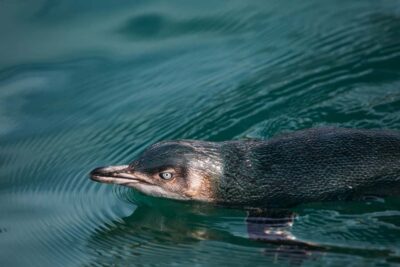
Pohatu Little Penguins 3-Hour Evening Experience
Read our review →
Dunedin City Highlights, Otago Peninsula Scenery & a Guided Penguin Reserve Tour
Read our review →Browse the lists this tour appears in