
REVIEW · NEW ZEALAND BIRDWATCHING TOURS
Bird Watching and Dolphin Eco-Tour to Blumine Island
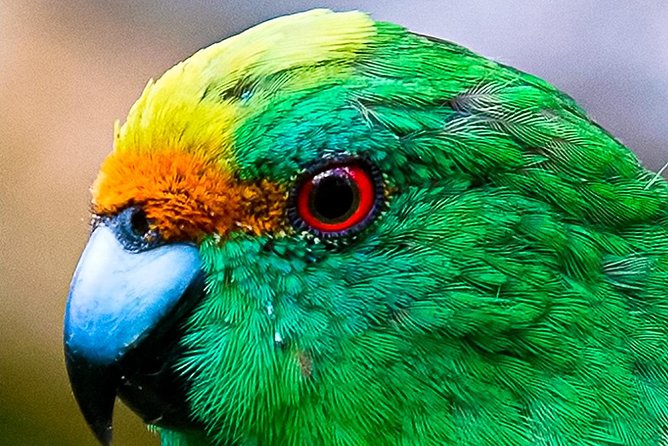
Rare birds make this short cruise count. From Picton, you sail into Queen Charlotte Sound with marine biologists, search for wild dolphins, and visit predator-free Blumine Island. I like the rare orange-fronted kakariki and king shags, plus the strong focus on wildlife protection. I also like that guides such as Bella, Will, Alice, and Hannah add live commentary rather than leaving you to guess at every distant bird.
The main drawback is simple: wildlife is wild. Dolphins may not appear, and wet or windy weather can make the boat ride less comfortable. The island walk can also be steep for some people, so this suits you best if you are happy with a little effort and a little uncertainty.
Key points at a glance
- Predator-free Blumine Island: A protected sanctuary for rare birds, including orange-fronted kakariki and other endangered species.
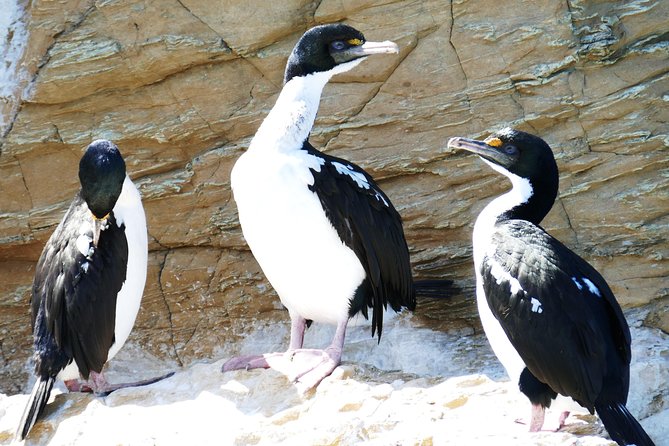
- High-value bird watching: King shags are a major target, with the operator quoting success rates of up to 99 percent for sightings.
- Marine wildlife on the way: The search can include dolphins, fur seals, penguins, and cormorants in Queen Charlotte Sound.
- Guides who add real value: Marine biologists and trained local guides provide live commentary about the birds, mammals, and islands.
- A compact half-day outing: The tour lasts about three to four hours and includes light refreshments, park fees, and a professional guide.
- Good but not perfect weather protection: A wet, blustery day may still produce a rewarding trip, but conditions affect comfort and wildlife sightings.
Leaving Picton for Queen Charlotte Sound
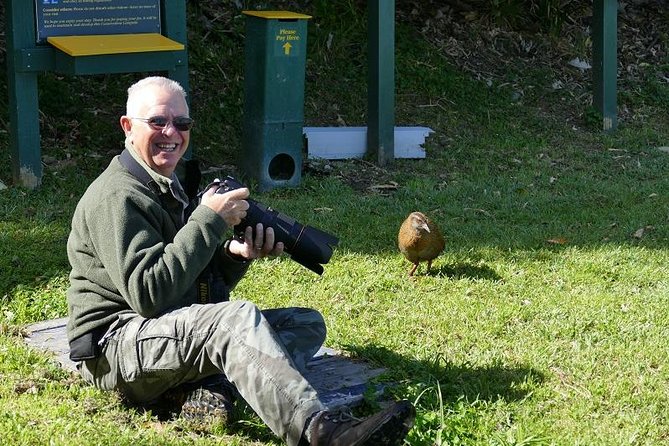
The tour begins at E-Ko Tours on Wellington Street in Picton. The shop has views across the water, free Wi-Fi, hot drinks available, and restrooms, making it a practical place to wait before departure. You also get a briefing and can look at a wildlife display while the crew prepares the group.
That small waiting period matters. This is not simply a boat transfer to an island. The briefing helps you understand what the guides will search for and gives you a better chance of spotting small birds once you reach the sanctuary. If you are new to bird watching, ask questions before boarding. The guides are there to help you read the surroundings rather than just point toward a distant speck.
The boat heads from Picton into the Queen Charlotte Sound, a fitting setting for a wildlife trip. The sheltered waterways offer views of forested islands and open water, while the crew watches for movement on the surface and along the shore. The captain has an important role here. Finding dolphins depends partly on patience, attention, and a willingness to adjust the route.
The experience takes place in the morning or afternoon, depending on the departure you choose. Allow three to four hours from start to finish. That makes it easier to fit into a Picton schedule than a full-day island excursion, though you should avoid booking another activity too tightly afterward.
More Dolphin Watching in New Zealand:
- Akaroa: Wildlife Cruise with Dolphins and Penguins
★ 5.0 · 27 reviews - Whale, Dolphin & Penguin Island Cruise
★ 5.0 · 687 reviews - Marco Island 2 hour Dolphin, Birding and Shelling tour
★ 5.0 · 503 reviews
Why Blumine Island matters
Blumine Island is a predator-free wildlife sanctuary in the outer Queen Charlotte Sound. That designation is the heart of the trip. Removing introduced predators gives vulnerable native birds a safer place to feed, nest, and recover in their natural environment.
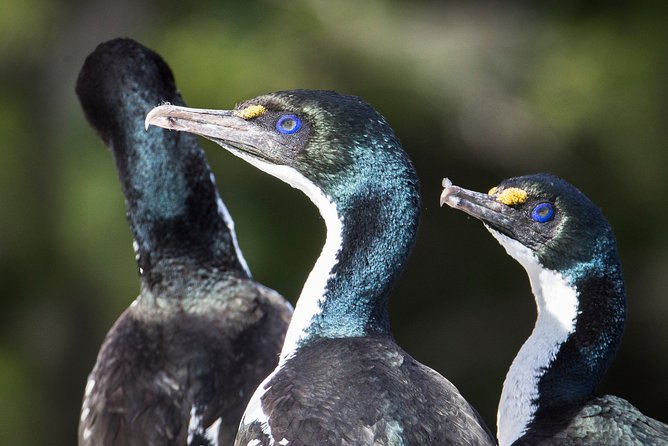
The island is associated with the rare orange-fronted kakariki, a small native parakeet that is not the sort of bird you can count on seeing during an ordinary walk around New Zealand. The tour also focuses on endangered land birds and king shags, a rare seabird with a very limited range.
This is where a trained guide earns the fare. Small native birds can be easy to miss, especially when you are looking at thick bush or listening for calls. The guides know where to pause, where to scan, and how to explain what you are seeing. E-Ko has guided trips to the island for 30 years, which helps explain the emphasis on finding wildlife rather than rushing through the visit.
The quoted king shag success rate is 99 percent, while the chance of seeing the island’s rarest birds is given as 98 percent. Treat those numbers as strong historical targets, not promises. Wildlife can change its position, hide, or remain quiet. Still, those figures indicate that the trip is built around a serious search, not a casual scenic cruise.
The island walk and bird-watching conditions
At the island, you are taken into the Department of Conservation reserve area without bags. The no-bag rule helps protect the site and keeps the walk easier. You should bring only what you need and follow the crew’s instructions closely.
The visit includes time on land, and the walk may involve a steep climb toward a viewpoint. One account describes the climb as well worth the effort for the birds and views, while another found the pace too fast and returned to a lower area known as the bird bath. That is useful advice: you do not have to force yourself up the hill if the pace or slope is uncomfortable.
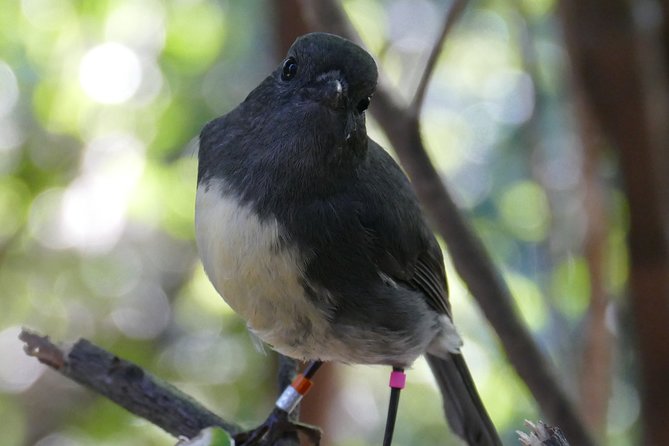
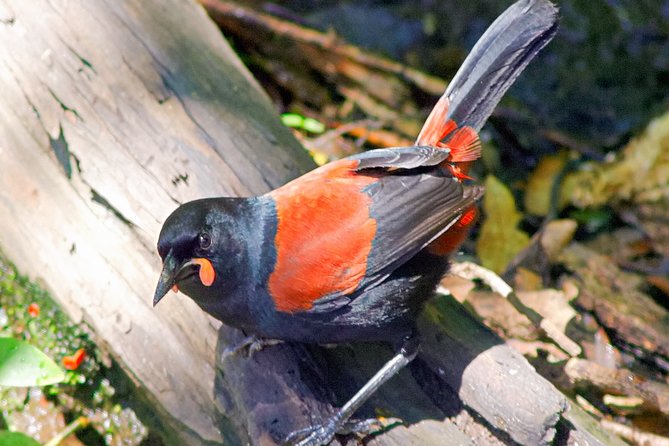
The lower bird-watching area can still be rewarding. Saddlebacks and other birds may come close to the small water enclosure, giving you a better view than you might get from the main track. If you have limited fitness, tell the guide early. The group may have a planned route, but clear communication gives the crew a chance to help you choose the most sensible option.
The island visit is likely to appeal most to birders, photographers, families with an interest in nature, and anyone who wants a closer look at New Zealand conservation work. You do not need to be an expert. The guides explain species and behavior as you go, so beginners can enjoy the outing without feeling lost.
Searching for dolphins and seabirds
The marine portion of the tour begins before and after the island visit, as the boat moves through sheltered waters in search of wildlife. Wild dolphins are one of the main attractions, and the crew makes a real effort to locate them. A pod of Hector’s dolphins has been seen around the boat for roughly 20 minutes, creating one of the more memorable encounters described for this outing.
That kind of sighting is special because Hector’s dolphins are small, fast, and found only in New Zealand waters. Yet you should keep expectations sensible. One trip in wet and windy weather produced fur seals and many seabirds but no dolphins. The captain can search, but cannot schedule a dolphin appearance.
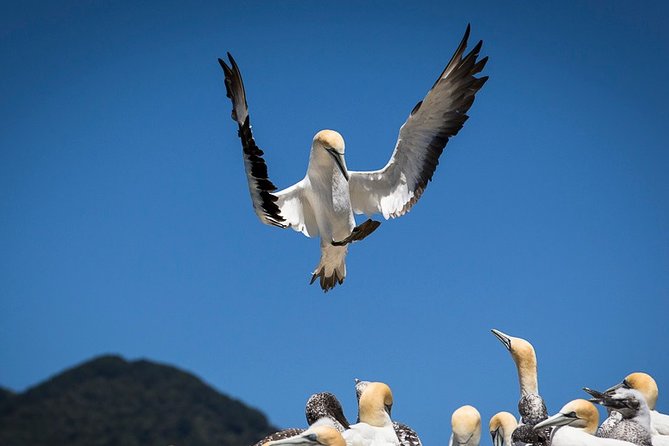
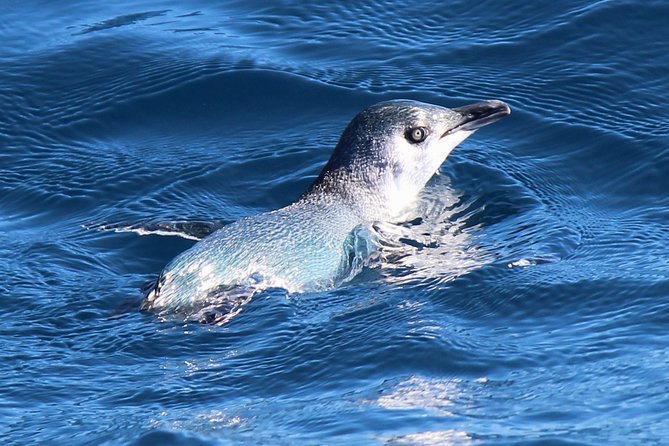
The possible sightings include fur seals, penguins, king cormorants, and other seabirds. A blue penguin nesting box has also produced a particularly memorable sighting of two chicks. You should not assume the chicks will be visible on every departure, but the example shows why this is more than a quick look at adult birds from a distance.
The live commentary helps connect the sightings to the wider ecology of the Sound. Instead of just hearing that a seal is nearby, you can learn about the species and the place it occupies in the local environment. Guides Will, Bella, and Alice have each been praised for keeping the trip informative and entertaining, while Captain Andy has been noted for his wildlife spotting and friendly approach.
A few more birding trips around New Zealand worth a look
- Oamaru: Penguins Evening Viewing Ticket
★ 4.5 · 682 reviews - Guided Evening Penguin Viewing Otago Peninsula, Dunedin, New Zealand
★ 5.0 · 471 reviews - Dunedin: Wildlife and Penguin Tour
★ 4.6 · 239 reviews - Albatross, seals, and sea birds-Wildlife Cruise
★ 5.0 · 189 reviews
What the crew adds to the experience
The crew is one of the strongest reasons to choose this tour. The supplied feedback repeatedly praises the guides for clear explanations, humor, patience, and effort in finding wildlife. Will is described as entertaining as well as informative, while Bella kept one trip moving with a steady stream of useful information about species and activity.
Captain Andy and Hannah have also been singled out for being accommodating with young children. Children aged three and five were allowed to take a turn at the wheel, and hot cocoa was served on the return journey. Those details may not be part of every departure, but they suggest a friendly, family-aware style.
A good wildlife guide does not simply list names. The best guides help you notice behavior, understand why a sanctuary matters, and appreciate the patience required to see a small bird or a moving dolphin. That is the difference between a boat ride with commentary and a proper eco-tour.
The group can include up to 30 people. That is not an intimate private trip, but it is still a manageable group for a short guided outing. If you want complete quiet or a private photography session, this is not the right format. If you want support with identification and the chance to meet other nature-minded people, the group size is reasonable.
Weather, comfort, and the limits of nature tours
Marlborough Sounds weather can change the feel of the experience. In calm conditions, the cruise should be scenic and comfortable, with good opportunities to watch the water and shoreline. In wet or blustery weather, the same route can feel much rougher and sightings may be harder to spot.
A poor-weather departure is not automatically a wasted one. A guide worked hard to keep one wet trip worthwhile, and the group still saw a range of seabirds and fur seals. But you should be ready for reduced comfort and fewer clear views. Wear suitable outdoor clothing and protect any camera or phone from spray. The tour includes light refreshments, which is welcome on a half-day outing, but it is not a full meal.
The island route adds another practical point. The climb to the viewpoint is steep enough that some people may prefer to remain near the lower bird area. Most participants can take part, but the experience is not best treated as a completely effortless sightseeing cruise.
What the €112.18 price covers
At €112.18 per person, this is not the cheapest way to see the Marlborough Sounds. The value comes from what is bundled into the experience: a boat trip, a professional guide, live commentary, national park fees, light refreshments, and time inside a protected wildlife sanctuary.
A basic scenic cruise may give you the water views, but it will not necessarily provide the same focus on rare birds or the same help with identification. The marine biologists and trained guides are a meaningful part of the price. So is the chance to visit a predator-free island rather than simply pass it from offshore.
I would consider the price fair if rare wildlife and conservation are high on your list. It is less compelling if you mainly want a relaxed boat ride and do not care much about bird species. The tour’s value rises sharply when you see dolphins, penguins, or rare island birds, but even without every hoped-for sighting, the protected setting and guide service give the trip substance.
Timing, meeting point, and cancellation terms
You meet at E-Ko Tours, 1 Wellington Street, Picton, and return to the same meeting point. Transport to or from other attractions is not included, so you need to make your own way to the shop. The location is near public transportation.
The tour is commonly booked about 50 days ahead, which suggests you should reserve early if your Picton dates are fixed. Confirmation is sent within 48 hours, subject to availability. The maximum group size is 30 people.
Free cancellation is available up to 24 hours before the start time for a full refund. Changes or cancellations inside that 24-hour window are not accepted, and the amount paid is not refunded. The tour also requires a minimum number of participants. If E-Ko cancels because that minimum is not reached, you are offered another date or experience, or a full refund.
Who should book this Picton eco-tour?
I would choose this experience if you want wildlife with context, not just a scenic ride. It is a particularly good fit for bird watchers, families who enjoy nature, visitors interested in conservation, and anyone with a spare half-day in Picton.
It also suits you if you like guides who stay involved. The crew searches for wildlife, explains what you see, and adjusts the focus according to conditions. The outing has enough variety to hold the attention of non-specialists, especially when dolphins or seals appear.
I would think twice if you dislike boats, are uncomfortable in changeable weather, or need a completely flat and easy walk. You should also accept that dolphins are not guaranteed, even though the crew makes a serious effort to find them.
Should you book the Blumine Island tour?
Yes, if rare birds, marine wildlife, and conservation matter more to you than guaranteed sightings or perfect weather. The combination of a Queen Charlotte Sound cruise, a predator-free island, strong bird-spotting experience, and helpful guides makes this one of the more worthwhile short outings from Picton.
Book it early, leave room in your schedule, and arrive ready for outdoor conditions. If you are patient and flexible, the reward could be a close look at a rare native bird, a pod of Hector’s dolphins around the boat, or even two blue penguin chicks in a nesting box. If the animals keep their distance, you still get a guided visit to an important sanctuary and a thoughtful introduction to the Sound.
FAQ
Where does the Blumine Island eco-tour begin?
The tour begins at E-Ko Tours, 1 Wellington Street, Picton 7220, New Zealand.
Where does the tour finish?
The activity ends back at the E-Ko Tours meeting point in Picton.
How long does the experience last?
The tour lasts approximately three to four hours.
Is the tour available in the morning and afternoon?
Yes. The experience is offered as a half-day morning or afternoon eco-tour.
What wildlife might I see?
Possible sightings include orange-fronted kakariki, king shags, other rare birds, dolphins, fur seals, penguins, and king cormorants. Wildlife sightings are not guaranteed.
Is Blumine Island predator-free?
Yes. Blumine Island is described as a predator-free wildlife sanctuary and a Department of Conservation reserve.
Are refreshments included?
Yes. Light refreshments are included. Hot drinks are also available at the E-Ko shop while you wait.
Are national park fees included?
Yes. National park fees are included in the tour price.
How many people can join the tour?
The maximum group size is 30 people.
Can I cancel for a full refund?
Yes, if you cancel at least 24 hours before the experience starts. Cancellations or changes made less than 24 hours before the start time are not refunded.
Just added around New Zealand
- One Day Birding Adventure★ 5.0 · 7 reviews
- Motuara Island Bird Sanctuary and Ship Cove Cruise from Picton★ 4.0 · 36 reviews
- Wildlife and Penguin Tour★ 5.0 · 27 reviews
- Otago Peninsula Scenery & Little Blue Penguin tour★ 5.0 · 5 reviews
- Akaroa: Wildlife Cruise with Dolphins and Penguins★ 5.0 · 27 reviews
- Iconic Wildlife Tour with Yellow Eyed Penguins & Royal Albatross★ 4.5 · 33 reviews
- Clearwater Private Penguin & Wildlife Tour from Port Otago (5hrs)★ 5.0 · 7 reviews
- Guided Tour at Pukorokoro Shorebird Centre★ 5.0 · 4 reviews
Dolphin Watching, compared.
Marco Island 2 hour Dolphin, Birding and Shelling tour
Read our review →
Rockingham: Shoalwater Islands, Dolphins, and Sea Lions Tour
Read our review →
Two-Hour Everglades Dolphin, Manatee and Birding Boat Tour
Read our review →
Browse the lists this tour appears in