
REVIEW · NEW ZEALAND BIRDWATCHING TOURS
One Day Birding Adventure
Rare birds reward patient eyes. Foris Eco Tours makes bird-watching around the Bay of Plenty appealing with provided binoculars and a spotting scope, plus access to forests, wetlands, and shore sites. I like the chance to search several habitats in one day, and I like the very small group size, capped at four people.
The main consideration is the price, $309.67 per person, which is a serious outlay for seven hours. You also need moderate physical fitness, must be at least 18, and should not expect a guaranteed list of rare sightings. Birds, as ever, keep their own schedules.
Key points at a glance
- Several bird habitats in one day: The route covers forest, wetland, and shore locations around the Bay of Plenty.
- Small group of no more than four: This gives you more room to ask questions and more time with the spotting scope.
- New Zealand endemics are the goal: You might look for miromiro, or tomtits, and yellow-crowned kakariki, or parakeets.
- Tom is the named guide: The strongest available feedback praises Tom’s bird knowledge and his ability to share local insight across the North Island.
- Lunch and transport are included: Selected hotels in Rotorua or Tauranga can receive pickup and drop-off.
- A full seven-hour outing: The 9:00 am start leaves enough time to visit more than one birding setting.
Why this Rotorua birding day is different
Rotorua is best known for geothermal sights, Māori culture, and outdoor activities. This tour gives you another way to read the region. Instead of moving quickly from one attraction to the next, you spend the day looking carefully for birds in places where habitat shapes what you may see.
That matters in New Zealand. The country has many birds found nowhere else, but spotting them is not as simple as walking into a park and waiting for a bright flash of feathers. Forest birds may stay high in the canopy or move quietly through cover. Wetlands bring a different set of possibilities, while shore sites can change the kinds of birds you find completely.
I like this habitat-based approach. You are not tied to one viewing area, so a quiet patch of forest does not have to define the whole day. The range of locations gives you more chances to find something interesting and also helps you see how New Zealand’s birdlife changes from one setting to the next.
The day is led by a conservationist guide and local birder. That adds real value for anyone who wants more than a checklist. You can learn how to identify a bird, understand where it fits in the local environment, and use the guide’s experience to make sense of a quick or distant sighting.
A few more birding trips around New Zealand worth a look
- Oamaru: Penguins Evening Viewing Ticket
★ 4.5 · 682 reviews - Guided Evening Penguin Viewing Otago Peninsula, Dunedin, New Zealand
★ 5.0 · 471 reviews - Dunedin: Wildlife and Penguin Tour
★ 4.6 · 239 reviews
Starting at 9:00 am with a small group
The tour begins at 9:00 am, with pickup offered from selected hotels in Rotorua or Tauranga. Confirm that your hotel qualifies before booking, since pickup is not described as available from every accommodation.
A private vehicle is provided for the day. That is useful here because the outing includes several birding destinations rather than one fixed reserve. You do not need to arrange a rental car, plan the route, or work out how to carry birding equipment between stops.
The maximum group size is four people. This is one of the tour’s best features. In bird-watching, small numbers matter. You can hear the guide without strain, ask questions as they occur, and get a better chance to use the spotting scope when a bird appears.
A small group also makes the day feel more personal. If you are new to birding, you can ask for help without feeling that you are holding up a busload of people. If you already know your miromiro from your kakariki, you can ask more detailed questions and make good use of the guide’s time.
There is a minimum booking requirement of two people. Solo visitors should not assume they can book alone, and the minimum age is 18. Those rules make this a better fit for adults planning a shared nature day than for families with young children.
Searching Whirinaki Forest for native birds
Whirinaki Forest is the main draw for many birders considering this experience. The forest setting offers a chance to look for native birds in natural habitat, rather than in an enclosure or a managed display.
The appeal is also the challenge. Forest birding rewards patience, quiet movement, and careful listening. You may spot a bird quickly, or you may spend time learning how the guide narrows down a call or movement in the trees. The supplied binoculars help with general viewing, while the spotting scope can make a distant or high perch easier to examine.
The tour specifically highlights miromiro, or tomtits, and yellow-crowned kakariki, or parakeets. These are possibilities, not promises. Your guide can help you identify what appears on the day, but no responsible birding outing can guarantee a particular species.
That uncertainty is part of the value for the right person. You are paying for access, transport, equipment, and local skill, not for a staged animal encounter. If you need a guaranteed close-up of a particular bird, this may feel too unpredictable. If you enjoy the search itself, the forest can be the most rewarding part of the day.
The conservation focus adds welcome context. You are not simply being taken to a scenic patch of trees. The guide’s role is to help you understand native birds and their habitat while keeping the attention on observation in the wild.
Wetlands and shore sites add variety
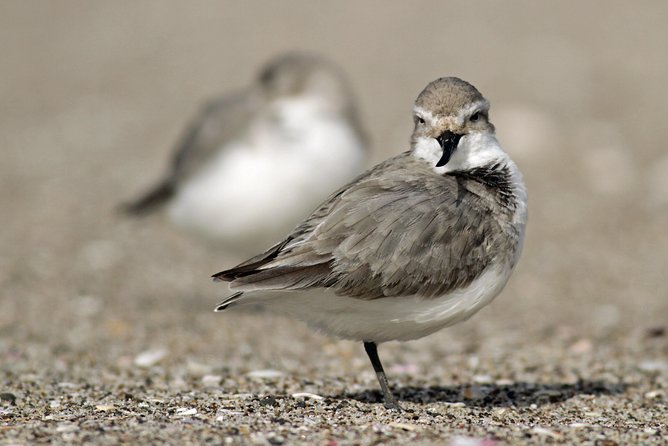
The forest is only one part of the plan. The day also includes wetland and shorebird locations around the Bay of Plenty. This wider route is important because each habitat changes the birding possibilities.
Wetlands can offer a different style of viewing from forest. Open areas may give you a clearer line of sight, while water and low vegetation can make movement easier to follow. The spotting scope becomes especially useful when birds are far off or gathered across open ground.
Shore sites bring another shift. You are looking at the edge between land and water, with a different set of birds and viewing conditions. Even if one stop is quiet, the change of habitat keeps the day from becoming repetitive.
The exact order of the stops is not specified, so you should treat the schedule as flexible rather than as a tightly published sequence. That is sensible for birding. The guide may need to adjust the day to suit conditions, access, or the best chance of finding active birds.
The itinerary names Foris Eco Tours as the listed stop, while the experience description places the actual bird search across forests, wetlands, and shore locations. I would think of this as a guided regional outing rather than a simple visit to one attraction.
Same place, a different set of birds:
- Albatross, seals, and sea birds-Wildlife Cruise
★ 5.0 · 189 reviews - Otago Peninsula In-Depth Tour & Blue Penguins Pukekura Experience
★ 5.0 · 163 reviews - Akaroa: Pohatu Penguins Scenic Nature 2-Hour or 4-Hour Tour
★ 4.9 · 125 reviews - Akaroa: Pohatu Little Penguins 3-Hour Evening Experience
★ 4.8 · 119 reviews
What the equipment adds
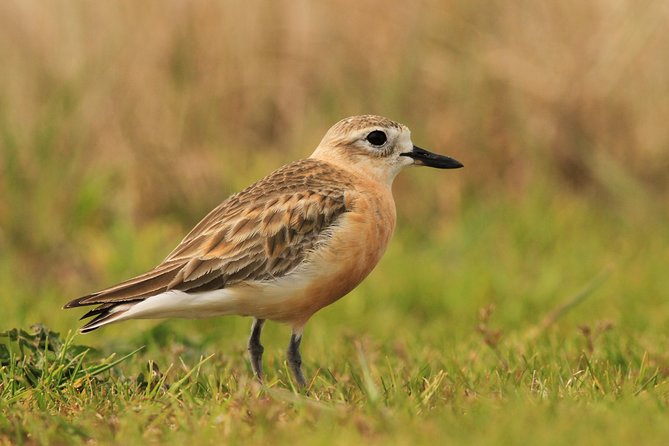
You do not need to bring your own binoculars or spotting scope. Both are provided, which removes a common barrier for people who are interested in birding but do not yet own equipment.
The binoculars let you scan trees, wetland edges, and shore areas at your own pace. The scope gives the group a stronger view when the guide locates something farther away. With only four people maximum, sharing the scope should be more manageable than it would be on a large group trip.
Still, provided equipment does not mean you can skip basic preparation. Wear clothing suited to outdoor conditions and shoes that support a moderate level of walking. The tour states that a moderate physical fitness level is required, but it does not give a precise distance or trail condition, so you should ask the operator if you need specific mobility information.
A patient attitude matters just as much as footwear. You may spend time waiting quietly, scanning branches, or following a bird that disappears before everyone gets a look. The guide’s skill can improve your odds, but nature does not work to a timetable.
Why the guide can make or break the day
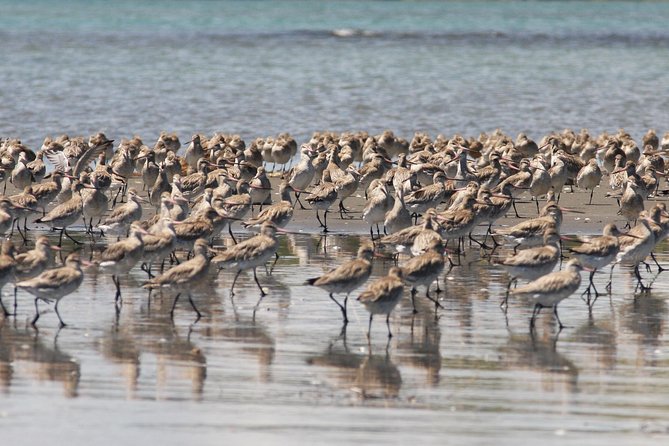
Birding guides do more than point at birds. A good guide helps you notice patterns, understand calls, use the equipment, and avoid mistaking a quick movement for a confirmed sighting.
The named guide associated with this experience is Tom. The strongest praise focuses on his bird knowledge and the inside information he can share while covering the North Island. If Tom leads your outing, that local perspective could be a major part of the day’s value.
I would confirm the guide when booking if having Tom specifically is important to you. The information identifies him through the available feedback, but it does not promise that every departure will be led by him.
The guide also serves as the driver, so you are getting one person who handles transport and interpretation. That keeps the day simple, though it may mean the guide’s attention has to shift between the road and the group while moving between sites. At the birding locations, the small group should make personal instruction easier.
Lunch keeps a long birding day comfortable
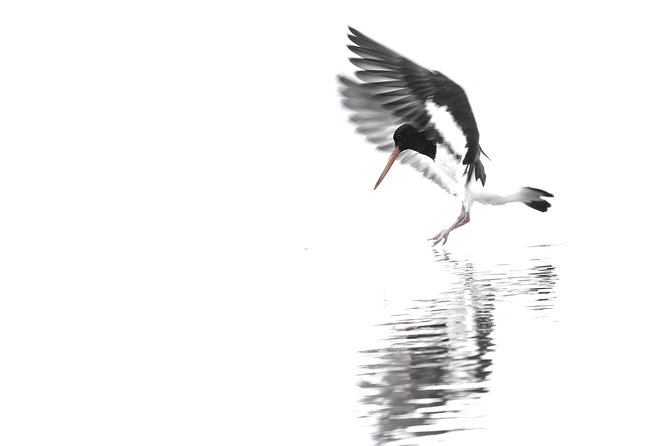
Lunch is included, along with national park fees. That sounds basic, but it makes a difference on a seven-hour outing. You can concentrate on the birds rather than arranging food during the day or stopping to solve a lunch problem.
A vegetarian option is available if requested at the time of booking. Make that request early, since it is not something to leave until pickup.
The supplied information does not specify the menu, meal location, or drinks. If you have allergies or other dietary needs, ask Foris Eco Tours directly before the day. Do not assume that a vegetarian option automatically covers every dietary requirement.
The lunch inclusion also helps explain the price. At $309.67 per person, this is not a cheap sightseeing transfer. You are paying for a private vehicle, driver and guide, equipment, national park fees, lunch, hotel transport from selected locations, and a full day built around birding.
Is $309.67 good value?
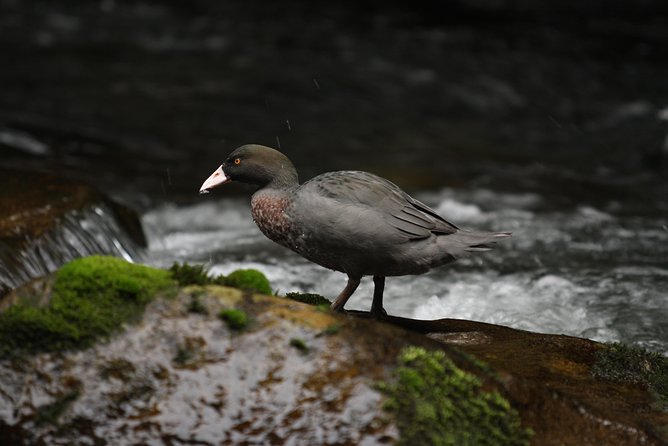
The price makes the most sense for a committed bird-watcher or a visitor who wants expert help finding New Zealand endemics. A small group of up to four is a strong point, especially when compared with a larger nature tour where you may spend more time waiting for other people.
The cost is harder to justify if you simply want a casual look at local wildlife. You could find a lower-cost outdoor activity in Rotorua, but it would not necessarily include a specialist guide, several birding habitats, transport from your hotel, equipment, lunch, and national park fees.
Booking patterns suggest that people reserve this experience about 163 days ahead on average. That is a useful planning signal. It may reflect limited capacity, since the group can have no more than four people, so waiting until the last minute could be risky during busy periods.
I would book early if birding is a central part of your New Zealand trip, especially if you have fixed dates in Rotorua or Tauranga. The free cancellation rule gives you some flexibility, since you can cancel for a full refund up to 24 hours before the start time. Changes or cancellations inside that 24-hour window are not accepted for a refund.
Who should book this experience?
I would recommend it most strongly to adults who want to identify New Zealand birds in the wild and value personal guidance. It suits people who enjoy quiet observation, outdoor time, and the possibility that the best sighting may be brief.
It also works well for a pair or small private party. The minimum booking is two people, and the four-person maximum keeps the group intimate without requiring you to arrange a large private charter.
This may not suit you if you need a relaxed, fully predictable schedule or guaranteed sightings. It is also not designed for children under 18, and the moderate fitness requirement may rule it out for anyone seeking a very easy vehicle-based excursion.
Bring realistic expectations. The tour improves your chances of finding special birds, but it cannot control weather, animal movement, or how long a bird remains visible. That is not a flaw in this kind of outing, but it should shape your decision.
Should you book the One Day Birding Adventure?
Book it if you want a serious, small-group search for New Zealand’s native birds, with forest, wetland, and shore habitats covered in one seven-hour day. The combination of a conservationist guide, provided optics, lunch, private transport, and a maximum of four people gives the experience a clear purpose and reasonable value for dedicated birders.
Skip it if you want a low-cost general nature tour or a guaranteed close encounter. For the right audience, though, this is a focused way to see more of the Bay of Plenty and learn how to look carefully at what is around you. If Tom is leading your day, his birding insight may add another welcome layer to the experience.
FAQ
Where does the One Day Birding Adventure take place?
The experience is based in Rotorua and explores birding locations around the Bay of Plenty, including Whirinaki Forest, wetlands, and shore sites.
How long does the tour last?
The tour lasts approximately seven hours.
What time does the tour start?
The stated start time is 9:00 am.
Is hotel pickup available?
Pickup and drop-off are offered from selected hotels in Rotorua or Tauranga. You should confirm that your hotel is included.
How many people can join the tour?
The maximum group size is four people, and a minimum of two people per booking is required.
What birds might I see?
The tour looks for New Zealand endemic birds. Possible examples include miromiro, also called tomtits, and yellow-crowned kakariki, also called parakeets.
Are binoculars provided?
Yes. Binoculars and a spotting scope are provided for the bird-watching experience.
Is lunch included?
Yes. Lunch, national park fees, transport in a private vehicle, and a driver and guide are included. A vegetarian option is available if requested when booking.
What is the cancellation policy?
You can cancel up to 24 hours before the start time for a full refund. Cancellations or changes made less than 24 hours before the experience are not accepted for a refund.
Just added around New Zealand
- Motuara Island Bird Sanctuary and Ship Cove Cruise from Picton★ 4.0 · 36 reviews
- Wildlife and Penguin Tour★ 5.0 · 27 reviews
- Otago Peninsula Scenery & Little Blue Penguin tour★ 5.0 · 5 reviews
- Akaroa: Wildlife Cruise with Dolphins and Penguins★ 5.0 · 27 reviews
- Iconic Wildlife Tour with Yellow Eyed Penguins & Royal Albatross★ 4.5 · 33 reviews
- Clearwater Private Penguin & Wildlife Tour from Port Otago (5hrs)★ 5.0 · 7 reviews
- Guided Tour at Pukorokoro Shorebird Centre★ 5.0 · 4 reviews
- Private tour from Auckland – Waitomo Glowworm Caves, Zealong Tea & Kiwi Bird★ 5.0 · 20 reviews
New Zealand Birdwatching Tours, compared.
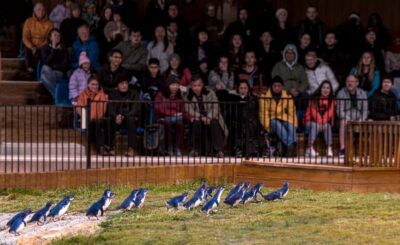
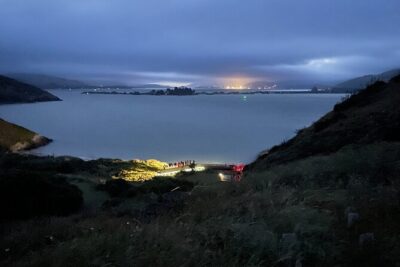
Guided Evening Penguin Viewing Otago Peninsula, Dunedin, New Zealand
Read our review →
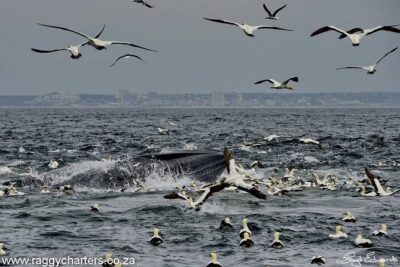
Albatross, seals, and sea birds-Wildlife Cruise
Read our review →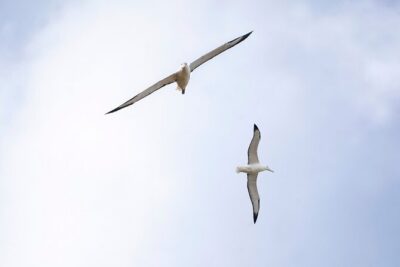
Otago Peninsula In-Depth Tour & Blue Penguins Pukekura Experience
Read our review →
Pohatu Penguins Scenic Nature 2-Hour or 4-Hour Tour
Read our review →
Pohatu Little Penguins 3-Hour Evening Experience
Read our review →
Auckland (Tawharanui): Wild Kiwi Bird Spotting Encounter
Read our review →Browse the lists this tour appears in